Hear from Our Customers
Your energy bills drop because the system isn’t fighting itself anymore. Rooms stay comfortable without that clammy feeling humidity brings. You’re not adjusting the thermostat every hour trying to find the sweet spot.
The air feels cleaner. Your family breathes easier. And when something does go wrong, you have someone who picks up at 2 a.m. and actually knows how to fix it.
Most Long Island homeowners don’t realize their HVAC is working twice as hard as it should. Salt air corrodes components. Humidity overwhelms undersized systems. Coastal conditions demand equipment and maintenance that standard approaches can’t deliver. When your system is designed and maintained for this environment, everything changes.
We’ve been handling complex HVAC and refrigeration systems across Nassau and Suffolk Counties for over 40 years. Marine air conditioning. Commercial refrigeration. Systems that need to survive environments most contractors won’t touch.
That experience translates directly to your home. We understand what salt air does to condensers. How Long Island humidity affects dehumidification loads. Why your coastal home needs different maintenance than a house 20 miles inland.
You’re not getting a crew that learned HVAC in a different climate and hopes it applies here. You’re getting technicians who’ve spent decades solving the exact problems your system faces. We’re available 24/7 because we know breakdowns don’t wait for business hours. And we give you transparent pricing up front because nobody likes surprises on their invoice.
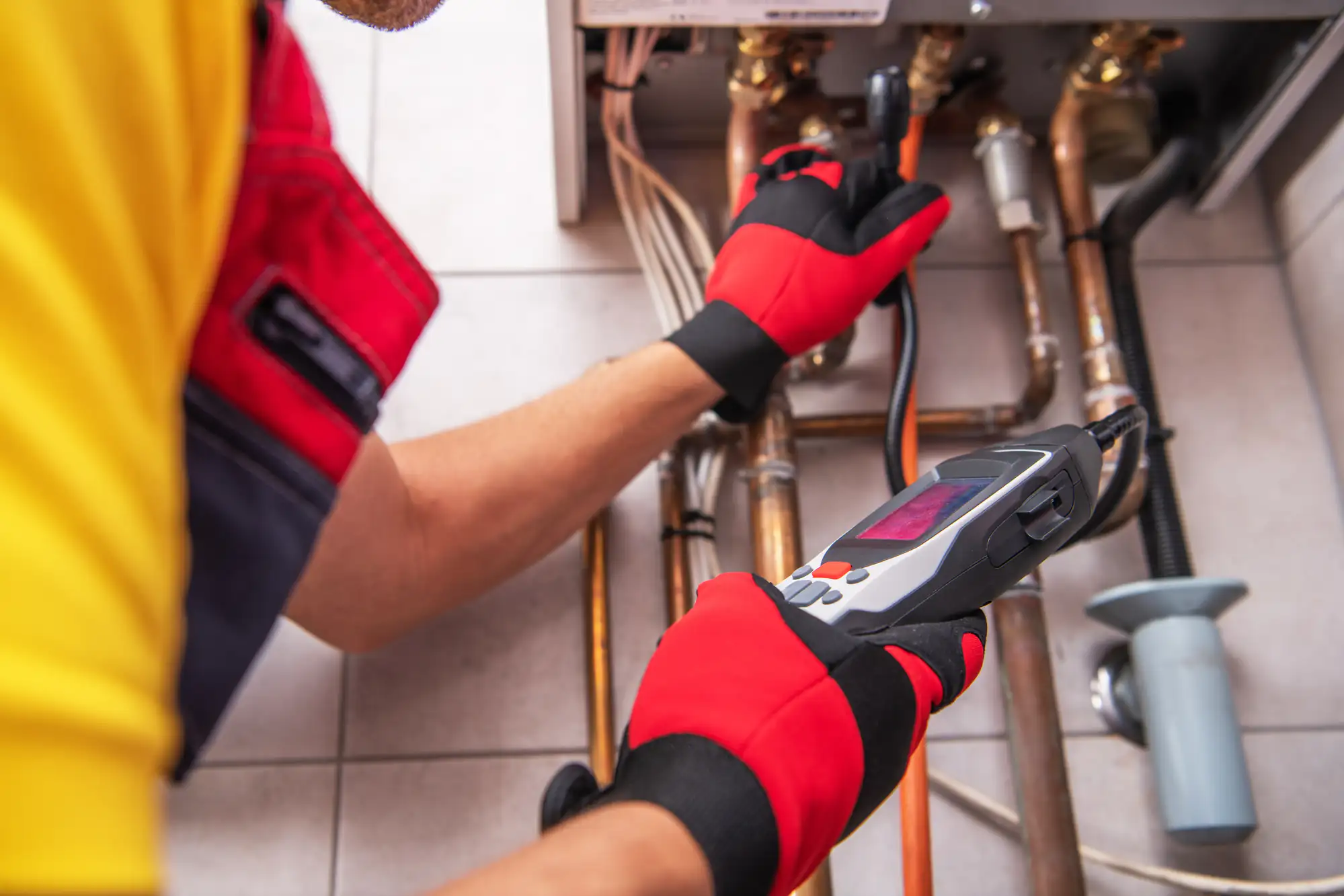
You reach out, we schedule a free estimate at a time that works for you. No pressure, no games. A technician comes out, looks at your current system, asks about what’s not working, and actually listens to your answers.
We assess your home’s specific needs. Square footage, insulation, ductwork condition, proximity to the water. Then we explain what you actually need, what it’ll cost, and why. If it’s a repair, we tell you if it makes sense or if you’re throwing money at a system that’s done.
For installations, we size equipment properly for Long Island’s climate. We don’t just swap boxes. We make sure your new furnace, air conditioner, or heat pump can handle the humidity, the salt air, and the temperature swings. Installation happens on schedule. We test everything. Show you how it works. And we’re a phone call away if anything comes up.
Ready to get started?
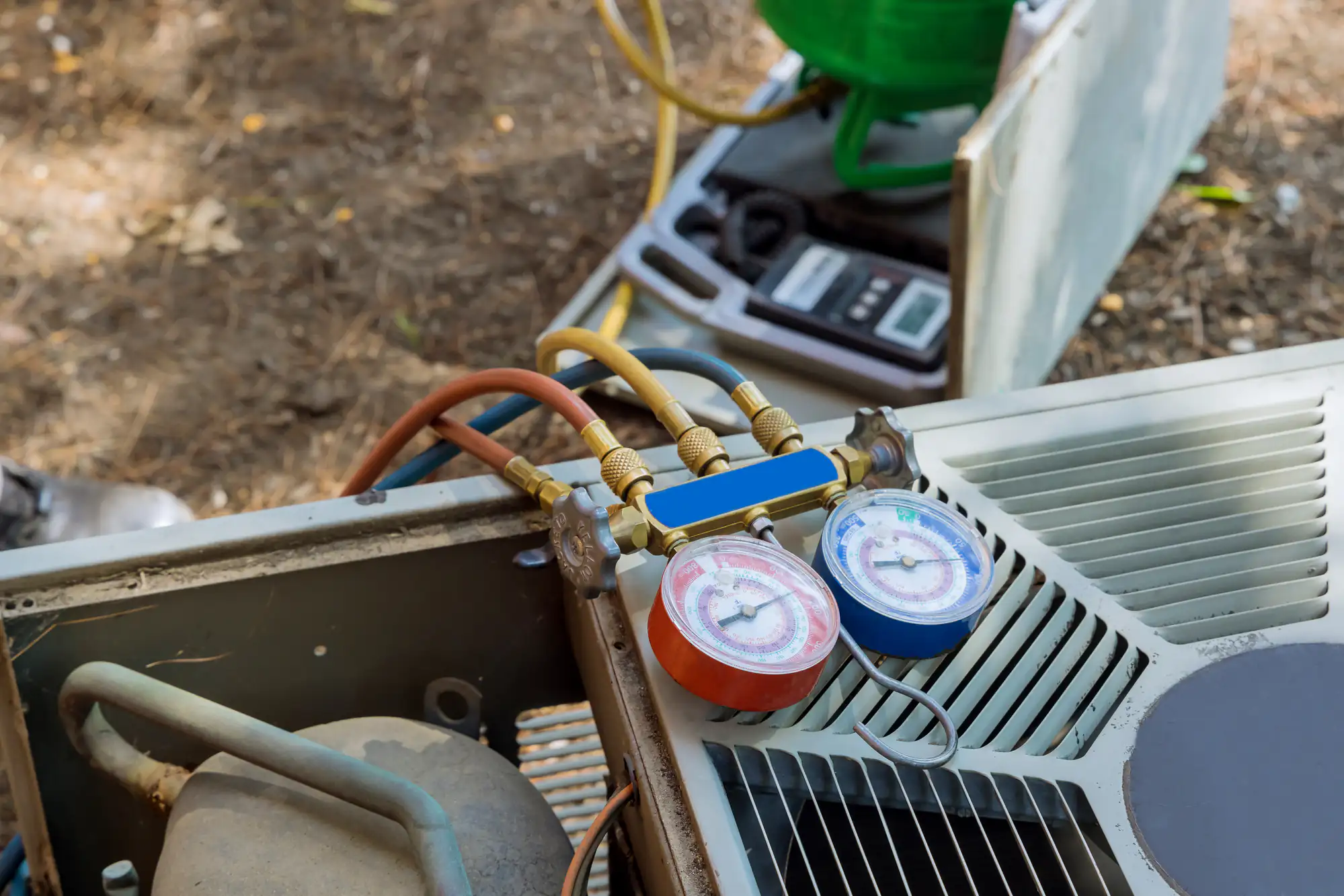
Air conditioning repair when your system stops cooling or starts making sounds it shouldn’t. We handle refrigerant leaks, compressor failures, and the corrosion issues salt air causes. Emergency service available 24/7 because August heat doesn’t care about your schedule.
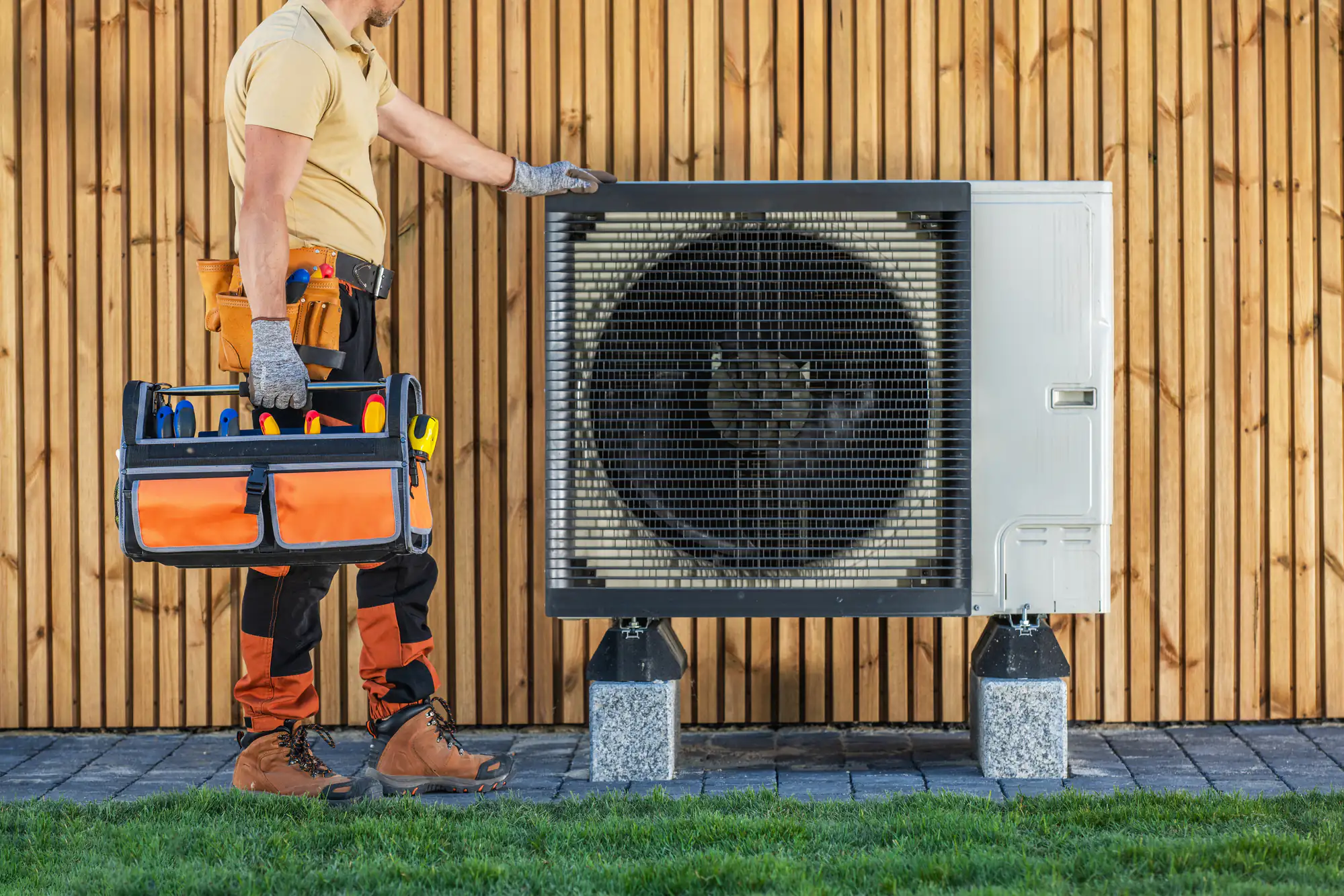
Furnace installation and heating system maintenance designed for Long Island winters. Whether you’re upgrading to a high-efficiency furnace or switching to a heat pump, we size it right and install it to last. Heat pumps are becoming the standard in New York, and they can cut your heating costs significantly when installed properly.
HVAC replacement for systems that are past their useful life. If your equipment is over 15 years old, struggling to keep up, or costing more to repair than it’s worth, we’ll walk you through your options. Modern systems are dramatically more efficient, and with federal tax credits available through 2025, the timing might be better than you think.
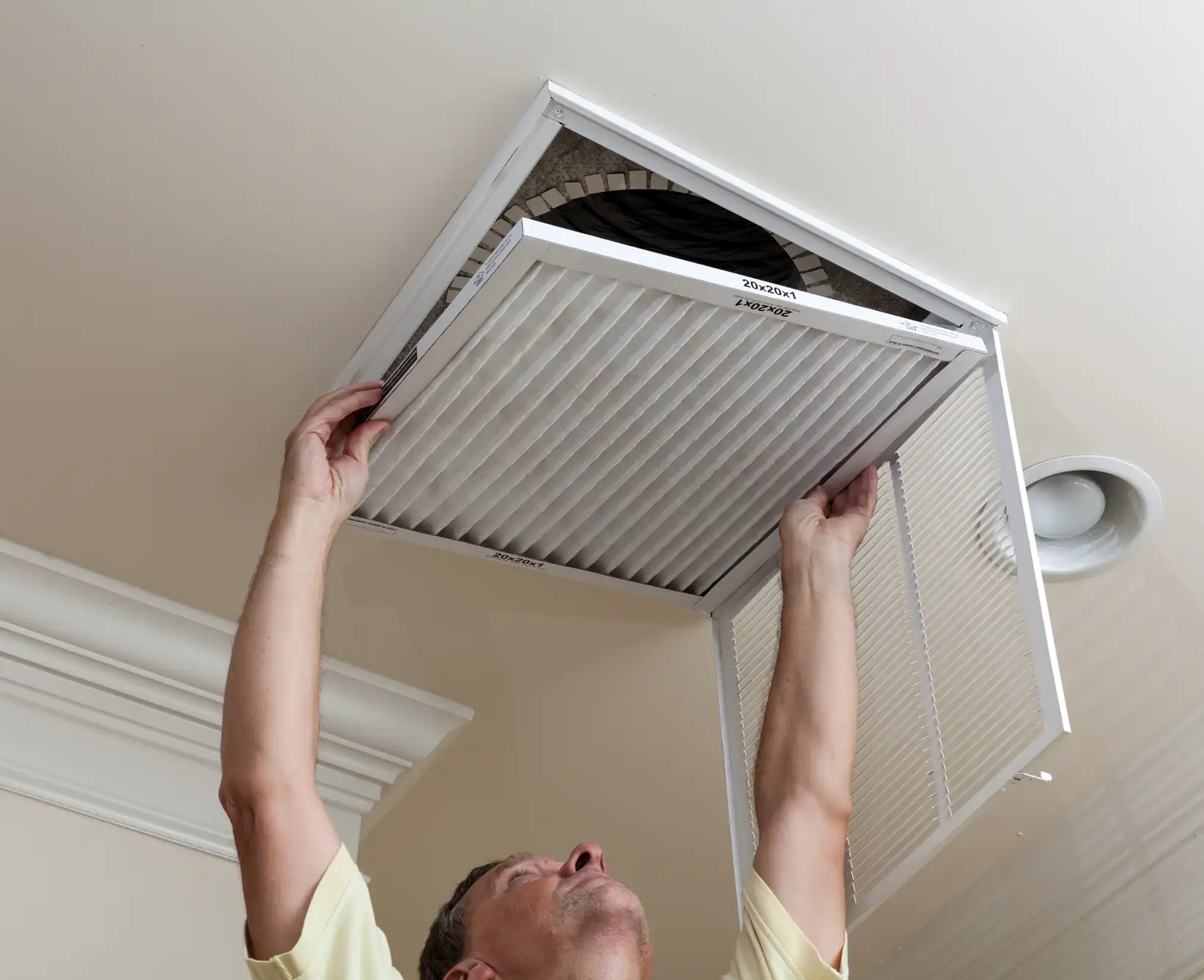
Indoor air quality solutions that actually make a difference. Whole-home air purifiers, proper filtration, and humidity control. Long Island’s coastal air brings pollen, salt, and moisture into your home. The right setup captures what you don’t want to breathe and keeps humidity where it should be.
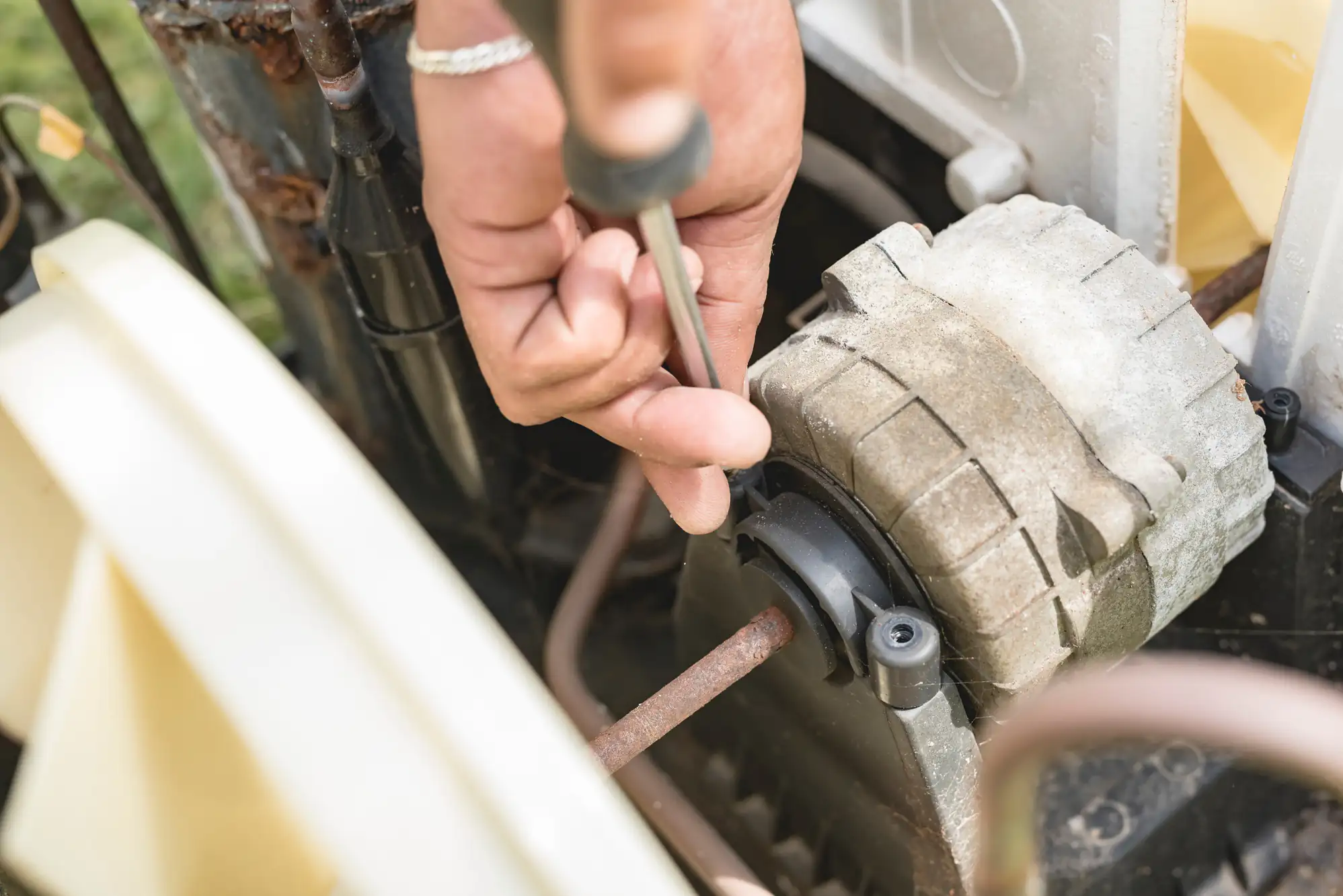
Salt air accelerates corrosion on your outdoor condenser unit. Salt crystals settle between the aluminum fins, triggering galvanic corrosion that decreases the heat exchange surface area. Your system has to work harder to do the same job, which drives up energy costs and shortens equipment life.
This isn’t theoretical. If you live within a few miles of the Sound or the Atlantic, your condenser is under constant attack. Standard maintenance doesn’t address this. You need technicians who know to neutralize salt deposits during service calls and who can recommend protective measures for coastal installations.
The closer you are to the water, the more aggressive your maintenance schedule needs to be. Twice-yearly service isn’t overkill when salt air is involved. It’s the difference between a system that lasts 10 years and one that makes it to 15 or 20.
It depends on your home’s square footage, insulation quality, window efficiency, ductwork condition, and how close you are to the water. Not on some generic calculation a salesperson pulls from a chart.
Oversized systems cycle on and off too frequently, which means they never run long enough to dehumidify properly. You get temperature swings and that clammy feeling even when the thermostat says it’s 72 degrees. Undersized systems run constantly, wear out faster, and can’t keep up on the hottest or coldest days.
Proper sizing requires a load calculation that accounts for Long Island’s specific climate. High humidity increases your cooling load. Coastal exposure affects infiltration rates. Older homes in Nassau County often have ductwork issues that impact system performance. A qualified technician measures, calculates, and sizes equipment for your actual conditions, not industry averages from somewhere else.
If your furnace is under 10 years old and the repair costs less than a third of replacement, repair usually makes sense. If it’s over 15 years old, needs a major component like a heat exchanger, or has needed multiple repairs in the past two years, replacement is probably smarter.
Here’s the math nobody talks about. Older furnaces operate at 60-70% efficiency. Modern high-efficiency furnaces hit 95%+ AFUE ratings. Heat pumps can reduce your heating electricity use by up to 75% compared to electric furnaces. Those efficiency gains add up to real money every month, and federal tax credits through 2025 can cover 30% of your heat pump cost up to $2,000.
HVAC equipment prices keep climbing. Global supply issues and local economic factors aren’t going away. If your system is on its last legs, replacing it now locks in today’s pricing and avoids an emergency replacement in January when you have no heat and no negotiating power.
Twice a year minimum. Spring for your air conditioning before cooling season starts, fall for your heating system before you need it. If you’re within three miles of the coast, consider adding a mid-summer condenser cleaning to address salt buildup.
Maintenance isn’t just changing filters. It’s checking refrigerant levels, cleaning coils, testing electrical connections, inspecting ductwork for leaks, and catching small problems before they become expensive failures. Salt air and humidity make Long Island harder on HVAC equipment than most climates.
A well-maintained system lasts 15-20 years. A neglected one struggles past 10. Maintenance costs a few hundred dollars a year. Emergency repairs and premature replacement cost thousands. The homeowners who never have HVAC emergencies are the ones who schedule service before they need it.
First, make sure your air conditioner is sized correctly and running properly. AC units dehumidify as they cool, but only if they run long enough. Oversized systems that short-cycle never pull enough moisture out of the air.
Second, check that your system is actually draining condensate. If the drain line is clogged, moisture backs up and your indoor humidity stays high even when the AC runs. This is common in coastal areas where algae grows faster in drain pans.
Third, consider a whole-home dehumidifier if your AC alone can’t keep up. Long Island’s coastal climate can shift humidity rapidly, especially in homes near bays or lagoons. A dedicated dehumidifier works independently of your cooling system and gives you precise control. Some homeowners also benefit from improved ventilation and air sealing, particularly in older Nassau County homes where infiltration brings humid outdoor air inside.
Yes. 24/7, including weekends and holidays. HVAC emergencies don’t wait for Monday morning, and neither do we.
When your heat goes out in January or your AC dies during a July heat wave, you need someone who answers the phone and actually shows up. We’ve been doing this for over 40 years. We know what a real emergency looks like, and we respond accordingly.
Emergency service costs more than scheduled appointments because you’re paying for immediate availability and after-hours response. But it’s a fraction of what you’d pay for a hotel, spoiled food, or frozen pipes. We give you transparent pricing before we start work, even at 2 a.m. No surprises, no inflated emergency rates that triple the normal cost. Just honest pricing for the service you need when you need it.