
Hear from Our Customers
Your system either works when you need it, or it doesn’t. When your furnace quits the night before a snowstorm or your AC dies during a July heatwave, you don’t have time for callbacks and missed appointments.
You need someone who shows up, diagnoses the problem fast, and fixes it right the first time. That’s what matters—not how long someone’s been in business or how many trucks they have.
With proper maintenance and the right equipment, your energy bills drop. Your indoor air quality improves. And those 2 a.m. panic calls about frozen pipes or sweltering bedrooms? They stop happening. You get a system that runs quietly in the background while you focus on everything else. That’s the outcome we’re after—your home working the way it should, without you thinking about it.
We’ve been handling heating and cooling across Nassau County since the early 1980s. We’ve seen every type of system, every brand, and every problem that Long Island’s coastal climate can throw at residential HVAC equipment.
Our technicians are licensed, insured, and actually answer the phone when you call—even at 3 a.m. We carry parts for major brands on every truck, which is why about 70% of our emergency calls get resolved the same day.
Searingtown homeowners deal with humidity from the coast, salt air that corrodes outdoor units, and temperature swings that stress compressors. We’ve been working in these conditions for over 40 years. We know what fails first, what lasts, and what’s worth your money. You’re not getting a sales pitch from us—you’re getting straight answers from people who’ve done this work long enough to know the difference.
First, you talk to a real person—not a voicemail system. We ask what’s going on with your heating or cooling, and if it’s an emergency, we dispatch a technician within two hours.
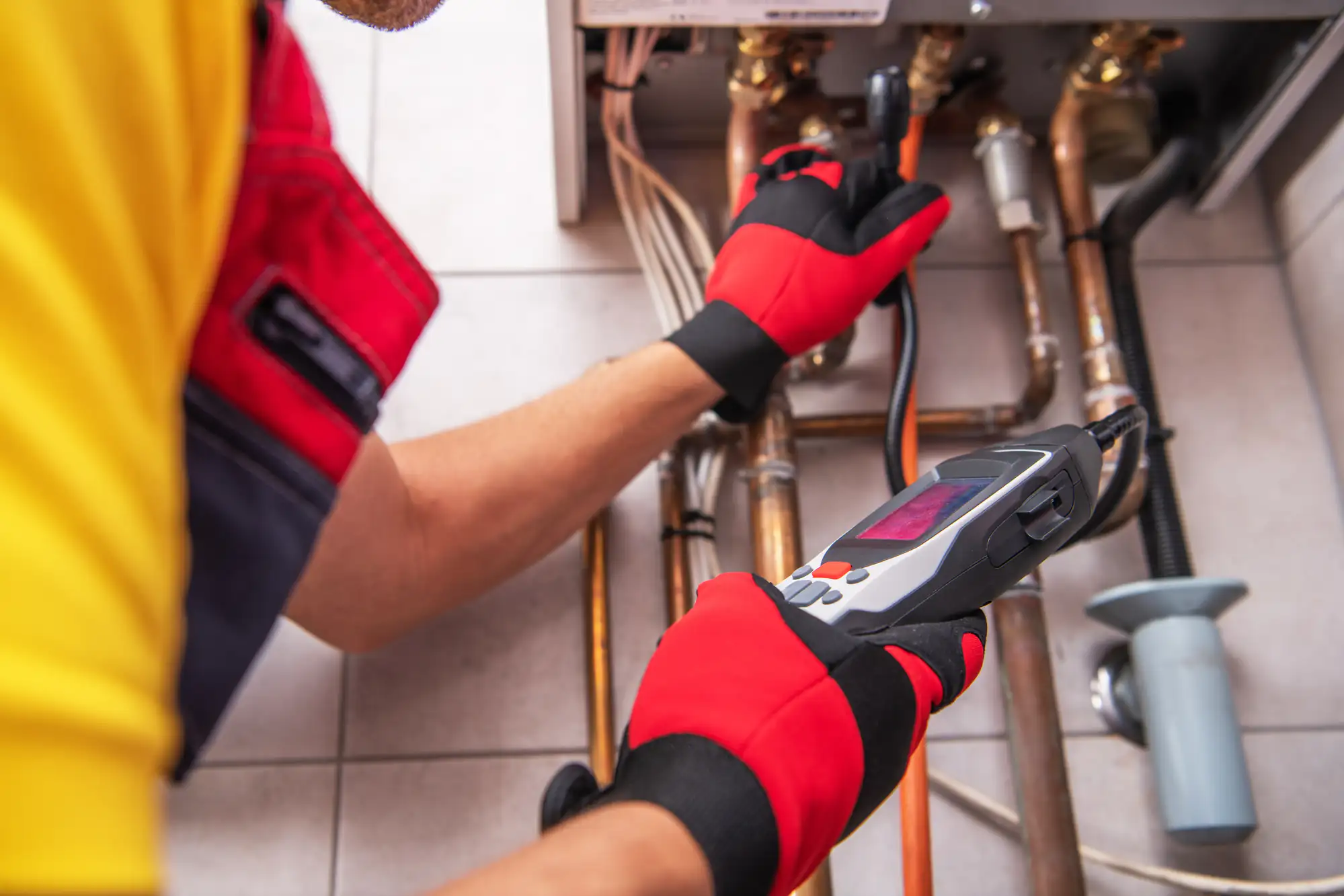
When we arrive, we diagnose the issue and explain what’s wrong in plain language. No jargon, no upselling. If it’s a simple fix, we handle it on the spot. If you need a part, we check our truck inventory first—most of the time, we have what we need to finish the job that day.
For installations or replacements, we walk you through your options based on your home’s size, your budget, and Long Island’s climate. We don’t push the most expensive system. We recommend what actually makes sense for your situation. Then we install it correctly, test everything, and make sure you understand how to use it. After that, we’re available 24/7 if anything comes up. You’ll have our number, and someone will always pick up.
Ready to get started?
You get air conditioning repair when your AC stops cooling or starts leaking. Furnace installation when your heating system is past its lifespan—most units last 15 to 20 years, and if yours is from the mid-2000s, you’re on borrowed time. Heating system maintenance to catch small problems before they become expensive emergencies, which can prevent up to 95% of breakdowns.
We handle HVAC replacement when repair costs don’t make financial sense anymore. And if you’re dealing with poor indoor air quality—dust, humidity, strange odors, or uneven temperatures—we address that too.
Searingtown homes face specific challenges. Salt air from the coast corrodes outdoor condenser units faster than inland properties. Humidity affects system efficiency and can lead to mold growth if your HVAC isn’t managing moisture properly. And when summer heat stresses your compressor or winter cold pushes your furnace to its limit, you need equipment that’s been maintained and installed correctly. We’ve been doing this work across Nassau County for over four decades. We know what holds up here and what doesn’t. You’re not getting a one-size-fits-all approach—you’re getting recommendations based on your home, your location, and what actually works on Long Island.
If you’re replacing an older system with an ENERGY STAR certified unit, you’re looking at potential savings up to $8,750 over the system’s lifetime. That’s not a marketing number—that’s based on reduced energy consumption because newer systems run more efficiently.
Your heating and cooling account for about 43% of your home’s total energy use. If your current system is 10 to 15 years old, it’s working harder and costing more to deliver the same comfort. Modern heat pumps, for example, can reduce heating electricity use by up to 75% compared to older furnaces.
There are also federal tax credits available—up to $2,000 for qualifying systems installed in 2026. Combined with lower monthly utility bills, the payback period is usually shorter than most homeowners expect. We’ll run the numbers with you based on your current system and what you’re paying now, so you can see exactly what the upgrade means for your budget.
If your system is over 15 years old and the repair costs more than half the price of a new unit, replacement makes more financial sense. You’re not just avoiding one repair—you’re avoiding the next three or four that are likely coming.
Older systems also use outdated refrigerants. Starting in 2026, new regulations require lower GWP refrigerants like R-32 and R-454B instead of R-410A. If your system uses an even older refrigerant, parts and service are getting harder to find and more expensive.
Another factor is efficiency. If your energy bills have been creeping up even though your usage hasn’t changed, your system is losing efficiency. At a certain point, you’re paying more to run an old system than you’d pay in monthly financing for a new one. We’ll give you an honest assessment. If a repair buys you another five years, we’ll tell you. If you’re throwing money at a system that’s going to fail again in six months, we’ll tell you that too.
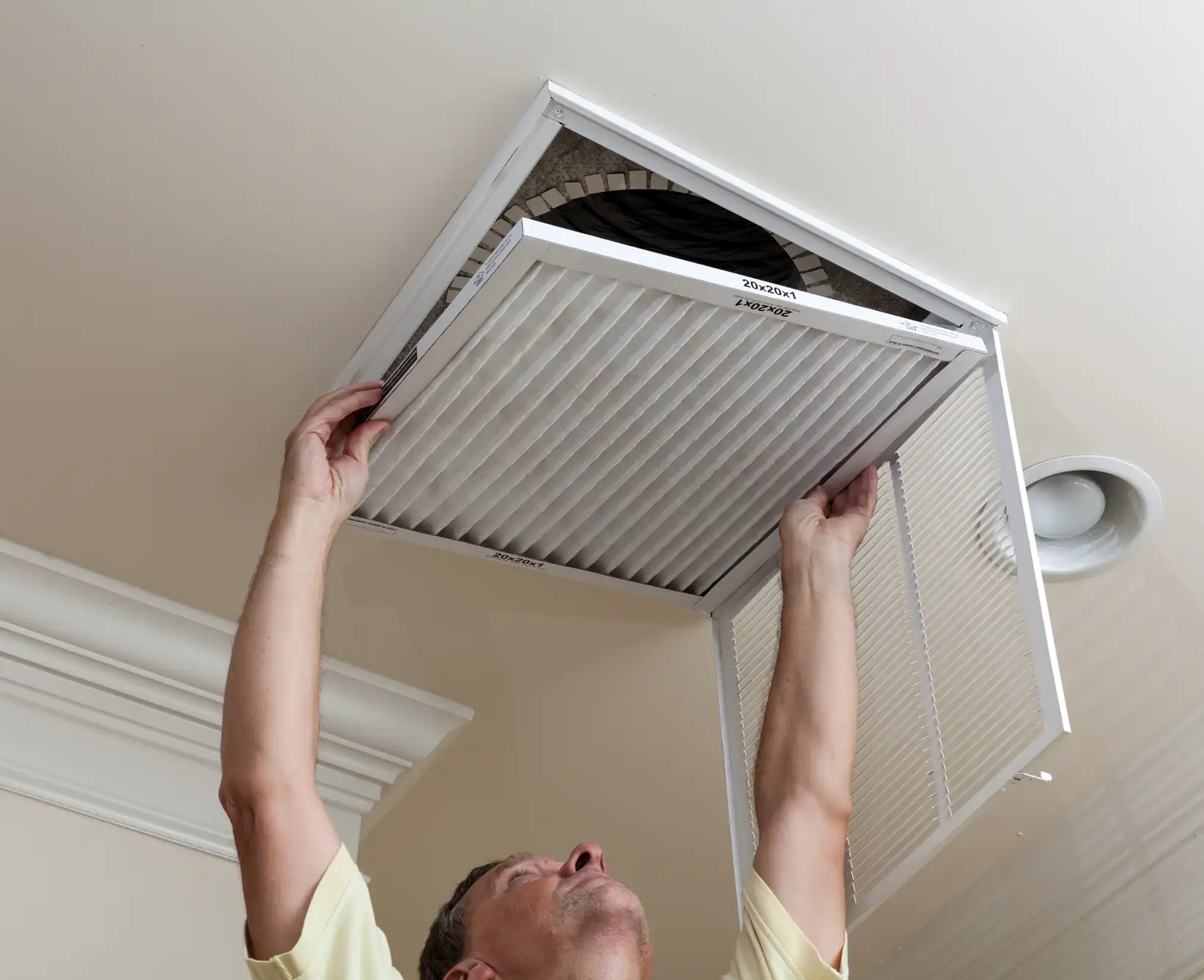
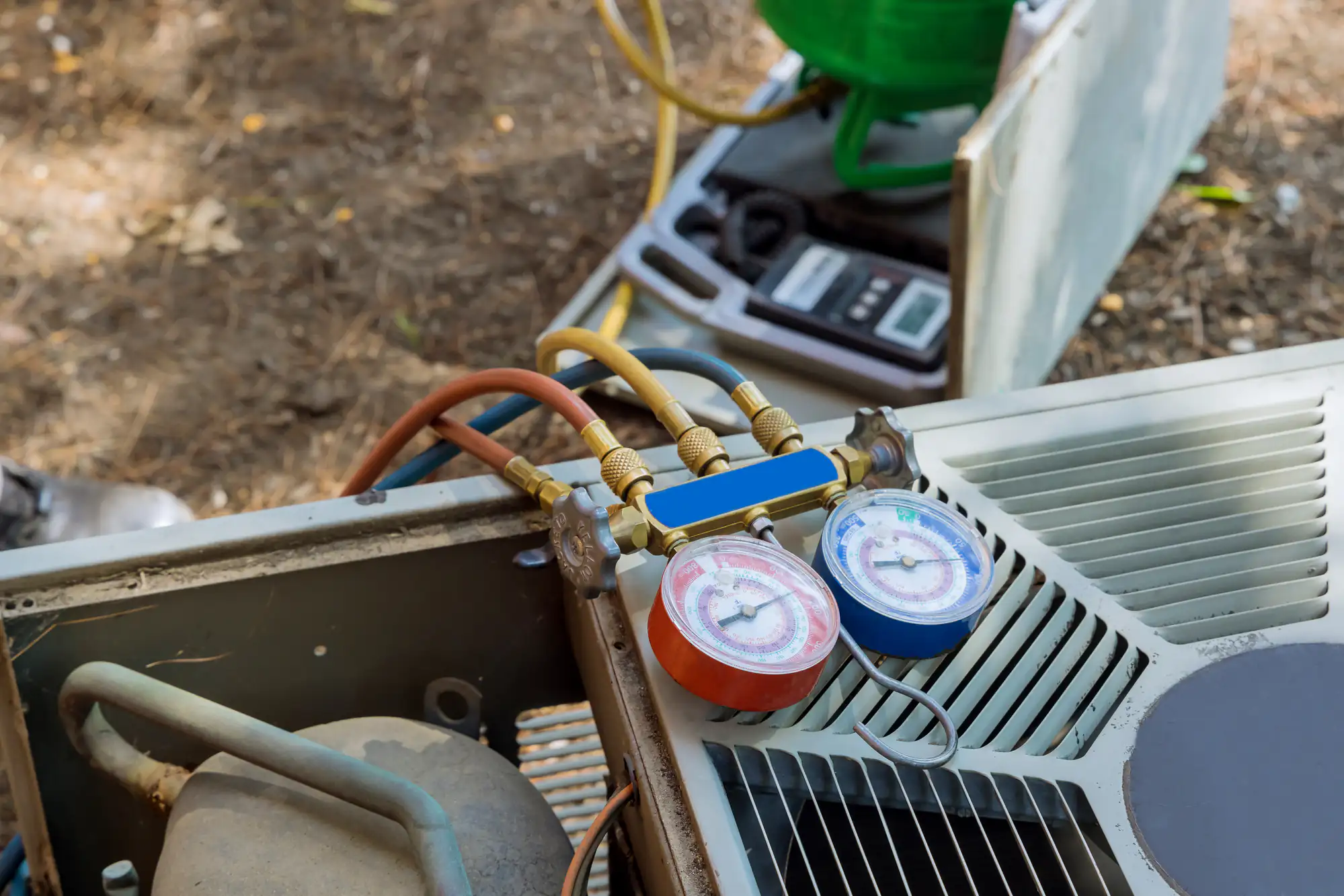
Annual maintenance means we inspect, clean, and tune your system before heating or cooling season starts. For your furnace, that includes checking the heat exchanger for cracks, testing the ignition system, inspecting the blower motor, and making sure your vents aren’t blocked. For your AC, we check refrigerant levels, clean the condenser coils, test the compressor, and inspect the drain line for clogs.
Is it necessary? If you want your system to last its full lifespan and avoid breakdowns, yes. Maintenance catches small issues—like a worn belt or a dirty filter—before they cause your system to fail completely. It also keeps your system running efficiently, which lowers your energy bills.
Most manufacturers require annual maintenance to keep your warranty valid. If you skip it and something breaks, you might be paying out of pocket for a repair that would’ve been covered. We offer maintenance contracts that include priority service and discounted repair rates, so if something does go wrong, you’re not waiting in line behind everyone else.
Long Island’s coastal humidity and summer heat put more stress on air conditioning systems than most people realize. Your AC isn’t just cooling air—it’s removing moisture. When humidity is high, your system has to work harder to dehumidify, which means it runs longer and uses more energy.
Salt air is another factor. If you’re near the water, salt corrodes the outdoor condenser unit faster. Coils get dirty, airflow decreases, and efficiency drops. If your system hasn’t been maintained regularly, it’s probably struggling more than it should.
Undersized systems also fail during heat waves. If your AC was installed years ago and you’ve added square footage or insulation to your home, it might not have the capacity to keep up anymore. We see this a lot in Searingtown—homeowners finish a basement or add a room, and suddenly their AC can’t handle the load. A proper load calculation tells you whether your current system is adequate or if you need an upgrade. We’ll run that assessment and give you options that actually match your home’s needs.
Real people answer our emergency line at 3 a.m., on weekends, and on holidays. If your heat goes out before a snowstorm or your AC quits during a heatwave, you’re not leaving a voicemail and waiting until Monday.
When you call, we assess whether it’s a true emergency or something that can wait until morning. If it’s urgent, we dispatch a technician within two hours. Our trucks carry extensive inventory for major brands, so most emergency repairs get finished the same day.
We’ve been doing this for over 40 years. We know that HVAC emergencies don’t happen during business hours—they happen at the worst possible time. That’s why we staff our emergency line around the clock. You’re not getting an answering service or a callback three hours later. You’re getting someone who can help you right now. If you’ve ever dealt with a company that claims 24/7 service but doesn’t actually deliver, you know how rare that is. We built our reputation on showing up when we say we will.
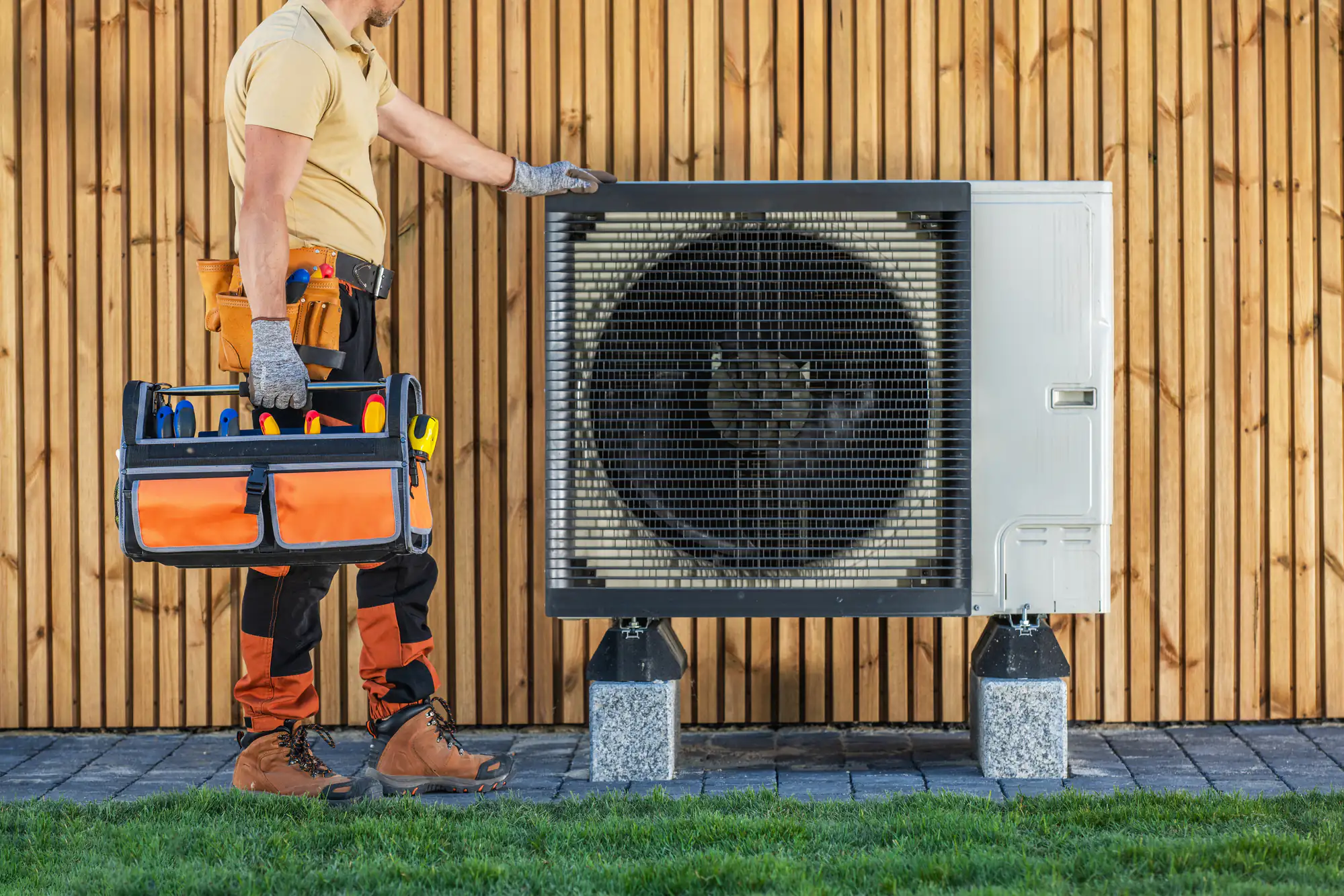
A furnace burns fuel—usually natural gas or oil—to create heat. A heat pump moves heat from one place to another using electricity. In winter, it pulls heat from outside air and transfers it inside. In summer, it reverses and works like an air conditioner.
Heat pumps are more efficient because they’re moving heat, not generating it. Modern heat pumps can reduce heating electricity use by up to 75% compared to older furnaces. They also handle both heating and cooling, so you’re maintaining one system instead of two.
The downside is that heat pumps lose efficiency when outdoor temperatures drop below freezing. In Searingtown, where winters can get cold, some homeowners pair a heat pump with a backup heating source for extreme cold snaps. That said, newer cold-climate heat pumps perform better in low temperatures than older models. We’ll look at your home’s heating load, your current energy costs, and your budget to recommend what makes sense. If a heat pump saves you money and keeps you comfortable year-round, we’ll tell you. If a high-efficiency furnace is a better fit, we’ll tell you that instead.