Hear from Our Customers
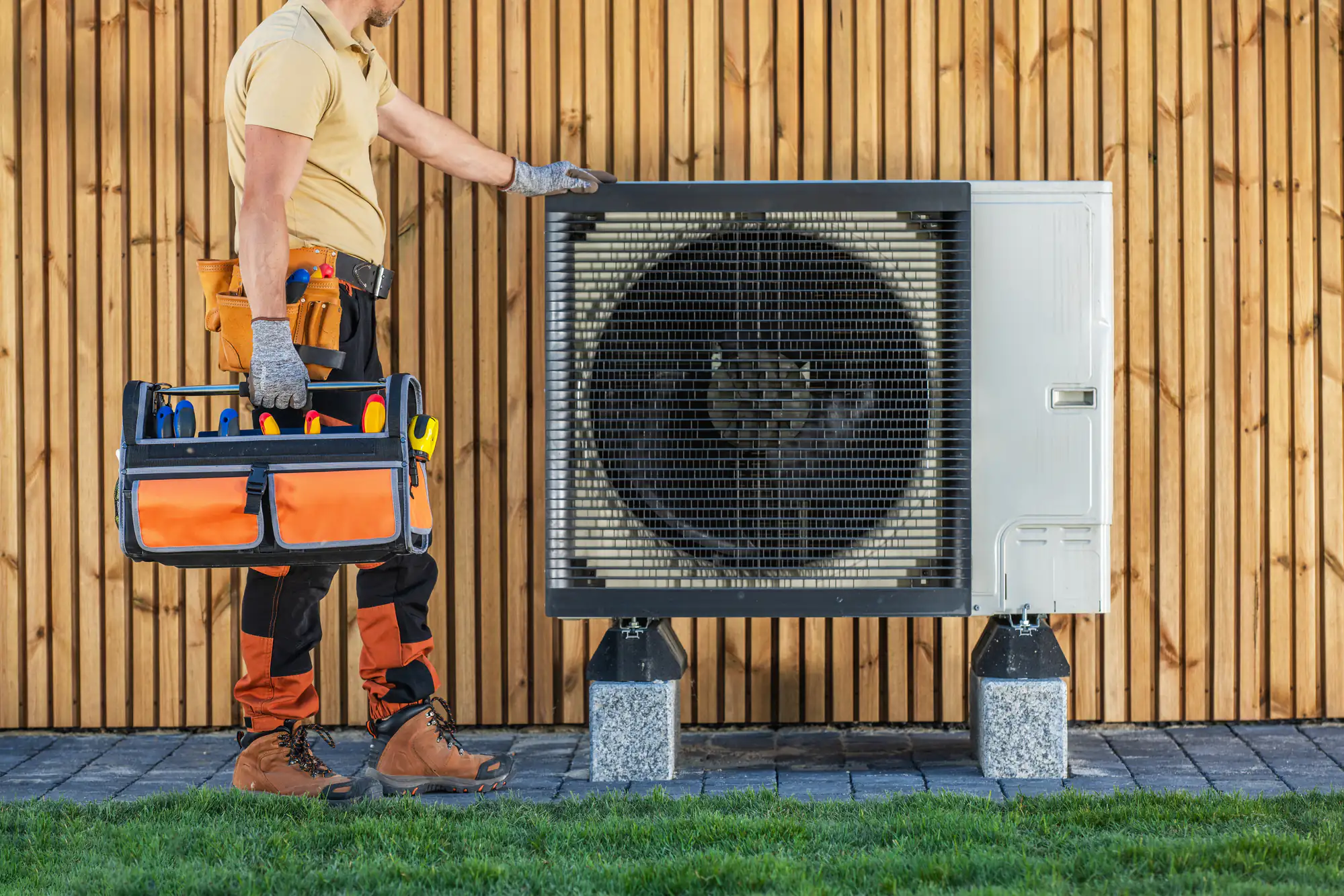
Your energy bill drops because the system isn’t fighting itself to keep up. You’re not adjusting the thermostat every two hours hoping something changes. And when something does go wrong, you’re not scrambling through Google at midnight trying to find someone who’ll actually answer.
Most homeowners in Shirley deal with Long Island’s humid summers and freezing winters, which means your HVAC system works harder than systems in most other climates. If it’s older than 10 years or hasn’t been maintained regularly, it’s probably costing you 20 to 50 percent more in energy than it should.
A reliable system means consistent temperatures in every room. It means your air quality improves because the filters and ducts are actually doing their job. And it means you’re not dealing with that anxiety every time you hear a strange noise from the basement.
We’ve been handling commercial refrigeration and marine HVAC since before most residential contractors were in business. We’ve worked on airport systems, walk-in coolers for restaurants, and marine air conditioning on boats—systems that can’t afford to fail and require a level of precision most HVAC companies never touch.
That background means when we show up to your home in Shirley, we’re not guessing. We’ve seen the failures, the shortcuts other installers take, and the problems that show up three years later when it’s too late to fix cheaply.
We’re licensed, insured, and available 24/7 for consulting and emergency calls. We give free estimates because we’d rather you know what you’re paying before we start. And we’ve earned dozens of five-star reviews by being straight with people about what they actually need.
First, we pick up the phone. If it’s an emergency, we’re typically on-site within a few hours depending on where you are in Shirley. If it’s a scheduled appointment for maintenance, replacement, or installation, we show up on time.
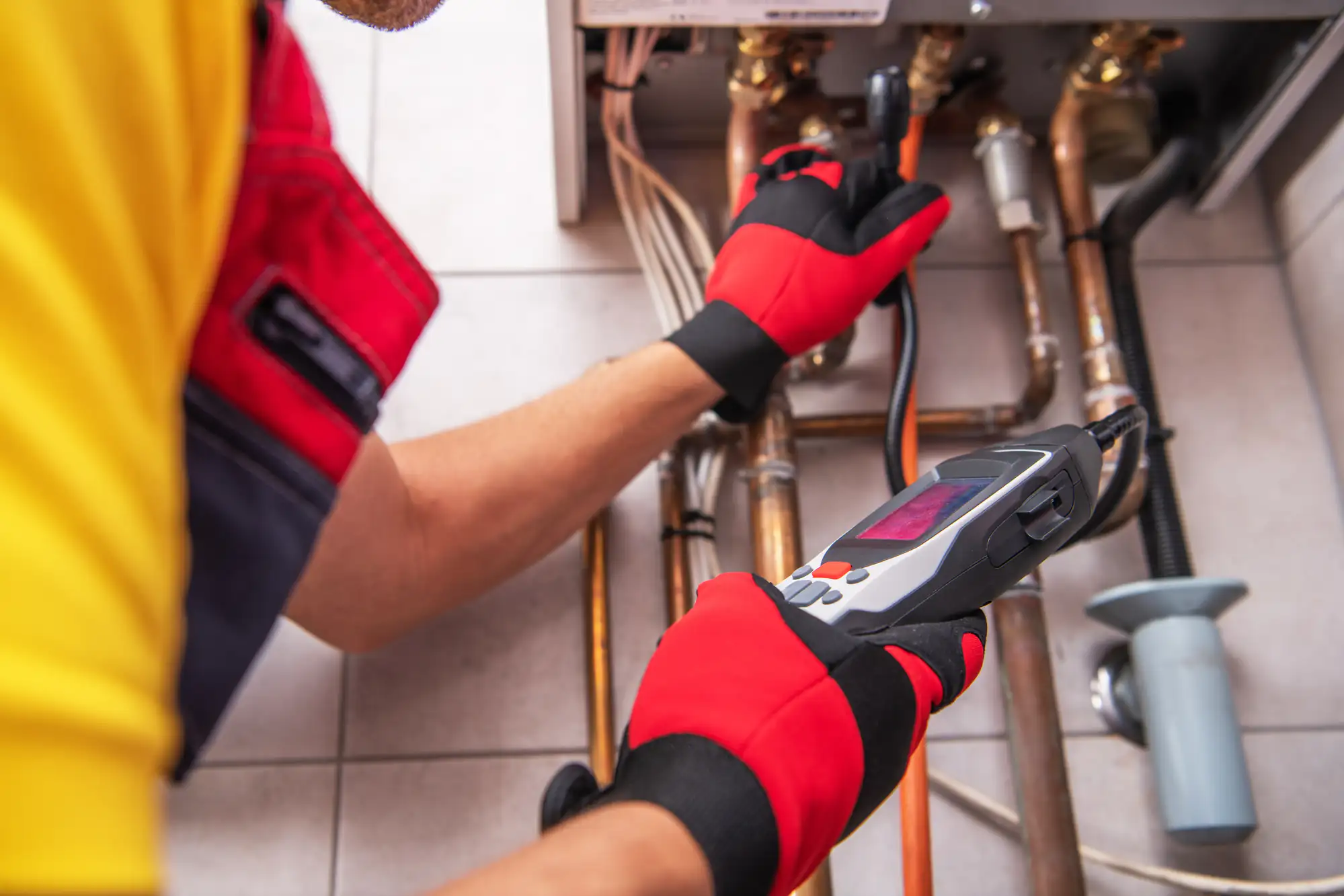
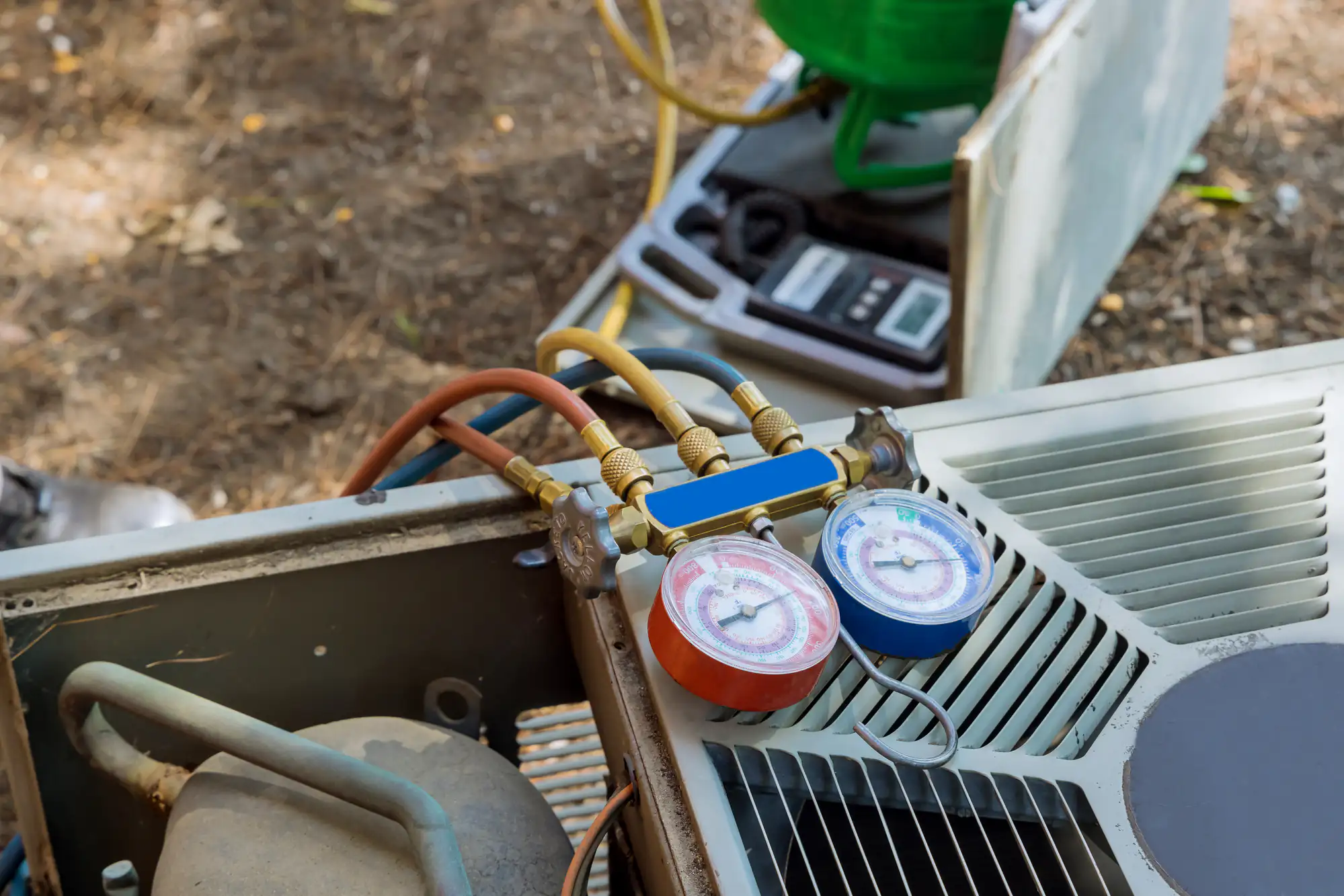
We assess the system—not just the obvious problem, but what’s causing it. A refrigerant leak isn’t always about the refrigerant. A furnace that won’t ignite could be the ignitor, the gas valve, the thermostat, or the circuit board. We don’t guess. We test, diagnose, and explain what we found in plain terms.
Then we give you options. If it’s a repair, we tell you what it costs and how long it’ll last. If it’s a replacement, we walk through what makes sense for your home, your budget, and your long-term costs. We don’t upsell. We also don’t install something that’ll fail in five years just because it’s cheaper now.
Once you approve the work, we handle it start to finish. For installations, that includes load calculations, ductwork inspection, proper sizing, and setting up your new system so it actually performs the way it’s supposed to. For repairs, we fix it right and test it before we leave.
Ready to get started?
We handle everything from air conditioning repair and furnace installation to heating system maintenance, HVAC replacement, and indoor air quality improvements. That includes emergency breakdowns, seasonal tune-ups, full system changeouts, ductwork repairs, thermostat upgrades, and air filtration.
In Shirley and across Long Island, humidity is a bigger problem than most people realize. Your AC has to dehumidify before it can cool, which means if your system is undersized or failing, you’ll feel sticky even when the thermostat says 72. We size systems correctly and check airflow, refrigerant levels, and drainage so your system can actually do both jobs.
Furnace installation and heating system maintenance matter just as much. A furnace that’s not burning cleanly or venting properly isn’t just inefficient—it’s dangerous. We inspect heat exchangers, test for carbon monoxide, and make sure your system is safe before winter hits.
HVAC replacement is where most homeowners get burned by bad advice. We don’t just swap the old unit for a new one. We calculate your actual heating and cooling load, check your ductwork for leaks, and recommend systems that match your home’s size and insulation. Energy-efficient systems can cut your heating and cooling costs by 20 to 50 percent, but only if they’re installed right.
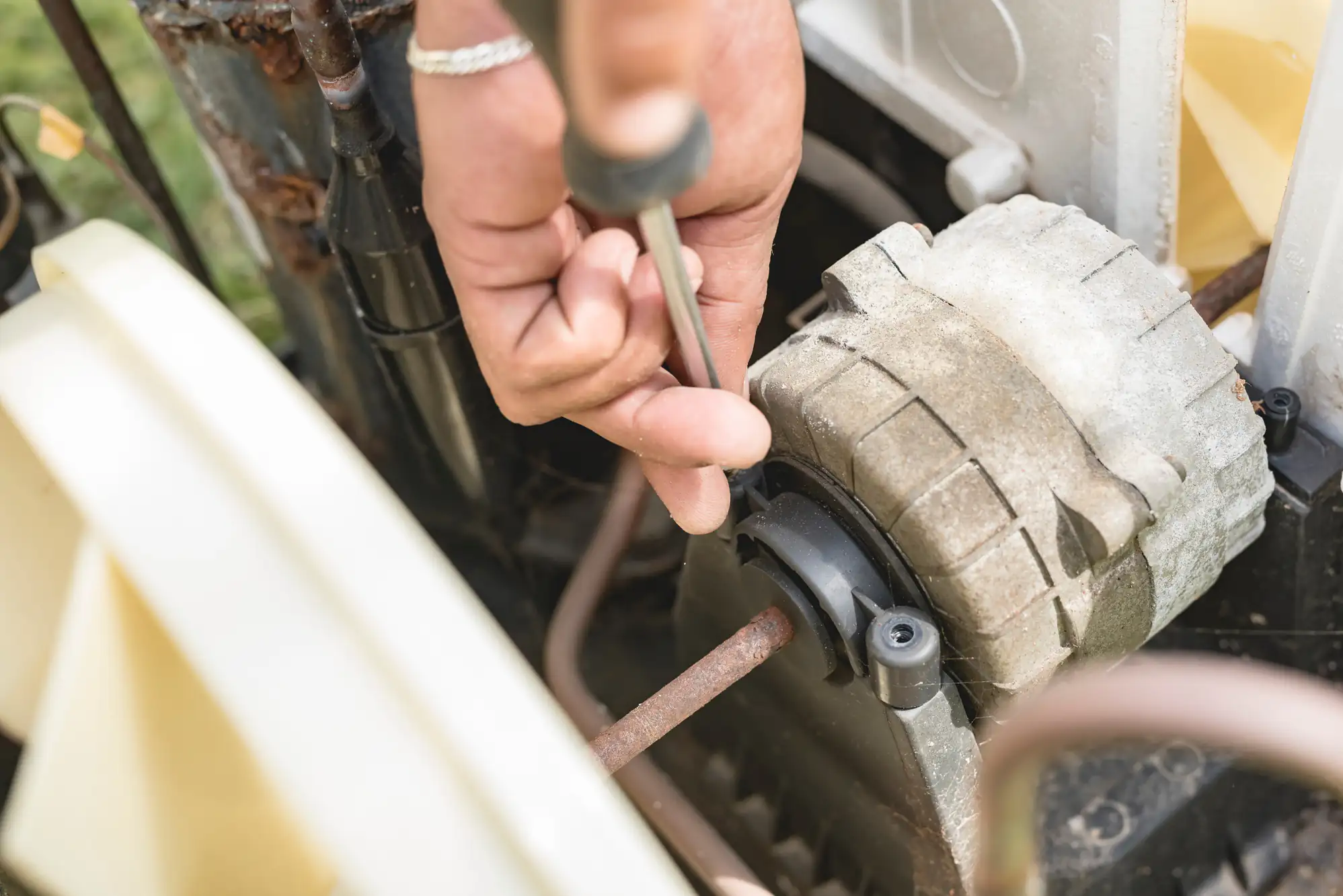
If your system fails and it’s an emergency—no heat in winter, no AC in summer—we typically respond within a few hours depending on your location in Shirley. We’re available 24/7 for consulting, and we prioritize calls where safety or extreme discomfort is involved.
Most HVAC companies don’t answer after hours, or they’ll schedule you three days out. We know that when your AC dies in 95-degree heat or your furnace quits when it’s 20 degrees outside, waiting isn’t an option. Your family’s comfort and safety matter, and we treat emergency calls that way.
We keep common parts on our trucks so we can handle most repairs on the first visit. If it’s something more complex or requires ordering a part, we’ll let you know upfront and give you a realistic timeline.
It depends on the age of your system, the repair needed, and how much life is left. If your system is under 10 years old and the repair costs less than half of a replacement, fixing it usually makes sense. If it’s over 15 years old and needs a major repair—compressor, heat exchanger, or evaporator coil—replacement is almost always the smarter move.
Here’s why: older systems are far less efficient, so even if the repair is cheaper now, you’re losing money every month on your energy bill. A 20-year-old AC might cost you 40 to 50 percent more to run than a new energy-efficient model. Over two or three years, that adds up to more than the cost of replacement.
We’ll walk you through both options with real numbers. We’re not going to tell you to replace a system that has good years left, and we’re not going to patch something that’ll fail again in six months. We’d rather you make the decision based on facts, not pressure.
Most systems are either oversized or undersized because the installer didn’t do a proper load calculation. An oversized system cycles on and off too quickly, which means it never dehumidifies properly and wears out faster. An undersized system runs constantly, can’t keep up on extreme days, and drives your energy bill through the roof.
The right size depends on your home’s square footage, insulation, window placement, ductwork, and how much heat your home gains or loses. We use Manual J load calculations—the industry standard—to figure out exactly what your home needs. It’s not a guess based on square footage alone.
In Shirley’s climate, sizing matters even more because of the humidity. If your system is too big, it’ll cool the air before it removes the moisture, leaving you cold and clammy. If it’s too small, it’ll struggle in July and August when humidity is highest. We make sure your system matches your home’s actual needs, not a one-size-fits-all formula.
A full residential HVAC replacement in Shirley typically ranges from $5,000 to $12,000 depending on the size of your home, the efficiency of the system, and whether your ductwork needs repairs or replacement. Higher-efficiency systems cost more upfront but can cut your energy bills by 30 to 50 percent, which pays back over time.
That price includes removing your old system, installing the new equipment, connecting it to existing ductwork (or modifying ducts if needed), setting up the thermostat, testing airflow and refrigerant levels, and making sure everything works correctly before we leave. If your ducts are leaking or poorly designed, that’ll add to the cost—but it’s also the difference between a system that works and one that wastes energy.
We give free estimates and break down exactly what you’re paying for. No hidden fees, no surprise charges after the work is done. We’d rather you know the full cost upfront so you can make a decision that fits your budget and your home’s needs.
Your HVAC system should be serviced twice a year—once in spring before cooling season, and once in fall before heating season. Regular maintenance catches small problems before they become expensive failures, keeps your system running efficiently, and extends its lifespan by several years.
During a maintenance visit, we check refrigerant levels, clean or replace filters, inspect electrical connections, test the thermostat, clean the condensate drain, check airflow, and inspect the heat exchanger or evaporator coil for wear. For furnaces, we also test for carbon monoxide and make sure the burner is firing cleanly.
Most homeowners skip maintenance because everything seems fine—until it’s not. A system that hasn’t been serviced in years works harder, costs more to run, and fails at the worst possible time. We’ve seen $150 maintenance visits prevent $2,000 emergency repairs more times than we can count. It’s the easiest way to avoid breakdowns and keep your energy bills in check.
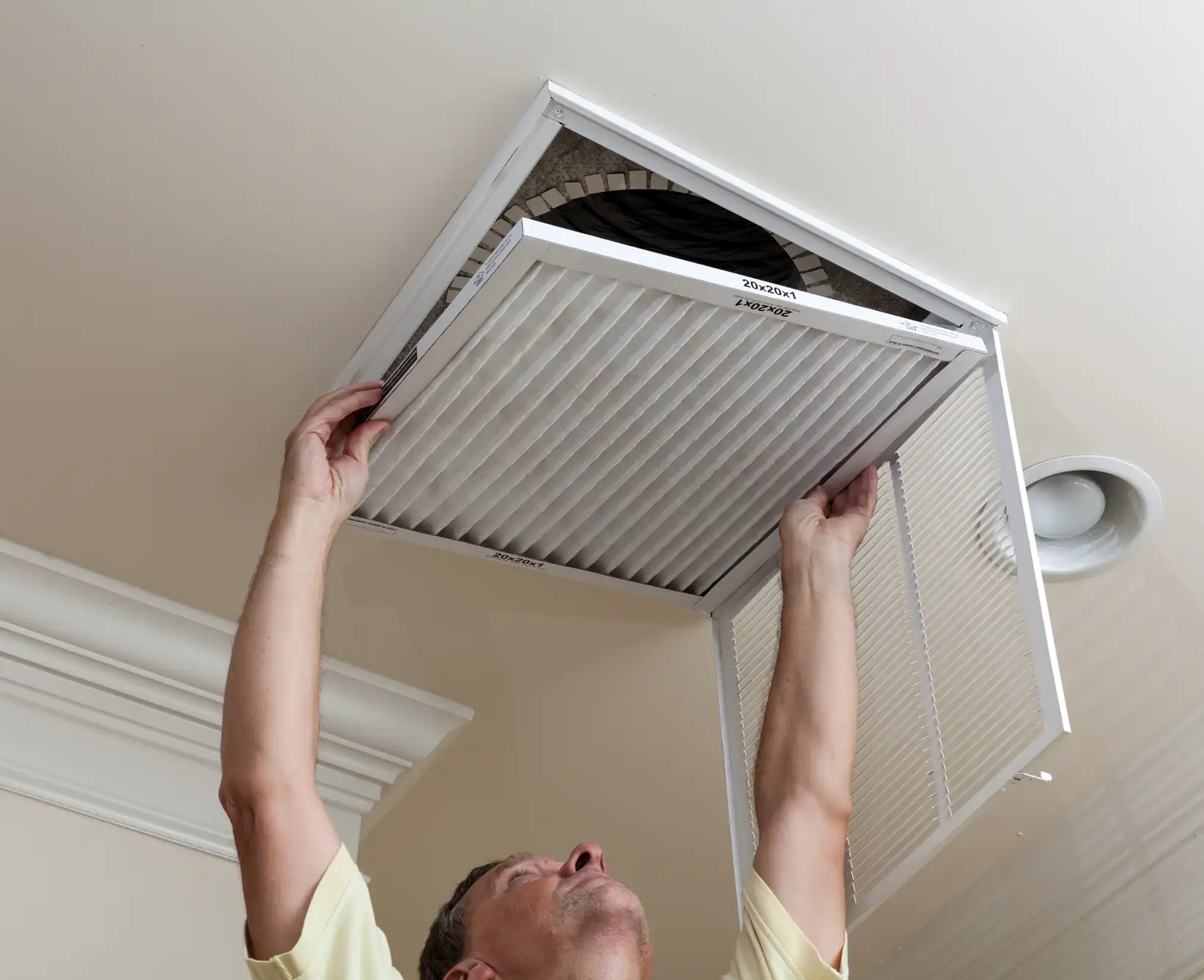
Yes. Indoor air quality is directly tied to your HVAC system because the system circulates air throughout your home. If your ducts are dirty, your filters are cheap, or your system isn’t ventilating properly, you’re breathing dust, allergens, mold spores, and whatever else is floating around.
We can install higher-grade filters, add air purifiers or UV lights to kill bacteria and mold, inspect and clean ductwork, and improve ventilation so your home isn’t just recycling stale air. In Long Island’s humid climate, controlling moisture is a big part of air quality—too much humidity leads to mold, and too little dries out your sinuses and skin.
If anyone in your home has allergies, asthma, or respiratory issues, improving air quality makes a noticeable difference. We’ll assess your current system, explain what’s affecting your air quality, and recommend solutions that actually work without overselling equipment you don’t need.