Hear from Our Customers
You shouldn’t have to choose between comfort and cost. Most HVAC emergencies happen because a small issue got ignored or a system that should’ve been replaced years ago finally gave out.
When your heating system maintenance is handled correctly, your furnace doesn’t quit on the coldest night of the year. When your air conditioning repair is done right the first time, you’re not calling someone else two weeks later. And when your HVAC replacement is sized and installed properly, your energy bills drop instead of climbing every month.
Homes in South Valley Stream deal with humid summers that make air conditioners work overtime and winters that swing from damp coastal cold to Arctic blasts. Your system has to handle both extremes. If it’s struggling now, it’s only going to get worse when you need it most.
You get a system that keeps every room comfortable, runs efficiently, and doesn’t break down when the weather turns. That’s what happens when the work is done by people who’ve been doing this for over 40 years.
We’ve been handling HVAC work since the early 1980s. We’ve worked on everything from marine air conditioning systems to commercial refrigeration at airports and restaurants, which means residential systems are well within our wheelhouse.
Most homes in South Valley Stream were built between 1940 and 1969. That means older ductwork, outdated insulation, and systems that weren’t designed for today’s efficiency standards. You need someone who understands how these homes work and what it takes to modernize them without ripping everything apart.
We’re available 24/7 because HVAC emergencies don’t wait for business hours. You’ll get a free estimate, straight answers, and work that actually lasts. No runaround, no upselling, no disappearing after the check clears.
First, you call or contact us and describe what’s going on. If it’s an emergency, we’re there the same day. If it’s a planned installation or replacement, we schedule a time that works for you.
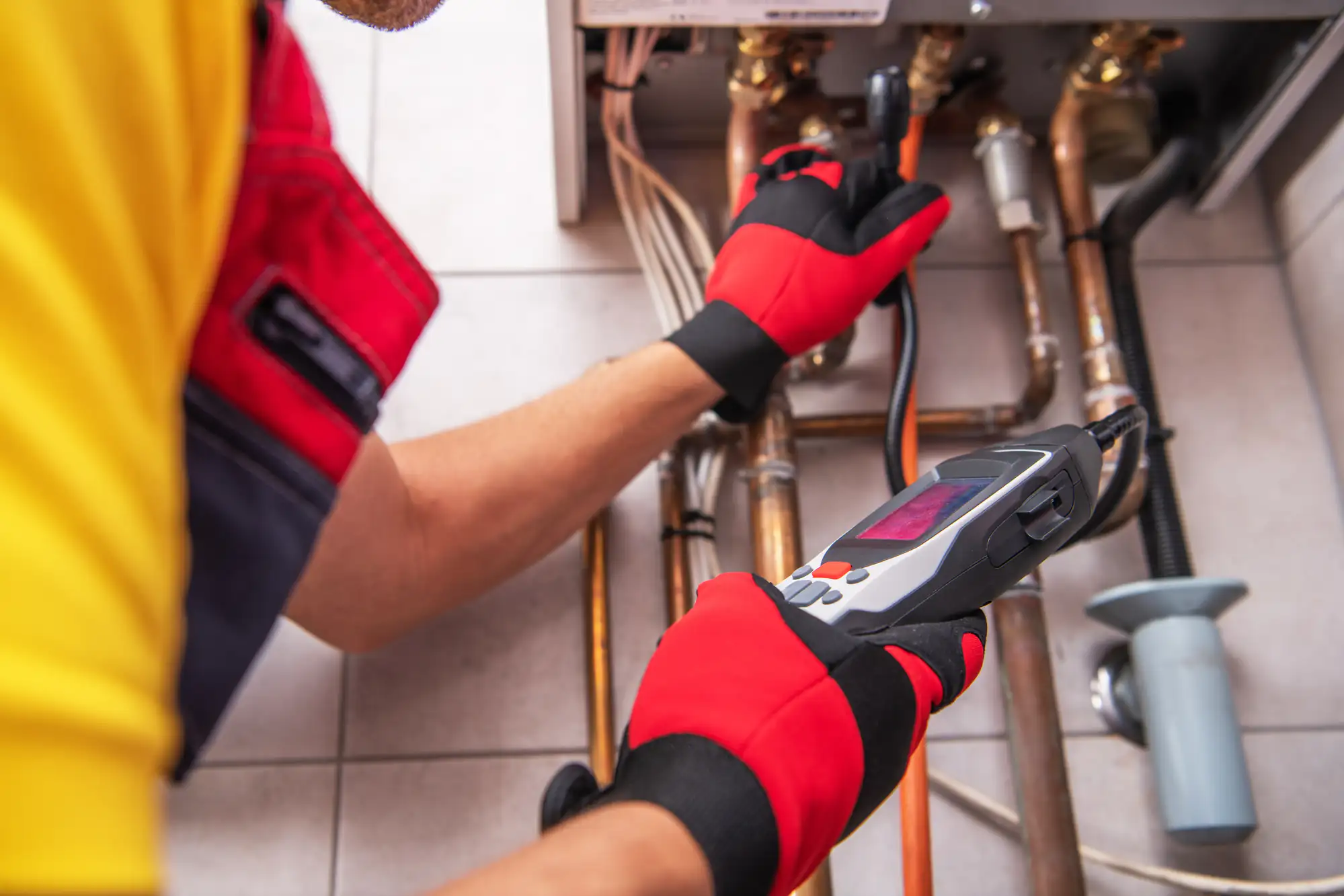
When we arrive, we assess the situation. For repairs, that means diagnosing the actual problem, not just the symptom. For installations, it means measuring your space, checking your ductwork, and calculating the right system size. Oversized units waste energy and undersized ones can’t keep up—both cost you money.
You get a clear explanation of what needs to happen and what it’ll cost before any work starts. No surprises. If it’s a repair, we fix it and test it to make sure it’s working properly. If it’s an installation, we handle everything from removing the old system to testing the new one and walking you through how it works.
After the job, you’re not on your own. If something doesn’t feel right or you have questions, you can reach us. That’s how it should work.
Ready to get started?
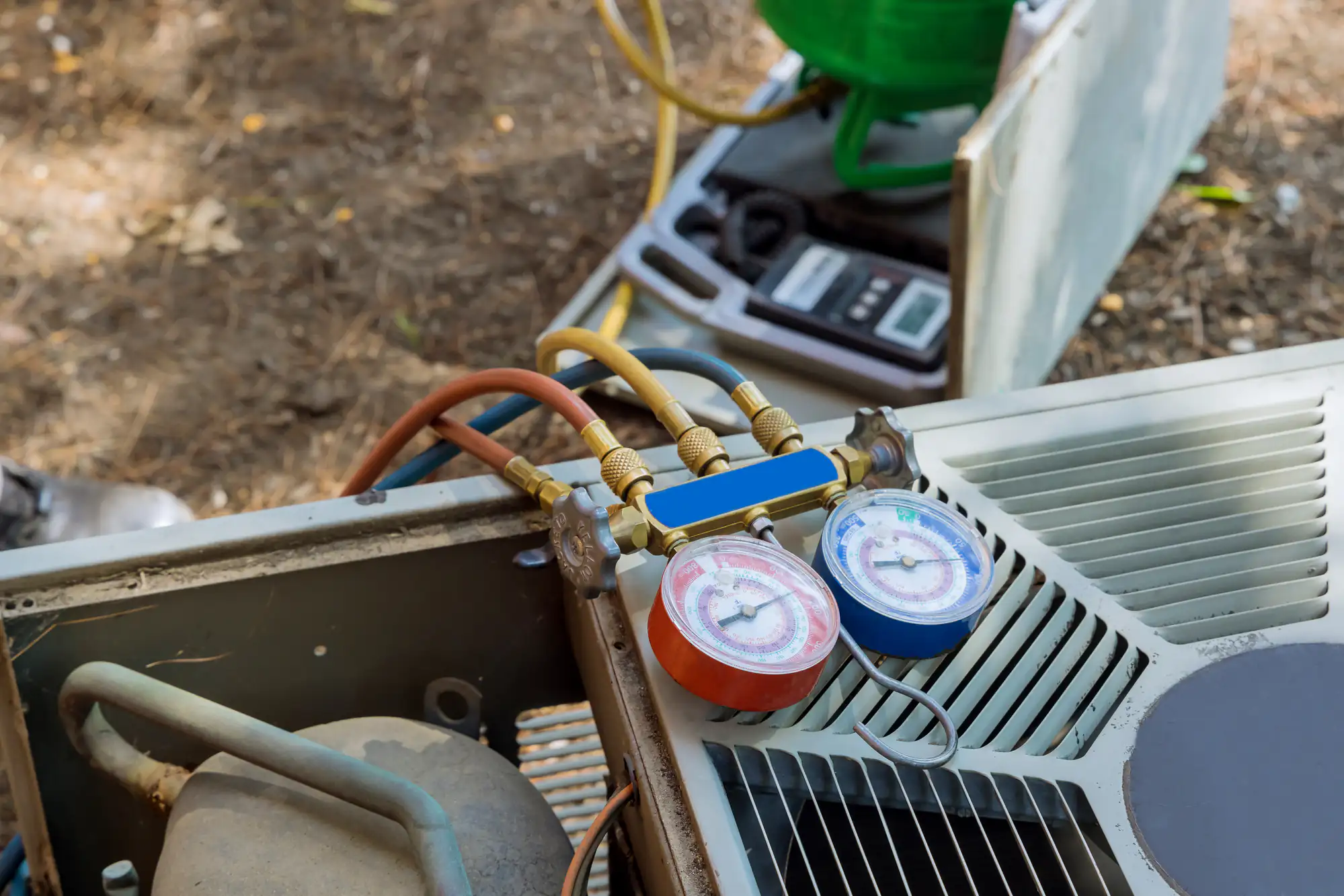
You get air conditioning repair when your system stops cooling or starts making noises it shouldn’t. We handle refrigerant leaks, compressor failures, electrical issues, and airflow problems. If your AC is running but some rooms stay hot, that’s usually a ductwork or balancing issue—we fix that too.
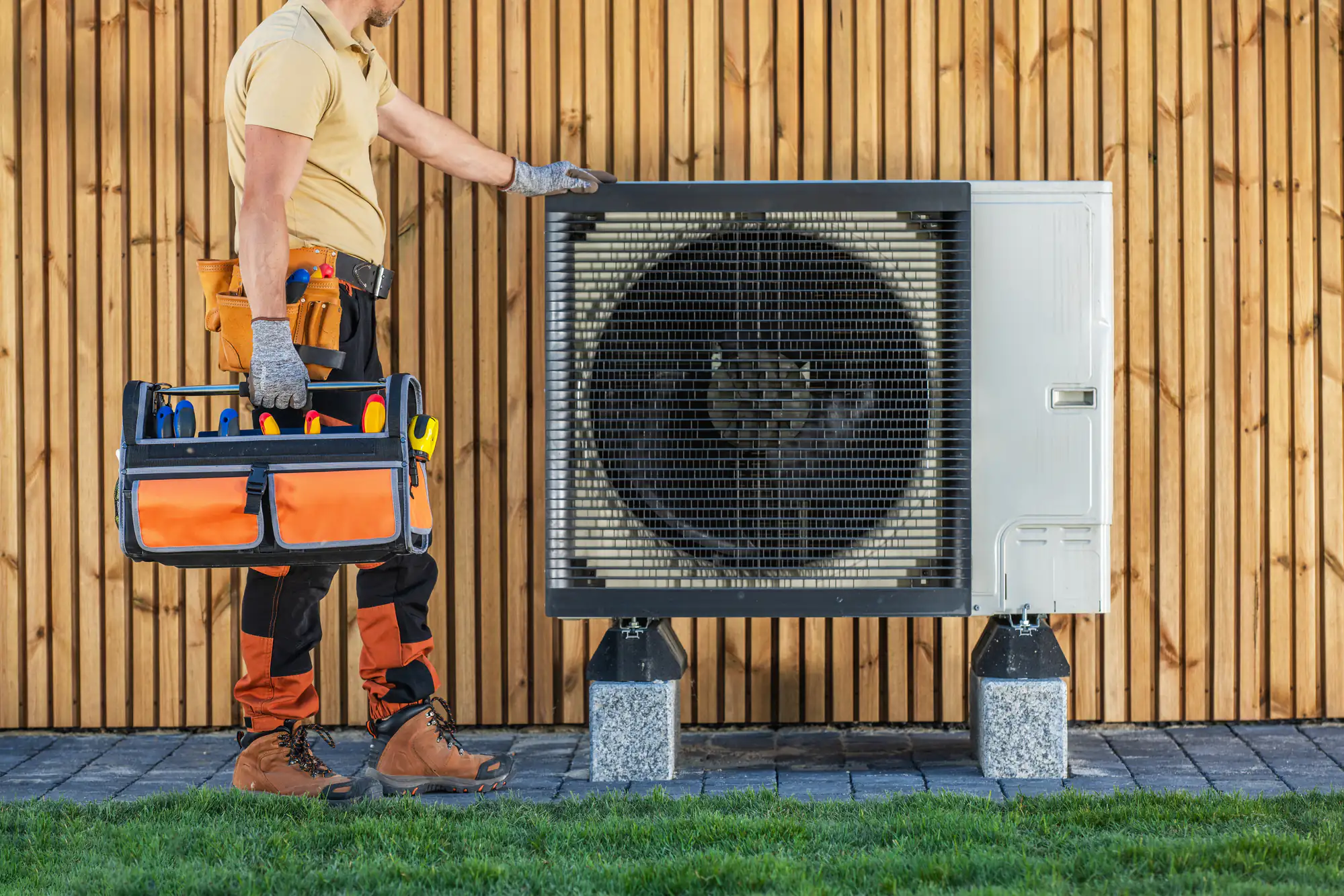
Furnace installation covers new systems sized correctly for your home’s square footage and insulation levels. Modern furnaces can cut your heating costs significantly compared to units from the 1980s and 1990s. We also handle heat pump installations, which are becoming more popular on Long Island because they provide both heating and cooling efficiently.
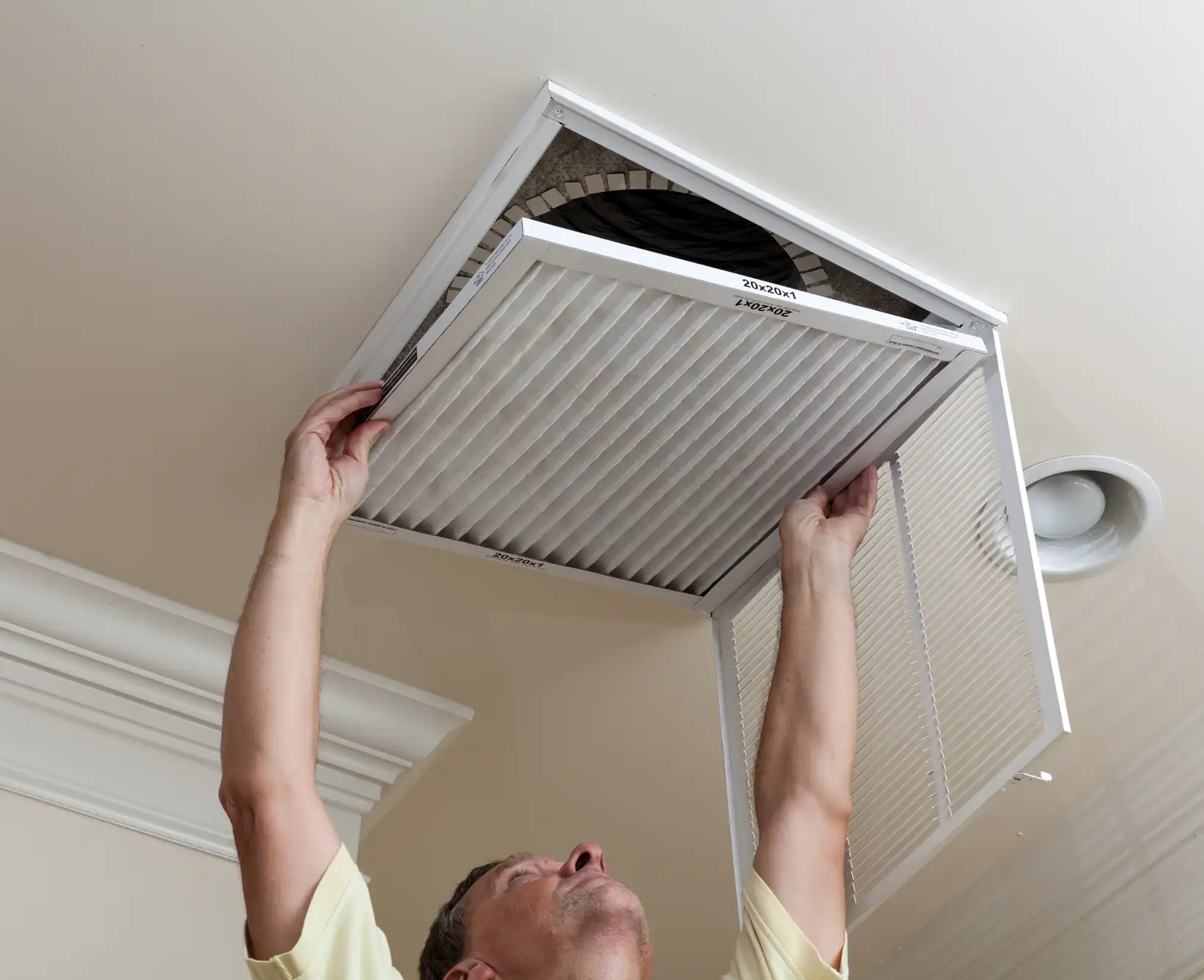
Heating system maintenance means checking your furnace or heat pump before winter hits. Clean burners, tested igniters, inspected heat exchangers, and calibrated thermostats prevent breakdowns when temperatures drop. Most emergency calls we get in January could’ve been avoided with a fall tune-up.
Indoor air quality improvements include duct cleaning, air purifier installations, and humidity control. South Valley Stream’s coastal location means humidity is a constant issue. If your home feels stuffy or your family’s dealing with more allergies, your HVAC system might be circulating dust and moisture instead of filtering it out.
HVAC replacement is what you need when repairs stop making financial sense. If your system is over 15 years old and needs major work, replacement usually saves you money within a few years through lower energy bills and fewer repair calls.
Once a year, ideally in the fall before you start using it regularly. That gives you time to address any issues before the first cold snap.
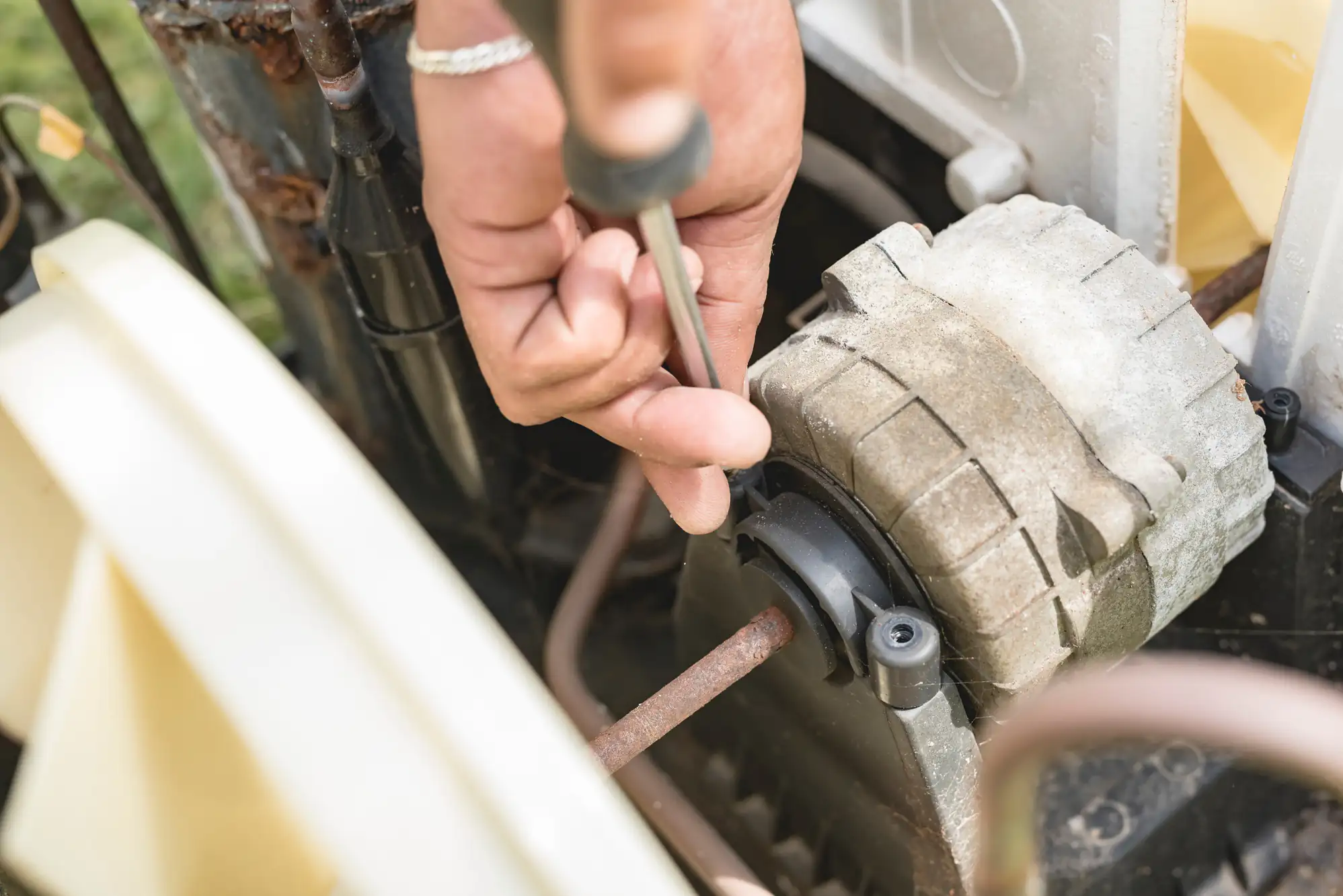
During a maintenance visit, we clean the burners, check the igniter, inspect the heat exchanger for cracks, test the blower motor, and make sure the thermostat is calibrated. These are the components that fail most often, and catching problems early prevents expensive emergency repairs in the middle of winter.
If your furnace is over 10 years old or you’ve noticed higher gas bills, uneven heating, or strange noises, maintenance becomes even more important. Older systems need more attention, and small issues turn into big ones faster.
If the repair costs more than half the price of a new system and your current system is over 12 years old, replacement usually makes more sense. You’re not just avoiding the immediate repair bill—you’re avoiding the next one, and the one after that.
Newer systems are significantly more efficient. A furnace or AC from the 1990s or early 2000s uses far more energy than current models. Depending on your usage, a new high-efficiency system can cut your energy bills by 30% to 45%. Over five years, those savings often cover a large portion of the replacement cost.
There’s also the reliability factor. If you’re repairing a 15-year-old system, you’re buying time, not peace of mind. New systems come with warranties that cover parts and labor, which means fewer surprise expenses.
Usually it’s a ductwork issue, an undersized system, or poor insulation. If your ducts are leaking, cooled air escapes before it reaches certain rooms. If your system is too small for your home’s square footage, it runs nonstop trying to keep up and never quite gets there.
Another common cause is blocked or closed vents. If furniture is covering a vent or someone closed it thinking it would save energy, airflow gets restricted and that room stays warmer. Sometimes the dampers inside the ductwork aren’t balanced correctly, sending more air to some rooms and less to others.
In older South Valley Stream homes, inadequate insulation is often the culprit. Heat enters through the attic or walls faster than your AC can remove it. Fixing this usually requires a combination of duct sealing, system balancing, and sometimes insulation upgrades. A proper assessment identifies where the problem actually is instead of just guessing.
Most residential furnace installations take one full day, sometimes stretching into a second day depending on the complexity. If your ductwork needs modifications or your electrical panel requires upgrades to handle the new system, that adds time.
The process starts with removing the old furnace and inspecting the existing ductwork and venting. Then the new unit gets positioned, connected to the gas line and electrical supply, and integrated with your ductwork. After that, the system gets tested to ensure it’s heating properly, the thermostat is communicating correctly, and there are no gas leaks or airflow issues.
If you’re upgrading from a standard-efficiency furnace to a high-efficiency model, the venting system usually needs to be replaced too. High-efficiency furnaces use PVC venting instead of metal flues, which is safer and more efficient but requires additional installation work. We’ll walk you through what’s involved before the work starts so you know what to expect.
Duct cleaning removes years of accumulated dust, pet dander, and debris that circulates through your home every time your system runs. If you’ve never had your ducts cleaned and you’ve lived in your home for more than five years, there’s likely a significant buildup affecting your air quality.
Installing a whole-home air purifier or UV light system kills bacteria, mold spores, and viruses as air passes through your HVAC system. These are especially helpful if anyone in your home has allergies, asthma, or respiratory issues. They work continuously, unlike portable units that only clean one room.
Humidity control matters more than most people realize. South Valley Stream’s coastal climate means humidity is consistently high, which encourages mold growth and makes your home feel stuffy. A whole-home dehumidifier integrated with your HVAC system maintains optimal humidity levels automatically. If your windows fog up in winter or your basement smells musty, humidity is likely the issue.
Yes, but only if your ductwork and insulation are in decent shape. A high-efficiency system can’t perform efficiently if cooled or heated air is escaping through leaky ducts or inadequate insulation. You’d be paying for efficiency you’re not actually getting.
That said, most older homes in South Valley Stream can benefit significantly from an upgrade. Modern systems use variable-speed motors and two-stage heating or cooling, which means they adjust output based on actual demand instead of running full blast every time they turn on. This reduces energy consumption and provides more consistent temperatures throughout your home.
Federal tax credits currently allow you to claim 30% of the installation cost, up to $2,000, for qualifying high-efficiency heat pumps. Combined with lower monthly energy bills, the payback period is usually five to seven years. After that, you’re saving money every month compared to what you’d be spending with an older, less efficient system.