Hear from Our Customers
You’re not calling because everything’s fine. Something broke at the worst possible time, or your energy bills just hit a number that made you actually open the envelope and stare.
Here’s what changes after we show up. Your air conditioning repair gets handled the same day about 70% of the time because our trucks carry the parts most companies have to order. Your furnace installation happens without the runaround about permits or whether your ductwork can handle it. And your heating system maintenance actually prevents problems instead of just checking boxes on a form.
Living near the coast means salt air eats through outdoor units faster than most HVAC contractors expect. We’ve spent four decades figuring out which equipment survives Long Island humidity and which fails in three years. That’s the difference between a system that works and one that becomes your second mortgage.
Chill Xpert Solutions has been handling residential HVAC services across Long Island since before smart thermostats existed. We started with commercial refrigeration and marine systems, which means we learned early how to make equipment survive in conditions that destroy standard installations.
Stony Brook homeowners deal with the same coastal challenges as our marina clients—salt, humidity, and temperature swings that put serious stress on any HVAC system. We’re licensed, insured, and we answer our phones at 2 a.m. when your heat goes out in January. Not a call center. Actual people who can dispatch a truck.
You’ll find dozens of five-star reviews from people who called us after someone else couldn’t figure it out. We’re not the cheapest option, and that’s intentional. You’re paying for equipment that lasts and service that shows up when promised.
First, you talk to someone who actually knows HVAC, not a scheduler reading a script. We ask what’s happening, when it started, and what you’ve already tried. If it’s an emergency, we’re dispatching while we’re still on the phone.
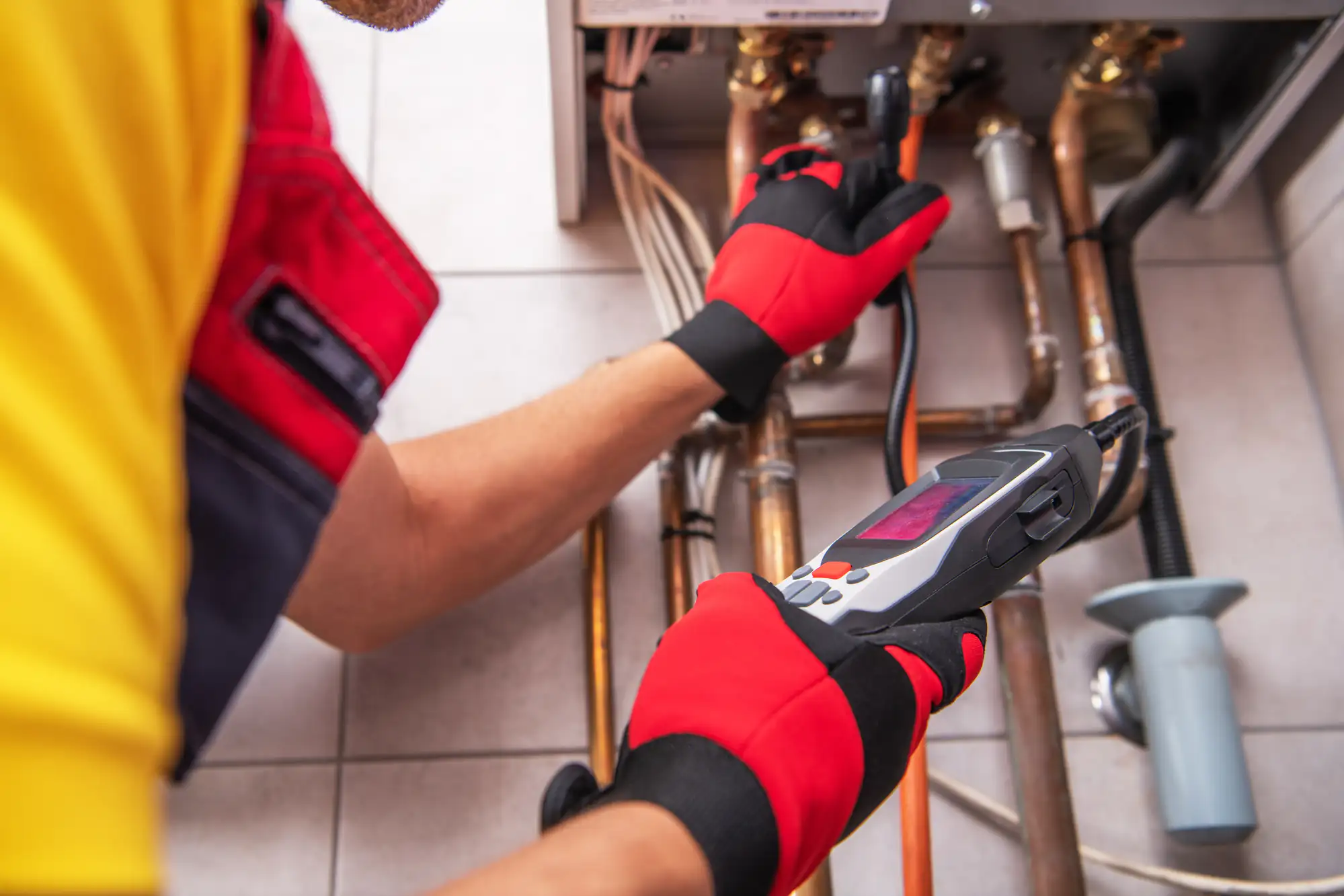
When we arrive, we diagnose the actual problem before touching anything. You get a clear explanation of what’s broken, why it broke, and what it costs to fix it right. No upselling, no scare tactics about carbon monoxide unless there’s actually a safety issue.
For HVAC replacement, we measure your space, check your electrical panel, inspect your ductwork, and calculate the actual load requirements. Then we recommend systems based on what your home needs, not what’s sitting in our warehouse. Installation includes permits, disposal of old equipment, and a walkthrough of how everything works.
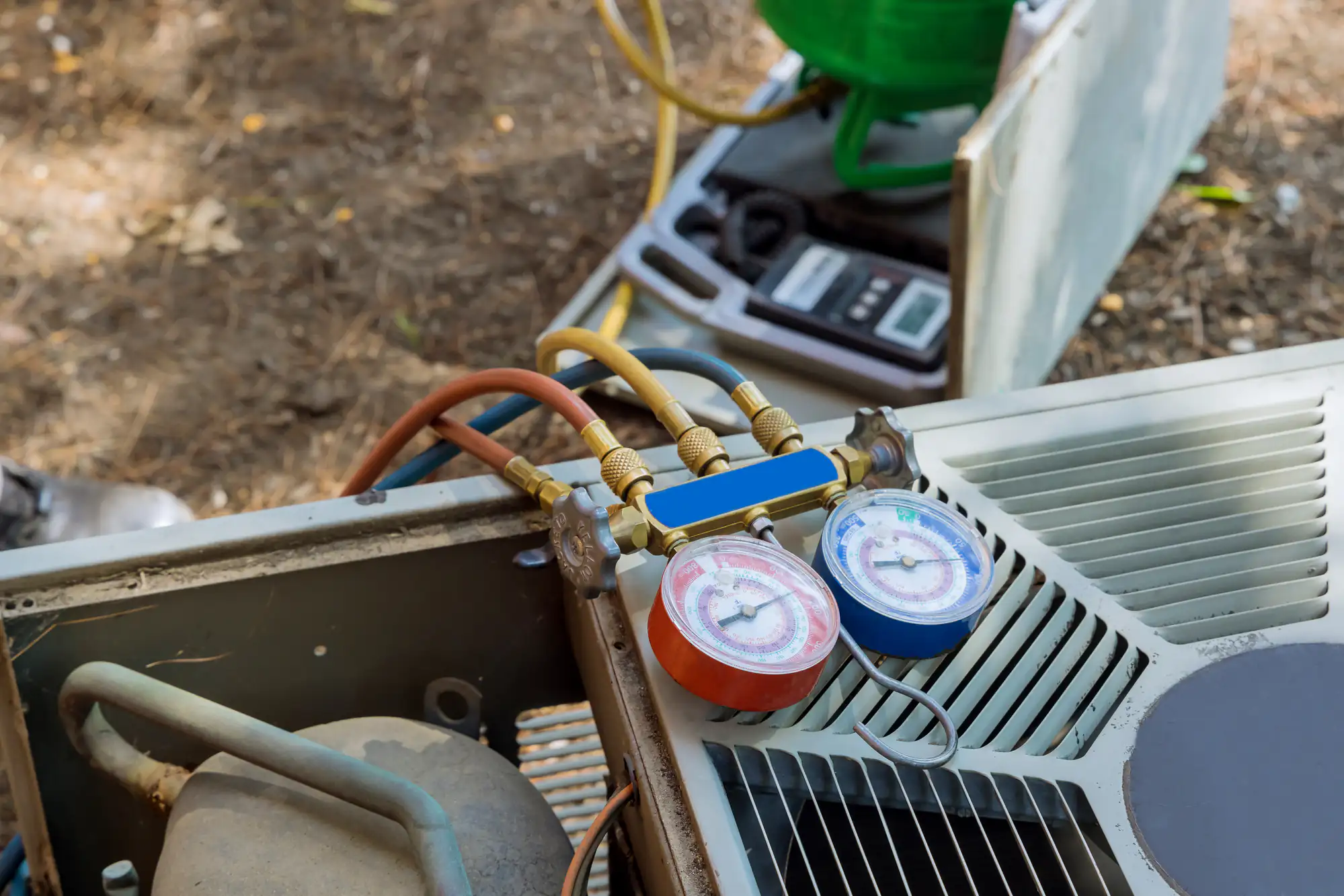
Heating system maintenance means we’re checking refrigerant levels, cleaning coils that get caked with salt residue, testing electrical connections, and catching problems before they strand you without heat. We keep notes on every system we touch so we know its history next time.
Ready to get started?
Our residential HVAC services cover everything that heats, cools, or affects your indoor air quality. That includes air conditioning repair when your system stops keeping up with Long Island summers, furnace installation when your heating system is past the point of another patch job, and HVAC replacement when efficiency matters more than limping through one more season.
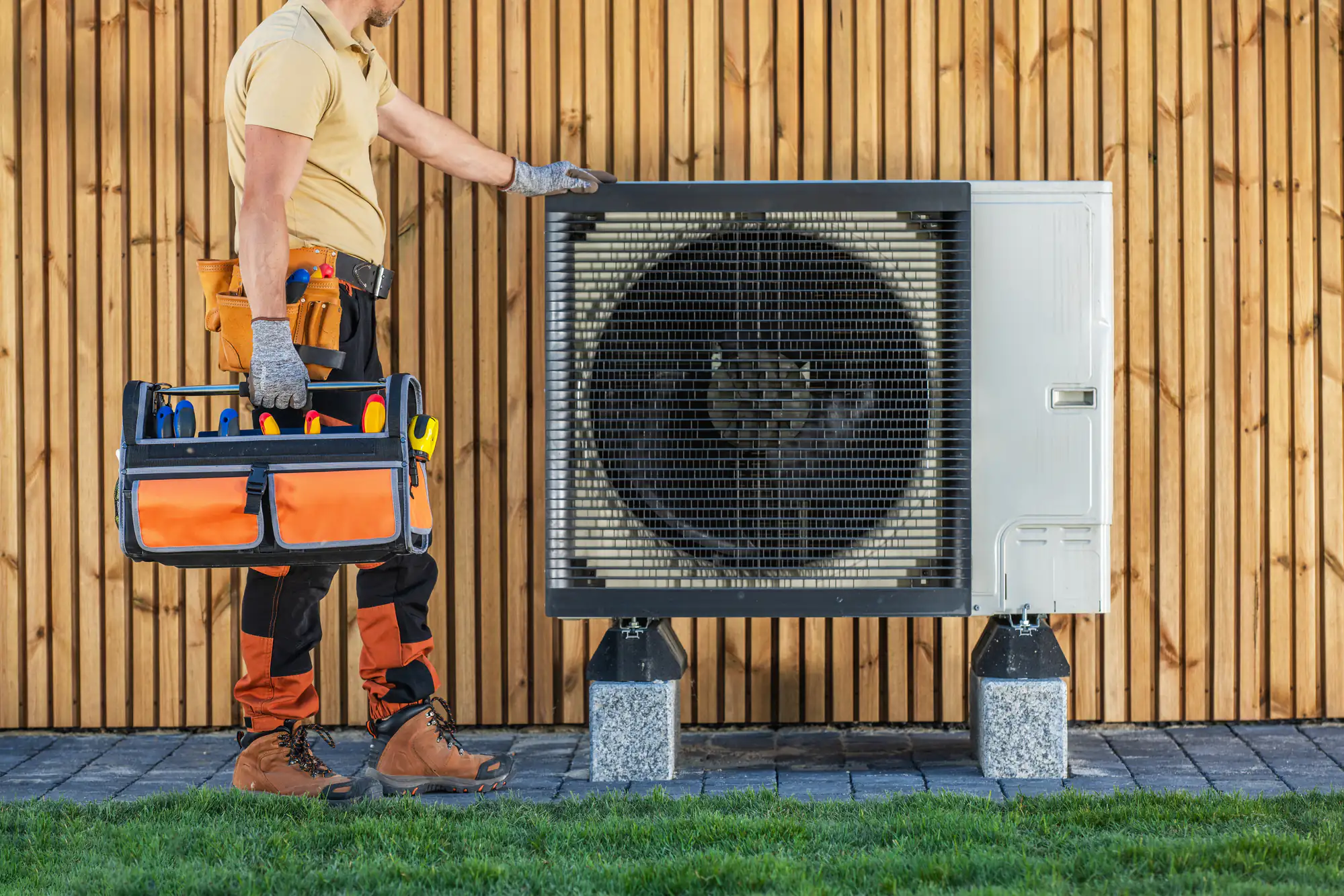
We install heat pumps that actually work in freezing weather—the new generation that changed the efficiency game. We integrate smart thermostats that learn your schedule and cut energy waste without you thinking about it. And we handle indoor air quality upgrades like whole-home HEPA filtration, because humidity and pollen near the coast can make your house feel like you’re breathing through a wet towel.
Long Island’s climate isn’t kind to HVAC equipment. You’re dealing with salt air that corrodes outdoor units, humidity that breeds mold in ductwork, and temperature swings that make systems cycle too often. We spec equipment that’s built for coastal conditions and we protect outdoor components with corrosion-resistant coatings that most installers skip.
You’re also getting 24/7 emergency service, because HVAC failures don’t wait for business hours. Same-day repairs when parts are available. And free estimates on new installations so you know what you’re spending before we start tearing anything apart.
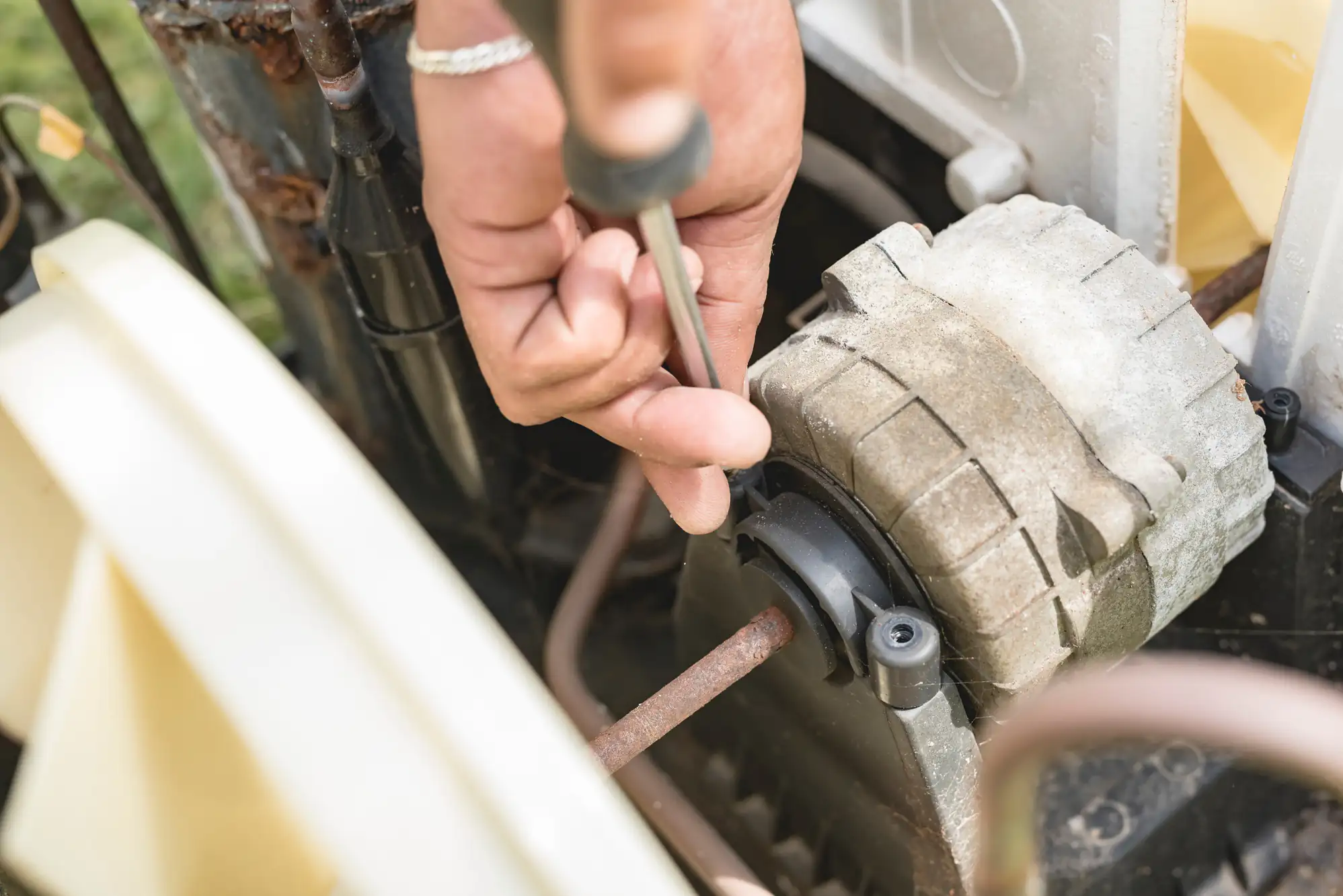
HVAC replacement costs in Stony Brook typically run between $5,000 and $12,000 depending on your home’s size, the efficiency level you choose, and whether your ductwork needs work. A 1,500-square-foot home usually needs a 2.5 to 3-ton system, while larger homes push into 4 or 5-ton territory.
Here’s what drives the price up: ductwork modifications, electrical panel upgrades to handle new equipment, and higher SEER2 ratings that cost more upfront but slash your energy bills. The new federal minimum is 14.3 SEER2 for heat pumps, but you can go higher if you’re planning to stay in the house long enough to see the payback.
We give you a free estimate that breaks down equipment, labor, permits, and disposal. No surprises, no “we found something else” calls halfway through the job. And if you’re near the coast, we’ll recommend corrosion protection that adds a few hundred dollars but doubles the lifespan of your outdoor unit.
If your air conditioning system is under 10 years old and the repair costs less than half of a replacement, fixing it usually makes sense. If it’s older than 15 years or you’re looking at a major component failure like a compressor, replacement is almost always smarter.
Here’s the math that matters: older systems run at 10 SEER or lower, which means you’re burning through electricity. New systems start at 14.3 SEER2 and go up from there, cutting cooling costs by 30% or more. Add in the fact that refrigerants are changing in 2026, and parts for older systems are getting expensive and hard to find.
We’ll tell you honestly which way to go. If a repair buys you three more years and you’re planning to sell the house, that might be the right call. But if you’re staying put and your system is on its last legs, replacement stops the cycle of emergency repair calls every summer.
Modern heat pumps absolutely work in Long Island winters, even when temperatures drop below freezing. The technology changed dramatically in the last five years—new cold-climate heat pumps stay efficient down to -15°F, which is colder than anything Stony Brook sees in a typical winter.
The old heat pumps from 10 or 15 years ago struggled once it hit the 30s and needed backup heat strips that jacked up your electric bill. Today’s systems use variable-speed compressors and advanced refrigerants that extract heat from outdoor air even in cold weather. You get heating and cooling in one unit, plus efficiency that beats traditional furnaces.
Here’s the bonus: federal tax credits cover 30% of installation costs through 2032, and New York offers additional rebates for high-efficiency heat pumps. That can cut $3,000 to $5,000 off your upfront cost. We’ll walk you through the rebate paperwork and make sure your system qualifies before we install anything.
You should schedule heating system maintenance once a year, ideally in early fall before you actually need the heat. That gives us time to catch problems and order parts before you’re stuck in an emergency situation in January.
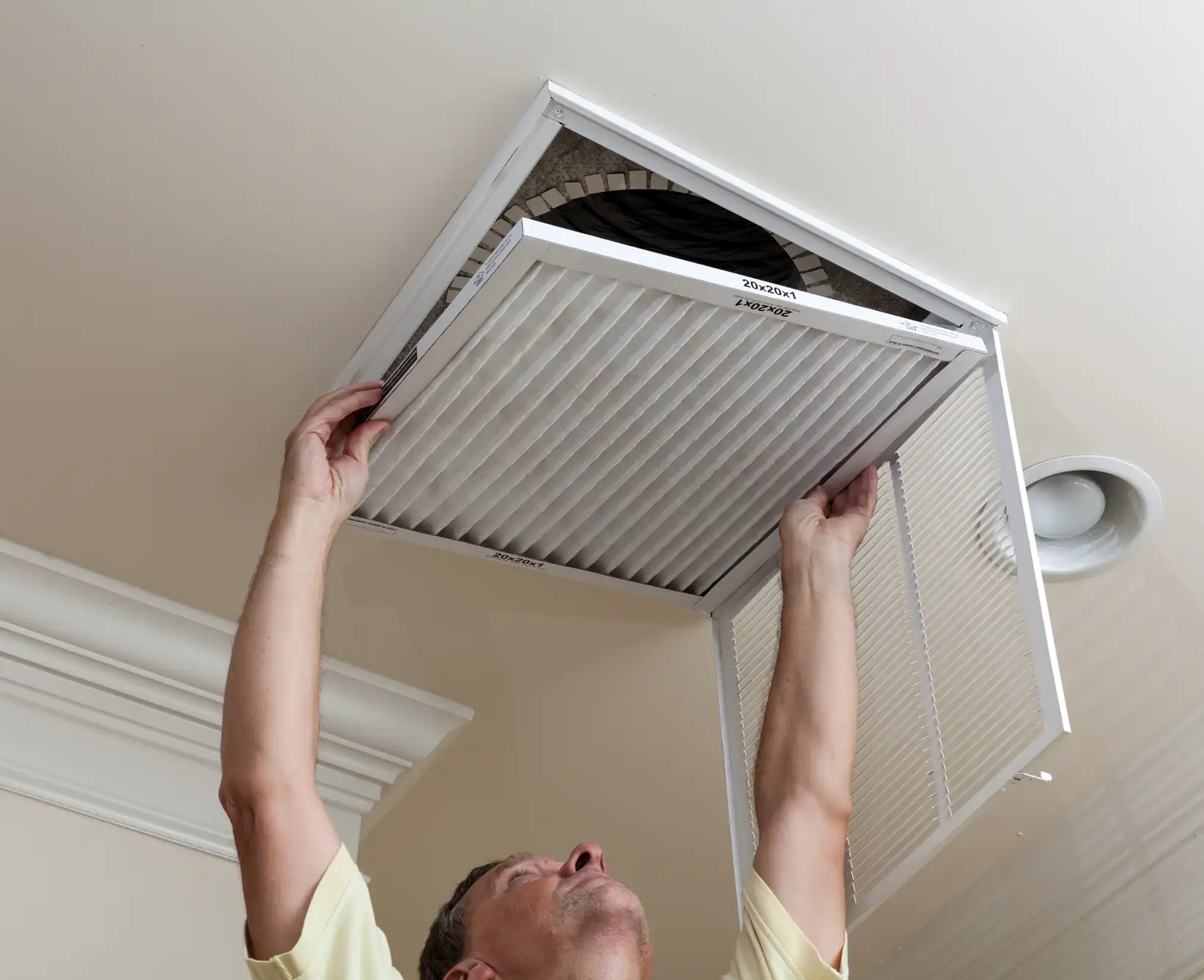
Long Island’s coastal location means your system faces challenges that inland homes don’t deal with. Salt air accelerates corrosion on outdoor components, humidity promotes mold growth in ductwork, and pollen clogs filters faster than you’d expect. Annual maintenance includes cleaning those salt-caked coils, checking refrigerant levels, testing electrical connections, and replacing filters that affect both efficiency and indoor air quality.
Skipping maintenance doesn’t just risk a breakdown—it voids most manufacturer warranties and cuts your system’s lifespan by years. We’ve seen 15-year systems fail at year eight because nobody ever cleaned the coils or checked the blower motor. Regular maintenance costs a few hundred dollars a year. Emergency repairs in the middle of winter cost a lot more, and they always happen at the worst possible time.
Salt air corrosion is the biggest killer of HVAC systems near the coast. Your outdoor condenser unit sits outside breathing in salt, moisture, and whatever else blows in from the Sound or the Atlantic. That corrodes coils, degrades electrical connections, and eats through metal components that would last 20 years inland.
Humidity is the second major issue. Long Island summers are muggy, and if your air conditioning system isn’t sized correctly or your ductwork leaks, you end up with a house that’s cool but feels clammy. That drives mold growth, makes your system work harder, and never actually feels comfortable no matter what the thermostat says.
We also see a lot of short cycling—systems that turn on and off too frequently because they’re oversized for the space or the thermostat is in a bad location. That wears out components fast and spikes your energy bills. The fix usually involves right-sizing equipment during replacement or relocating thermostats away from windows and heat sources. We’ve been solving these exact problems for 40 years, so we know what works in coastal conditions and what fails in three seasons.
Indoor air quality problems in Stony Brook usually come from three sources: humidity, pollen, and whatever’s growing in ductwork that hasn’t been cleaned in years. We handle all of it with solutions that actually work, not gimmicks that sound good but don’t change anything.
Whole-home dehumidification systems work with your HVAC to pull moisture out of the air before it makes your house feel like a swamp. HEPA filtration catches pollen, dust, and particles down to 0.3 microns, which makes a real difference if anyone in your house has allergies or asthma. UV lights installed in your ductwork kill mold and bacteria before they circulate through your home.
We’ll assess your specific situation—how humid your house feels, whether you’re seeing mold around vents, if anyone’s dealing with respiratory issues—and recommend what actually addresses the problem. Sometimes it’s as simple as a better filter and sealing duct leaks. Other times you need a multi-stage approach with dehumidification, filtration, and ventilation upgrades. We’ll tell you what you need and what you’re wasting money on, because indoor air quality affects how your house feels every single day.
Other Services we provide in Stony Brook University