Hear from Our Customers
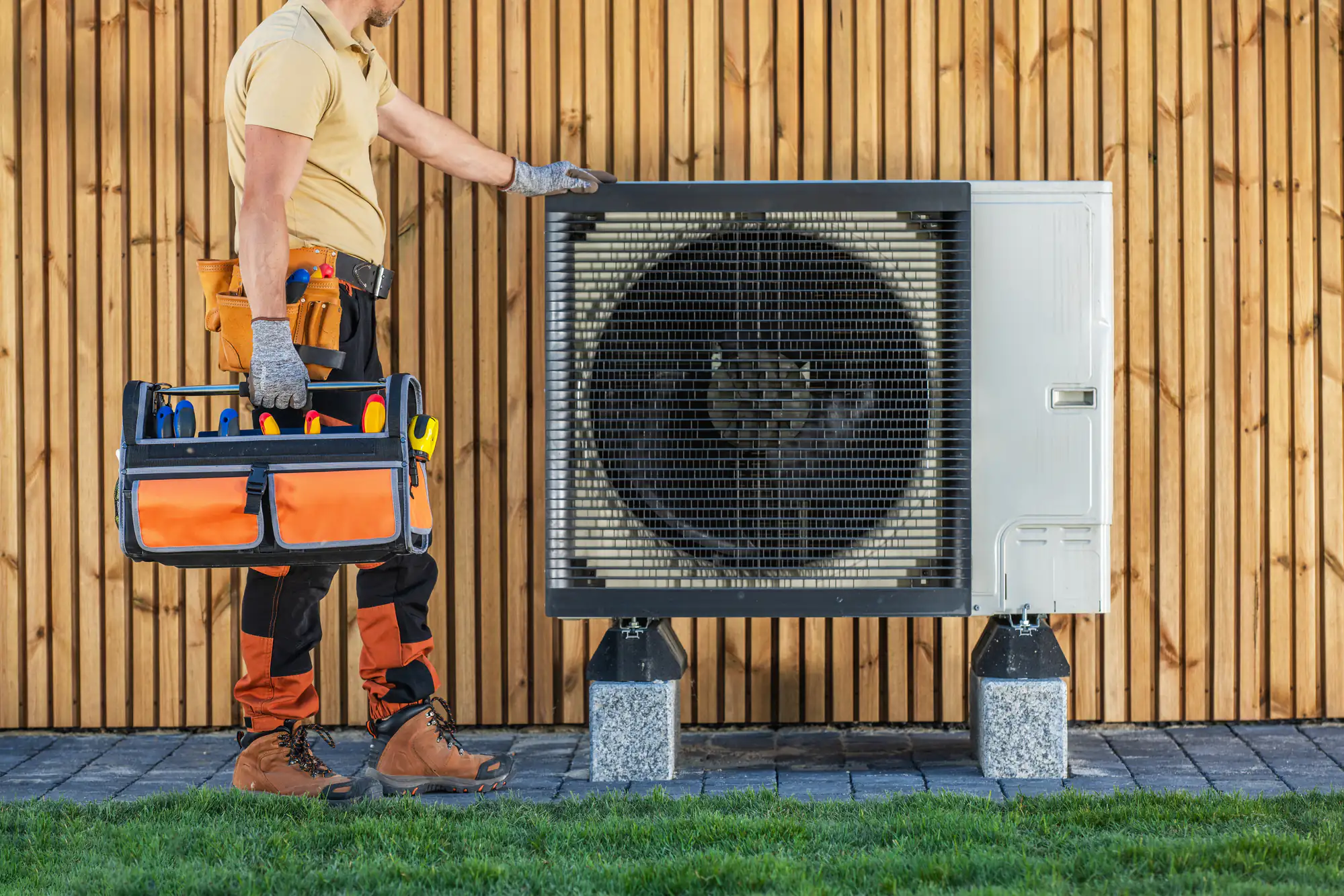
You shouldn’t have to adjust your life around a failing HVAC system. Your wine cellar should maintain perfect temperature. Your home office should stay cool during summer conference calls. Your family should sleep comfortably regardless of what’s happening outside.
That’s what properly designed residential HVAC services actually deliver. Not just equipment that runs, but systems that maintain the exact environment your home needs—from the main living areas to guest cottages to spaces with specialized requirements.
Upper Brookville homes aren’t cookie-cutter properties, and they don’t respond well to cookie-cutter solutions. Large estates with multiple wings need zoning systems that account for sun exposure, occupancy patterns, and architectural features. Coastal properties need equipment designed to handle salt air and humidity without corroding in five years.
When your heating system maintenance is handled correctly, you’re not calling for emergency repairs every season. When your air conditioning repair is done right the first time, you’re not dealing with the same problem three months later. You’re living in your home the way you intended—without thinking about the HVAC system at all.
We’ve spent over 40 years handling complex HVAC challenges across Nassau County. We’ve worked on everything from airport terminals to marine vessels to commercial kitchens—environments where system failure isn’t just uncomfortable, it’s catastrophic.
That experience translates directly to residential work. When you’ve designed climate control for a 40-foot yacht dealing with constant moisture and movement, you understand how to protect a coastal estate from salt air. When you’ve kept restaurant walk-ins running 24/7, you know how to maintain the wine cellar in a $2 million Upper Brookville property.
We’re licensed, insured, and available around the clock because HVAC emergencies don’t wait for business hours. When you call, you reach actual people who dispatch actual technicians—not an answering service that takes messages.
First, we actually answer the phone. You talk to someone who understands HVAC systems, not a call center reading from a script. If it’s an emergency, we’re typically on-site within two hours.
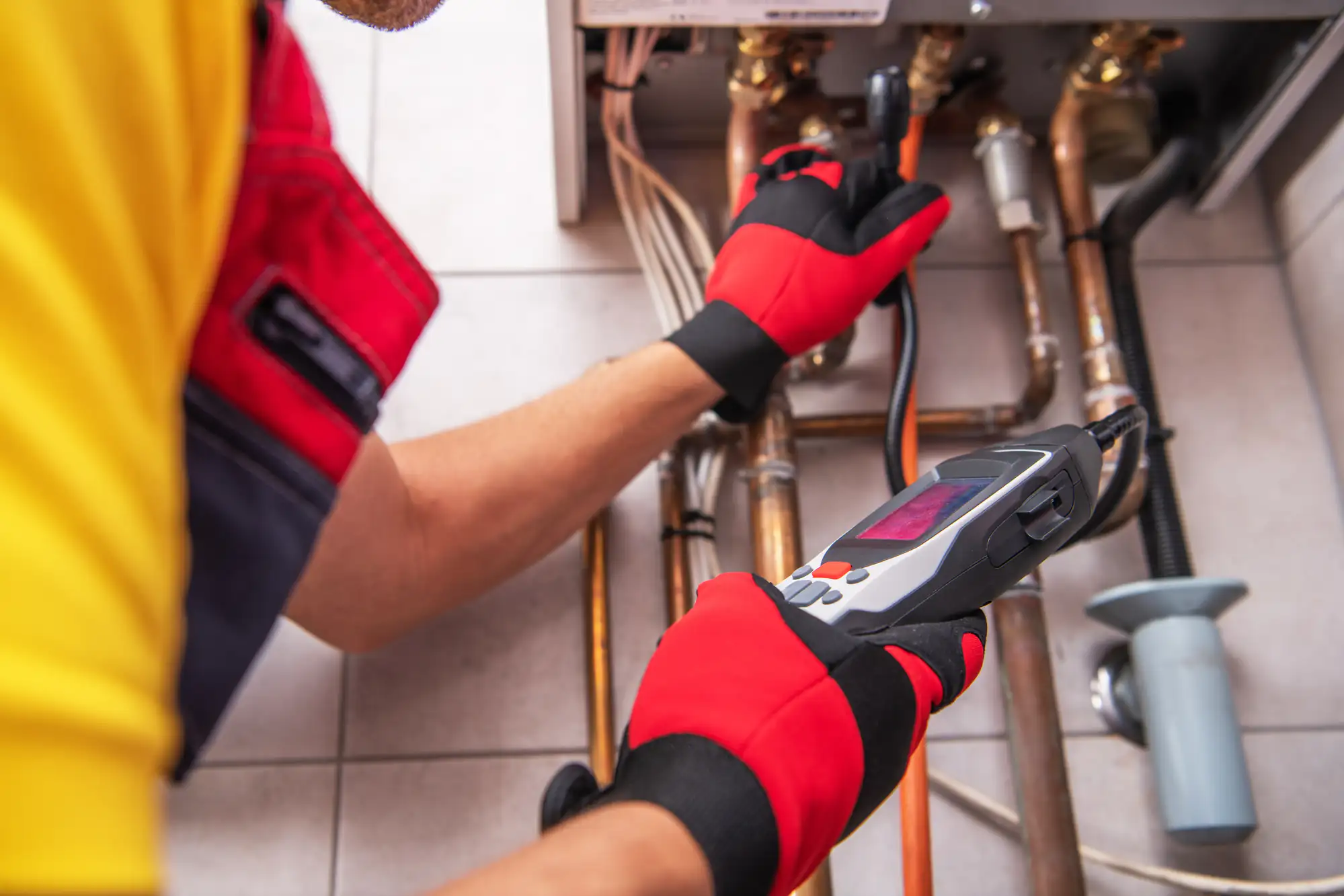
When we arrive, we diagnose the actual problem—not just the symptoms. Our trucks carry parts for all major brands, which means 70% of emergency calls get resolved the same day. No waiting three days for an ordered part while your system sits broken.
For installations and replacements, we start with a proper load calculation for your specific property. We account for square footage, insulation, window placement, ceiling heights, and how you actually use your space. Then we design a system that matches those requirements—whether that’s a traditional central system, ductless mini-splits, or zoned solutions for different areas.
Installation includes complete testing, system balancing, and training on your new equipment. We show you how everything works, answer your questions, and make sure you’re comfortable operating your system before we leave. Then we follow up to confirm everything’s performing as expected.
Ready to get started?
You get furnace installation designed for Long Island winters, where temperatures can drop below freezing and stay there for days. You get air conditioning systems sized to handle summer humidity that makes 85 degrees feel like 95. You get indoor air quality solutions that address the pollen, mold spores, and coastal moisture that affect Upper Brookville properties.
HVAC replacement projects include complete removal of old equipment, proper disposal, and installation of high-efficiency systems that meet current SEER2 standards. That means lower energy bills and better performance—not just a newer version of the same problems.
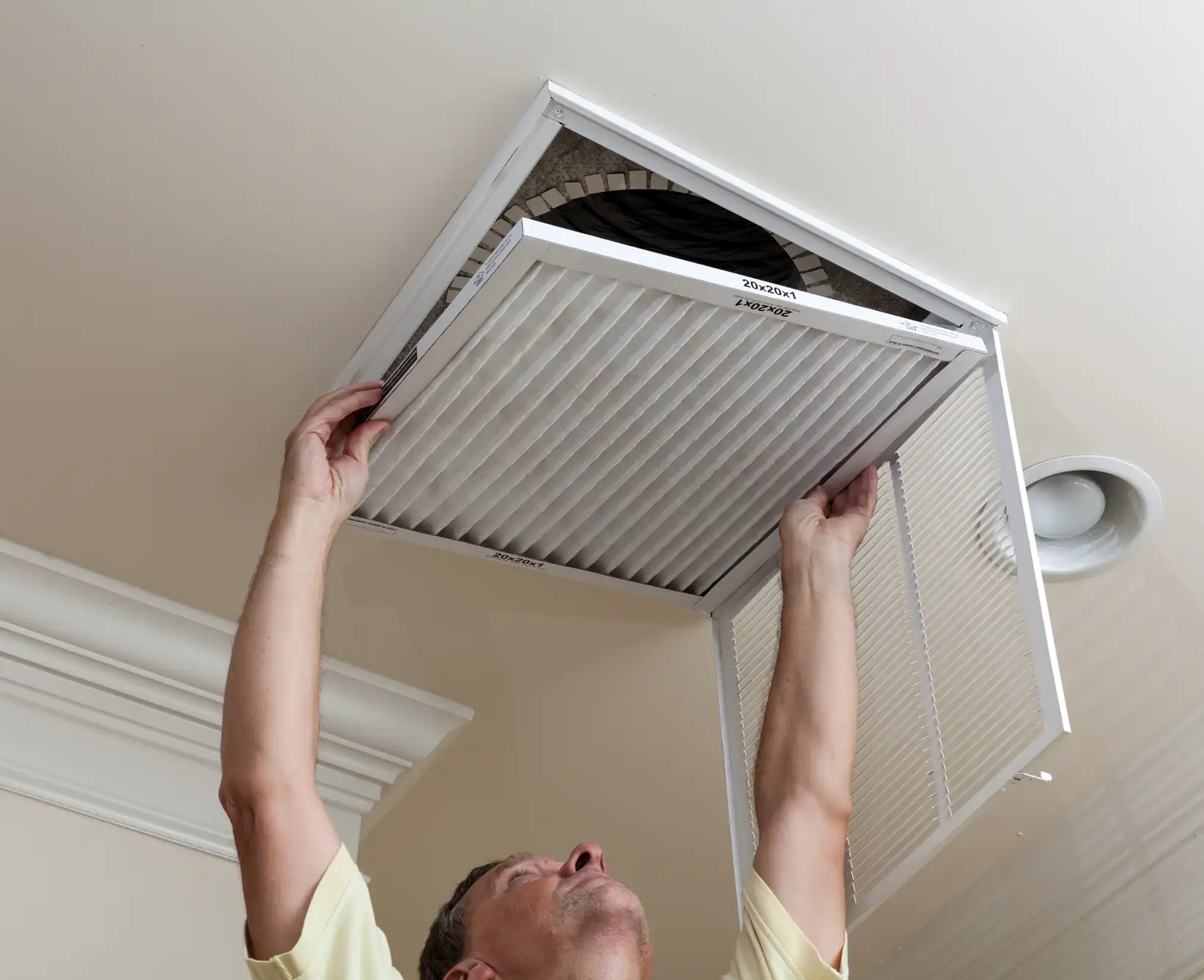
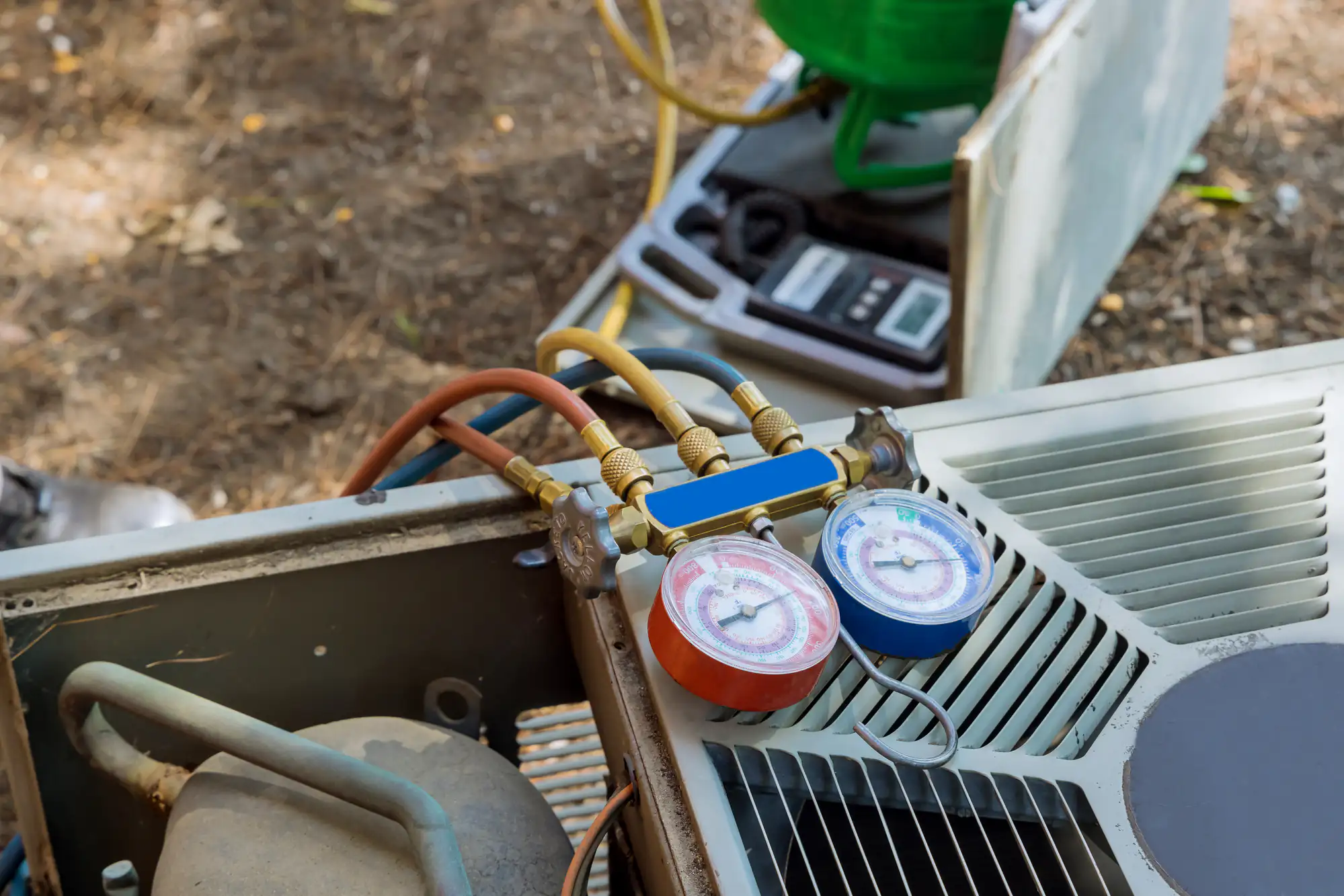
Heating system maintenance catches issues before they become emergencies. We inspect heat exchangers for cracks, test safety controls, check combustion efficiency, and clean components that affect performance. For cooling systems, we check refrigerant levels, clean coils, test capacitors, and verify your system can handle summer demand before the heat arrives.
Smart home integration connects your HVAC to your phone, learns your schedule, and adjusts automatically. You can control temperature from anywhere, receive alerts about potential issues, and track energy usage in real time. For properties with multiple zones, you can manage each area independently—keeping guest cottages comfortable when occupied and saving energy when they’re empty.
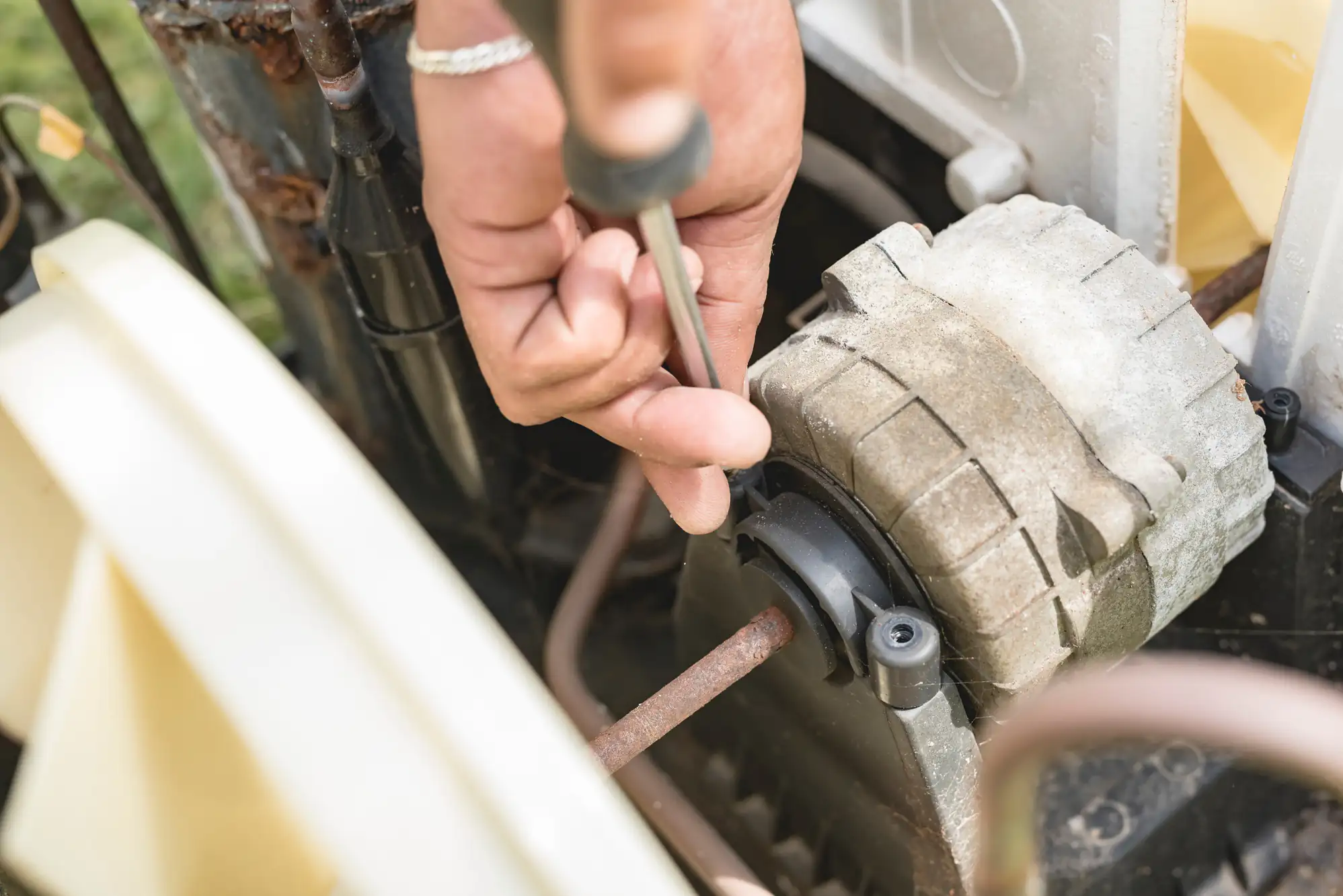
We typically arrive within two hours of your call, and we’re available 24/7 including weekends and holidays. When you call, you talk to real people who immediately dispatch a technician—not an answering service that takes messages for callback the next business day.
Our service vehicles stock parts for all major HVAC brands, which is why we resolve 70% of emergency calls the same day. We’re not showing up to diagnose the problem and then leaving to order parts. We’re showing up to fix it.
For Upper Brookville properties, we understand that HVAC failures can affect more than just comfort. A broken cooling system can damage wine collections, spoil specialty foods, or create humidity issues that threaten valuable furnishings. That’s why we treat every emergency call with the urgency it deserves.
Salt air is the biggest culprit. It corrodes outdoor units, degrades electrical connections, and accelerates wear on components that would last years longer inland. Upper Brookville’s proximity to Long Island Sound means your equipment faces constant exposure to moisture and salt particles carried by coastal winds.
Humidity is the second issue. Long Island summers bring heavy humidity that forces your air conditioning to work harder removing moisture from the air. Systems not designed for this climate struggle to maintain comfortable indoor conditions and burn out faster from the constant load.
That’s why we install corrosion-resistant components and properly sized systems for coastal properties. Oversized condensers handle humidity better. Coated coils resist salt damage. Sealed electrical connections prevent moisture intrusion. These aren’t expensive upgrades—they’re necessary specifications for equipment that needs to last 15+ years in this environment.
If your system is over 10 years old and facing a repair that costs more than half the price of replacement, you’re usually better off replacing it. Older systems use outdated refrigerants, operate at lower efficiency standards, and tend to need increasingly frequent repairs as components continue aging.
Here’s the math that matters: a 15-year-old system might cost $1,200 to repair today, but it’s still operating at 30-40% lower efficiency than current models. You’re paying more every month in energy costs, and you’ll likely face another expensive repair within a year or two. A new high-efficiency system pays for itself through lower utility bills while giving you reliable operation and better comfort.
For newer systems under 7 years old, repair usually makes sense unless you’re dealing with a failed compressor or heat exchanger. We’ll give you honest guidance based on your specific situation—not push replacement because it’s more profitable. Sometimes repair is the right answer. Sometimes it’s throwing good money after bad.
We start with a proper Manual J load calculation that accounts for your home’s specific characteristics—square footage, insulation levels, window sizes and placement, ceiling heights, and how different areas are used. This isn’t guessing based on square footage. It’s engineering based on actual heat gain and loss.
For multi-wing estates, we typically recommend zoned systems that let you control different areas independently. Your main living spaces might need constant climate control, while guest quarters only need heating and cooling when occupied. Zoning prevents you from paying to condition empty spaces while ensuring every area stays comfortable when needed.
We also account for specialized spaces with unique requirements. Wine cellars need precise temperature and humidity control. Home theaters need quiet operation and excellent air distribution. Home offices need consistent cooling for electronics and comfort during video calls. Each space gets designed into the overall system with appropriate equipment and controls to meet its specific demands.
We inspect and clean your entire heating system to ensure safe, efficient operation before winter arrives. That includes checking the heat exchanger for cracks that could leak carbon monoxide, testing all safety controls, verifying proper combustion and venting, and cleaning components that affect efficiency.
We also check your thermostat calibration, test your blower motor and belts, inspect electrical connections, lubricate moving parts, and replace your air filter. For oil systems, we clean or replace the nozzle and check fuel line connections. For gas systems, we inspect the burner assembly and test gas pressure.
You receive a detailed report of what we found, what we fixed, and what might need attention in the future. If we spot a component that’s wearing out, we’ll let you know before it fails—giving you the option to replace it on your schedule instead of dealing with an emergency breakdown in January when temperatures drop and every HVAC company is slammed with calls.
Yes, and they’re designed to prevent emergencies rather than just react to them. You get priority scheduling for seasonal maintenance, discounted rates on repairs, and first-response priority if you do have an emergency. We perform comprehensive inspections twice a year—once before cooling season and once before heating season.
Regular maintenance extends equipment life significantly. Systems that receive professional service twice a year typically last 15-20 years. Systems that only get attention when something breaks usually fail around the 10-year mark. That’s a significant difference in your return on investment.
Maintenance contracts also catch small issues before they become expensive problems. A $40 capacitor that’s starting to fail gets replaced during routine service. Ignored, it burns out and damages your compressor—turning a minor maintenance item into a $2,000 repair. We’d rather keep your system running smoothly than profit from preventable breakdowns.