Hear from Our Customers
Your energy bill shouldn’t spike every summer or leave you guessing what went wrong. When your system runs efficiently, you’re not throwing money at utility companies or wondering if tonight’s the night it quits.
Most homes in Valley Stream have systems pushing 10 to 15 years old. That’s right around when efficiency drops and repair costs start adding up. Heating and cooling already eat up half your energy use—when the system’s struggling, that number climbs fast.
Here’s what changes when your HVAC actually works: your home stays the temperature you set it to. You’re not adjusting the thermostat every hour or closing vents in rooms that run too hot. Your monthly bills become predictable instead of shocking. And when something does go wrong, you catch it early—before it turns into an emergency replacement in July.
Whether it’s air conditioning repair, furnace installation, or just figuring out why one bedroom feels like a sauna, you want someone who’s seen worse and fixed it. Not someone reading a manual while standing in your basement.
We didn’t start with residential work. We built our reputation on marine HVAC and commercial refrigeration—airports, catering halls, restaurants, walk-in coolers, custom beer systems. The kind of jobs where downtime costs thousands per hour and “good enough” doesn’t exist.
That background matters when we’re dealing with your home. We bring the same level of precision, the same 24/7 availability, and the same no-nonsense approach we use for commercial clients. Valley Stream homeowners don’t need another contractor who shows up late and guesses at the problem. You need someone who’s solved harder issues and can explain what’s actually going on.
We’ve been doing this for over 40 years across the Greater New York area. Licensed, insured, and available when your system isn’t. If you call at 2 a.m. because your heat went out, a real person answers—not a voicemail.
First, we actually show up when we say we will. You get a free estimate and a straight answer about what’s wrong—not a sales pitch for equipment you don’t need yet.
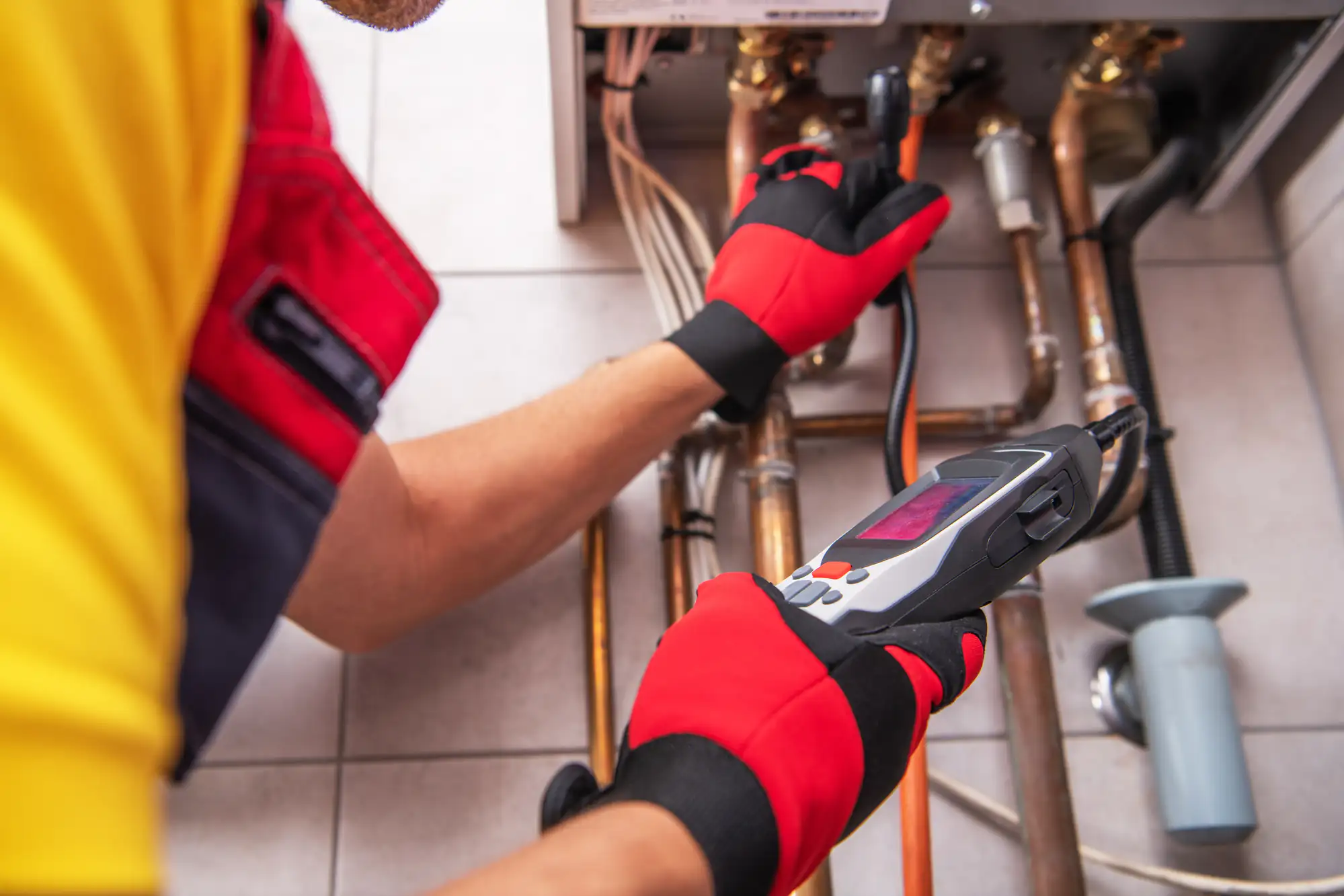
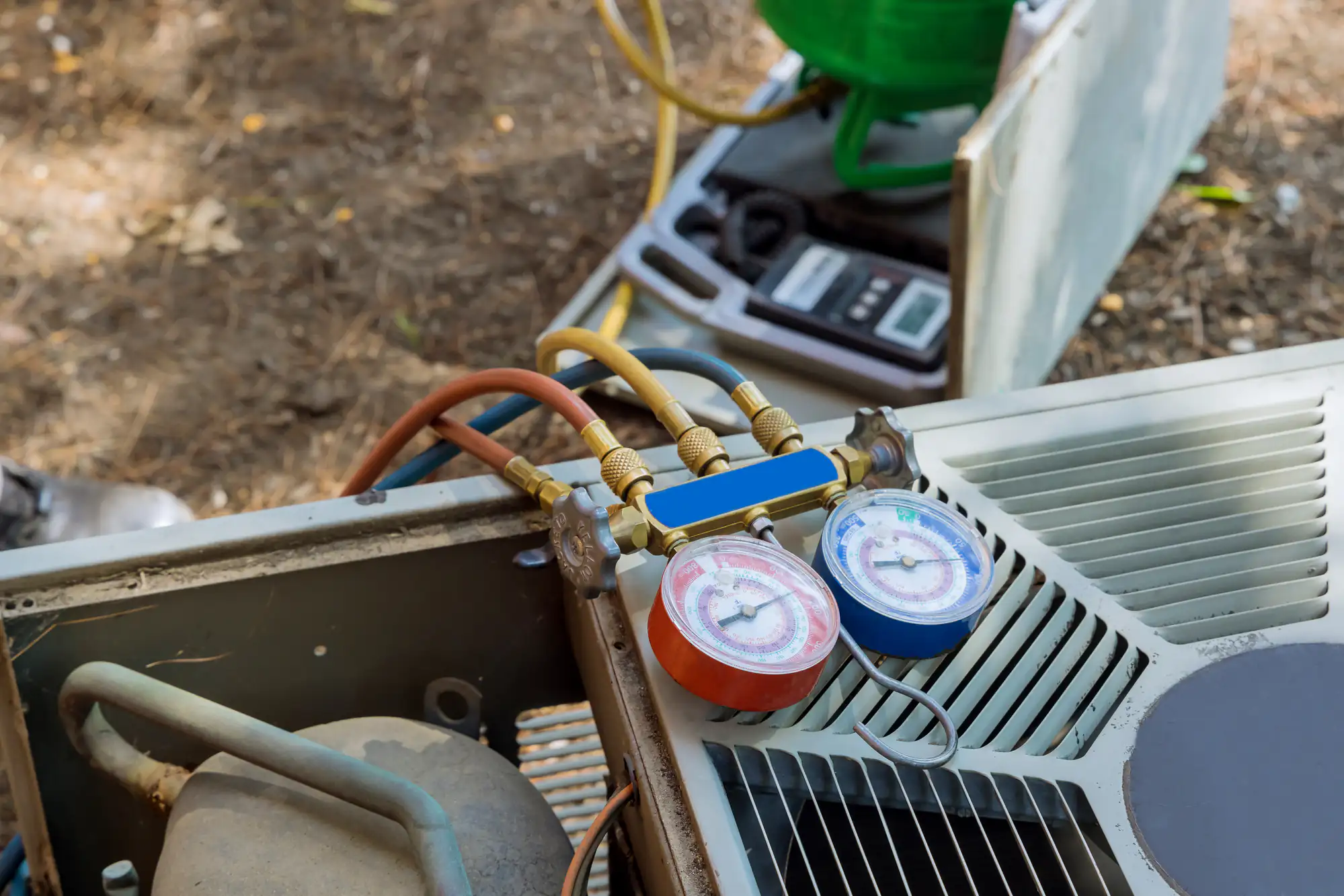
If it’s a repair, we diagnose the real issue. Not the symptom, the cause. That might mean checking airflow, testing your thermostat calibration, inspecting ductwork for leaks, or running diagnostics on your compressor. We’ve seen systems fail for a dozen reasons that have nothing to do with age, and we’ve seen 20-year-old units that just needed a $200 fix instead of a $12,000 replacement.
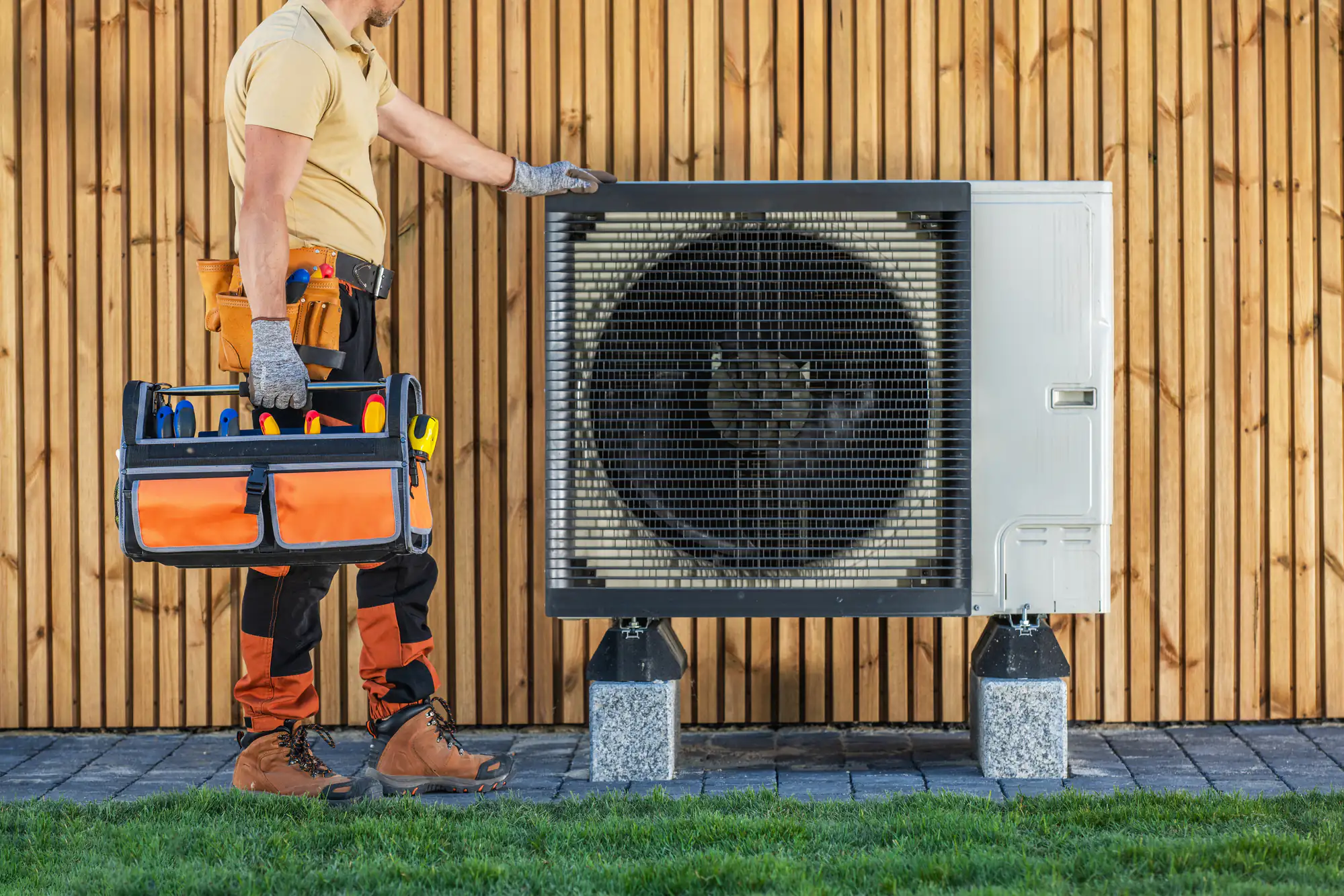
If it’s an installation—whether that’s a new furnace, a heat pump system, or upgrading to a smart thermostat—we walk through your options based on your home, your budget, and your actual usage patterns. We’re not going to sell you the biggest unit on the shelf. We’re going to install what makes sense, ensure it’s calibrated correctly, and make sure you understand how to use it.
After the work’s done, you’re not on your own. We’re available around the clock if something feels off or you have questions. Maintenance contracts are available if you want scheduled check-ins to catch problems before they become expensive. Most people don’t think about their HVAC until it stops working. That’s usually the worst time to deal with it.
Ready to get started?
You’re getting the full scope: heating system maintenance, air conditioning repair, furnace installation, HVAC replacement, and indoor air quality improvements. That covers everything from why your basement’s freezing in winter to why your bedroom’s stuffy year-round.
Valley Stream homes—especially older ones—often deal with uneven heating and cooling. That’s usually an airflow issue, not a broken furnace. We check ductwork, vents, and zoning to figure out why some rooms feel like a different climate. If your system’s running constantly but barely keeping up, that’s a red flag for efficiency loss or an undersized unit.
Indoor air quality is bigger than most people realize. If anyone in your house deals with allergies, asthma, or just gets sick more in winter, your HVAC might be circulating dust, allergens, and bacteria. We install whole-home air quality systems—HEPA-grade filtration, UV-C treatment, smart humidity control. It’s not just about temperature. It’s about breathing clean air in a $679,000 investment.
Heat pumps are outselling gas furnaces now, and for good reason. They’re more efficient, they heat and cool, and you can get up to $2,000 in federal tax credits for qualifying systems. We’ll tell you if that makes sense for your home or if a traditional setup is the better play. We’ve installed both, and we’re not tied to one answer.
Smart thermostats can cut your heating and cooling costs by 10 to 26 percent annually. They learn your schedule, send you alerts when something’s running abnormally, and let you control everything from your phone. If you’re still using a manual dial thermostat from 1998, you’re leaving money on the table every month.
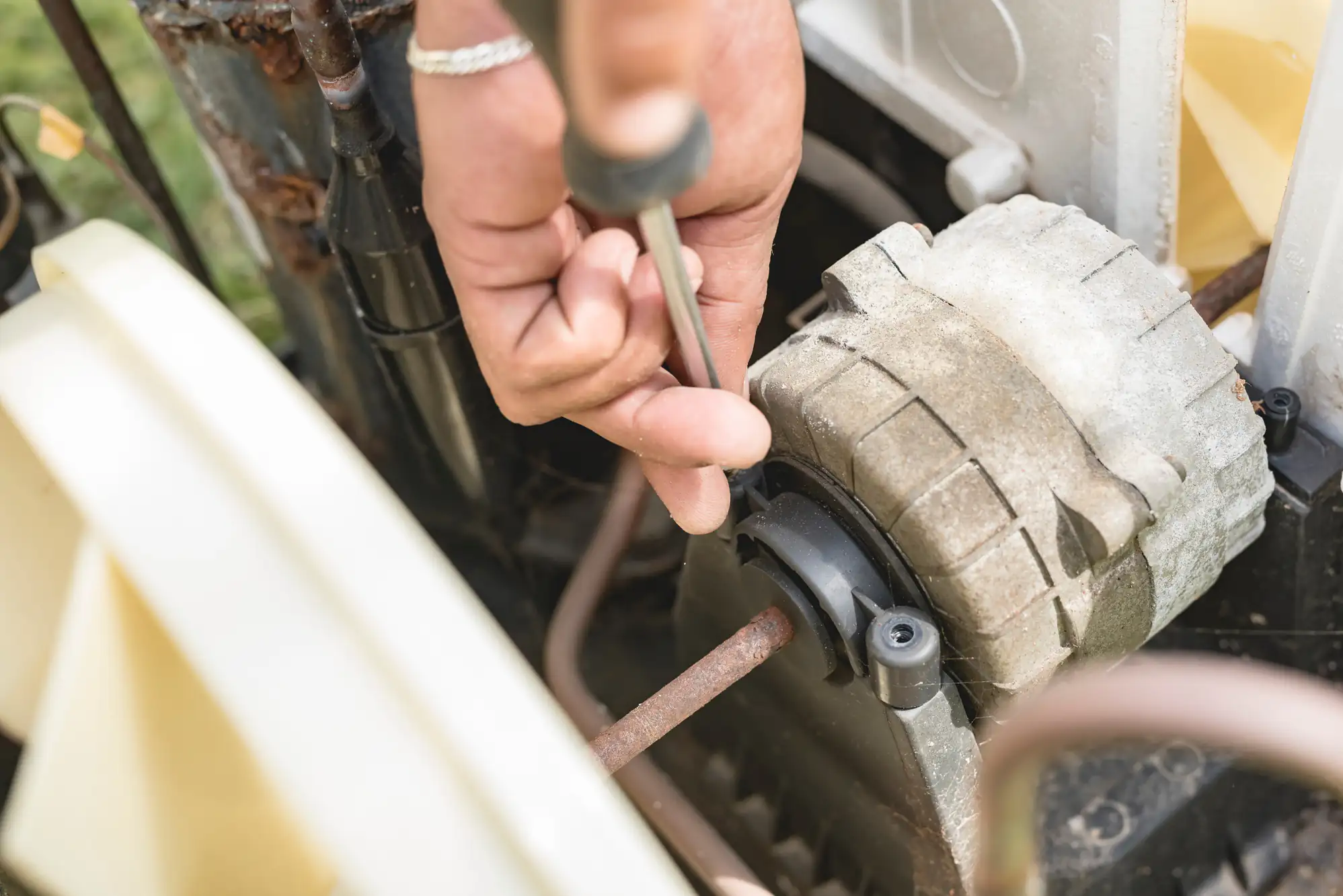
If your system’s under 10 years old and the repair costs less than half the price of a new unit, repair usually makes sense. If it’s over 15 years old, needs its second or third repair this year, or the fix costs more than $1,200, replacement is often the smarter move.
Here’s the math most people miss: older systems lose efficiency even when they’re “working.” A 15-year-old AC might still blow cold air, but it’s using 20 to 30 percent more energy to do it. You’re paying for that every month. Add in rising repair costs, and you hit a point where you’re financing a new system whether you buy one or not—you’re just doing it through your utility bill.
We’ll give you the honest breakdown. If a repair buys you another five years, we’ll tell you. If you’re three months away from another breakdown, we’ll tell you that too. The goal is fewer surprises and better decisions, not just selling equipment.
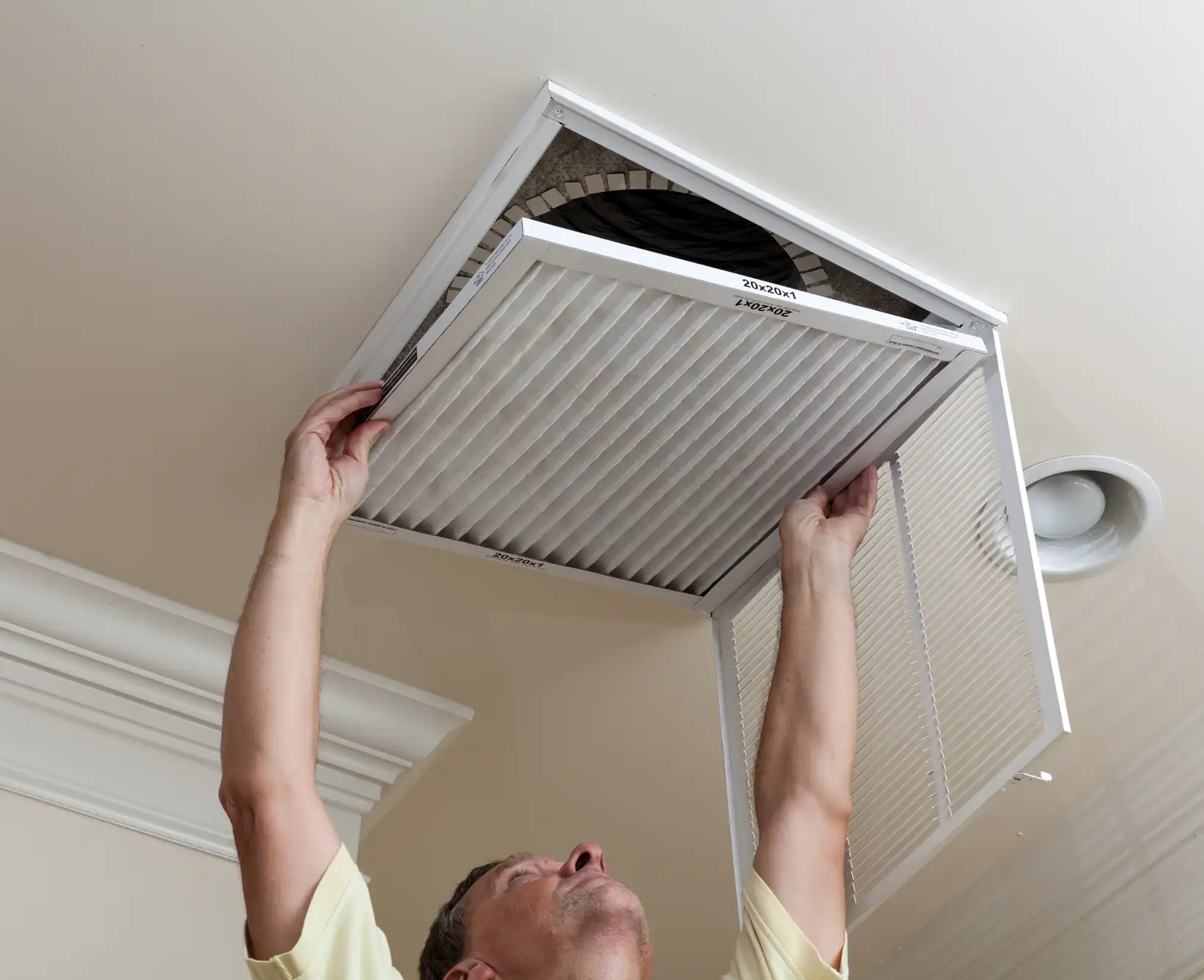
Maintenance catches small problems before they become expensive ones. A clogged filter, a refrigerant leak, or a failing capacitor won’t announce itself until your system stops working—usually mid-summer or during a cold snap.
Regular check-ins mean we’re cleaning coils, testing airflow, checking electrical connections, and making sure refrigerant levels are where they should be. That keeps efficiency up and prevents the kind of wear that leads to compressor failure or blower motor burnout. Most emergency calls we get could’ve been avoided with a $200 tune-up six months earlier.
The other piece: your system lasts longer. An HVAC unit that gets annual maintenance can hit 18 to 20 years. One that doesn’t usually dies around 12 to 15. You’re talking about thousands of dollars in replacement costs and years of reliability. It’s not exciting, but it’s one of the few home maintenance tasks that actually pays for itself.
Between 10 and 26 percent annually, depending on your current setup and how you use it. If you’re spending $2,400 a year on heating and cooling, that’s $240 to $620 back in your pocket every year.
Smart thermostats work because they adjust automatically based on your schedule. If nobody’s home from 9 to 5, there’s no reason to heat or cool an empty house to 72 degrees. The system learns when you’re around, when you’re not, and adjusts accordingly. You’re not paying to climate-control air nobody’s using.
They also catch problems early. If your system’s running longer than usual or using more energy than normal, you get an alert. That’s often the first sign something’s wrong—before it becomes a full breakdown. The thermostat pays for itself in energy savings within a year or two, and after that, it’s just money you’re keeping instead of handing to the utility company.
Because your HVAC system is what moves air through your entire home. If that air is full of dust, allergens, mold spores, or bacteria, your system’s just circulating the problem from room to room.
Most people don’t realize their indoor air can be two to five times more polluted than outdoor air. That’s especially true in tightly sealed homes where air doesn’t exchange as often. Your HVAC pulls in whatever’s floating around—pet dander, pollen, VOCs from cleaning products, dust mites—and pushes it back out through your vents.
Whole-home air quality systems fix that. HEPA filters catch particles down to 0.3 microns. UV-C lights kill bacteria and mold before they spread. Humidity control keeps moisture levels where they should be, which prevents mold growth and makes your home more comfortable. If anyone in your house has allergies or asthma, this isn’t optional. It’s the difference between managing symptoms and actually breathing clean air.
Yes, especially with current federal tax credits covering up to $2,000 of the install cost. Heat pumps heat and cool your home using the same system, they’re more energy-efficient than traditional furnaces, and they work fine in New York winters with modern cold-climate models.
The old concern was that heat pumps couldn’t handle freezing temperatures. That’s not true anymore. Today’s cold-climate heat pumps operate efficiently down to -15°F or lower. Valley Stream winters rarely hit that, so you’re covered.
The efficiency piece matters more than people think. Heat pumps move heat instead of generating it, which uses less energy. Over a full year, that adds up to lower utility bills and a smaller carbon footprint. Combined with the tax credit and long-term energy savings, most homeowners see payback within three to four cooling seasons. After that, it’s just savings. If your furnace or AC is near the end of its life anyway, a heat pump is worth the conversation.
For a full system replacement—furnace and AC or a heat pump setup—most Valley Stream homeowners spend between $8,000 and $15,000 depending on the size of the home, the equipment selected, and whether ductwork needs modification.
That’s a wide range because every home is different. A 1,200-square-foot ranch with existing ductwork in good shape costs less than a 2,500-square-foot colonial that needs new zones or duct sealing. High-efficiency systems with smart controls and air quality upgrades cost more upfront but save you money monthly. Budget systems cost less to install but run higher operating costs for the next 15 years.
We give free estimates, and we break down exactly what you’re paying for: equipment, labor, permits, warranties, and any add-ons like thermostat upgrades or air filtration. No surprises, no padding. You’ll know what the job costs and why before we start. And if there’s a way to phase the work or capture rebates and tax credits, we’ll walk you through that too. The goal is a system that works and a price that makes sense—not just selling the most expensive option on the shelf.