Hear from Our Customers
Your air conditioning shouldn’t quit during a heatwave. Your furnace shouldn’t fail when temperatures drop. And you shouldn’t be paying $300+ monthly electric bills because your system runs nonstop trying to keep up.
When your HVAC system actually works the way it should, you notice the difference immediately. Rooms stay comfortable without constant thermostat adjustments. Humidity doesn’t make your home feel sticky in summer. Your energy bills drop because the system isn’t fighting against salt corrosion or clogged filters.
That’s what happens when someone installs the right equipment for Wantagh’s coastal climate and maintains it correctly. Standard residential HVAC equipment lasts 15-20 years inland. Within a mile of the water, you’re looking at 10-12 years unless you’re using marine-grade components and protective coatings. Most companies don’t mention that until your system fails early.
We’ve spent 40+ years working in coastal environments. We know which brands hold up, which components corrode first, and how to protect your investment from day one. You get systems designed for salt air, not just standard residential installs that’ll need replacing in half the expected lifespan.
We’ve been handling complex HVAC and refrigeration systems across Long Island since the 1980s. Marine environments, commercial kitchens, custom installations that don’t fit standard equipment specs. The kind of work that requires actual expertise, not just following a manual.
Wantagh homeowners face the same coastal challenges our commercial clients do. Salt air that corrodes outdoor units. Humidity that shifts rapidly. Systems that work overtime because they’re fighting the environment instead of working with it.
We’re fully licensed and insured to work on any HVAC system in New York State. Our technicians hold EPA Section 608 certifications for refrigerant handling. We answer our phone 24/7 because HVAC emergencies don’t wait for business hours. And we stock our trucks for same-day repairs because waiting three days for a part when your heat’s out isn’t acceptable.
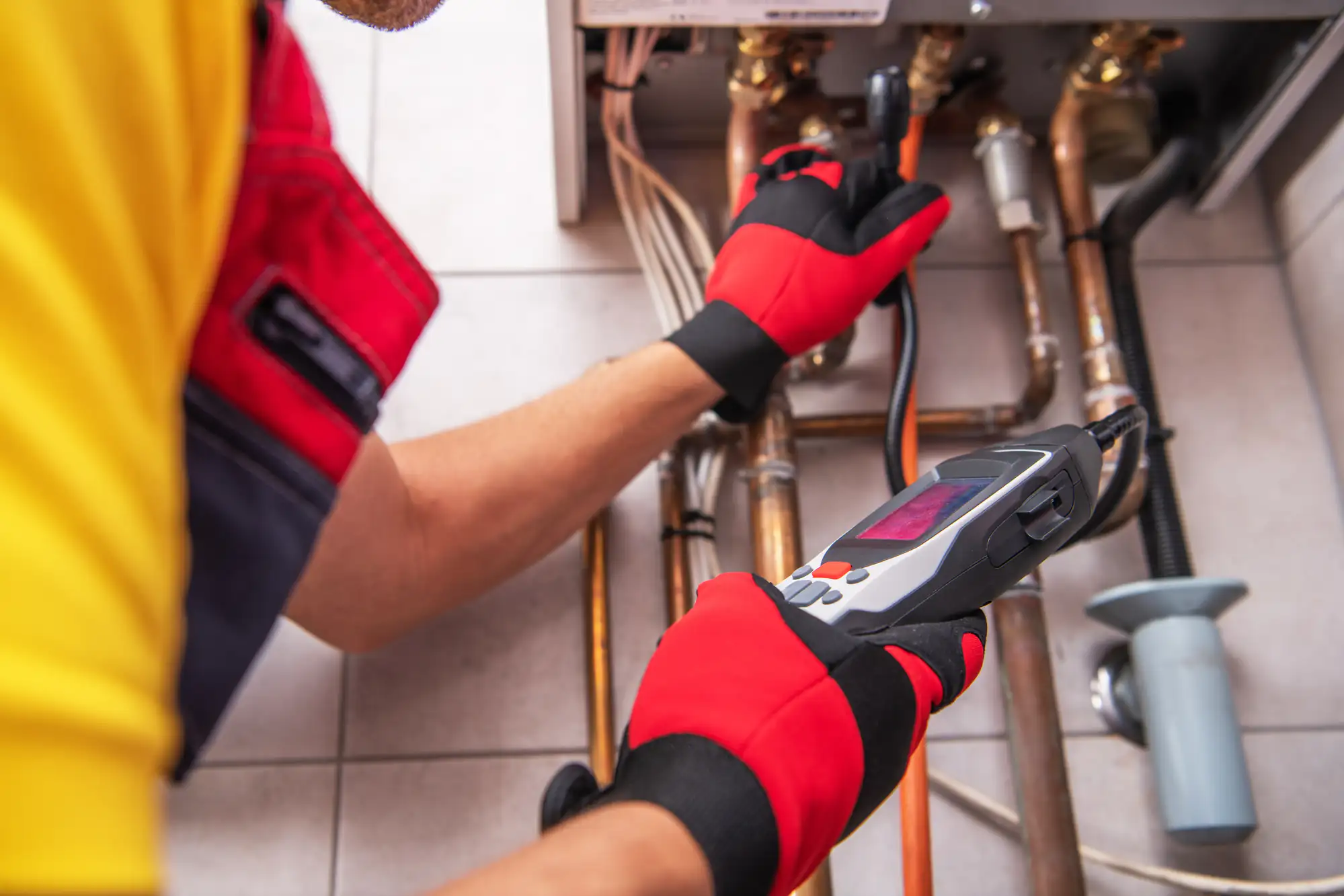
You call or contact us. We schedule a time that works for you, not just when we have an opening. If it’s an emergency, we’re there within hours.
We assess your actual situation. Not just your current equipment, but your home’s layout, insulation, proximity to the water, and what you’re trying to accomplish. A 2,000 square foot home three blocks from the bay needs different equipment than the same size house two miles inland.
Before any work starts, you get a clear explanation of what’s wrong, what needs to happen, and exactly what it costs. No surprises. No hidden fees. No pressure to upgrade to equipment you don’t need.
Installation happens on schedule. We protect your floors and workspace. We test everything before we leave. And we walk you through your new system’s operation and maintenance requirements so you know what to expect.
You get our number for 24/7 support. If something goes wrong at 2 AM on a Sunday, you’re not leaving voicemails. You’re talking to someone who can actually help.
Ready to get started?
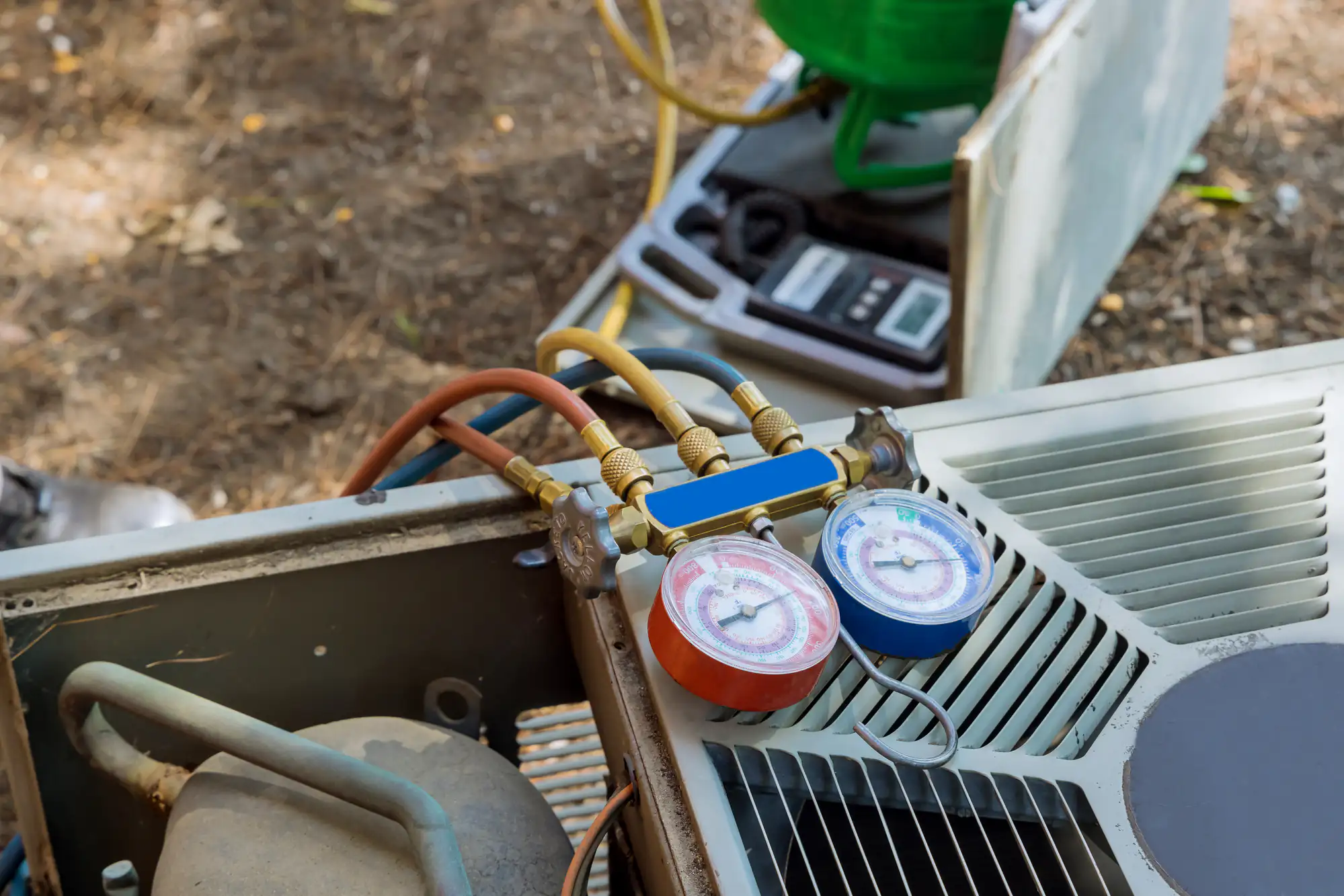
Air conditioning repair and replacement gets you through Long Island summers without the system running 24/7 trying to keep up. We handle everything from refrigerant leaks to full system replacements with equipment rated for coastal environments.
Furnace installation and heating system maintenance keeps you warm when temperatures drop. We work with gas, oil, and electric systems. Heat pumps are becoming the standard, especially with federal tax credits up to $2,000 and PSEG rebates reaching $11,000 for qualifying installations.
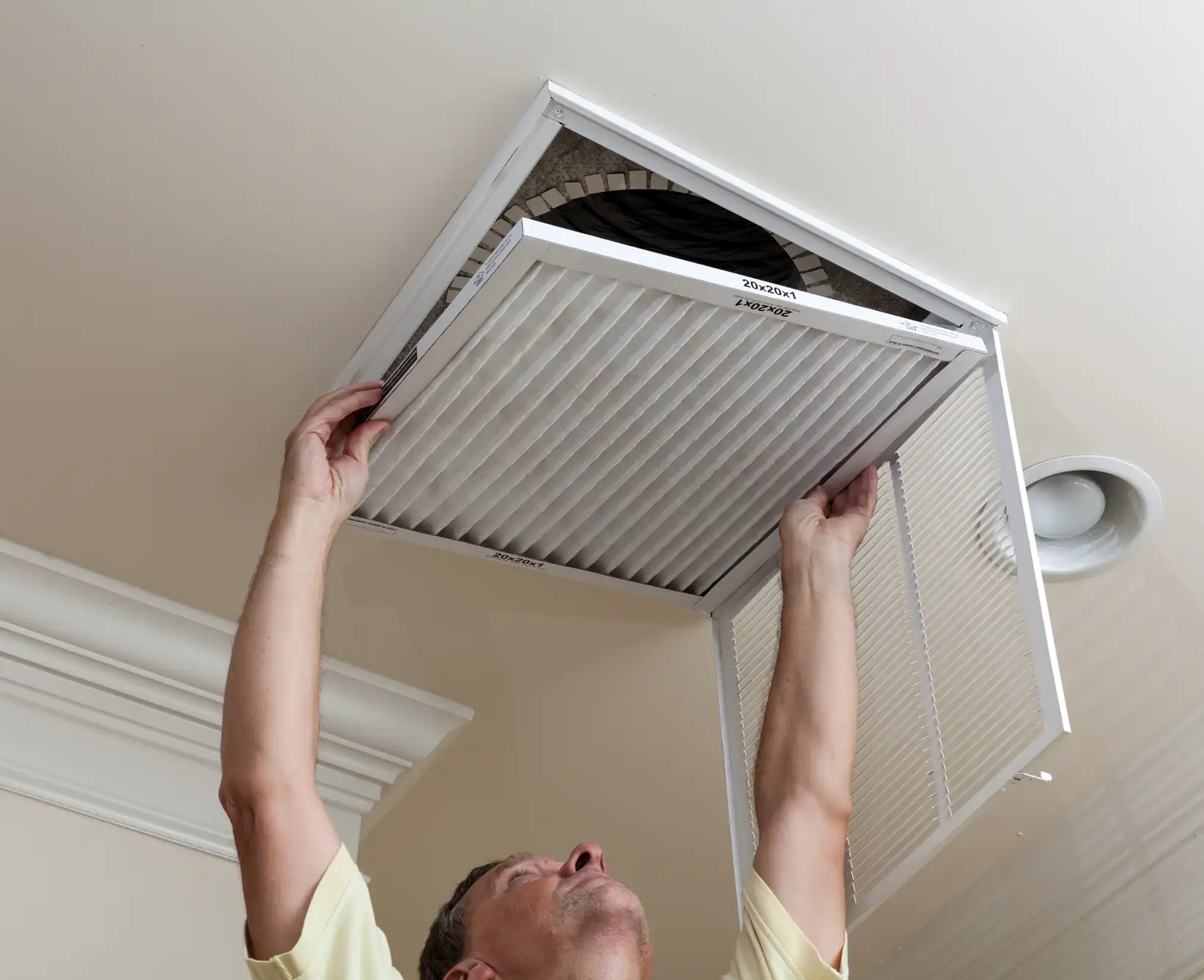
Indoor air quality matters more than most people realize. Salt air carries particles. Spring pollen clogs filters fast. Humidity creates conditions for mold. We install filtration systems, dehumidifiers, and ventilation solutions that actually address Wantagh’s specific air quality challenges.
Smart thermostat installation gives you control from anywhere and cuts energy waste. Systems learn your schedule, adjust automatically, and send maintenance alerts before small issues become expensive failures. When integrated correctly, you’re looking at 20-30% energy savings.
Emergency HVAC service means we’re available when your system isn’t. Nights, weekends, holidays. Typical response time is within a few hours. We fix it right the first time because coming back to redo work wastes your time and ours.
Preventive maintenance catches problems early. Monthly condenser rinses to remove salt buildup. Annual inspections with anti-corrosive coatings. Filter changes on schedule. Regular maintenance can extend your system’s life by 30-50% in coastal areas and reduce energy costs up to 20%.
Standard equipment lasts 10-12 years within a mile of the water. Five miles inland, you’d get 15-20+ years from the same system. The difference is salt air.
Salt acts as an electrolyte. It causes dissimilar metals in your outdoor unit to corrode faster. Without coastal-grade protection, you lose 30-50% of your expected lifespan.
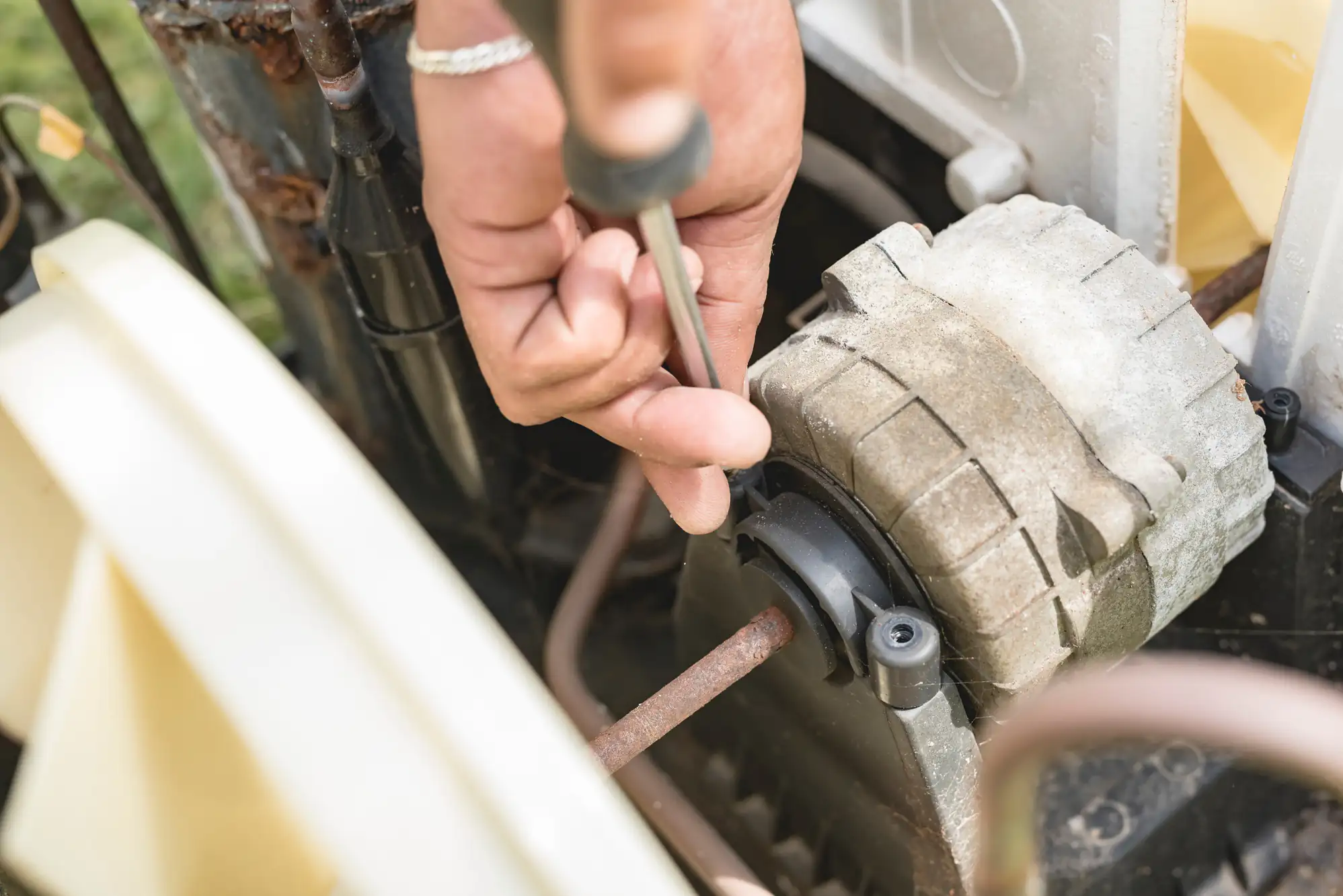
That’s why we use marine-grade components and apply anti-corrosive coatings during installation. Monthly condenser rinses with fresh water remove salt buildup before it causes damage. Annual professional service includes reapplication of protective coatings. These aren’t expensive add-ons. They’re necessary maintenance if you want your system to last.
Federal tax credits offer up to $2,000 for qualifying heat pump installations. PSEG rebates range from $4,000 for a 1-ton air source heat pump up to $10,500 for a 5-ton system. You can combine both.
The catch is “qualifying.” Not every system qualifies. Not every installation meets requirements. And if the paperwork isn’t filed correctly, you don’t get the money.
We handle the qualification verification and paperwork. You tell us what you want to accomplish. We identify which systems qualify for maximum rebates and credits. Then we make sure everything’s documented correctly so you actually receive what you’re entitled to. Many homeowners see payback on their efficiency premium within 3-4 cooling seasons when incentives are properly applied.
Three common causes in Wantagh homes: undersized equipment, salt-damaged coils, or refrigerant issues.
If your system was sized for a house inland, it’s probably undersized for coastal humidity. Your AC isn’t just cooling air—it’s dehumidifying. That takes more capacity near the water. A system that would handle 2,000 square feet inland might struggle with 1,500 square feet three blocks from the bay.
Salt buildup on condenser coils reduces airflow and heat transfer. Your system runs longer trying to achieve the same cooling. Monthly rinses with fresh water prevent this, but most homeowners don’t know to do it.
Low refrigerant from slow leaks makes the system work harder to move less heat. Coastal corrosion creates pinhole leaks that wouldn’t happen inland. We find the leak, fix it properly, and recharge the system to manufacturer specs.
If repair costs exceed 50% of replacement value and your system is over 10 years old, replacement usually makes more sense. But that’s not a universal rule.
A 7-year-old system with a failed compressor might cost $2,500 to repair. Replacement runs $8,000-12,000. Repair makes sense if the rest of the system is solid. A 14-year-old system with the same failure is throwing money at equipment that’s near end-of-life anyway.
Energy efficiency matters too. Systems from 2010 use significantly more electricity than current models. If you’re paying $250+ monthly to cool your home in summer, a new high-efficiency system might save $1,200+ annually. That changes the math on replacement.
We’ll tell you honestly what makes sense for your situation. Sometimes repair is the right call. Sometimes it’s just delaying the inevitable. You get the information to make the decision that works for your budget and timeline.
In Wantagh, yes. Coastal environments require more frequent maintenance than inland locations.
Standard advice is annual HVAC service. That works fine in areas without salt air. Here, you need monthly condenser rinses during peak season and bi-annual professional service minimum. Spring before cooling season starts. Fall before heating season begins.
A maintenance contract ensures this actually happens instead of getting forgotten until something breaks. Regular service visits catch small issues before they become expensive failures. Dirty filters, refrigerant leaks, corroded electrical connections, worn belts—all things that cause breakdowns if ignored.
The cost difference is significant. Emergency service calls run $200-400 just to diagnose the problem. Repairs add to that. Preventive maintenance runs $150-250 per visit. Two planned visits per year cost less than one emergency call, and you avoid the breakdown entirely. Systems on maintenance contracts last 30-50% longer in coastal areas because corrosion gets addressed before it causes permanent damage.
Component selection and maintenance requirements. Standard residential equipment isn’t designed for salt air exposure.
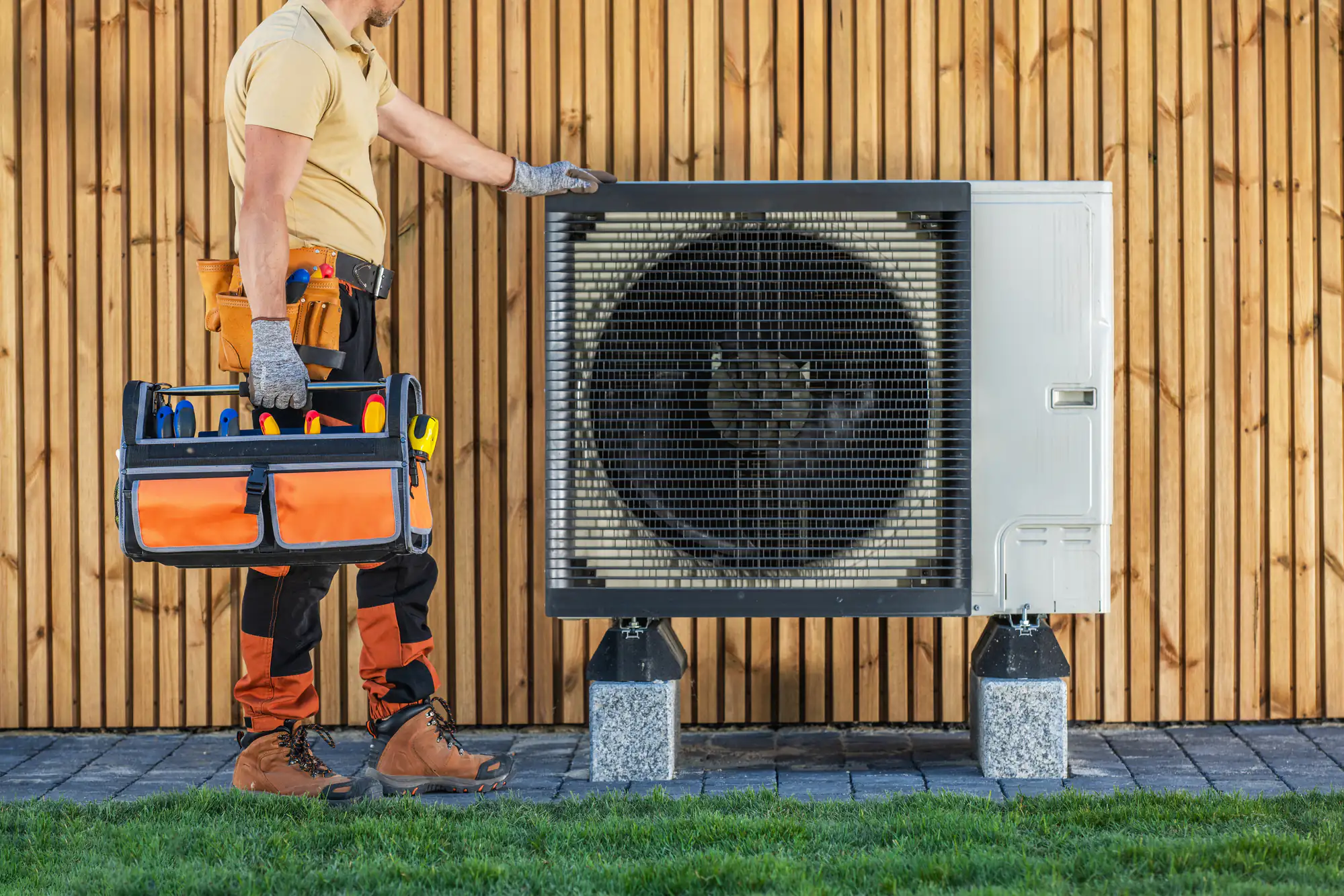
Outdoor units need corrosion-resistant coatings on coils and cabinets. Electrical connections require dielectric grease to prevent oxidation. Fasteners should be stainless steel, not standard zinc-plated hardware that rusts through. Drain pans need extra protection because salt accelerates deterioration.
Installation matters too. Units should be positioned to minimize direct salt spray exposure when possible. Landscaping around outdoor units needs to allow for monthly rinsing access. Clearances must accommodate coastal wind conditions.
Maintenance frequency is different. Inland systems can go months between filter changes. Coastal systems need monthly checks during high-use seasons. Annual service inland becomes bi-annual service near the water. Condenser coil rinsing isn’t part of standard maintenance protocols, but it’s essential here.
Most residential HVAC companies don’t deal with these factors because they’re not necessary for 90% of their service area. We’ve spent four decades working in marine environments where equipment fails fast if you don’t account for coastal conditions. That experience translates directly to keeping residential systems running in Wantagh.