Hear from Our Customers
Your system either keeps your family comfortable year-round, or it’s costing you money every month it runs inefficiently. Most homes in West Hills are dealing with both—uneven temperatures in different rooms, utility bills creeping up each season, and the nagging worry that something’s about to break during the worst possible week.
When your furnace installation or air conditioning repair is handled right the first time, you stop thinking about your HVAC system entirely. The temperature stays consistent. Your energy bills stabilize or drop. And you’re not wondering if you’ll wake up to a freezing house in January or a sweltering bedroom in August.
That’s what happens when the work is done by people who’ve spent four decades troubleshooting systems in conditions most contractors never see. We’ve handled marine HVAC in salt air, commercial refrigeration in high-demand kitchens, and complex installations at airports and yacht clubs. Residential heating system maintenance and HVAC replacement in West Hills? We can do that work in our sleep.
We’ve been solving heating and cooling problems across Long Island since 1984. We’re not the biggest name you’ll find, and we’re fine with that. What matters more is that when your system fails at 9 p.m. on a Sunday, we pick up the phone.
West Hills homeowners deal with specific challenges—older homes with outdated ductwork, high-value properties where a botched install isn’t just inconvenient but expensive, and a climate that swings from humid summers to freezing winters. You need someone who understands how systems perform in real Long Island conditions, not just what the manual says.
We’ve built our reputation on transparency, technical skill, and the kind of follow-through that keeps clients calling us back for decades. That includes dozens of five-star reviews and a client list that spans from Montauk to Manhattan.
You reach out—by phone, email, or through the website—and we schedule a time that works for you. No runaround, no waiting three weeks for someone to show up. If it’s an emergency, we move faster.
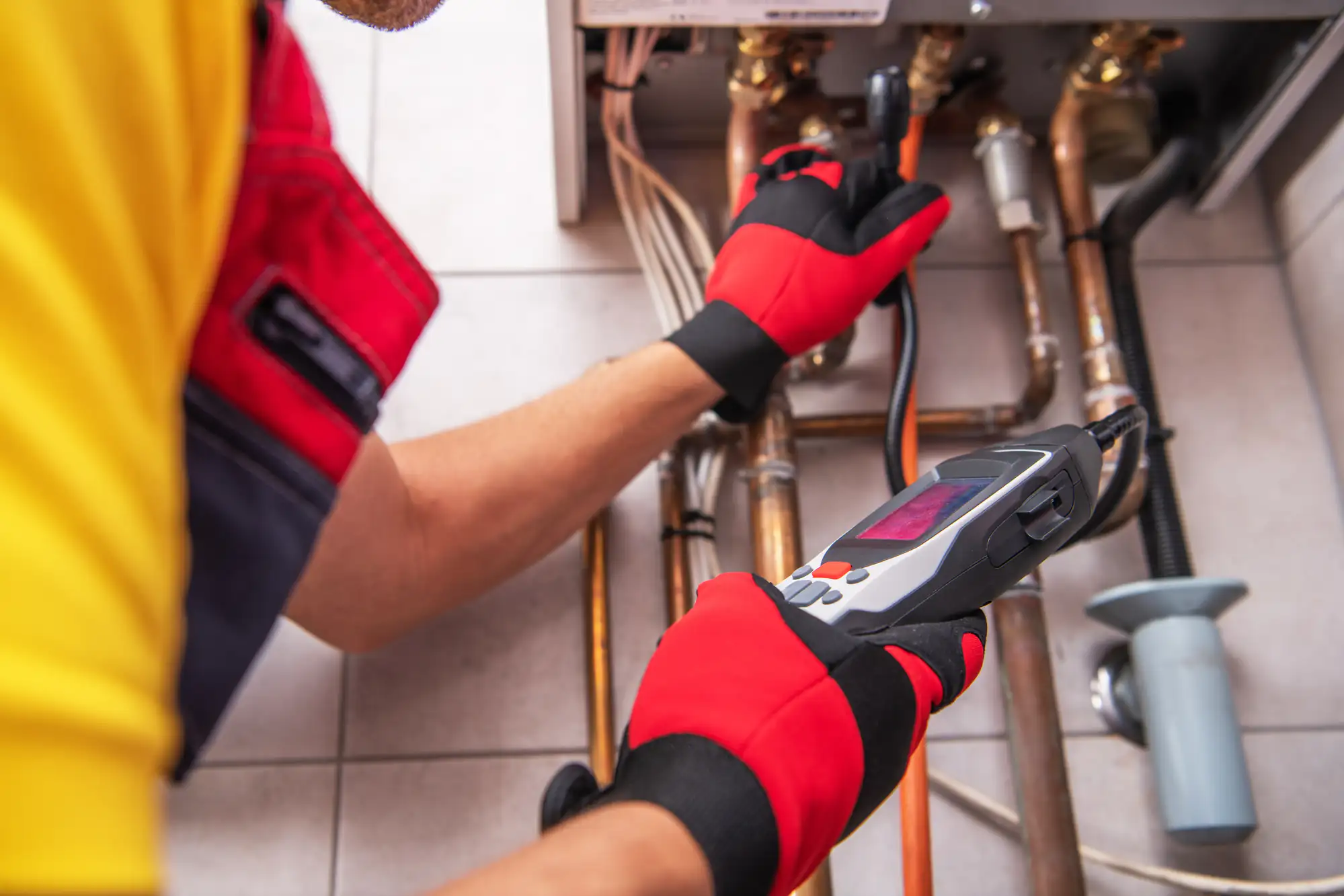
When we arrive, we assess the situation honestly. That means diagnosing the actual problem, not upselling you on equipment you don’t need. If your system can be repaired, we’ll tell you. If it’s time for a replacement, we’ll explain why and walk you through your options, including any rebates or incentives you qualify for through New York State programs.
Once you approve the work, we handle the installation or repair with the same standards we use for commercial clients—clean work site, manufacturer-certified parts, and systems tested before we leave. If it’s a new furnace installation or HVAC replacement, we make sure you understand how to operate it and what kind of maintenance it’ll need going forward.
After the job’s done, we don’t disappear. You have our number. If something doesn’t feel right or you have questions six months later, you call us. That’s how this works.
Ready to get started?
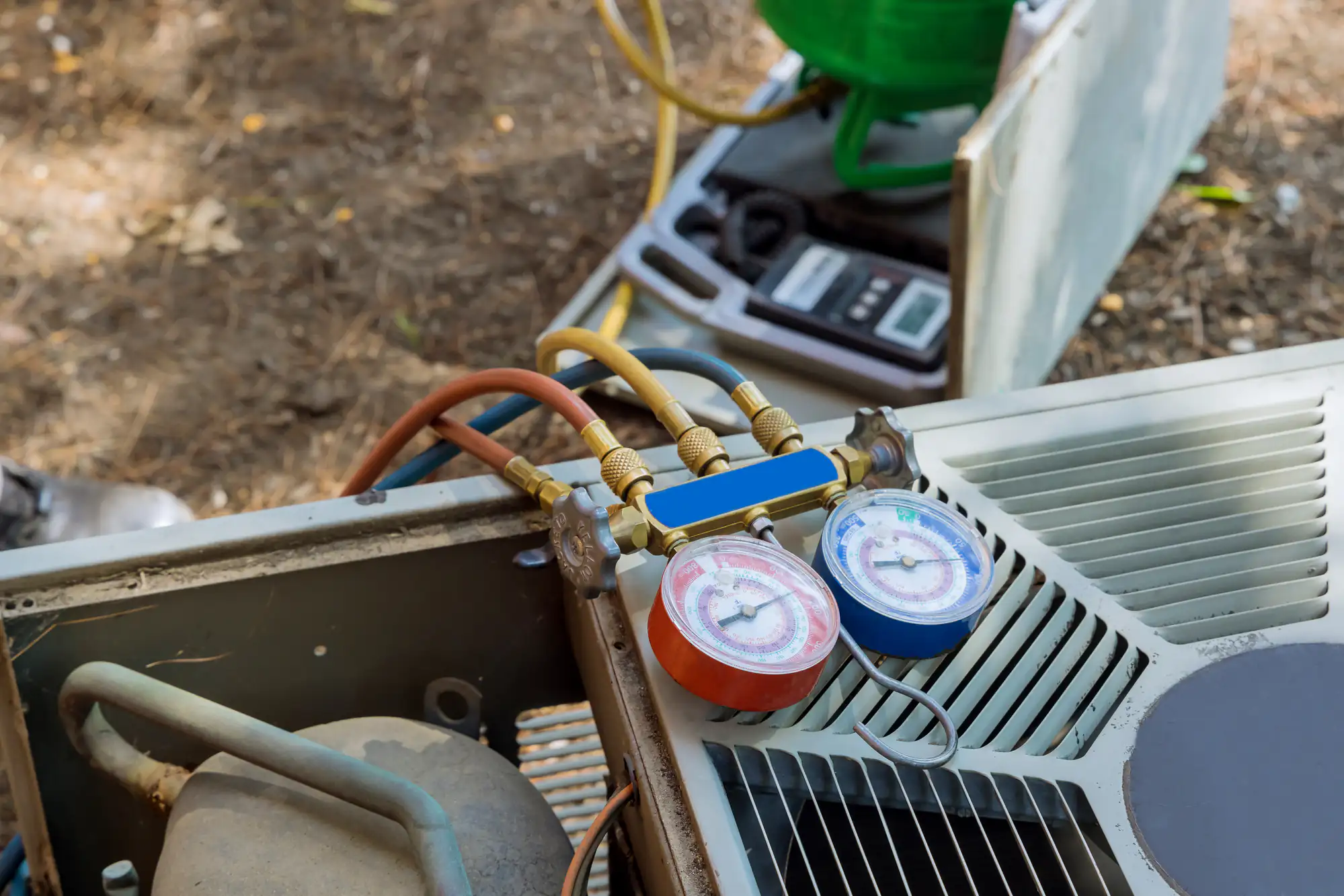
We handle air conditioning repair when your system stops cooling or starts making noises it shouldn’t. We install and replace furnaces when yours is beyond its useful life or costing more to run than a new high-efficiency model would. We perform heating system maintenance to catch small problems before they become expensive emergencies.
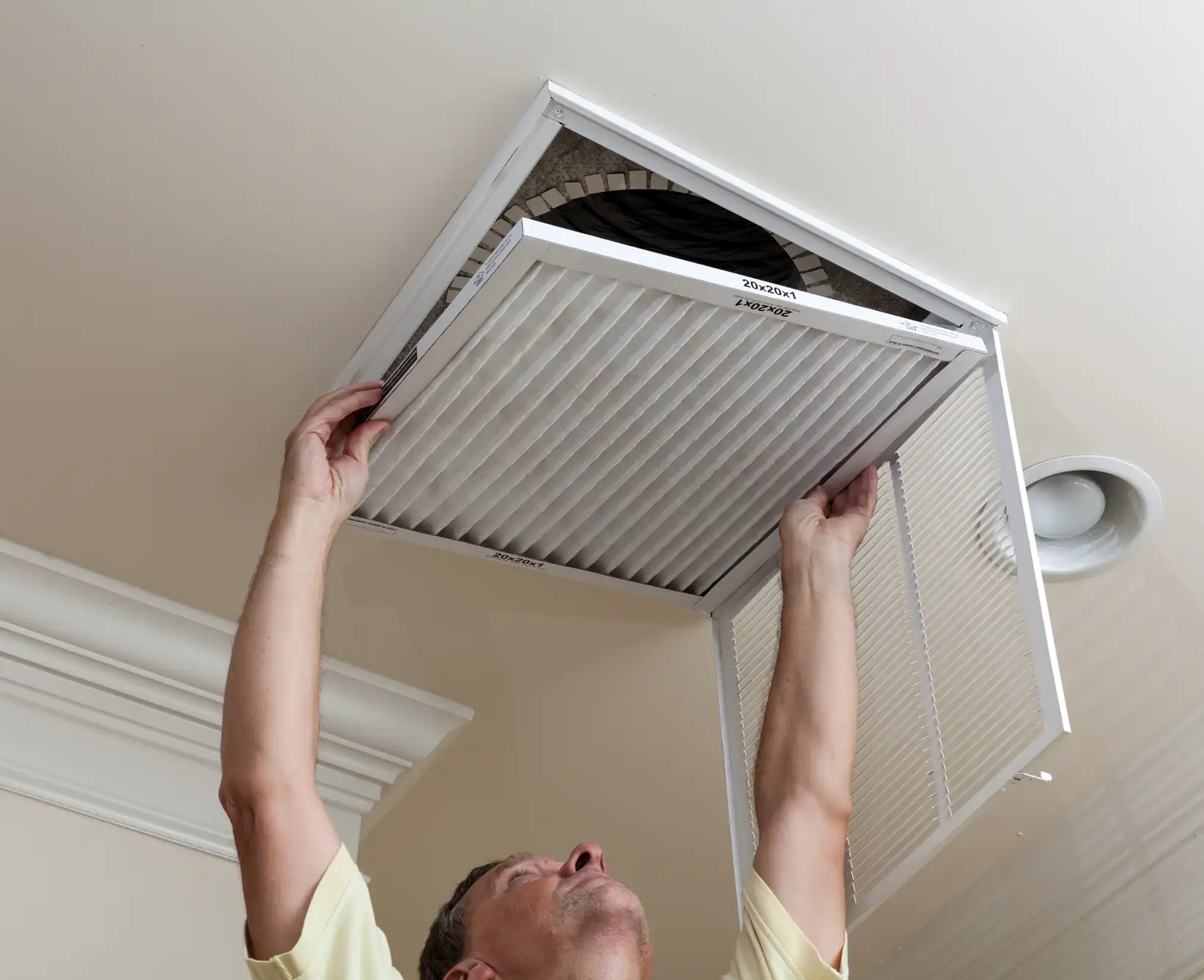
Indoor air quality matters more than most people realize, especially in West Hills homes where families are spending significant time indoors. We assess ventilation, humidity levels, and filtration to make sure the air you’re breathing isn’t making you sick or uncomfortable.
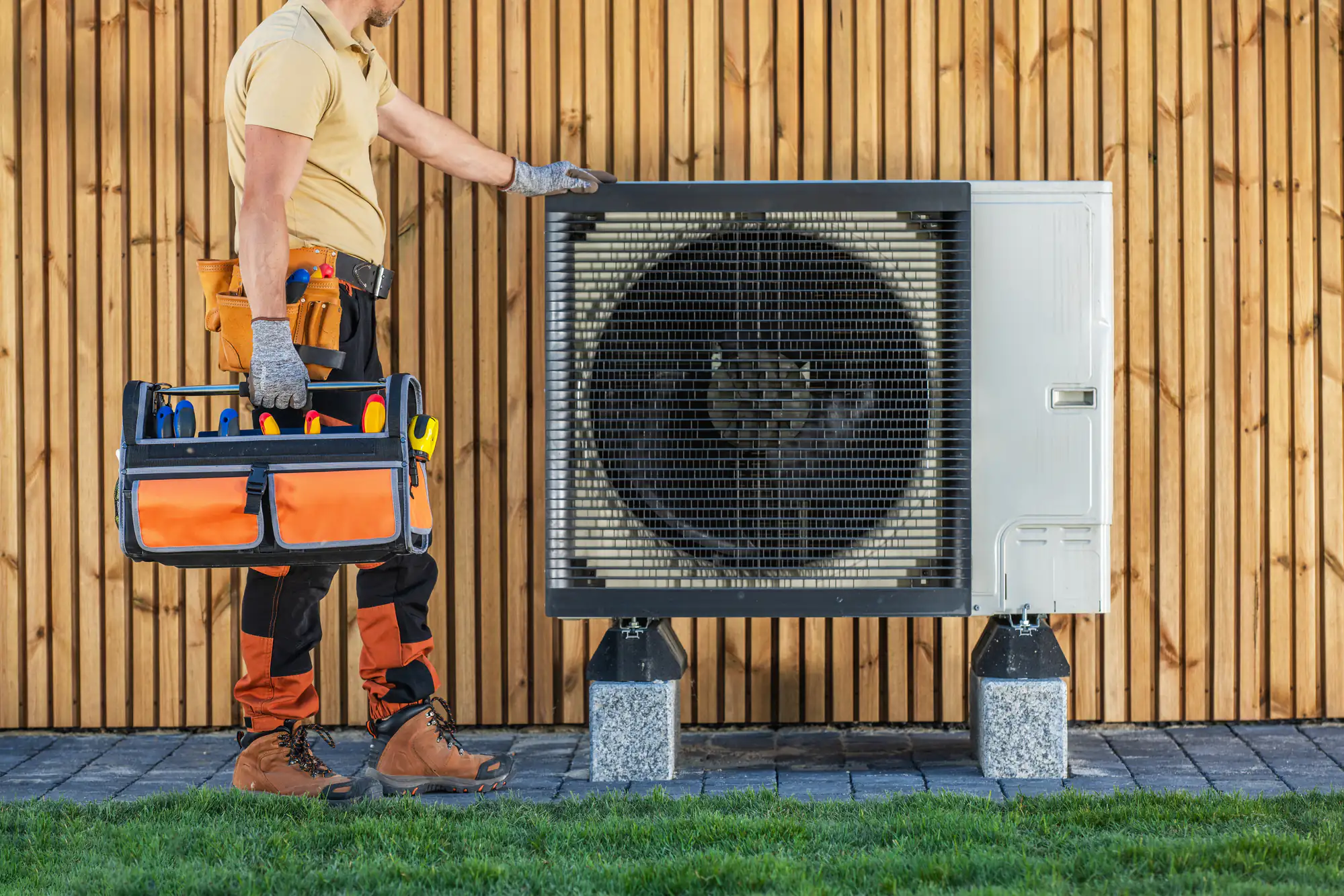
If you’re considering an HVAC replacement, we’ll walk you through efficiency ratings, sizing requirements, and rebate programs. New York State offers heat pump rebates up to $12,000 for qualifying systems, and navigating that process is part of what we do. We apply before installation, ensure your equipment qualifies, and handle the paperwork so you’re not leaving money on the table.
West Hills homes average over $865,000 in value, and your HVAC system is a significant part of protecting that investment. When it’s sized wrong, installed poorly, or maintained inconsistently, you’re looking at higher energy bills, shorter equipment life, and costly repairs. We make sure that doesn’t happen.
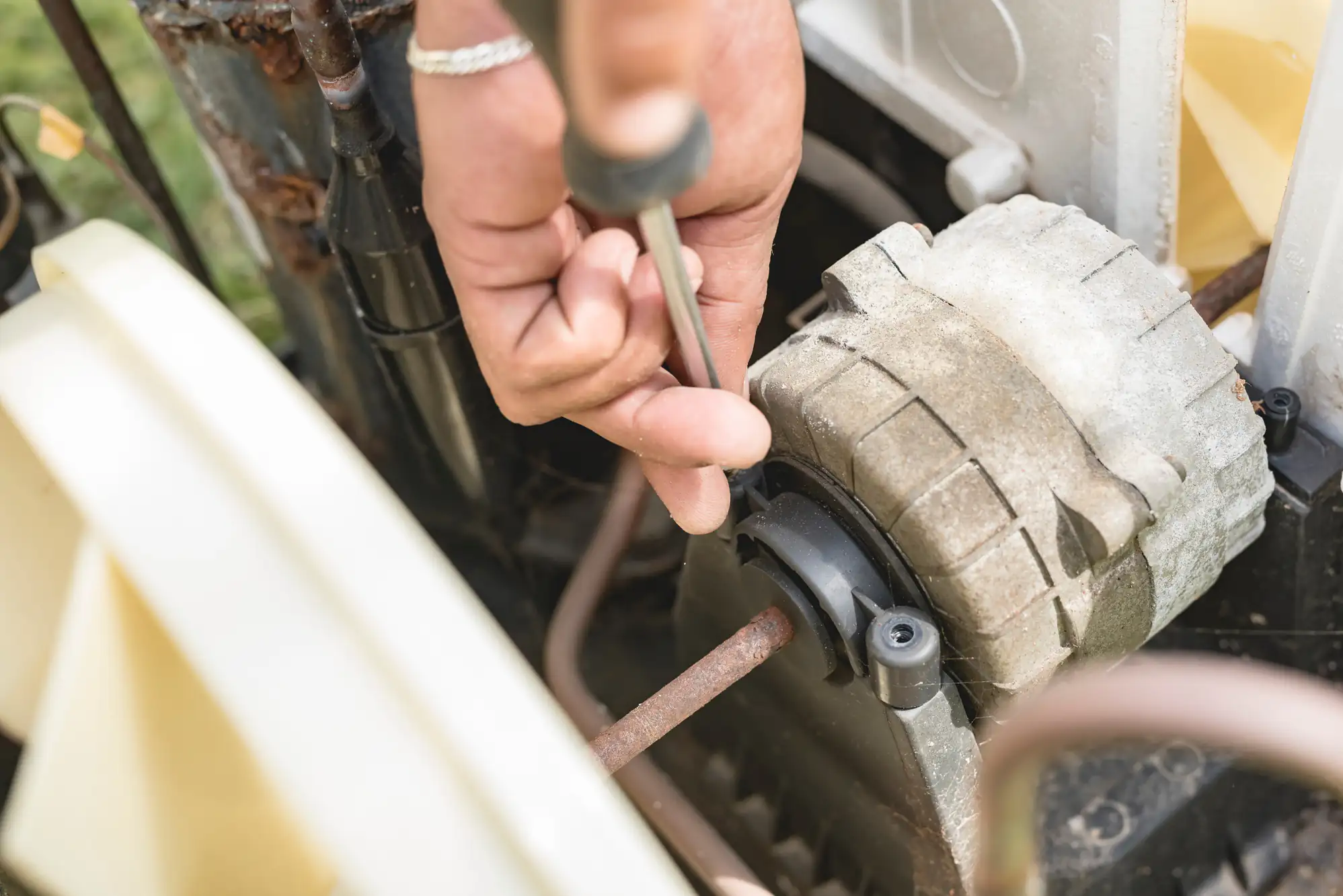
Twice a year is the standard—once before heating season and once before cooling season. That gives us a chance to catch worn parts, clean components that affect efficiency, and make sure your system is ready when you need it most.
Most West Hills homeowners skip maintenance until something breaks, and that’s when a $150 tune-up turns into a $1,200 repair. Preventive service also keeps your manufacturer’s warranty valid. Many warranties require proof of annual maintenance, and if you can’t provide it, you’re paying out of pocket for parts that should be covered.
During a maintenance visit, we’re checking refrigerant levels, testing electrical connections, inspecting ductwork for leaks, and making sure your thermostat is calibrated correctly. Small fixes now prevent big problems later, and your system runs more efficiently in the meantime.
If your system is blowing warm air, cycling on and off constantly, making grinding or squealing noises, or causing your energy bills to spike without explanation, you’re past tune-up territory. Those are signs of failing components—compressors, capacitors, refrigerant leaks, or motor issues.
Uneven cooling is another red flag. If one room is freezing and another is stuffy, that points to ductwork problems, a failing blower, or an undersized system that was never right to begin with. Humidity problems—where your home feels clammy even when the AC is running—usually mean the system isn’t removing moisture properly, which can indicate low refrigerant or airflow issues.
Strange odors are worth calling about immediately. A burning smell can mean electrical problems or overheating components. A musty smell usually points to mold in the ductwork or drain pan, which affects your indoor air quality and needs to be addressed before it spreads.
Age is the first factor. If your furnace is over 15 years old and needs a major repair—heat exchanger, blower motor, gas valve—you’re usually better off replacing it. Older systems are only about 60% efficient, meaning 40 cents of every dollar you spend on heating is wasted. New high-efficiency models can cut that waste significantly.
Repair costs matter too. If the repair is more than half the cost of a new system, and your furnace is already past its expected lifespan, replacement makes more financial sense. You’re not just avoiding the current repair—you’re avoiding the next one, and the one after that.
Frequent breakdowns are the third indicator. If you’re calling for furnace repairs multiple times per season, the system is telling you it’s done. At that point, you’re throwing money at a losing investment instead of putting it toward a new furnace installation that’ll last another 15 to 20 years with proper maintenance.
New York State’s Clean Heat Program offers rebates up to $12,000 for air-source heat pump installations, depending on your household income and the efficiency of the system you choose. These rebates are designed to offset the upfront cost of switching to high-efficiency electric heating and cooling.
The catch is you have to apply before installation, and the equipment has to meet specific efficiency standards. We handle that process for you—verifying eligibility, selecting qualifying equipment, and submitting the paperwork. If you try to do it yourself and miss a step, you can lose the rebate entirely.
There are also utility company incentives through National Grid and PSEG Long Island that can stack with state rebates. Between state programs, utility rebates, and federal tax credits, you can sometimes cover 30% to 50% of the total project cost. We walk you through all of it so you’re getting every dollar you qualify for.
Most residential HVAC replacements take one to two days, depending on the complexity of the install. If we’re swapping out a furnace and air conditioner in a straightforward setup with existing ductwork in good shape, we can usually finish in a day.
If the job involves modifying ductwork, upgrading electrical panels, installing a new thermostat or zoning system, or dealing with an older home where access is tight, it might stretch into a second day. We’ll tell you upfront what to expect based on your specific situation.
During the install, we’re removing the old equipment, setting and leveling the new units, connecting refrigerant lines, wiring the thermostat, testing airflow, and making sure everything is running correctly before we leave. We don’t rush it. A poorly installed system—even a high-efficiency one—will underperform and cost you more in the long run.
Indoor air quality affects everything from allergies and asthma to how well you sleep and how often you get sick. Most homes in West Hills are sealed up tight for energy efficiency, which is great for your utility bills but means you’re recirculating the same air—along with dust, pollen, pet dander, mold spores, and volatile organic compounds from cleaning products and furniture.
We assess your current ventilation, humidity levels, and filtration to identify what’s causing problems. Solutions range from upgrading to high-efficiency air filters and installing UV lights that kill mold and bacteria, to adding whole-home dehumidifiers or energy recovery ventilators that bring in fresh air without losing your heating or cooling.
Humidity is a big issue on Long Island. Too much moisture promotes mold growth and makes your home feel warmer than it is, forcing your AC to work harder. Too little dries out your skin and respiratory system and can damage wood furniture and flooring. We dial in the right balance so your home is comfortable and healthy year-round.