Hear from Our Customers
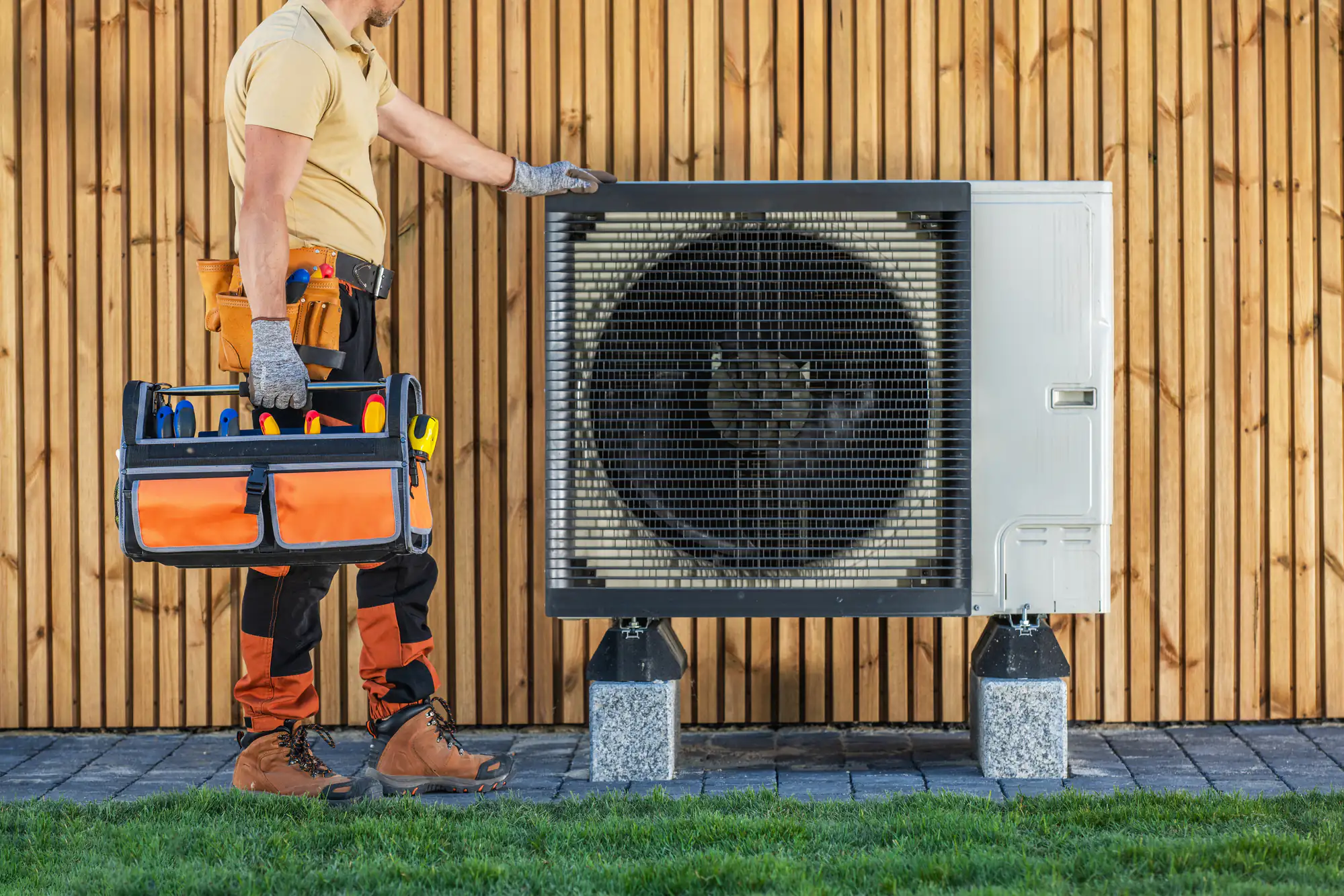
Your energy bills drop when your system actually runs the way it’s supposed to. That means proper installation from the start, not a quick job that costs you hundreds extra every year because your unit’s working twice as hard as it should.
You’re not waiting three days for a callback when your heat goes out in January. You get someone who picks up the phone, shows up on time, and knows what they’re looking at the moment they open your equipment.
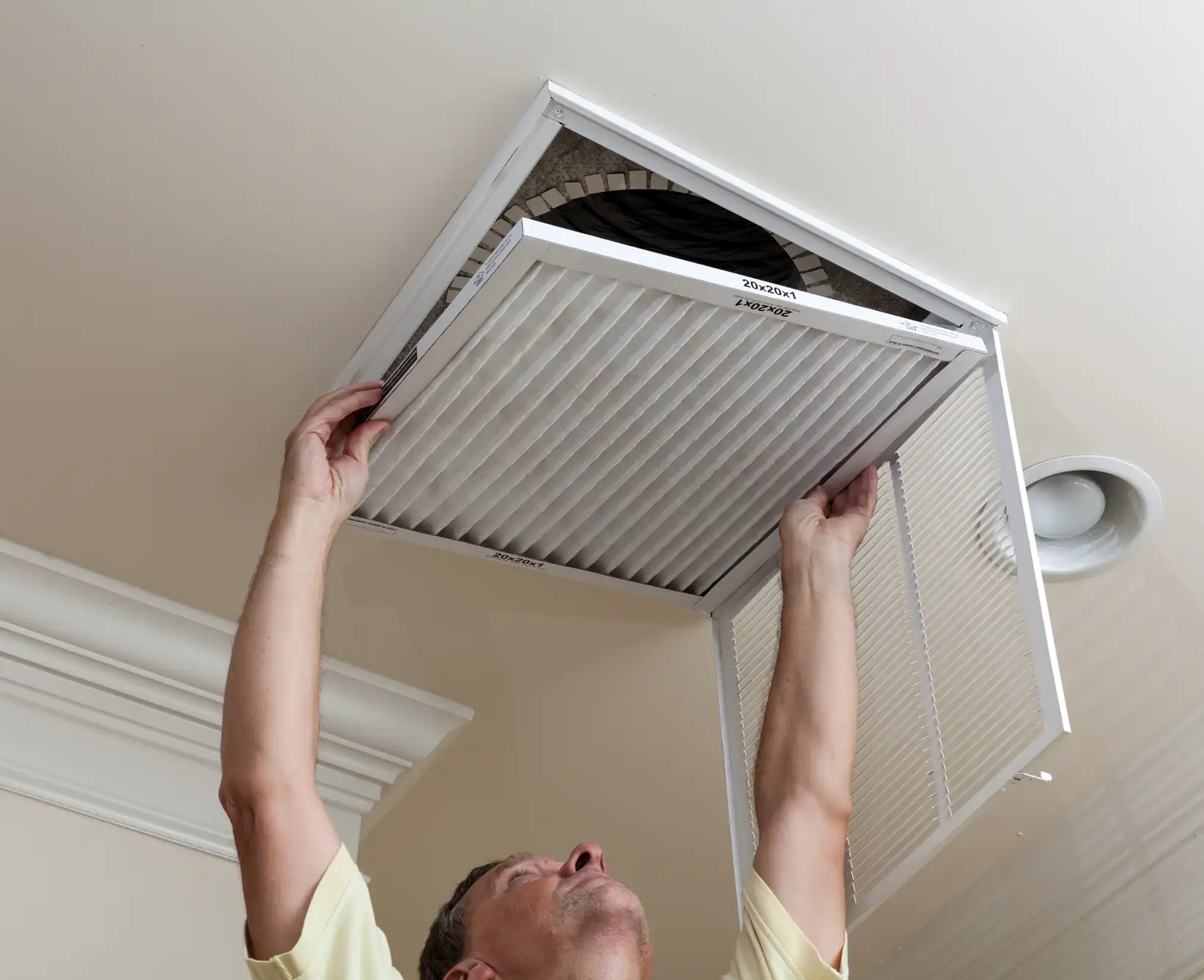
Your indoor air quality improves because we’re not just changing filters and calling it maintenance. We’re looking at humidity levels, duct conditions, and whether your system is actually moving air efficiently through your home. Most Long Island homes deal with coastal humidity that makes cooling systems work harder. If your AC isn’t dehumidifying properly before it cools, you’re paying for comfort you’re not getting.
Chill Xpert Solutions started in commercial refrigeration and marine HVAC. Airports, restaurants, catering halls, walk-in freezers, boat systems. The kind of work where failure isn’t an option and complexity is the baseline.
We brought that same level of precision to residential HVAC services in Williston Park because homeowners deserve better than the bare minimum. You’re getting technicians who’ve solved problems most residential contractors have never seen.
Williston Park homes range from pre-war builds to modern construction, and each one has different airflow challenges, insulation issues, and system requirements. We’ve worked in enough of them to know what actually works here, not just what the manual says.
You call or contact us, and we schedule a time that actually works for you. No four-hour windows. We show up when we say we will, and if something changes, you’ll know before we’re late.
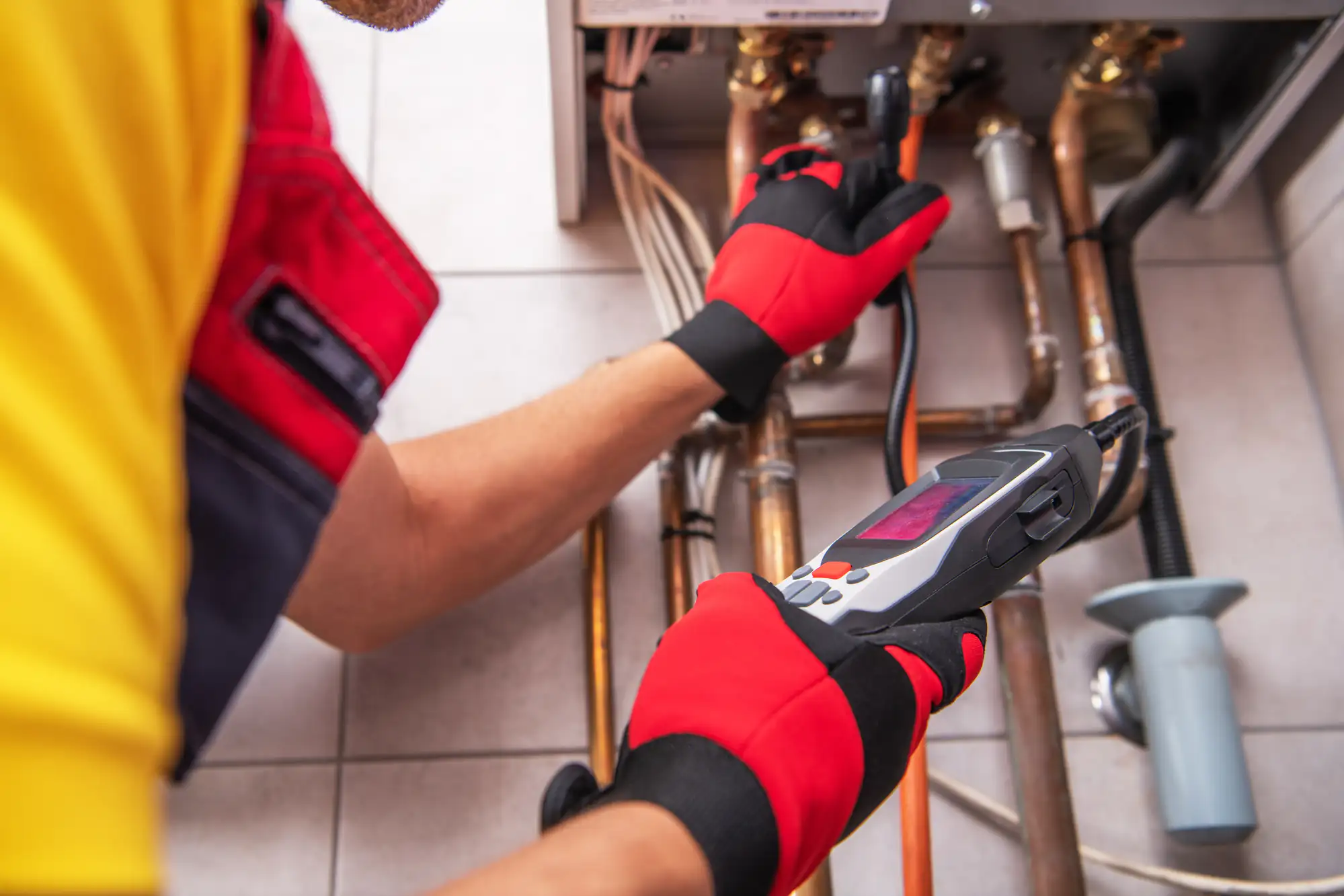
Our technician walks through what’s happening with your system. If it’s a repair, we diagnose the issue and explain what failed, why it failed, and what it’ll take to fix it. If it’s an installation or replacement, we assess your home’s square footage, insulation, ductwork condition, and cooling or heating load requirements.
You get a clear estimate before any work starts. No surprise fees, no upselling you on things you don’t need. If we recommend an upgrade like a smart thermostat or zoning system, it’s because it’ll actually save you money or solve a specific problem you’re dealing with.
We complete the work, test the system, and make sure you understand how to operate everything. Then we clean up. Your home should look the same as when we arrived, just with a working HVAC system.
Ready to get started?
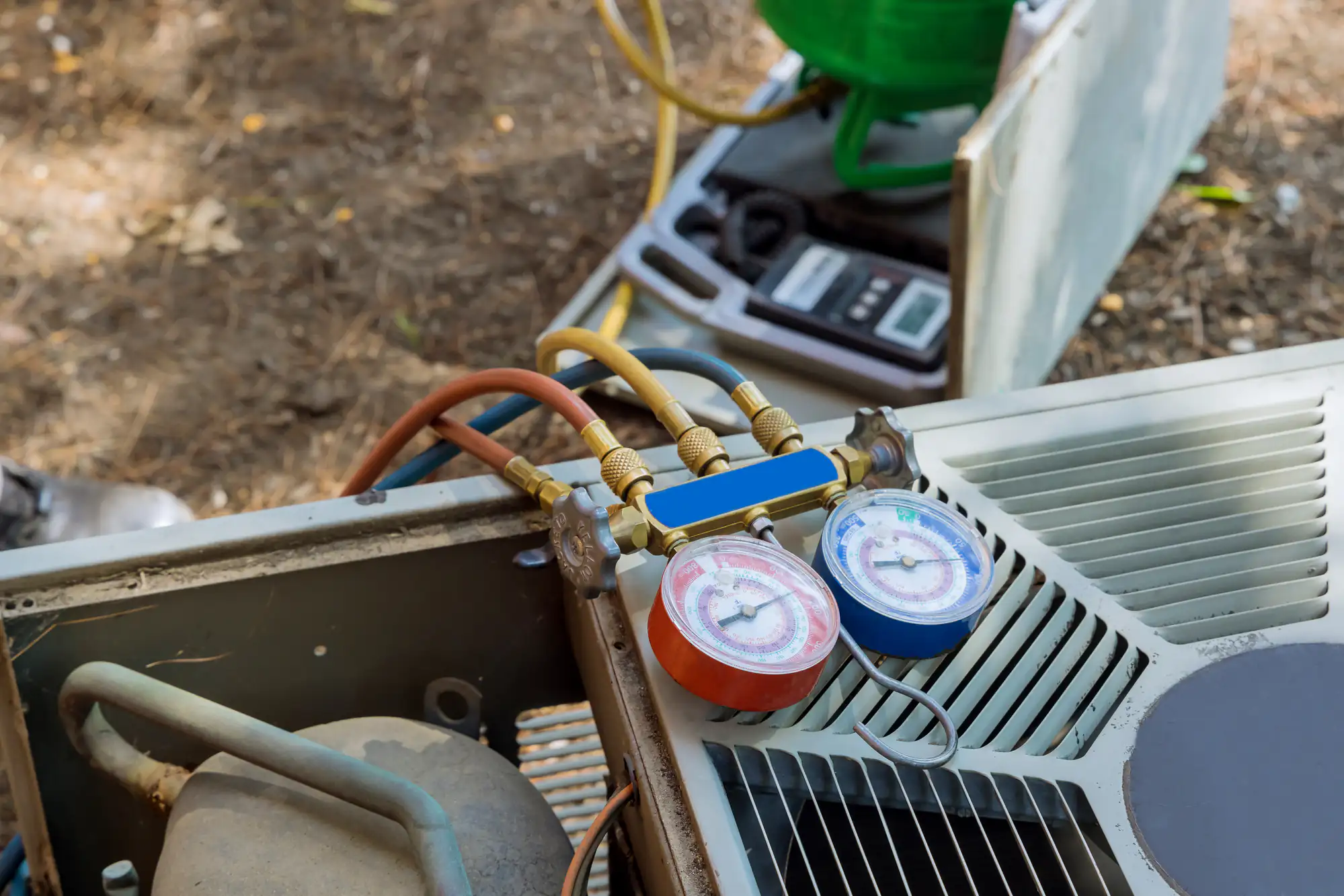
Air conditioning repair and installation covers everything from central AC units to ductless mini-splits. If your system isn’t cooling evenly or your energy bills spiked without explanation, we’ll find out why. Refrigerant leaks, failed compressors, dirty coils, undersized units—we’ve seen it all.
Furnace installation and heating system maintenance keeps you warm when temperatures drop. We work on gas furnaces, oil systems, heat pumps, and boilers. Regular maintenance catches problems before you’re stuck without heat during a cold snap, and it keeps your system running efficiently so you’re not burning money.
HVAC replacement becomes necessary when your system is over 15 years old, needs frequent repairs, or can’t keep up with your home’s demands anymore. We’ll help you choose an energy-efficient system that’s properly sized for your space. Williston Park homes benefit from ENERGY STAR-certified units that can cut heating and cooling costs by 10 to 30 percent compared to older models.
Indoor air quality services include air purifiers, humidity control, and duct cleaning. If anyone in your home deals with allergies or respiratory issues, this makes a measurable difference. We also install smart thermostats that learn your schedule and adjust temperatures automatically, saving you around 10 to 15 percent on energy costs without you thinking about it.
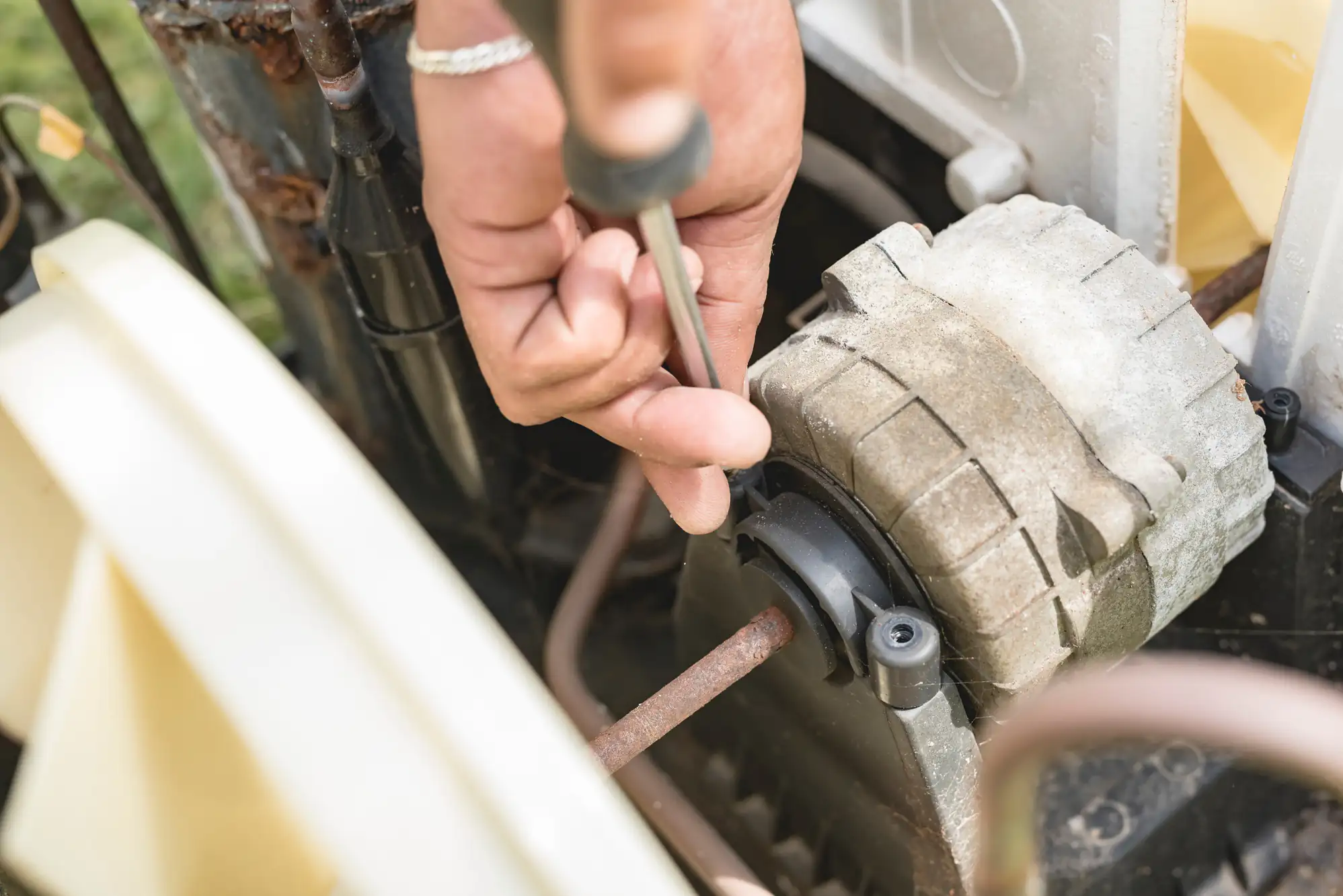
Replacement costs depend on your home’s size, the type of system you’re installing, and whether your ductwork needs updates. A standard central air and furnace replacement for an average-sized home typically runs between $8,000 and $15,000. Higher-efficiency systems or homes requiring ductwork modifications will cost more.
If your current system is over 15 years old and you’re spending $500 or more annually on repairs, replacement usually makes more financial sense. Older units also use R-410A refrigerant, which the EPA banned for new systems as of January 2025. That means repair costs for older units will climb as parts become harder to source.
We’ll assess your home and give you a free estimate that breaks down equipment costs, labor, and any additional work needed. You’ll know exactly what you’re paying for before we start.
Call us immediately. We offer 24/7 emergency HVAC repair because we know heating failures don’t wait for business hours. While you’re waiting, check your thermostat to make sure it’s set to heat mode and the temperature is set higher than your current room temperature. Verify that your circuit breaker hasn’t tripped and your furnace power switch is on.
Don’t attempt to repair the furnace yourself, especially if it’s a gas system. If you smell gas, leave your home and call your gas company right away. Most furnace failures stem from ignition problems, thermostat malfunctions, or a tripped safety switch due to airflow issues.
Emergency repairs cost more than scheduled service, typically 50 to 100 percent more, but that’s standard across the industry. The faster you call, the faster we can restore heat and prevent issues like frozen pipes that create even bigger problems.
You should schedule maintenance twice a year—once in spring for your air conditioning system and once in fall for your heating system. Regular maintenance catches small issues before they become expensive failures and keeps your system running at peak efficiency.
During a maintenance visit, we inspect and clean components, check refrigerant levels, test safety controls, examine electrical connections, and replace filters. A neglected system can consume 25 to 40 percent more energy than a well-maintained one. For a household spending $200 monthly on heating and cooling, that’s an extra $600 to $960 per year in wasted energy costs.
Most HVAC systems fail during extreme weather because that’s when they’re working hardest. Maintenance reduces the likelihood of a breakdown when you need your system most. We offer maintenance plans that schedule your service automatically so you don’t have to remember.
Yes, if you want to lower your energy bills without thinking about it. Smart thermostats learn your schedule and adjust temperatures automatically. Most homeowners save around 10 to 12 percent on heating costs and about 15 percent on cooling costs, according to studies on systems like Nest.
For a home spending $2,400 annually on heating and cooling, that’s roughly $250 to $300 in savings per year. The thermostat pays for itself within two to three years, and you’re saving money every year after that.
Smart thermostats also give you remote control through your phone, so you can adjust temperatures when you’re away or get alerts if your system isn’t working properly. Some models provide energy reports that show you exactly where your usage spikes and help you make better decisions about your comfort settings.
A tune-up is preventive maintenance. We’re cleaning components, checking refrigerant levels, testing electrical connections, and making sure everything operates as it should. Nothing is broken—we’re keeping it that way. A tune-up typically costs between $80 and $150.
Air conditioning repair happens when something fails. Your AC isn’t cooling, it’s making strange noises, it’s leaking water, or it won’t turn on at all. Repair costs vary based on what’s broken. A failed capacitor might cost $150 to $300 to replace. A refrigerant leak could run $500 to $1,500 depending on severity. Compressor replacement can exceed $2,000.
If multiple components are failing or your system is over 12 years old, we’ll tell you honestly whether repair makes sense or if you’re better off replacing the unit. We’re not going to sell you a $1,200 repair on a system that’s likely to fail again in six months.
Your system might be running, but that doesn’t mean it’s running efficiently. A dirty air filter alone increases energy consumption by 5 to 15 percent. If your filter hasn’t been changed in months, your system is working harder to pull air through, and you’re paying for that extra effort.
Other common causes include refrigerant leaks, which force your AC to run longer to reach the set temperature; ductwork leaks, which lose conditioned air before it reaches your rooms; and an oversized or undersized system that cycles on and off too frequently. Long Island’s coastal humidity also makes air conditioners work harder because they have to dehumidify before they can cool effectively.
We’ll perform an energy audit to identify exactly where you’re losing efficiency. Sometimes it’s a simple fix like sealing ducts or replacing a thermostat. Other times, it’s a sign that your system is nearing the end of its lifespan and can’t maintain efficiency anymore. Either way, you’ll know what’s causing the problem and what it’ll cost to fix it.