Hear from Our Customers
Your energy bills drop because the system runs efficiently instead of fighting itself. You’re not adjusting the thermostat every hour trying to find a temperature that sticks. The air feels cleaner, and you’re not waking up with a scratchy throat or wondering why one room is freezing while another is stuffy.
When your furnace kicks on in January, it works. When you need AC during a Long Island heat wave, it’s already running. You’re not scrambling to find an emergency repair company at 9 PM on a Saturday, and you’re not getting quotes that double once the technician shows up.
That’s what happens when your residential HVAC services are handled by people who’ve been doing this for over 40 years. Systems last longer. Repairs cost less. And you’re not dealing with the same problem every six months because someone didn’t fix it right the first time.
We’ve been working in Yaphank and across Suffolk County for more than 40 years. We’ve seen every type of system, every brand, and every problem that comes with Long Island’s humidity, salt air, and temperature swings.
We’re not new to this area, and we’re not learning on your dime. Our technicians know how coastal conditions affect HVAC equipment differently than systems inland. They know which units hold up and which ones don’t. And they know how to fix things fast because they’ve done it thousands of times.
You’ll work with the same team from start to finish. No handoffs, no miscommunication. Just people who show up, do the work right, and make sure it lasts.
You call or message us with the problem. We ask a few questions to understand what’s going on—whether it’s an emergency repair, a replacement, or routine maintenance. Then we schedule a time that works for you, usually same-day or next-day depending on urgency.
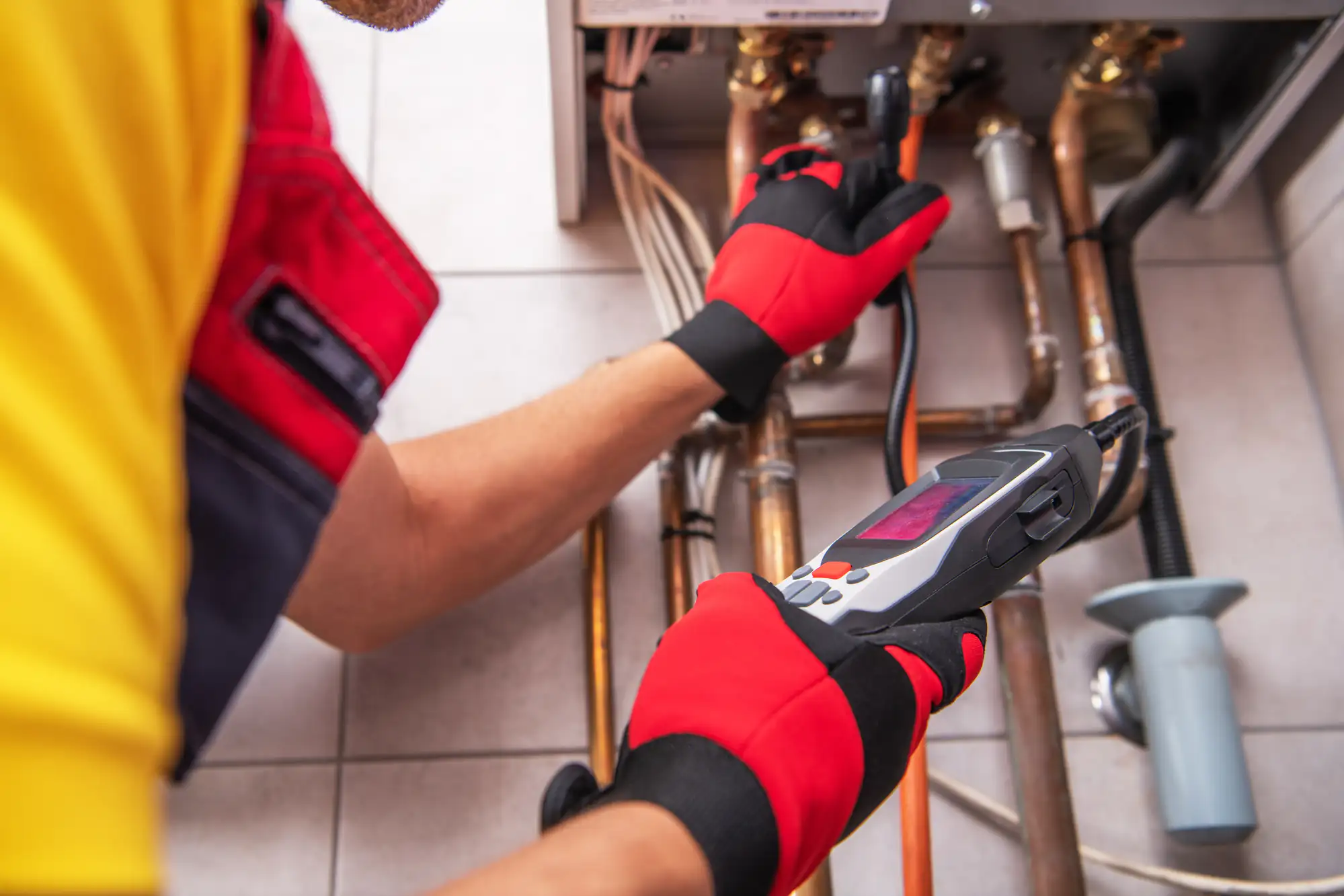
A certified technician shows up with the tools and parts needed for most common repairs already in the truck. They diagnose the issue, explain what’s wrong in plain terms, and give you a clear price before any work starts. No surprises, no upselling things you don’t need.
If it’s a repair, most jobs get finished that same visit. If it’s an installation or replacement, we walk you through options that fit your home and budget, then schedule the install at your convenience. After the work’s done, we test everything, clean up, and make sure you understand how to use and maintain your system. You get a follow-up to confirm everything’s still running smoothly.
Ready to get started?
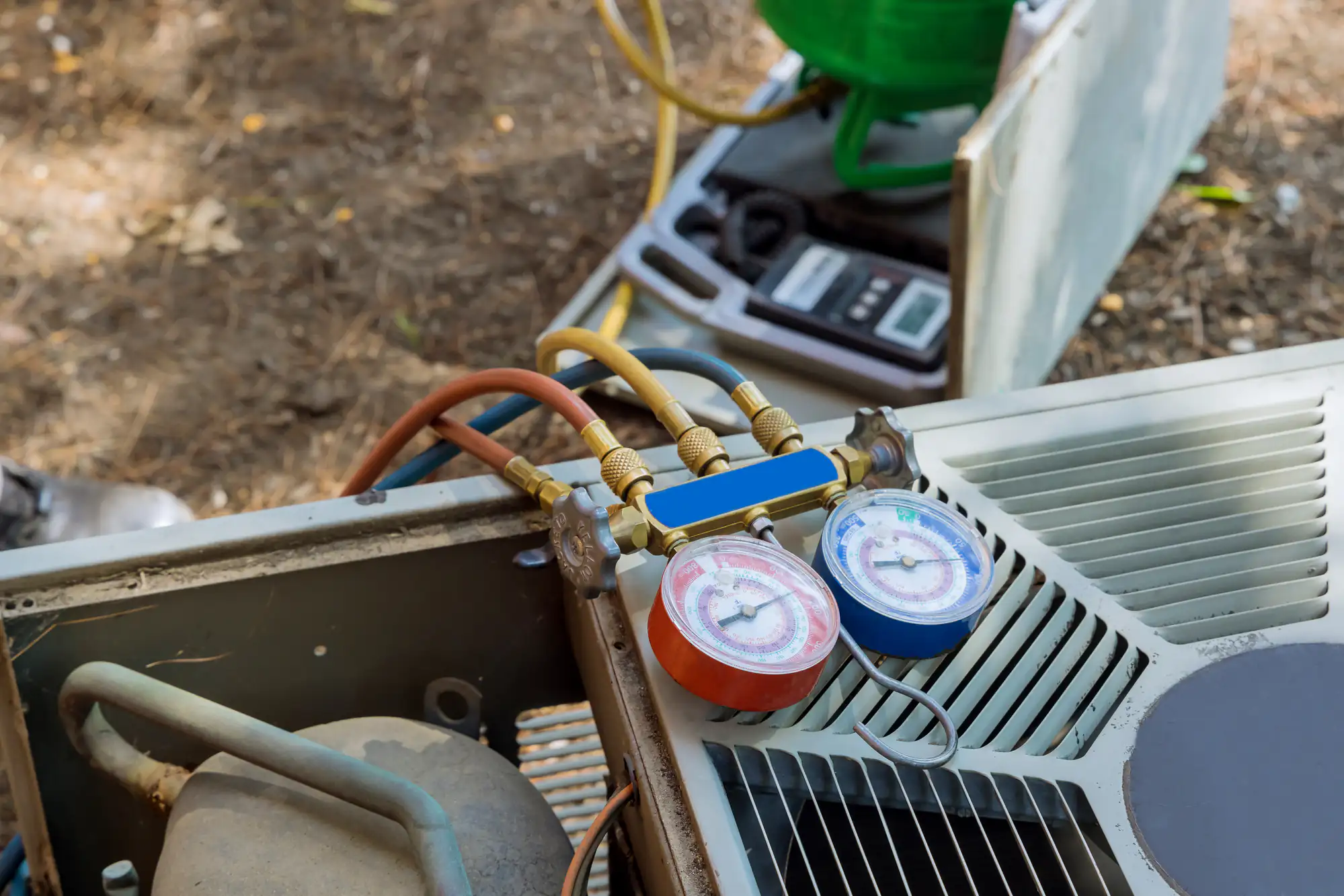
Air conditioning repair covers everything from refrigerant leaks to compressor failures. If your AC isn’t cooling, makes strange noises, or cycles on and off constantly, we diagnose and fix it. Most repairs happen same-day because we stock parts for major brands.
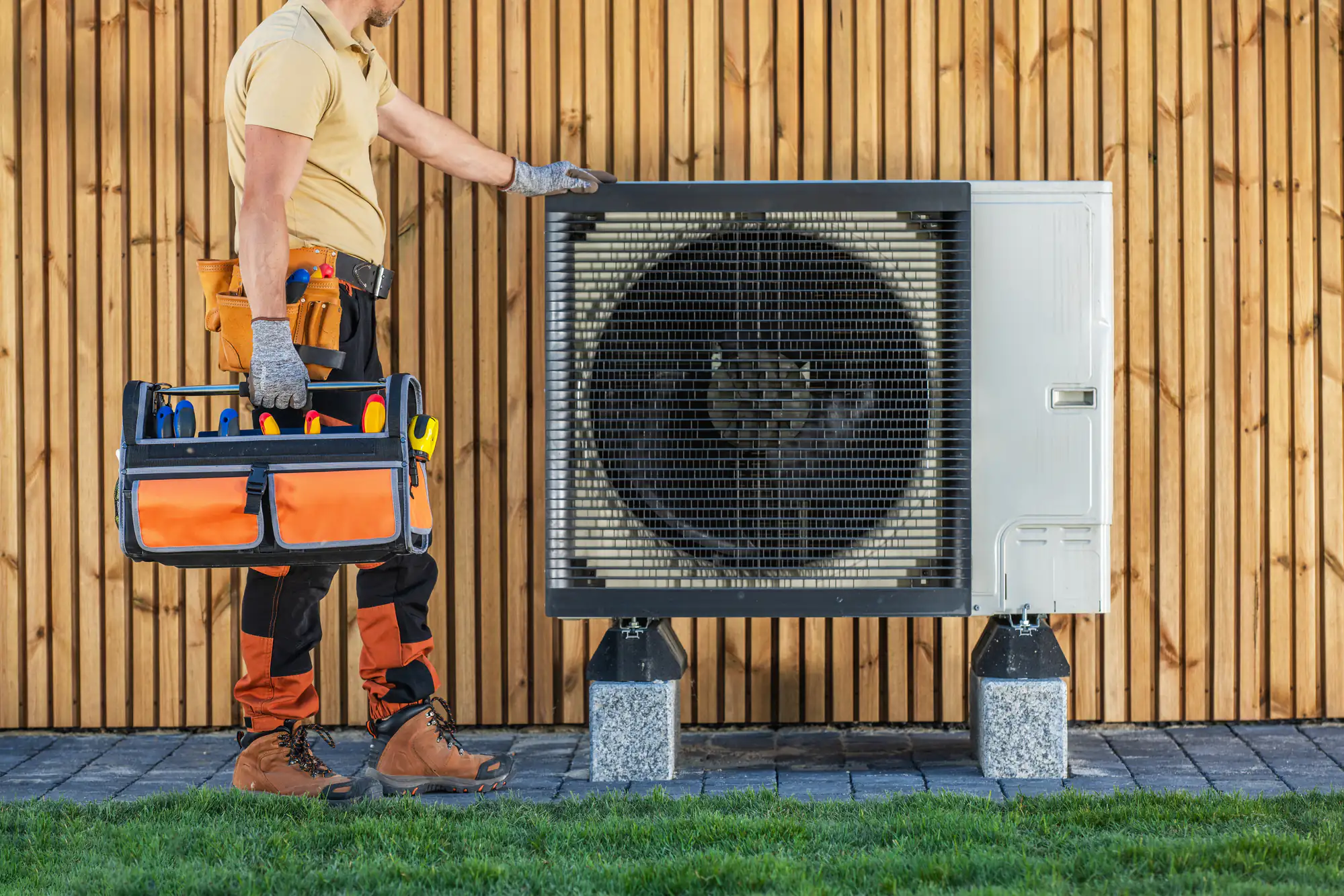
Furnace installation and heating system maintenance keep your home warm when temperatures drop. We install high-efficiency furnaces, heat pumps, and ductless systems. Maintenance includes cleaning burners, checking gas connections, testing safety controls, and replacing filters—work that prevents breakdowns during the coldest weeks of winter.
HVAC replacement happens when repair costs don’t make sense anymore or your system is over 15 years old. We’ll show you energy-efficient options, explain the tax credits available (up to $2,000 for qualifying heat pumps), and calculate how much you’ll save on energy bills. Indoor air quality solutions address the stuff you can’t see—filtration systems, humidity control, and UV-C technology that reduces allergens and airborne contaminants. Long Island homes are built tight for energy efficiency, which means pollutants get trapped inside without proper ventilation.
Once a year, ideally in the fall before you need heat regularly. That timing gives you a chance to catch problems before the coldest months hit, when repair companies are slammed with emergency calls and you’re stuck waiting.
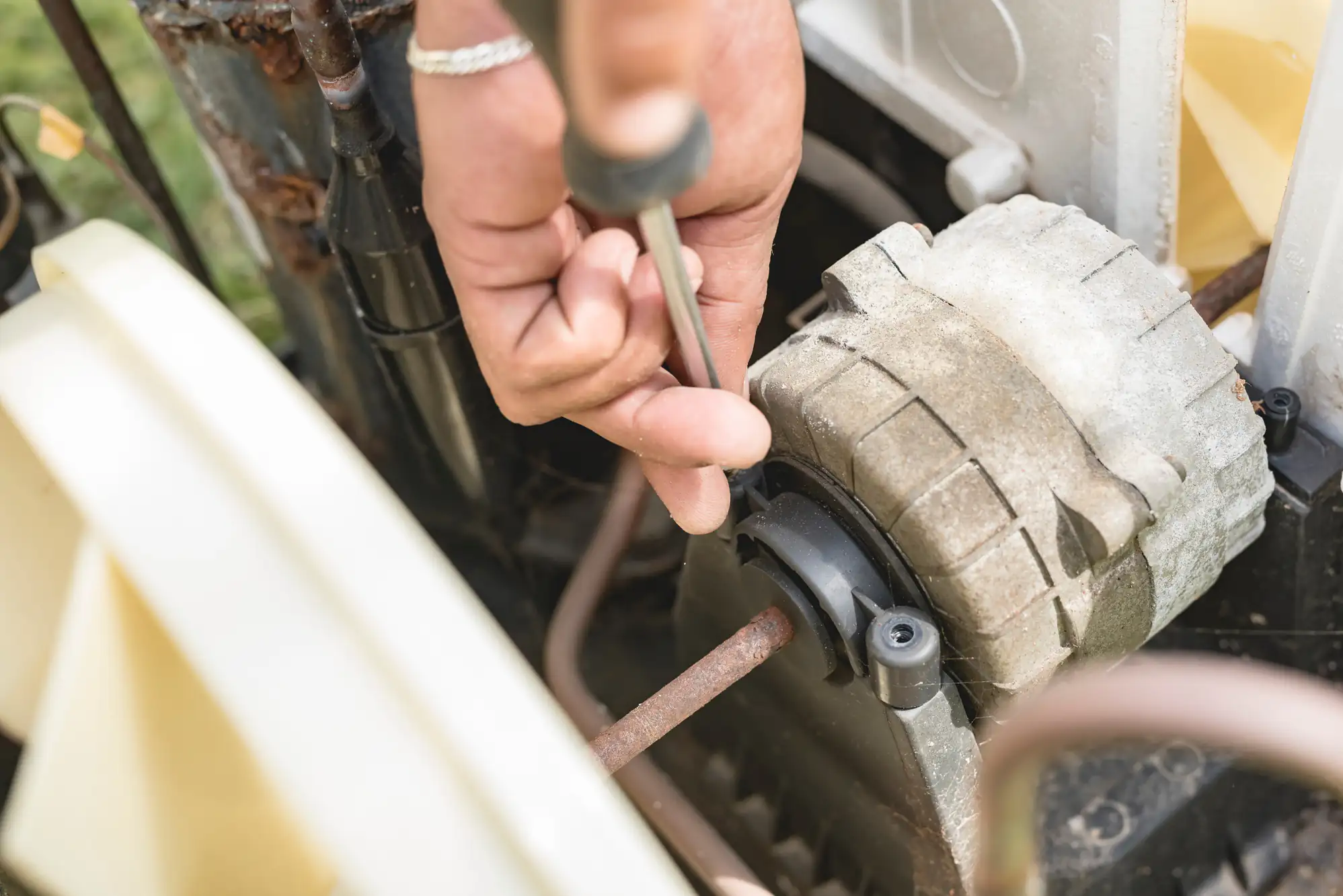
Maintenance appointments include cleaning the burner assembly, inspecting the heat exchanger for cracks, testing the thermostat, checking gas or oil connections, and replacing the air filter. These steps prevent most breakdowns and keep your system running efficiently, which lowers your energy bills. Skipping maintenance usually means higher heating costs and a shorter lifespan for your furnace or boiler.
If your system is older than 10 years or you’ve had repairs in the past year, consider scheduling a mid-season checkup in January or February. That catches wear before it turns into a failure.
For a typical Long Island home, you’re looking at $5,000 to $12,000 depending on the size of your house, the type of system, and whether you need ductwork modifications. A basic central air and furnace setup costs less than a high-efficiency heat pump or ductless mini-split system.
The price includes removal of your old equipment, installation of the new system, any necessary electrical or duct work, and startup testing. If you’re upgrading to a heat pump, you may qualify for federal tax credits up to $2,000, which brings the net cost down. We calculate projected energy savings so you can see the payback period—most homeowners recover the difference between a standard and high-efficiency system within five to seven years through lower utility bills.
Financing options are available if you’d rather spread payments out. We’ll walk through the numbers with you before you commit to anything.
If your system is under 10 years old and the repair costs less than half the price of a new unit, repair usually makes sense. If it’s over 15 years old, uses R-22 refrigerant (which is being phased out), or needs a major component like a compressor replaced, replacement is often the smarter move.
Other signs point toward replacement: your energy bills keep climbing even though you’re not using the AC more, some rooms never get cool, or you’ve had multiple repairs in the past two years. Older systems also struggle with humidity control, which is a real problem in Long Island’s summer climate. Newer units handle moisture better and use 20-30% less energy.
We’ll give you honest numbers for both options. If repair makes sense, we’ll tell you. If replacement saves you money long-term, we’ll show you why.
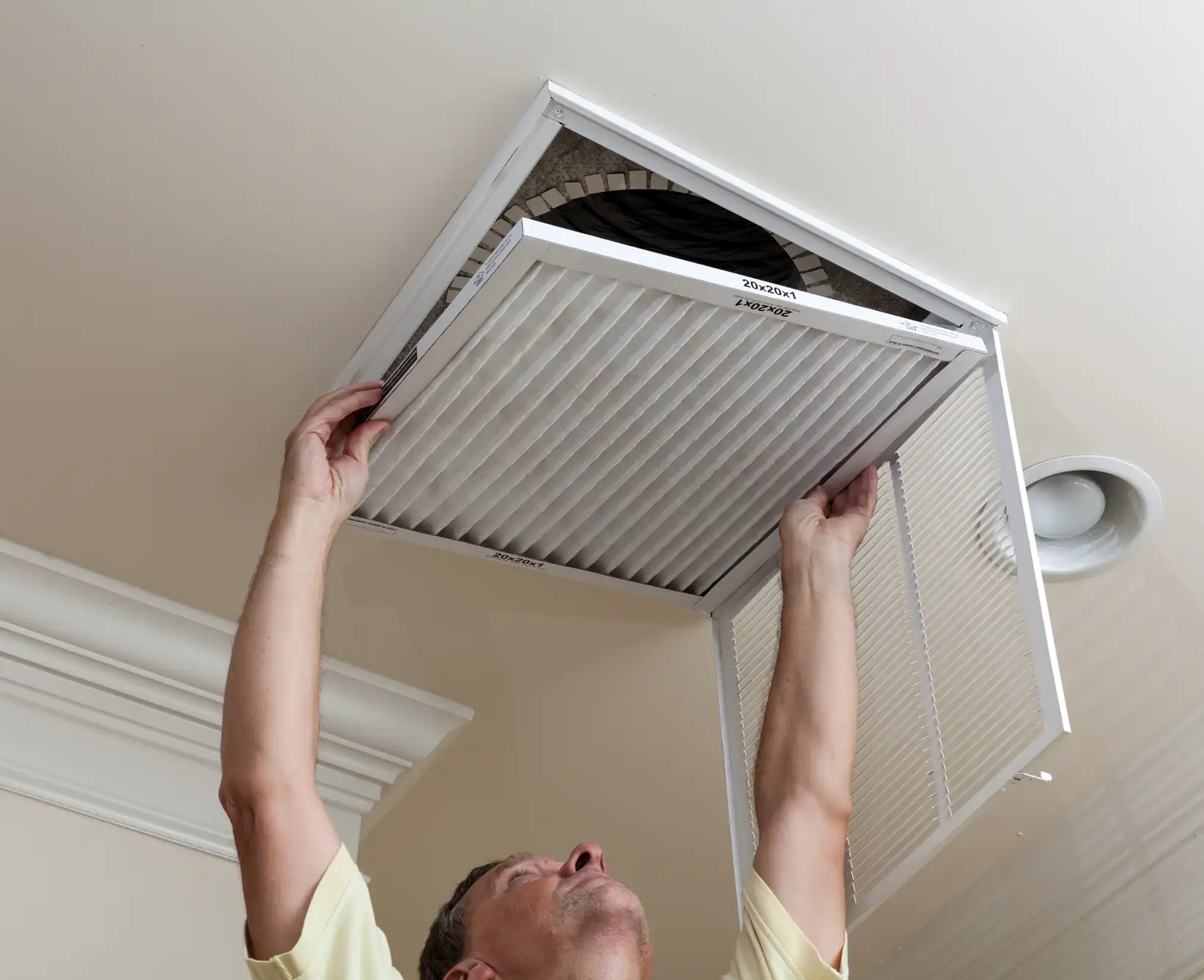
Start with your HVAC filter. Most homes use cheap fiberglass filters that barely catch anything. Upgrade to a MERV 11 or MERV 13 pleated filter, and change it every 60 to 90 days. That removes more dust, pollen, and pet dander from the air circulating through your system.
If you have allergies, asthma, or notice dust buildup quickly, consider adding a whole-home air purifier with HEPA filtration or UV-C technology. These systems integrate with your existing HVAC and capture particles as small as 0.3 microns—stuff regular filters miss. Humidity control also matters. Long Island’s coastal climate means high humidity in summer, which encourages mold growth. A whole-home dehumidifier keeps indoor humidity between 30-50%, the range where mold and dust mites struggle to survive.
Duct cleaning helps if you’ve never had it done or if you’ve had recent renovations. Dust and debris accumulate in ductwork over time, and every time your system runs, it blows that stuff into your rooms.
Yes. We’re available 24/7 for genuine emergencies—no heat in winter, no AC during a heat wave, gas smells, or strange noises that indicate something’s about to fail. You’ll talk to a real person when you call, not a voicemail system.
Response time depends on where you are in Suffolk County and what else is happening that day, but we typically arrive within 45 minutes to an hour for most Yaphank and surrounding area calls. Our trucks carry parts for common emergency repairs, so there’s a good chance we’ll fix the problem that same visit instead of scheduling a follow-up.
Emergency rates apply for after-hours calls, but we’ll tell you the cost upfront before we start work. If it’s something that can wait until morning without causing damage or safety issues, we’ll let you know that too. We’re not here to rack up unnecessary emergency charges.
Maintenance contracts cost $150 to $300 per year depending on what’s covered, and they include scheduled tune-ups for your heating and cooling systems. You’re also first in line for emergency service, which matters when everyone’s furnace dies during a cold snap and repair companies are booked out for days.
The real value shows up over time. Regular maintenance catches small problems—a worn belt, a dirty coil, low refrigerant—before they cause breakdowns. That prevents most emergency repairs, which cost two to three times more than fixing the same issue during a scheduled visit. Systems that get annual maintenance last about 30% longer than ones that don’t, and they run more efficiently, which lowers your energy bills.
You’ll also get discounted rates on repairs if something does break. Most contracts include priority scheduling and waived diagnostic fees. If you’re planning to stay in your home for more than a few years, a maintenance contract pays for itself.