
Hear from Our Customers
Your refrigeration keeps food fresh for weeks, not days. Your marine AC maintains comfortable temperatures without killing your battery. Your systems work when you need them most—during that long weekend on the water or extended cruise along the Long Island Sound.
You stop worrying about whether your cooling systems will fail mid-trip. Instead, you focus on what matters: enjoying time on your boat with family and friends. No more cutting trips short because your refrigeration died or your cabin became unbearable.
When problems do arise, you get fast, knowledgeable service from technicians who understand marine environments. No more waiting days for someone who might show up, might know what they’re doing, and might charge you fairly. You get experts who’ve been solving marine HVAC challenges in Coram and throughout Suffolk County for over four decades.
Chill Xpert Solutions has been the go-to marine refrigeration and HVAC specialist in Coram, NY for over 40 years. We serve boat owners throughout Long Island, from Montauk to the North Shore, understanding the unique demands of marine environments—salt air corrosion, space constraints, and power limitations that land-based contractors simply don’t encounter.
Our team handles everything from emergency boat AC repair to complex custom refrigeration installations. We work on weekend cruisers, commercial fishing vessels, and marina facilities, bringing the same level of expertise whether you’re dealing with a 30-foot sportfisher or a 60-foot yacht.
Dozens of five-star reviews reflect our commitment to clear communication, transparent pricing, and reliable service. In an industry where many contractors overpromise and underdeliver, Chill Xpert Solutions has built our reputation on showing up when we say we will and fixing problems the right way the first time.
Every marine refrigeration job starts with a comprehensive free estimate where we assess your boat’s specific needs, existing electrical capacity, and space constraints. We explain what’s required, why it’s necessary, and what it will cost—no surprises or hidden fees that show up later.
Installation involves careful planning around your boat’s electrical system, ensuring proper ventilation for marine environments, and securing all components to handle the constant motion and vibration of life on the water. We test everything thoroughly under actual operating conditions before calling the job complete.
For boat refrigeration maintenance and repairs, we diagnose the actual problem rather than guessing or replacing parts randomly. We explain what went wrong, what needs fixing, and how to prevent similar issues. You get straight answers about whether repair or replacement makes more economic sense for your situation and budget. Our goal is keeping you on the water, not maximizing repair bills.
Ready to get started?
Our service covers all aspects of marine refrigeration and air conditioning—from initial boat HVAC installation to emergency repairs to routine refrigeration maintenance. We work on marine refrigerators, freezers, ice makers, air conditioning systems, and custom cooling solutions that other contractors can’t handle.
Long Island’s marine environment creates specific challenges that generic HVAC contractors don’t understand. Salt air accelerates corrosion on cooling components. Space limitations in boat cabins require creative installation solutions. Power constraints from batteries and generators demand highly efficient systems that won’t leave you stranded with dead batteries.
We address these realities with every installation and repair, using marine-grade components designed for the harsh conditions your boat faces. We also provide 24/7 consulting for emergencies—when your boat refrigeration fails during a trip, you can reach someone who knows marine systems and can guide you through temporary solutions or connect you with service if you’re away from your home marina.
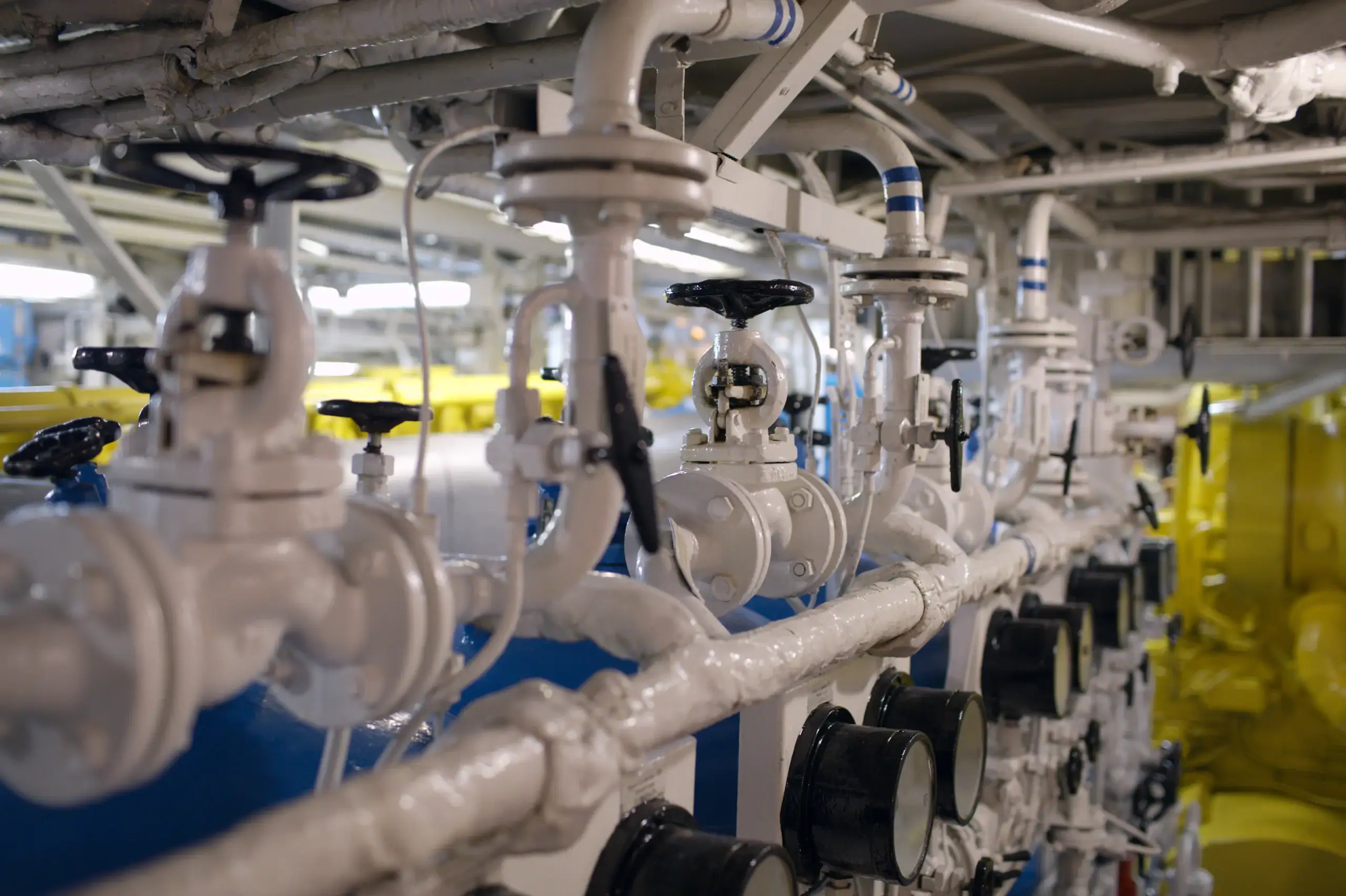
Most marine refrigeration installations take one to three days, depending on the complexity of your system and boat layout. Simple refrigerator replacements on boats with existing electrical infrastructure might be completed in a single day, while custom installations with multiple cooling zones require more time.
The timeline depends on factors like electrical work needed, space modifications, and whether you’re upgrading your entire boat HVAC system or replacing individual components. Complex installations involving custom cooling solutions or significant electrical upgrades may take longer, but we provide realistic timeframes during the estimate so you can plan accordingly.
We work efficiently to minimize your boat’s downtime, understanding that boating season is short in New York and every day on the water counts. When possible, we’ll schedule work during weekdays or off-season periods to avoid impacting your weekend plans.
Marine refrigeration must handle constant motion, salt air, limited power, and space constraints that don’t exist in home or commercial applications. Marine units are specifically engineered to withstand vibration, corrosion, and irregular power supply from boat batteries or generators without losing cooling efficiency.
Power efficiency is absolutely critical because boats have limited electrical capacity. Marine refrigeration systems must maintain proper food storage temperatures while using minimal battery power, especially when you’re anchored without shore power or don’t want to run your generator constantly.
Installation requires completely different techniques too—securing components against movement in rough seas, ensuring proper ventilation in tight engine rooms, and integrating safely with boat electrical systems. Standard refrigeration contractors lack this specialized knowledge and can actually create dangerous situations or damage expensive boat systems.
Marine refrigeration systems benefit from annual professional maintenance, with more frequent attention if you use your boat heavily or keep it in salt water year-round. The harsh marine environment—salt spray, constant humidity, temperature fluctuations—accelerates wear on components compared to land-based systems.
Annual maintenance includes cleaning condenser coils (which collect salt residue), checking refrigerant levels, inspecting electrical connections for corrosion, testing temperature controls, and examining seals and gaskets. These preventive measures catch small issues before they become expensive failures during peak boating season.
If you notice reduced cooling efficiency, unusual noises, or higher power consumption from your boat’s refrigeration, don’t wait for scheduled maintenance. Addressing problems early prevents food spoilage during trips and avoids more costly emergency repairs when you’re away from your home marina.
Yes, we service marine refrigeration systems regardless of manufacturer or age. Forty years of experience means we’ve worked on virtually every brand and model used in marine applications—from current high-end systems to older units that are no longer in production but still functional.
We maintain relationships with parts suppliers for both common and hard-to-find marine refrigeration components. When original parts aren’t available, we can often suggest suitable marine-grade alternatives or engineer custom solutions to keep older systems running reliably.
However, very old systems sometimes reach the point where replacement makes more economic sense than continued repairs, especially when parts become extremely expensive or unavailable. We’ll give you honest advice about when you’re better off upgrading to modern, more efficient marine refrigeration rather than continuing to invest in repairs.
We offer 24/7 consulting for marine refrigeration emergencies and can often provide guidance over the phone to help preserve food or implement temporary solutions until proper repairs can be made. For on-site emergency service, response time depends on your location and current weather conditions.
Emergency service priorities include situations where refrigeration failure threatens food safety, especially during extended trips or when returning to port isn’t immediately possible. We understand that marine emergencies don’t follow business hours and that spoiled food can ruin expensive provisions and cut trips short.
When immediate on-site service isn’t possible, we’ll guide you through temporary measures to extend food storage time—adjusting temperature settings, redistributing items to maximize cooling efficiency, or using ice as backup cooling until professional repairs can be completed.
Marine refrigeration costs vary significantly based on system size, complexity, and your boat’s specific requirements. Simple repairs like replacing thermostats or cleaning coils might cost a few hundred dollars, while complete system installations can range from several thousand to tens of thousands for large yachts or complex setups.
We provide detailed free estimates that break down all costs—equipment, labor, electrical work, and any boat modifications required. This transparency helps you make informed decisions about repair versus replacement and understand exactly what you’re paying for without hidden surprises.
Factors affecting cost include power requirements, space modifications needed, quality of marine-grade components selected, and complexity of installation in your specific boat layout. We’ll explain these factors during the estimate and help you understand options that fit both your budget and your boating needs.