
Hear from Our Customers
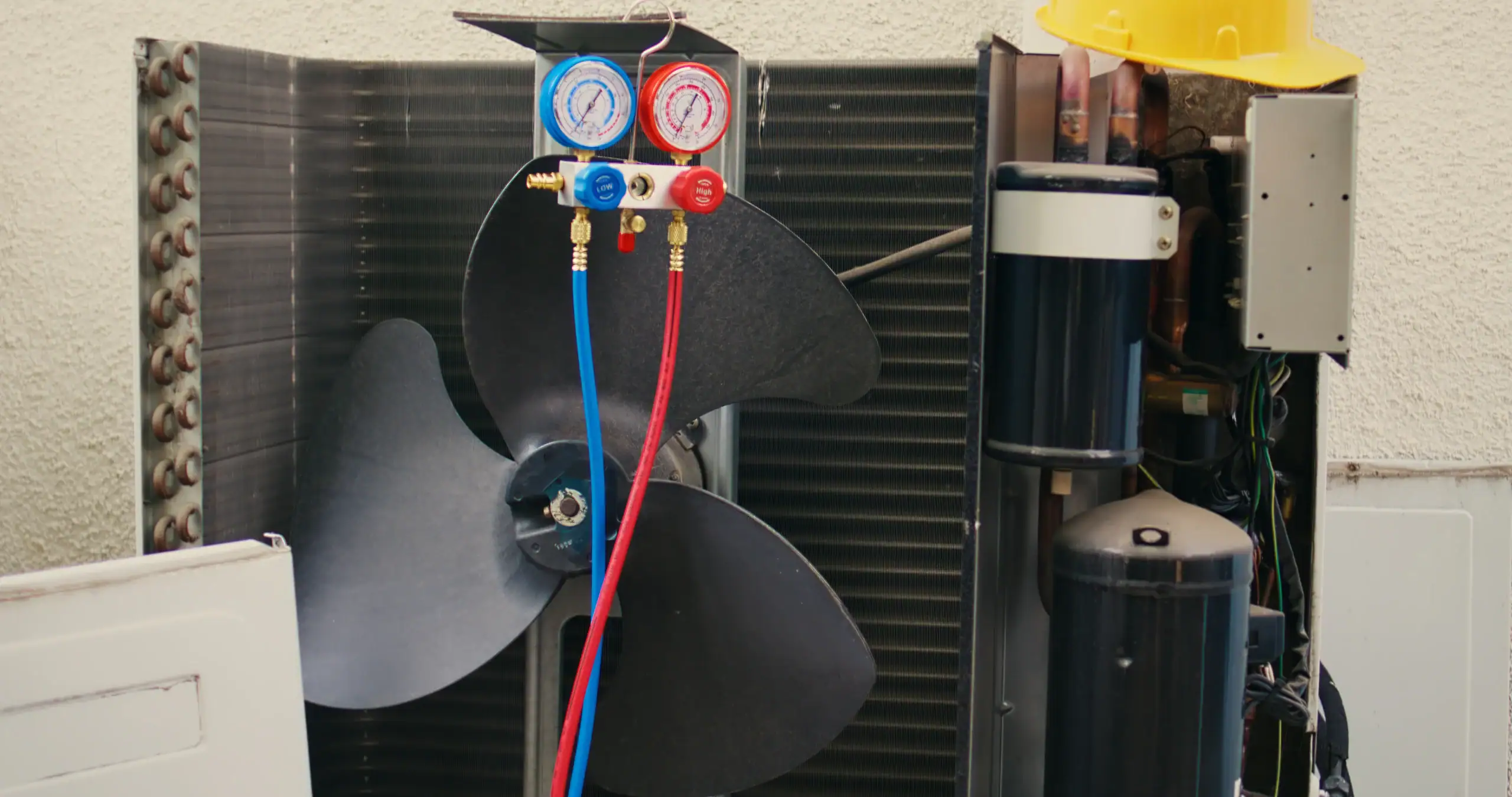
Your boat’s refrigeration or air conditioning just failed. Maybe it’s the middle of summer, maybe you’ve got a fishing trip planned, or maybe you’re already out there dealing with spoiled provisions and an uncomfortable cabin.
Here’s what matters: you need someone who knows marine systems inside and out, not a general HVAC tech guessing their way through saltwater-damaged components and 12-volt wiring. You need fast service. And you need it done right the first time.
That’s where marine refrigeration expertise makes the difference. When your system is running properly, you’re not thinking about it—you’re enjoying your time on the water, your catch stays fresh, and your crew stays comfortable. No emergency calls. No wasted weekends. Just reliable cooling when you need it.
We’ve been handling marine refrigeration and boat air conditioning systems in the Hauppauge, NY area for over 40 years. We serve boat owners throughout Long Island who need technicians that actually understand marine environments—saltwater corrosion, vibration, limited power systems, and the unique demands of onboard cooling.
We provide 24/7 consulting, free estimates, and straightforward communication. No runarounds, no overselling. Just honest assessments and quality repairs that hold up in marine conditions.
With dozens of five-star reviews from boat owners and commercial clients alike, we’ve built our reputation on showing up when needed and fixing things right.
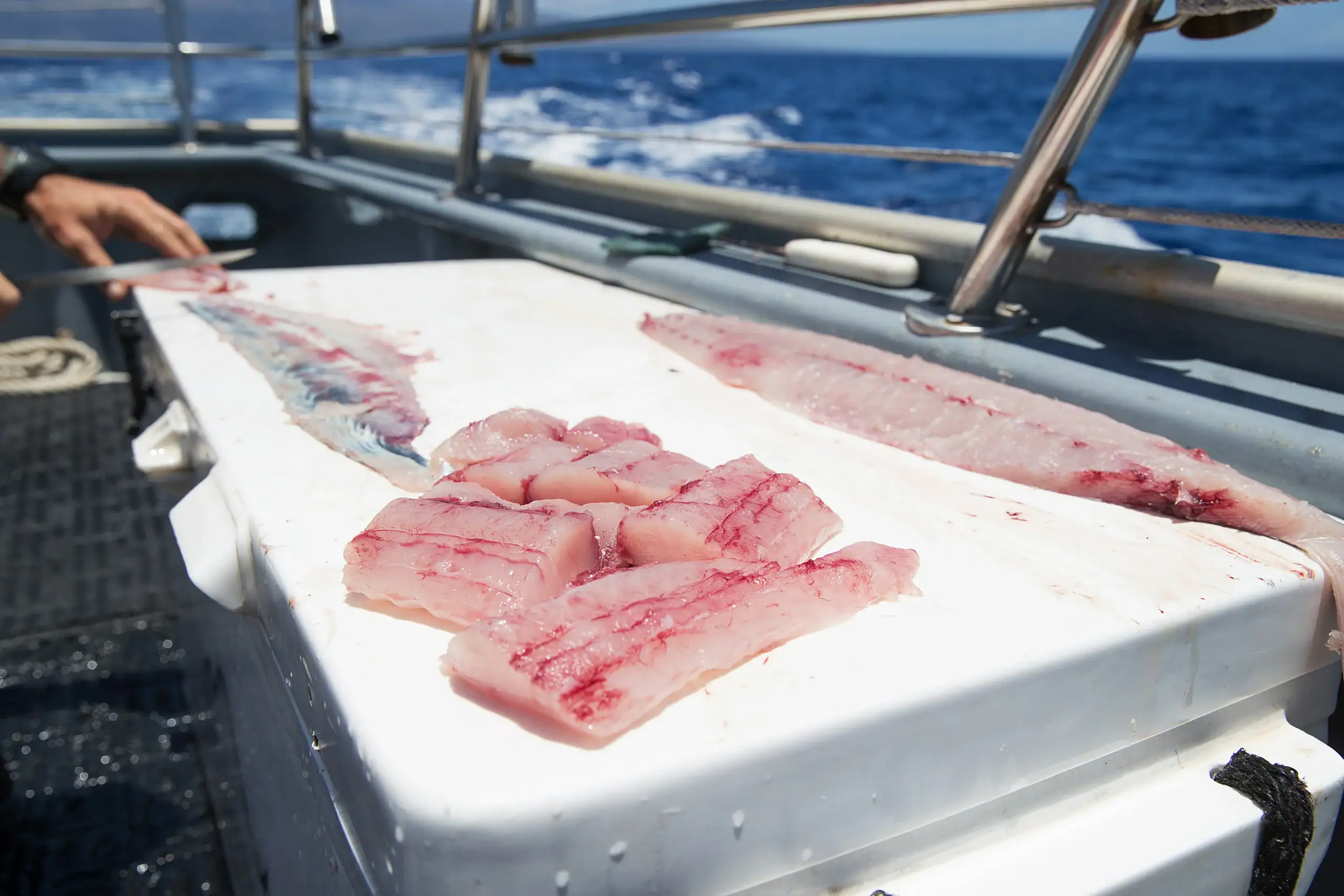
It starts with understanding what’s actually wrong. Whether your marine refrigeration isn’t holding temperature, your boat air conditioning is blowing warm, or you’re hearing unusual noises from the compressor, the first step is a thorough diagnostic. This isn’t guesswork—it’s methodical troubleshooting of marine-specific components.
Once the issue is identified, you get a clear explanation and a free estimate. No hidden fees, no pressure. You’ll know exactly what needs to happen and what it costs before any work begins.
The repair or installation uses marine-grade components designed for the conditions your boat faces. Corrosion-resistant fittings, ignition-protected electrical components, and proper refrigerant handling for marine systems. After the work is complete, the system gets tested under load to make sure it’s actually working—not just “fixed” on paper.
If you need ongoing refrigeration maintenance or have questions down the road, we’re available 24/7. That accessibility matters when you’re dealing with time-sensitive issues during boating season.
Ready to get started?
Marine refrigeration services cover the full scope of what keeps your boat’s cooling systems operational. That includes diagnosing compressor failures, refrigerant leaks, thermostat issues, and electrical problems specific to marine DC systems. It also means understanding how saltwater exposure accelerates corrosion and addressing those vulnerabilities before they become failures.
For boat air conditioning and marine HVAC, the service extends to both ducted and split systems, reverse-cycle heating units, and custom climate control setups. Installation work accounts for proper mounting in high-vibration environments, marine electrical standards, and efficient use of limited space onboard.
Long Island boat owners face specific challenges—brackish water in the bays, full saltwater exposure in the Sound and Atlantic, and seasonal temperature swings that stress systems. Refrigeration maintenance for vessels in the Hauppauge, NY area takes these local factors into account, catching small issues before they strand you mid-trip or ruin a weekend on the water.
Whether it’s a routine checkup, an emergency repair during peak season, or a complete system replacement, our approach stays consistent: use the right marine-grade parts, do the work correctly, and make sure you understand what was done and why. You’re not getting a sales pitch—you’re getting straight answers about what your boat actually needs.
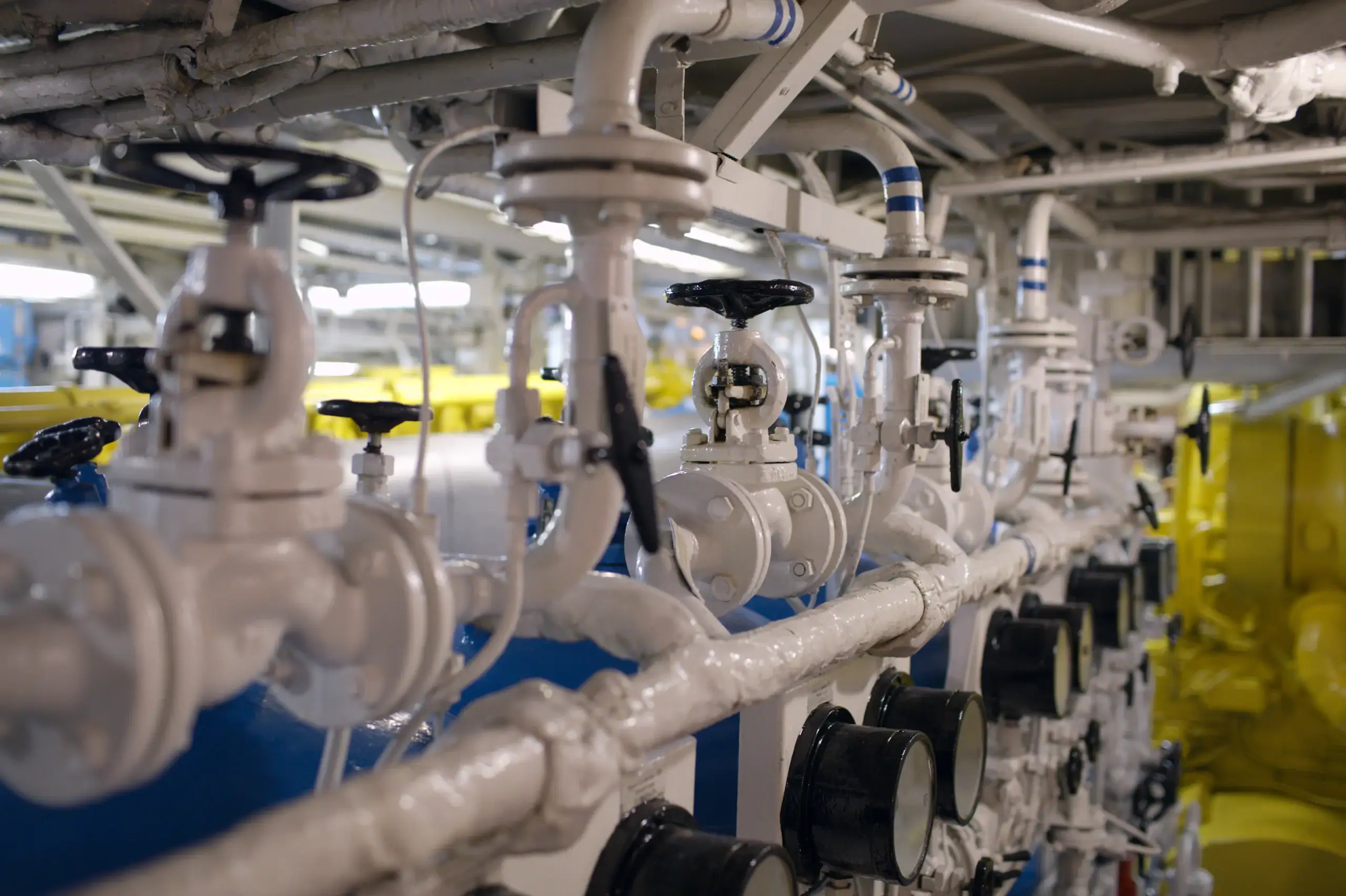
Most marine refrigeration systems should be inspected at least once a year, ideally before boating season starts. If you use your boat heavily or keep it in saltwater year-round, twice-annual service makes more sense.
Maintenance catches the small stuff—corroded connections, refrigerant levels dropping slightly, condenser coils clogged with salt buildup, or worn gaskets. These aren’t dramatic failures, but they reduce efficiency and set the stage for bigger problems later.
Between professional services, keep an eye on how long the compressor runs to maintain temperature. If it’s cycling more frequently than usual or running constantly, something’s not right. Also check for any moisture around fittings or unusual sounds when the system kicks on. Catching issues early saves money and keeps your provisions cold when you’re offshore.
Marine environments are brutal on air conditioning equipment. Saltwater accelerates corrosion on coils, fittings, and electrical connections. Constant vibration from engine operation and wave action loosens components that would stay secure in a stationary home unit. And the electrical systems on boats—often 12V or 24V DC, or shore power that fluctuates—create different stresses than stable residential power.
Add in the fact that many boat AC systems sit unused for months during off-season, and you’ve got condensation, stagnant water in drain lines, and seals that dry out. When you fire the system up in May, those weakened components fail.
Temperature extremes matter too. A boat sitting in full sun on the water in July creates heat loads that push systems harder than typical home use. If the unit wasn’t sized correctly for the space or if airflow is restricted in tight cabin layouts, the compressor works overtime and wears out faster. Regular maintenance and marine-grade components help, but marine AC will always require more attention than residential systems.
Technically, maybe. Practically, you don’t want them to. Marine refrigeration and boat HVAC systems operate on different principles than residential or commercial units. Many use 12V or 24V DC compressors instead of standard AC power. They require ignition-protected components to prevent spark risks near fuel vapors. And they’re built to handle constant motion, saltwater exposure, and limited ventilation.
A residential HVAC tech might understand refrigeration cycles and electrical basics, but they likely haven’t worked with marine-grade refrigerants in compact, engine-driven systems. They won’t know which sealants and fittings resist saltwater corrosion. And they probably don’t carry the specialized parts needed for marine applications.
When something goes wrong on your boat, you need someone who’s seen the problem before in a marine context—not someone learning on your equipment. Marine specialists know how these systems fail, what parts are prone to issues, and how to prevent future problems. That experience gap is the difference between a proper fix and a temporary patch that fails again next month.
With proper maintenance and marine-grade components, a well-installed marine refrigeration system should last 10 to 15 years. But that number varies significantly based on how the boat is used and where it’s kept.
Saltwater boats see more corrosion and typically need replacement or major overhauls sooner than freshwater vessels. Boats that sit unused for long periods without winterization often develop issues that shorten lifespan. And systems that were undersized for the refrigeration load or poorly installed might only make it 5 to 7 years before major components fail.
The compressor is usually the first major component to go, followed by evaporator coils if they’ve corroded. Control boards and thermostats can fail earlier due to moisture exposure. If you’re diligent about annual maintenance, catch refrigerant leaks early, and address corrosion before it becomes severe, you’ll get closer to that 15-year mark. Skipping maintenance or ignoring small problems cuts that timeline in half.
Repair costs depend entirely on what’s failed and how extensive the damage is. A simple thermostat replacement or refrigerant top-off might run a few hundred dollars. A compressor replacement—one of the most common major repairs—typically falls in the $800 to $2,000 range depending on the unit size and whether it’s a standard or custom system.
If you’re dealing with corroded lines, failed evaporator coils, or electrical issues that require rewiring, costs climb higher. Full system replacements for larger boats can reach $3,000 to $6,000 or more when you factor in marine-grade components, labor, and proper installation in tight spaces.
Emergency repairs during peak season often cost more than scheduled maintenance visits. That’s why regular service makes financial sense—you catch a $200 refrigerant leak before it becomes a $1,500 compressor failure. Free estimates give you a clear picture before committing to any work, so you’re never surprised by the bill.
First, check the basics: make sure the unit is getting power, the circuit breaker hasn’t tripped, and the thermostat is set correctly. Sometimes it’s something simple. If the compressor is running but not cooling, you might have a refrigerant leak or a failed component that needs professional attention.
In the short term, minimize how often you open the refrigerator or freezer—every time that door opens, you lose cold air. If you’ve got ice or ice packs, use them to keep critical items cold. Transfer anything that absolutely must stay frozen to a cooler with ice if possible.
Once you’re back at dock, get a marine refrigeration specialist to diagnose the problem quickly. Don’t let it sit—small issues become expensive ones when saltwater and humidity get into damaged components. If you’re dealing with an emergency during a longer trip, 24/7 consulting services can sometimes walk you through temporary fixes or help you find a qualified tech at your next port. But the real solution is getting it properly repaired by someone who knows marine systems.