
Hear from Our Customers
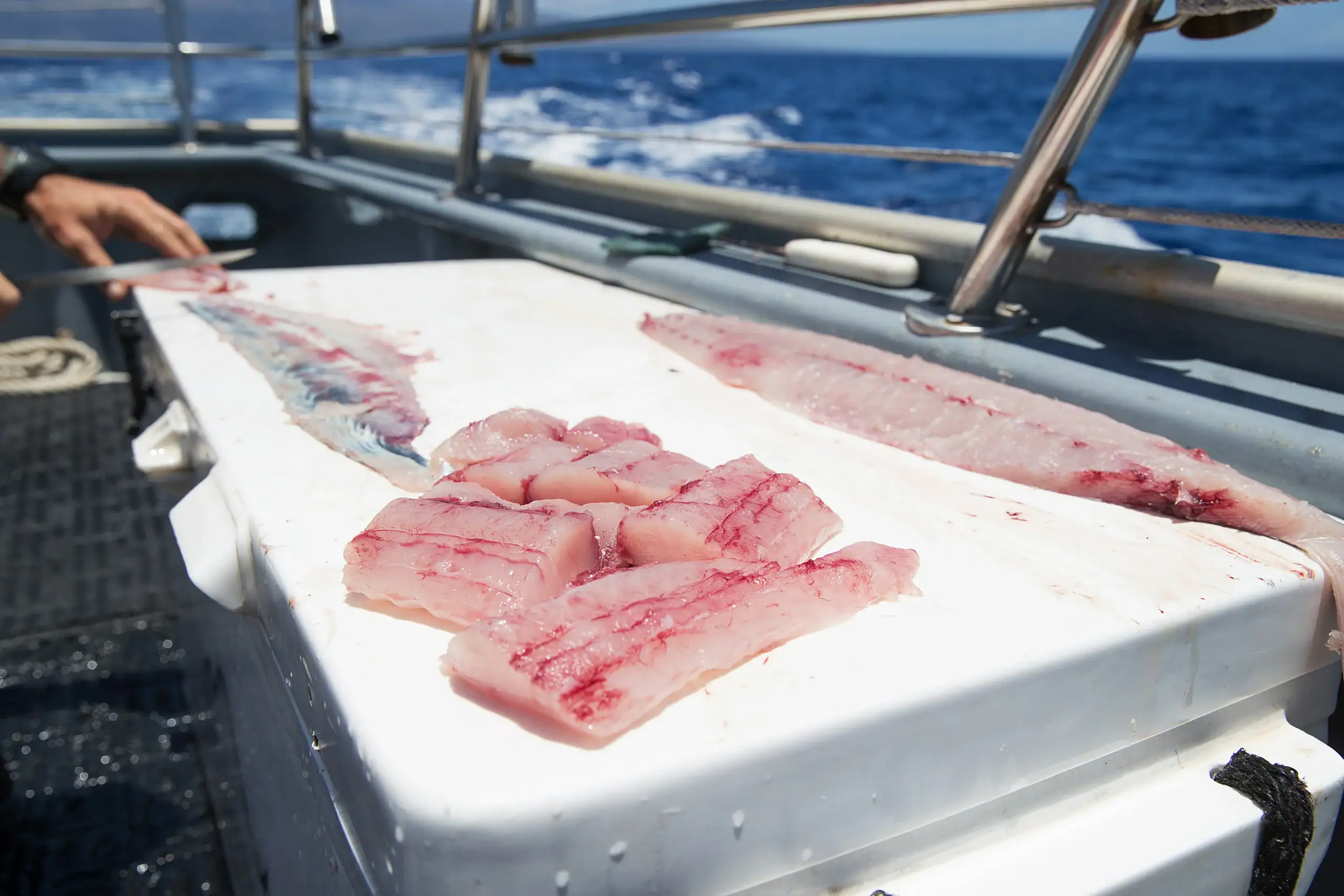
Your weekend on the bay shouldn’t be ruined by a failing refrigeration system. You’ve got fresh catch to store, drinks to keep cold, and limited time to enjoy the water before heading back to reality.
When your boat’s refrigeration works right, you’re not checking temperatures every hour or wondering if everything’s going to spoil. You’re not rationing ice or making emergency dock stops. You’re fishing, cruising, and actually enjoying your time on the Great South Bay.
Marine refrigeration isn’t the same as your kitchen fridge. Saltwater corrodes components. Constant motion stresses connections. Limited electrical capacity means every amp counts. And when something breaks mid-season, you need someone who can fix it fast—not someone who’ll put you on a waiting list for two months.
We’ve spent over 40 years working on refrigeration systems that most technicians won’t touch. Marine HVAC, commercial walk-ins, custom installations—we handle it all with the same approach: show up, diagnose it right, and fix it properly.
Holtsville boat owners know the frustration of calling around for marine refrigeration service and getting voicemails, long wait times, or technicians who don’t understand marine systems. We answer calls, provide free estimates, and offer 24/7 consulting because boats don’t break down on a convenient schedule.
With dozens of five-star reviews and a client list that includes yacht clubs, marinas, and commercial operations across Long Island, we’ve built our reputation on doing what we say we’ll do. No surprises, no runarounds—just straight answers and solid work.
It starts with understanding what’s actually wrong. Marine refrigeration problems can look similar but have different causes—a warm refrigerator could be a refrigerant leak, a clogged seawater strainer, a failing compressor, or dirty evaporator coils. Our diagnostic process identifies the real issue, not just the symptom.
Once the problem is clear, you get a straightforward explanation of what needs to happen and what it’ll cost. No jargon, no upselling, just the facts about your options. Some repairs make sense. Sometimes replacement is smarter than throwing money at an old system.
The actual work depends on what your boat needs. Refrigerant leaks get properly sealed and recharged to manufacturer specs. Clogged strainers and water flow issues get cleared. Failed compressors or condensers get replaced with marine-grade components built for saltwater environments. Electrical issues get traced and fixed correctly the first time.
After the repair, the system gets tested under actual operating conditions. Temperature differentials get checked. Water flow gets verified. You get clear instructions on maintenance that’ll prevent the same problem from happening again. And if something does go wrong, we’re available to make it right.
Ready to get started?
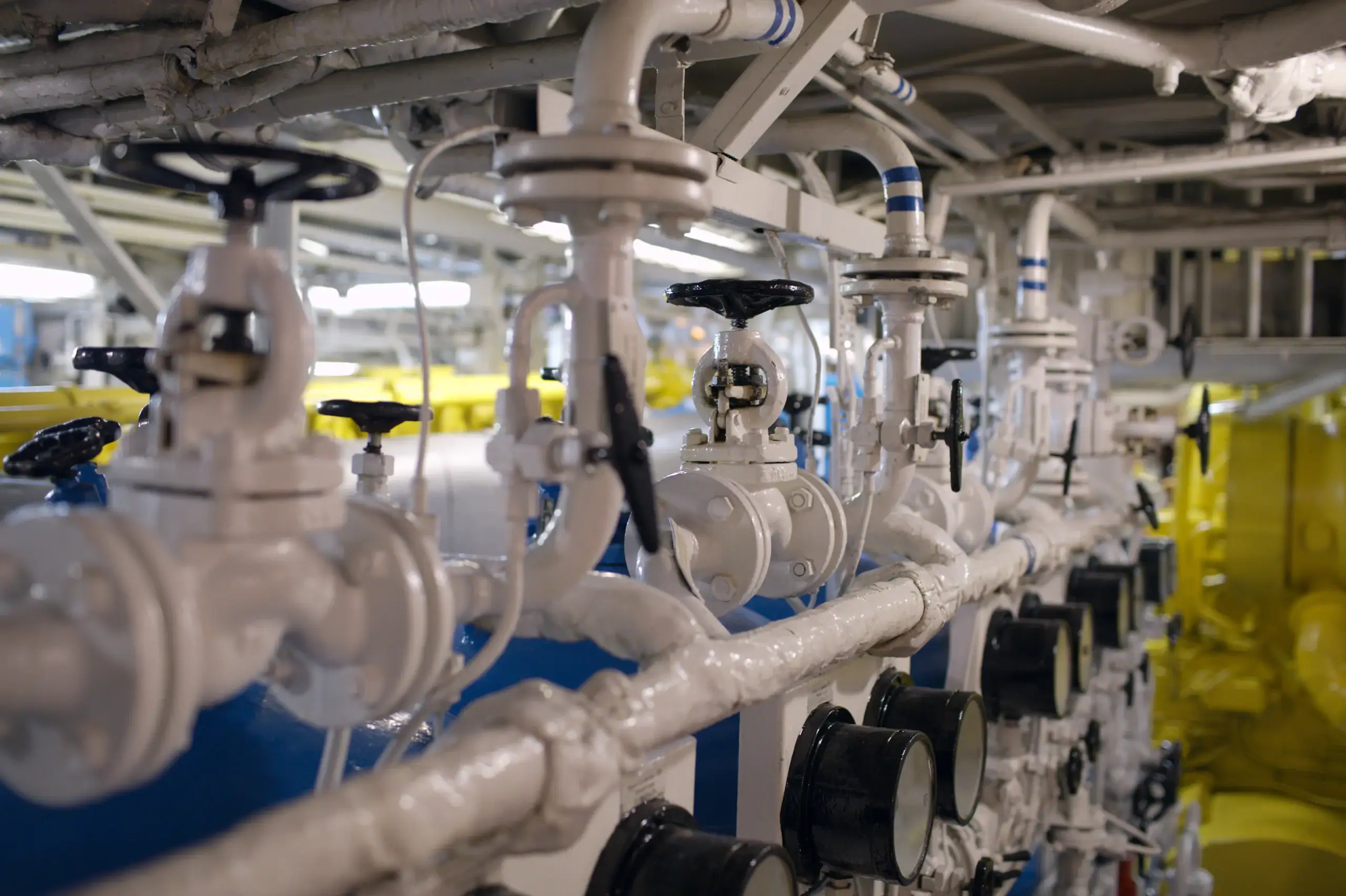
Marine refrigeration service covers the full system—from the seawater intake and strainer to the compressor, condenser, evaporator, and electrical controls. In Holtsville’s marine environment, every component faces challenges that don’t exist on land.
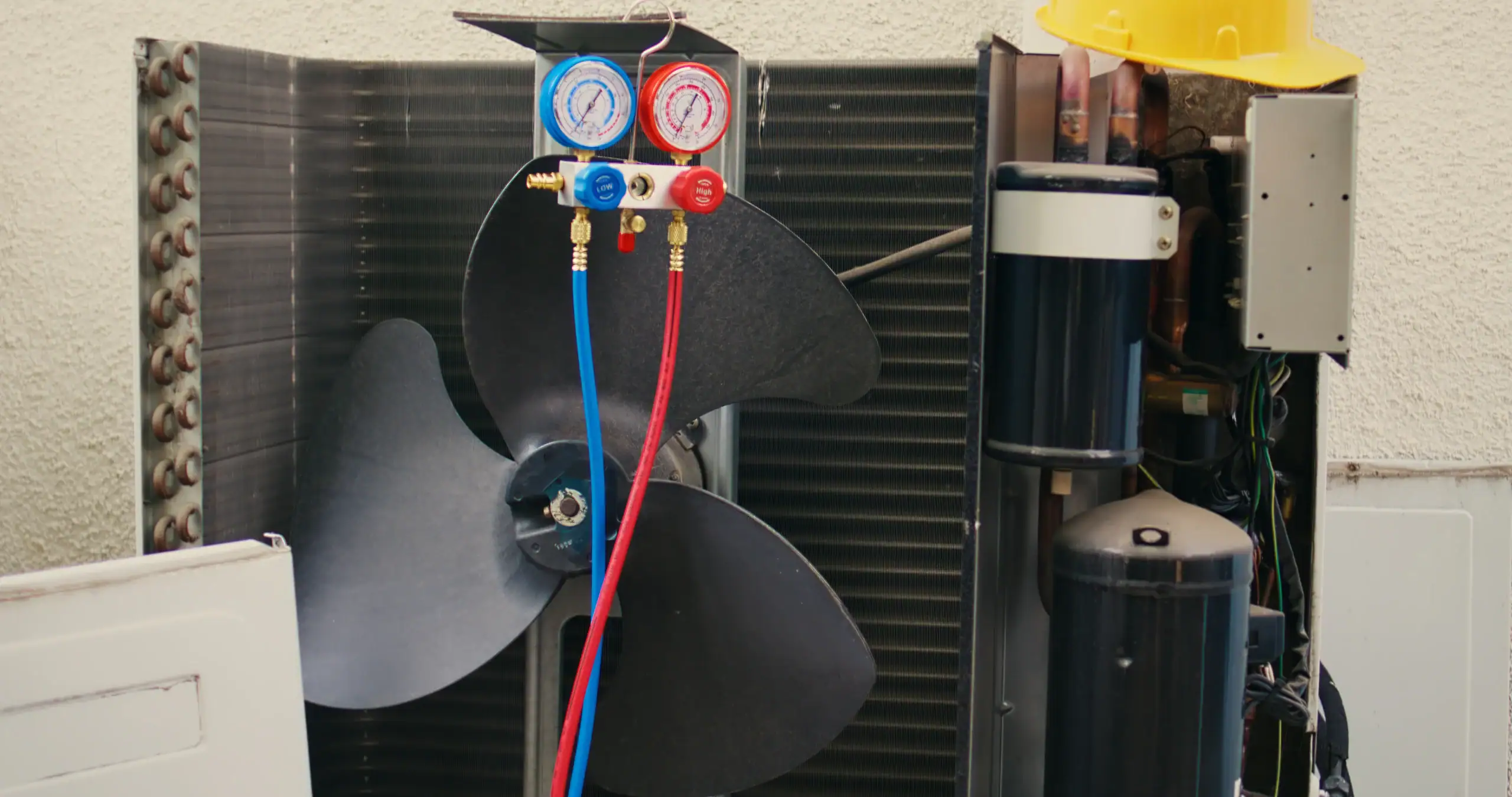
Seawater cooling systems deal with constant exposure to salt, marine growth, and debris. Strainers need regular cleaning. Water pumps wear out. Condenser coils develop scale and biofouling that kills efficiency. These aren’t problems you’ll find in a house, which is why marine refrigeration requires specialized knowledge.
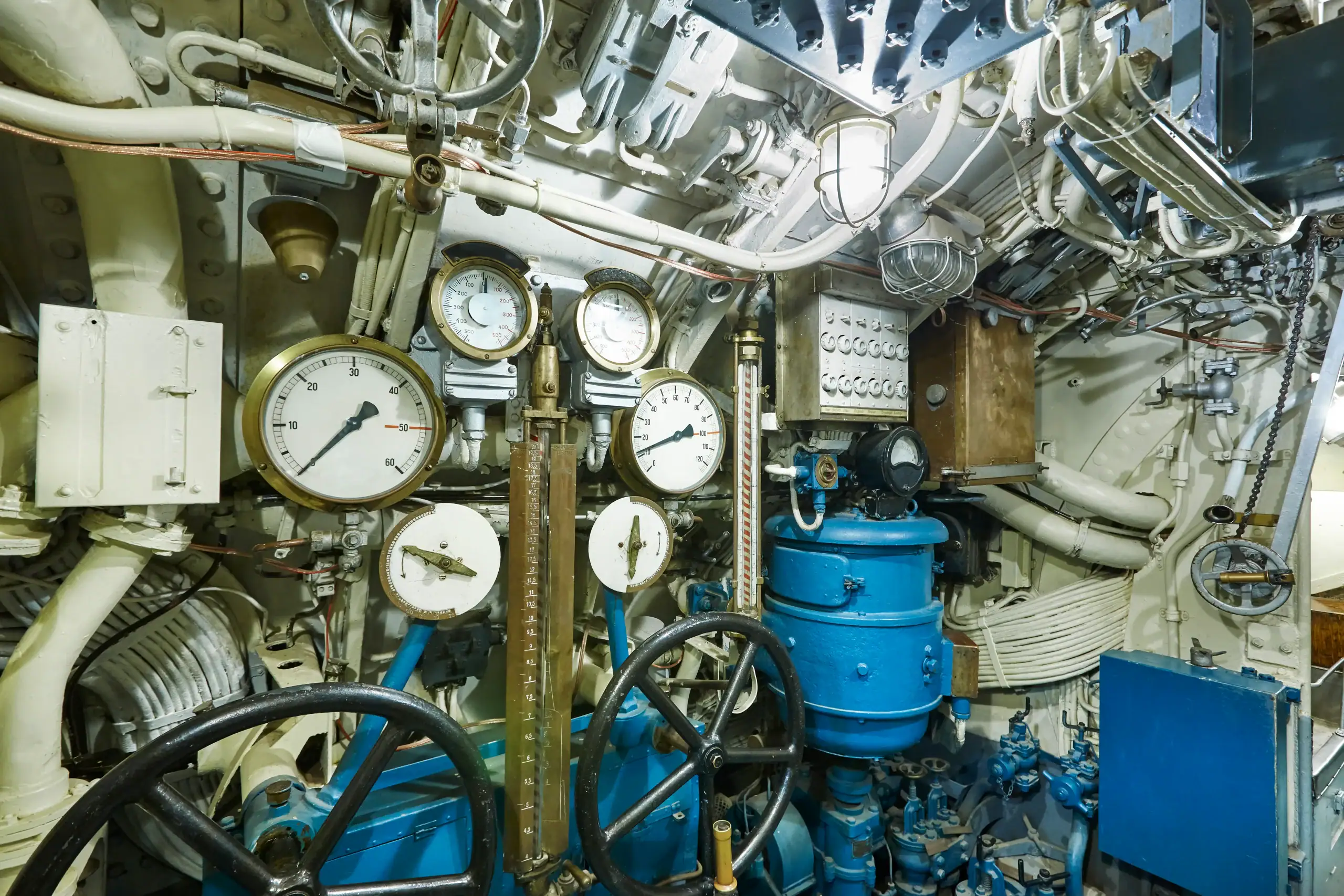
The electrical side is just as critical. Most boat refrigeration runs on 12V or 24V DC power with limited battery capacity. An inefficient system drains batteries fast, especially during extended trips. Proper installation and maintenance ensure your refrigeration works without killing your electrical system. Voltage checks, amperage testing, and proper wiring all matter.
Long Island’s climate adds another layer of complexity. Summer heat makes compressors work harder. Winter storage requires proper winterization to prevent freeze damage. Spring recommissioning ensures everything’s ready for boating season. Humidity accelerates corrosion. Temperature swings stress seals and connections. A marine refrigeration system in Holtsville needs to handle all of it.
With proper maintenance, quality marine refrigeration equipment should last 10 to 15 years minimum. Some systems go longer. The key word is “proper”—most boat owners skip maintenance until something breaks, then wonder why their system fails early.
Long Island’s marine environment is particularly tough on refrigeration. Saltwater accelerates corrosion. Summer heat works compressors harder. Constant humidity stresses components. Boats that sit unused for months develop different problems than boats in regular use. All of this affects lifespan.
Regular maintenance catches small issues before they become expensive failures. Cleaning condenser coils, checking refrigerant levels, inspecting seals, testing electrical connections—these simple tasks extend equipment life significantly. The upfront cost of maintenance is nothing compared to replacing a marine refrigeration system five to seven years early because it wasn’t properly cared for.
High pressure faults usually mean your system can’t dissipate heat properly, and on a boat, that almost always points to water flow problems. Marine air conditioning relies on seawater to cool the refrigerant in the condenser. Without enough water flow, refrigerant temperature and pressure climb until the safety switch trips.
Start with the simple stuff. Check if your seawater intake valve is fully open—it’s easy to accidentally bump it closed. Look at your strainer basket for debris, marine growth, or anything blocking water flow. If the strainer’s clean but you’re still getting faults, the problem could be a failing water pump, clogged condenser coils, or blocked intake.
Condenser coils develop scale and biofouling over time, especially in saltwater. This buildup acts like insulation, preventing proper heat transfer even with good water flow. Professional cleaning involves flushing the system with specialized solutions—not a DIY job for most boat owners. Marine HVAC systems need this service every two to five years depending on where you boat and how often you use the system.
Marine refrigeration faces challenges that don’t exist on land, starting with the power source. Your home refrigerator runs on 120V AC power with unlimited capacity. Boat refrigeration typically runs on 12V or 24V DC power from batteries with limited capacity. Every amp matters when you’re running on battery power, especially during extended trips away from shore power.
The cooling method is completely different too. Home refrigerators use air-cooled condensers. Marine systems use seawater cooling because there’s no room for large air-cooled condensers and limited ventilation space. This means dealing with saltwater corrosion, marine growth, scale buildup, and water flow management—none of which apply to residential systems.
Then there’s the environment. Boats experience constant motion, vibration, humidity, and salt exposure. Components must be marine-grade to handle these conditions. Mounting and installation require different techniques. Drainage systems must work regardless of the boat’s angle. Ventilation requirements are stricter because of confined spaces. A regular HVAC technician might understand refrigeration principles, but marine systems require specialized knowledge and experience.
Twice a year is the baseline for most boats—once before boating season starts and once at the end of the season before winter storage. If you use your boat heavily or run refrigeration constantly, quarterly service makes more sense. Commercial vessels and liveaboards should consider even more frequent maintenance.
Pre-season service ensures everything’s ready after winter storage. This includes checking refrigerant levels, testing electrical connections, cleaning or replacing filters, inspecting seals and gaskets, verifying water flow, and running the system under load to catch problems before you’re out on the water. Finding issues at the dock is a lot better than finding them in the middle of the Great South Bay.
End-of-season service focuses on winterization. Water remaining in the system can freeze and crack components during cold weather. Proper winterization involves running antifreeze through the seawater cooling system, checking for wear that developed during the season, and addressing any issues before they get worse over winter. This also gives you time to order parts and schedule repairs during the off-season when service providers aren’t slammed.
Most marine refrigeration problems can be repaired if caught early enough. Refrigerant leaks can be sealed and recharged. Failed thermostats and control boards can be replaced. Clogged strainers and water flow issues can be cleared. Even compressor problems sometimes have solutions short of full replacement.
The decision between repair and replacement depends on the system’s age, the extent of damage, and the cost comparison. If you’re facing the third major repair on an eight-year-old system, replacement might make more financial sense than continuing to patch problems. If refrigerant leaks keep recurring despite repairs, the system might have corrosion damage that’ll keep causing issues.
Replacement makes sense when repairs become frequent and costly, when the system is over ten years old and showing its age, when energy efficiency is poor despite maintenance, or when the current system doesn’t meet your needs anymore. Modern marine refrigeration is more efficient, quieter, and more reliable than systems from a decade ago. Sometimes upgrading saves money long-term through better efficiency and fewer repairs.
Insufficient cooling usually comes down to three main causes: low refrigerant, poor heat exchange, or inadequate water flow. Low refrigerant typically means a leak somewhere in the system. Even small leaks reduce pressure and cooling capacity over time. Refrigerant doesn’t just disappear—if levels are low, there’s a leak that needs to be found and sealed before recharging.
Poor heat exchange often points to dirty or fouled condenser coils. In seawater-cooled systems, mineral scale and biofouling build up on condenser surfaces, acting like insulation that prevents heat transfer. The compressor works harder but can’t cool effectively. This is especially common in Long Island waters where biological growth happens fast during warm months.
Water flow restrictions cause similar symptoms. A clogged seawater strainer, failing water pump, blocked intake, or restricted hoses prevent enough water from reaching the condenser. Marine HVAC systems need specific water flow rates—typically 2.5 to 3 gallons per minute per ton of cooling. Anything less and the system can’t dissipate heat properly, leading to high pressure faults and poor cooling performance.