Hear from Our Customers
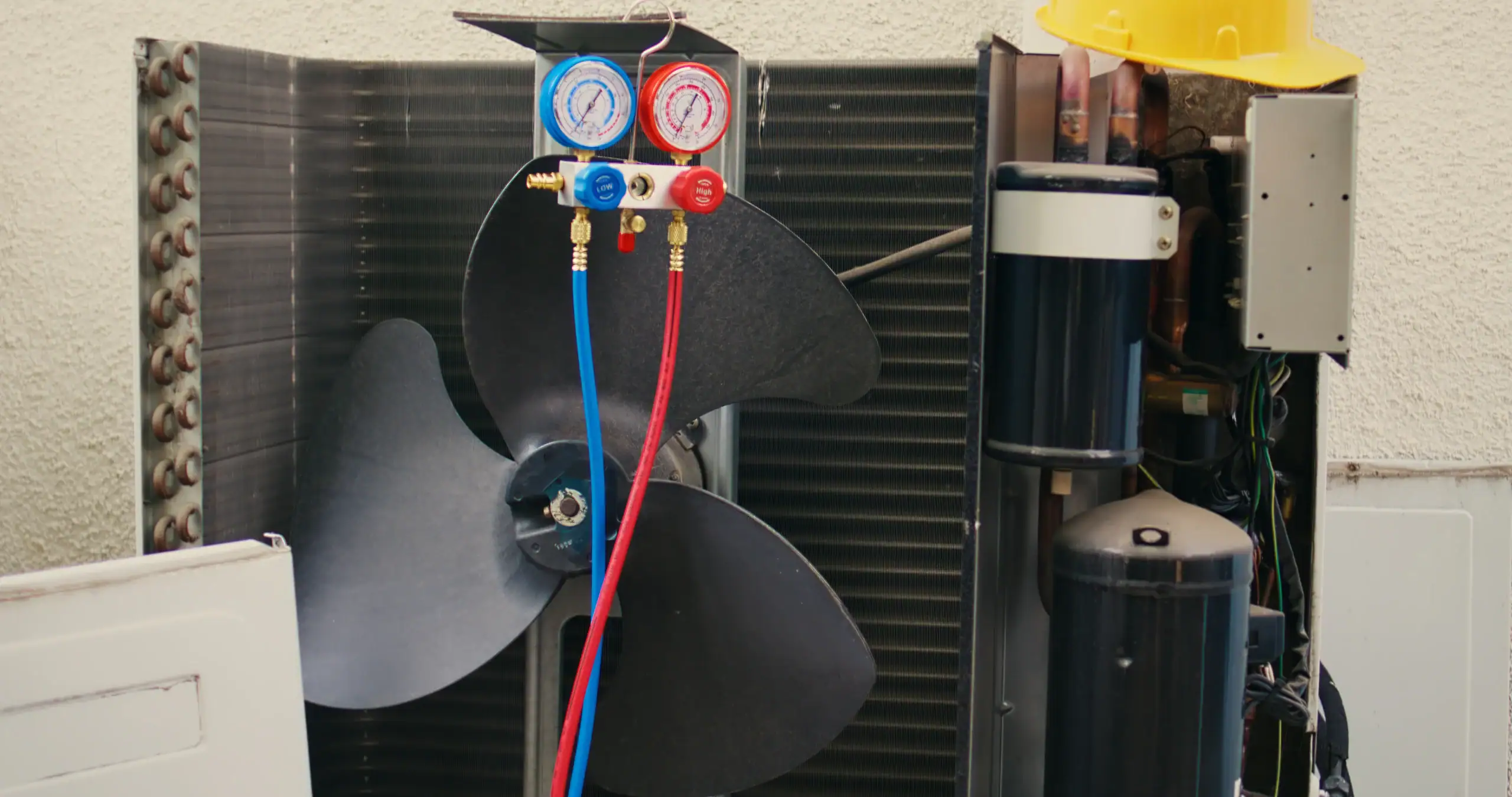
Your boat’s refrigeration system faces challenges that land-based units never see. Salt air corrodes components faster. Constant vibration loosens connections. Limited space makes repairs tricky.
When your marine refrigeration works properly, you can focus on what matters—whether that’s a successful fishing trip, entertaining guests, or simply enjoying time on the water. You’re not worried about spoiled food, warm drinks, or uncomfortable cabin temperatures.
The difference between a good day and a disaster often comes down to reliable cooling systems. You need technicians who understand marine-specific requirements, not someone learning on your boat.
We’ve spent over 40 years solving marine refrigeration challenges that leave other companies scratching their heads. We’ve seen every type of cooling failure, from salt-corroded compressors to vibration-damaged lines.
Long Island boat owners know marine environments are tough on equipment. What works fine in a restaurant kitchen won’t necessarily survive on your boat. We understand these differences and stock marine-grade components designed for the conditions your boat faces.
Our team doesn’t just fix what’s broken—we help you understand what went wrong and how to prevent it from happening again. No technical jargon, no upselling unnecessary parts, just straight talk about keeping your marine refrigeration running.
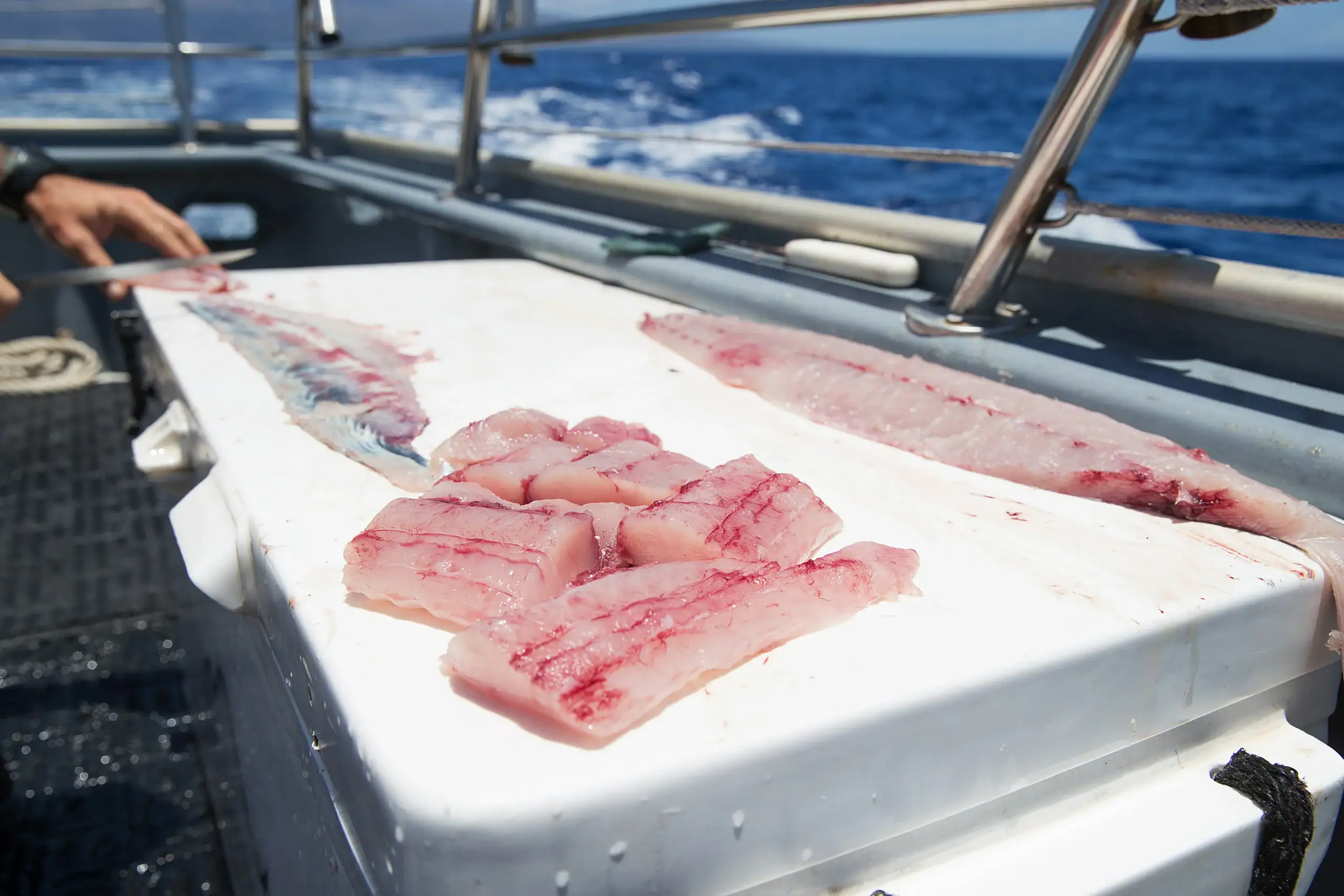
First, we’ll assess your marine refrigeration system to identify the root cause of the problem. This isn’t just looking at obvious symptoms—we check electrical connections, refrigerant levels, and components that commonly fail in marine environments.
Next, we’ll explain what we found in plain language. You’ll understand what needs repair, what can wait, and why certain components failed. We provide a clear estimate before starting any work.
During repairs, we use marine-grade parts designed to handle salt air and constant vibration. We’ll test the entire system before calling the job complete, ensuring everything works properly under actual operating conditions. You’ll know exactly what was done and how to maintain your system going forward.
Ready to get started?
We handle the full spectrum of marine refrigeration and air conditioning services. From emergency repairs when your system fails mid-trip to routine maintenance that prevents problems, we’ve got you covered.
Long Island’s marine environment is particularly harsh on cooling systems. The combination of salt air, humidity, and temperature fluctuations puts extra stress on components. Our service includes checking for corrosion, testing electrical connections, and replacing parts before they fail.
We also handle custom installations for boats with unique cooling requirements. Whether you need a specialized fish hold cooling system or want to upgrade your cabin air conditioning, we design solutions that work in your specific marine environment. Every installation includes proper marine wiring, corrosion-resistant fittings, and components rated for marine use.
Marine refrigeration systems should be professionally serviced at least once per year, preferably before the boating season starts. The harsh marine environment—salt air, constant vibration, and temperature changes—puts extra stress on cooling systems compared to land-based units.
During annual service, we check refrigerant levels, clean condenser coils, inspect electrical connections, and test all components. We also look for early signs of corrosion or wear that could lead to failures during the season. Many boat owners schedule service in early spring so any needed repairs can be completed before they’re ready to use their boat.
If you use your boat heavily or in particularly harsh conditions, consider more frequent maintenance. Commercial fishing vessels or boats that run continuously may need service twice per year to maintain reliability.
Marine refrigeration systems face unique challenges that regular household or commercial units never encounter. Salt air accelerates corrosion of metal components, requiring special coatings and marine-grade materials. Constant vibration from engines and wave action can loosen connections and damage sensitive components.
Space constraints on boats mean marine systems are often more compact and require creative installation solutions. They also need to handle significant temperature variations and maintain efficiency while the boat is moving. Power systems on boats are different too—many run on 12V DC power rather than standard household AC power.
Marine refrigeration units also need better insulation and stronger construction to maintain temperatures in challenging conditions. The components must be designed to handle moisture, salt spray, and the constant movement that comes with marine environments. Regular refrigeration technicians often lack the specialized knowledge needed to properly service these systems.
Yes, we provide on-site marine refrigeration repair services at marinas throughout the Merrick area and Long Island. We understand that moving a boat just for refrigeration service isn’t practical, so we bring our expertise directly to your vessel.
Our mobile service includes diagnostic equipment, common replacement parts, and tools specifically designed for marine applications. Most repairs can be completed right at your slip, minimizing downtime and getting you back on the water faster.
For complex repairs that require specialized equipment or extensive parts replacement, we may need to remove components for shop work. However, we always try to complete repairs on-site when possible. Emergency service is available 24/7 because we know marine refrigeration problems don’t wait for convenient times.
Well-maintained marine refrigeration systems typically last 8-15 years, depending on usage, maintenance, and environmental conditions. Systems that receive regular professional maintenance and are used in less harsh conditions can last toward the upper end of this range.
The marine environment significantly impacts system lifespan. Boats used in saltwater or left uncovered experience more corrosion and component wear. Systems that run continuously or handle heavy loads may need replacement sooner. However, proper maintenance can significantly extend system life by addressing small problems before they become major failures.
Key factors affecting lifespan include the quality of the original installation, frequency of use, maintenance schedule, and environmental conditions. Systems with marine-grade components and proper corrosion protection tend to last longer than those with standard parts. Regular cleaning, refrigerant level checks, and prompt repair of small issues all contribute to longer system life.
If your marine refrigeration system fails while you’re on the water, first check obvious issues like power connections, circuit breakers, and fuses. Sometimes a loose connection or tripped breaker is the culprit, and these are easy fixes you can handle yourself.
Keep the refrigerator and freezer doors closed as much as possible to maintain existing cold temperatures. A well-insulated marine refrigerator can maintain safe temperatures for several hours if you minimize door openings. If you have ice or cold packs available, add them to help maintain temperatures.
For serious system failures, contact us for emergency service. We provide 24/7 support and can often talk you through temporary solutions or emergency repairs over the phone. If the problem requires professional repair, we can meet you at the marina when you return or provide guidance on protecting your food until repairs can be made.
Marine refrigeration repair costs vary significantly depending on the specific problem, parts needed, and complexity of the repair. Simple fixes like replacing a thermostat or cleaning coils might cost $150-300, while major component replacements like compressors can range from $800-2000 or more.
We provide free estimates so you know exactly what repairs will cost before any work begins. We explain what needs to be done and why, helping you make informed decisions about repairs versus replacement. Emergency service calls may include additional charges for after-hours response.
The cost of repairs should be weighed against the age and condition of your system. Sometimes investing in a new, more efficient system makes more sense than expensive repairs on an old unit. We’ll give you honest advice about whether repair or replacement makes the most financial sense for your situation.