Hear from Our Customers
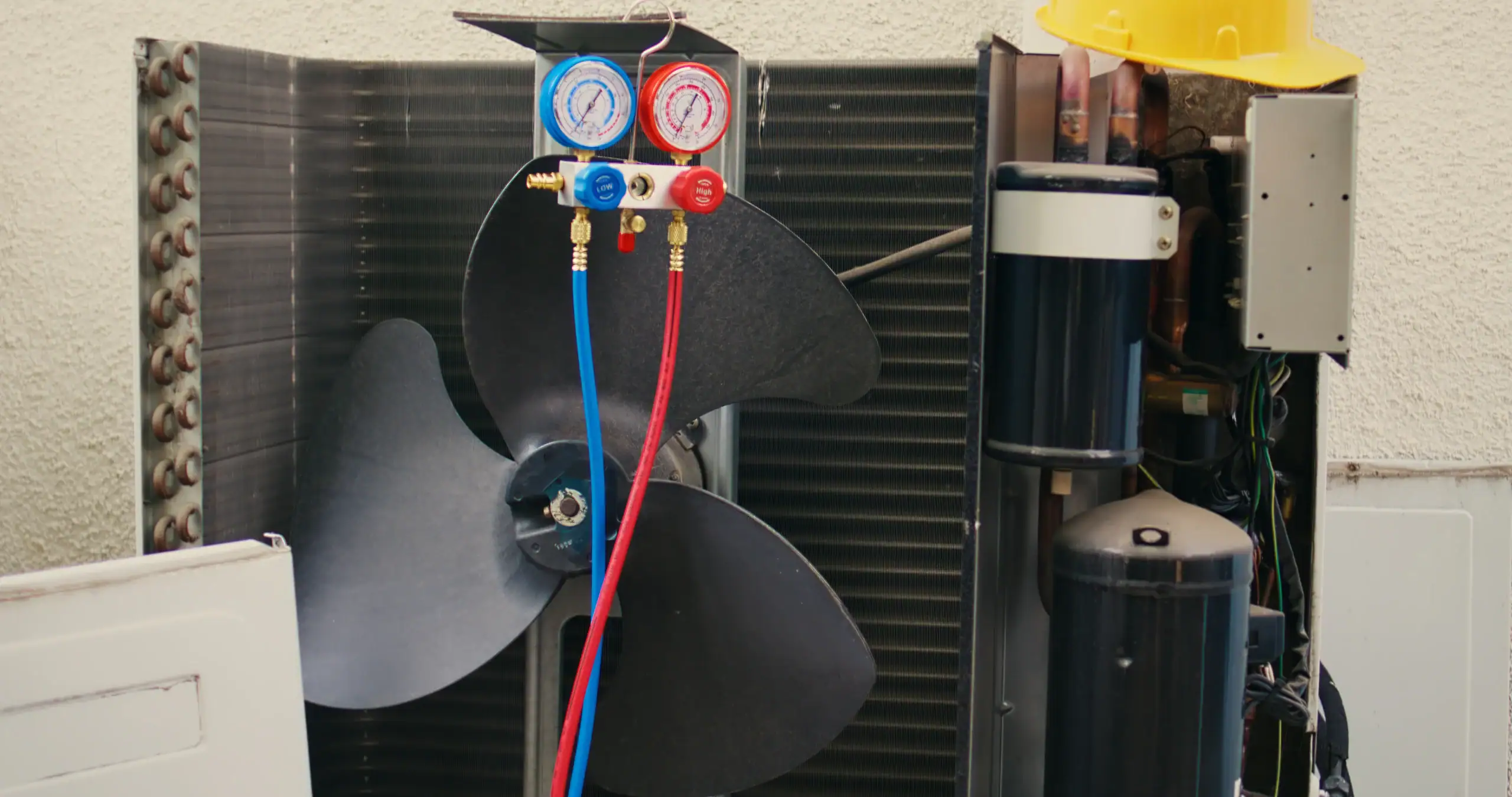
Your boat refrigeration works consistently through summer heat and winter freeze cycles. No more spoiled provisions during weekend trips or extended cruises. No more wondering if your system will hold up when you’re anchored off Montauk or cruising the Sound.
You get reliable cooling that handles Long Island’s harsh marine environment. Salt air doesn’t destroy your equipment prematurely. Your system runs efficiently without draining your batteries. When problems do arise, you get immediate response instead of waiting weeks like you would with other companies.
The difference is having refrigeration that actually works when you need it, designed for the specific challenges of boating in New York waters.
We bring over 40 years of specialized experience to Valley Stream’s marine refrigeration needs. We serve yacht clubs throughout Long Island and handle both individual boat owners and marine facilities from local harbors to major marinas.
What sets us apart is dual expertise in both commercial and marine refrigeration systems. This matters because marine systems face unique challenges – space constraints, power limitations, and constant saltwater exposure that standard refrigeration companies don’t understand.
Valley Stream boat owners choose us because we respond immediately to emergency calls, provide 24/7 consulting, and actually know how to work with the complex cooling demands of marine environments.
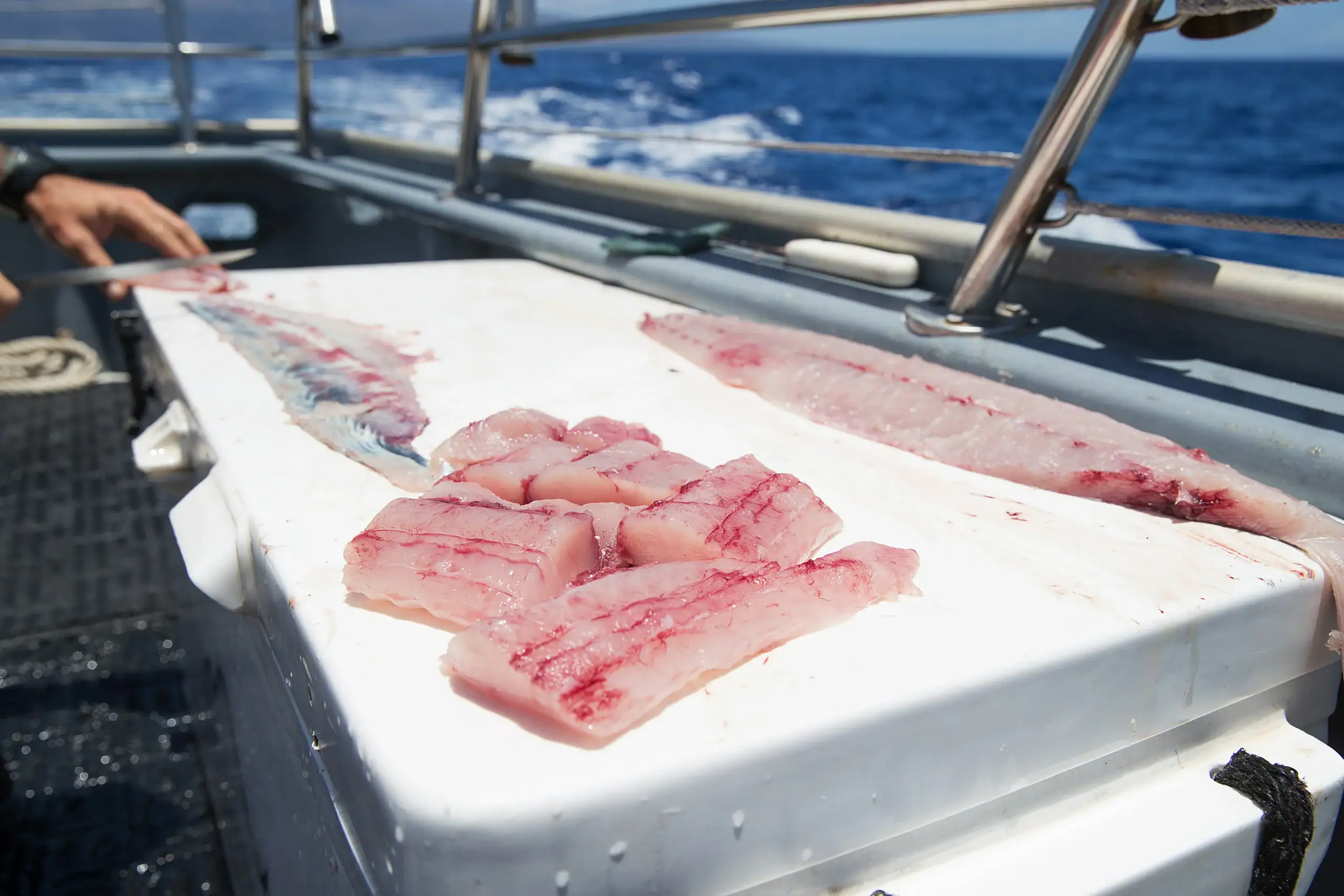
The process starts with a free assessment of your current system and your boat’s specific cooling needs. This includes evaluating power availability, space constraints, and the type of marine environment your vessel operates in.
Installation involves selecting equipment designed for marine use – components that resist saltwater corrosion and handle the constant motion and vibration of boat operation. We ensure proper sealing, drainage, and ventilation to prevent the humidity and ice buildup problems common in marine refrigeration.
After installation, you receive a complete walkthrough of system operation and maintenance requirements. We set up a maintenance schedule tailored to Long Island’s marine environment, which requires more frequent attention than standard refrigeration due to salt air and temperature fluctuations.
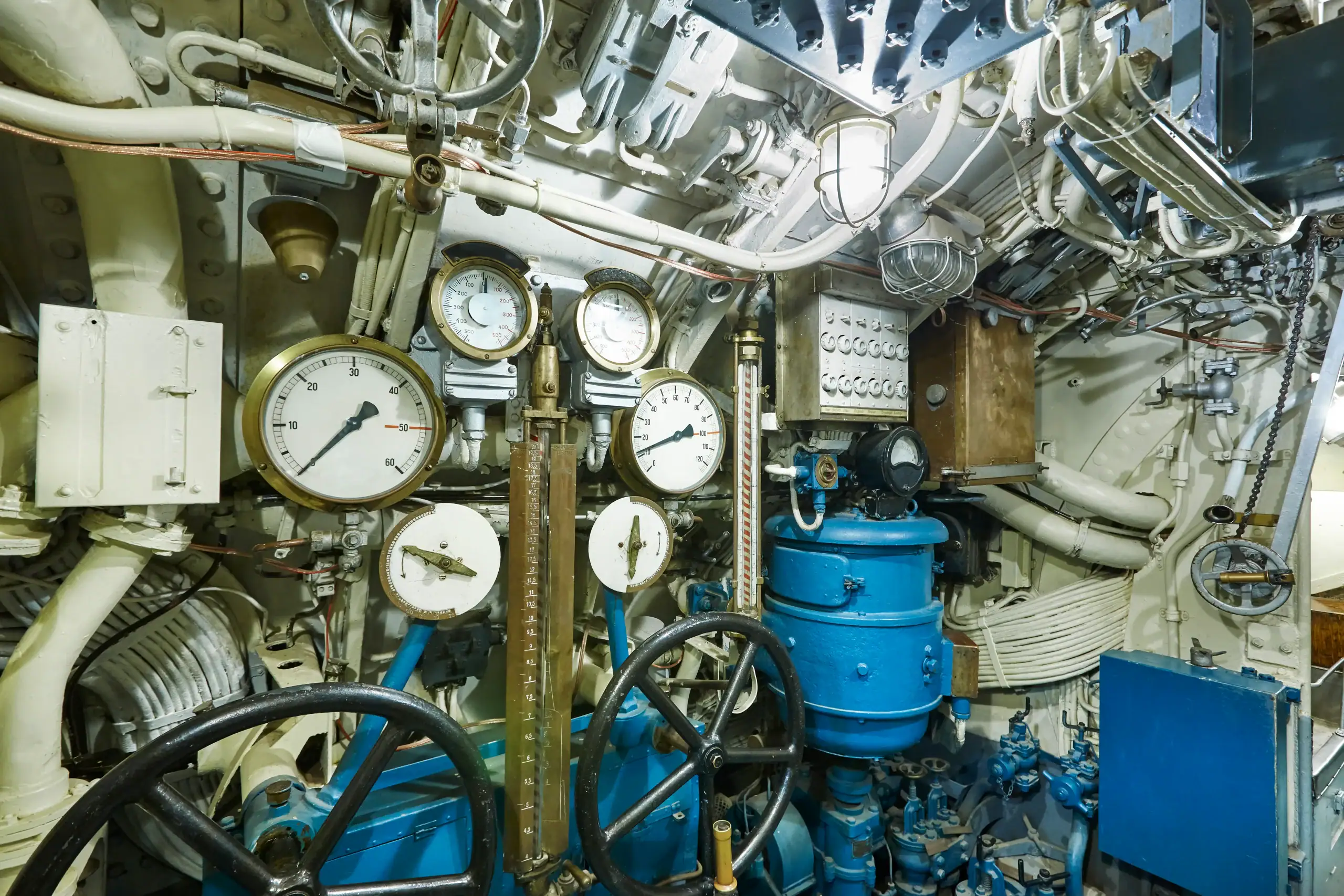
Ready to get started?
Our service covers everything from simple repairs to complete system replacements. This includes diagnosing cooling problems, fixing refrigerant leaks, replacing compressors, and addressing the power consumption issues that plague many marine refrigeration systems.
Valley Stream’s marine environment creates specific challenges that require specialized knowledge. Salt air accelerates corrosion and dirt buildup on condenser coils. The constant humidity from Long Island Sound causes ice accumulation and efficiency problems. Temperature fluctuations stress seals and components.
Our emergency service runs 24/7 because refrigeration failures don’t wait for business hours. When you call, you speak directly with a technician who can walk you through immediate steps while service is on the way. Most emergency calls get resolved on-site because our service trucks stay stocked with common parts for major marine refrigeration brands.
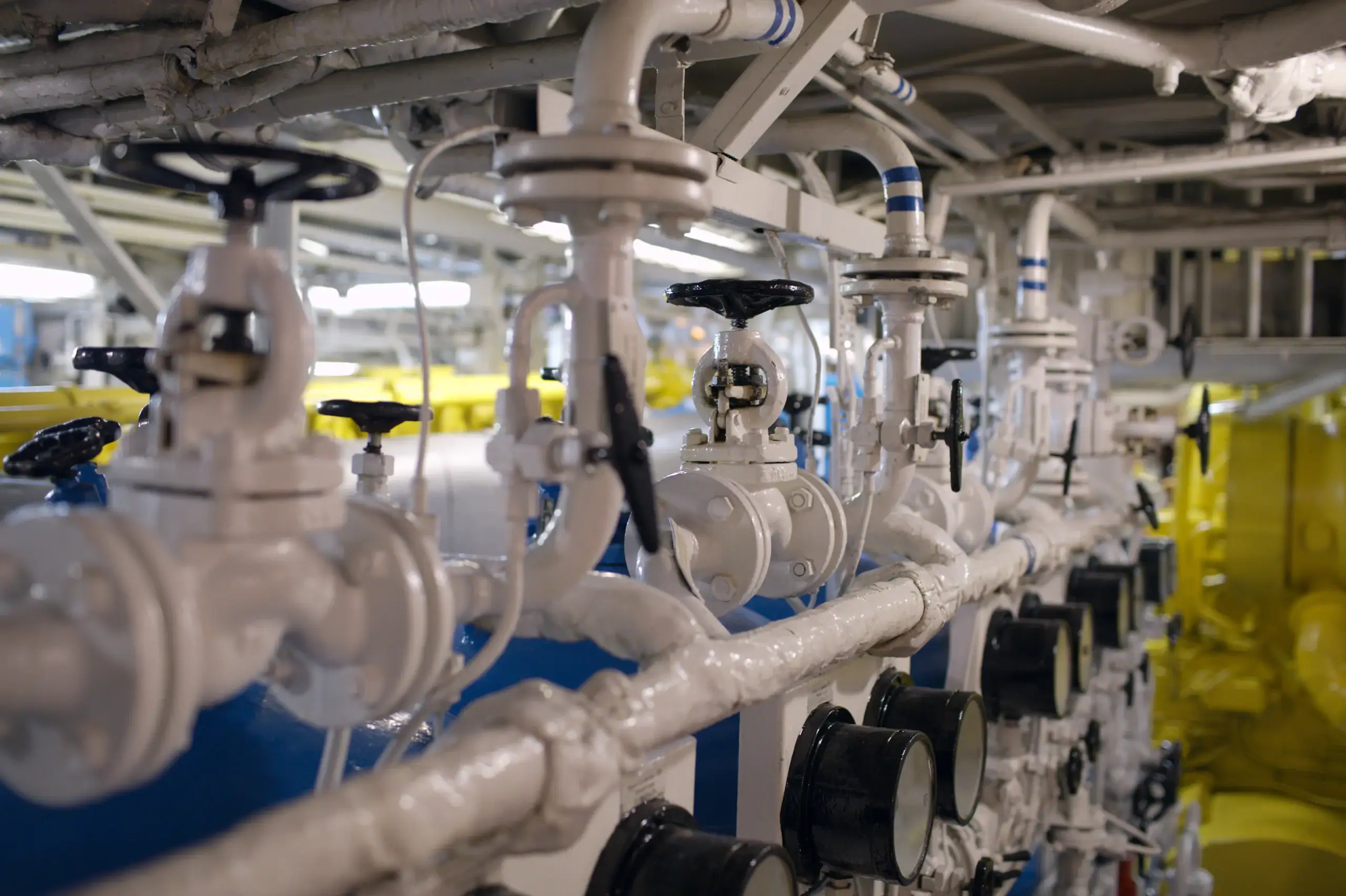
Our emergency service is available 24/7, 365 days a year because boat refrigeration problems don’t wait for convenient times. When you call our emergency line, you speak directly with a technician who can provide immediate troubleshooting guidance while a service truck is dispatched to your location.
Most emergency calls in the Valley Stream area get same-day response. Our service trucks stay fully stocked with common parts for major marine refrigeration brands, so about 70% of emergency repairs get completed on the first visit. For issues requiring specialized parts, we provide temporary solutions to keep your system running while parts are ordered.
This immediate response approach sets us apart from other companies where customers often wait weeks for appointments, especially during peak boating season when refrigeration failures are most critical.
Marine refrigeration systems face unique challenges that standard commercial refrigeration companies don’t understand. Space constraints on boats require compact, efficient designs. Power limitations mean systems must operate on 12V or 24V DC power without draining batteries. Constant saltwater exposure causes accelerated corrosion of components.
The marine environment also creates operational challenges. Boats experience constant motion and vibration that can damage standard refrigeration components. Temperature fluctuations from deck exposure stress seals and connections. High humidity from being on the water causes ice buildup and efficiency problems.
Marine refrigeration requires specialized components – corrosion-resistant materials, vibration-dampened compressors, and enhanced sealing systems. The installation process must account for proper drainage, ventilation, and access for maintenance in tight spaces. This is why choosing a company with specific marine refrigeration expertise makes such a difference in system performance and longevity.
Long Island’s marine environment requires more frequent maintenance than standard refrigeration systems. We recommend quarterly service for high-use systems and bi-annual maintenance for lighter-use equipment. Salt air accelerates corrosion and dirt buildup on condenser coils, requiring more frequent cleaning.
Marine refrigeration systems operating in Long Island waters need specialized attention to drainage systems, door seals, and ventilation. The constant moisture from Long Island Sound can cause ice buildup and efficiency problems. Temperature fluctuations from seasonal changes stress the entire system more than land-based equipment.
Our preventive maintenance customers typically get 15+ years from their marine refrigeration equipment because small problems get caught before they become expensive failures. The maintenance schedule includes coil cleaning, refrigerant level checks, seal inspections, and drainage system clearing – all tailored to the specific challenges of the marine environment.
Yes, we specialize in complete marine HVAC systems including both refrigeration and air conditioning. This dual expertise is particularly valuable because many boats have integrated cooling systems where refrigeration and AC components share power sources, space, and sometimes even refrigerant lines.
Marine air conditioning faces the same environmental challenges as refrigeration – saltwater corrosion, space constraints, and power limitations. The systems require specialized knowledge of marine electrical systems, proper ventilation design, and components that can handle constant motion and vibration.
Having us handle both refrigeration and air conditioning means better coordination, more efficient service calls, and technicians who understand how the systems interact. This is especially important for larger yachts and commercial vessels where cooling systems are complex and interconnected.
First, check that the door is sealing properly and hasn’t been left open. Move your most temperature-sensitive items to backup cooling if available, such as ice chests. Then call us immediately for emergency service – don’t wait to see if the problem resolves itself.
While waiting for our technician, avoid opening the refrigerator door unnecessarily to maintain whatever cooling capacity remains. If you have ice available, strategically place it around critical items, but don’t overload the space as this restricts airflow and can make the problem worse.
Document the temperature readings and any unusual sounds or behaviors you noticed before the failure. This information helps our technicians diagnose the problem faster when they arrive. Many marine refrigeration failures result from dirty condenser coils or drainage issues caused by salt air – problems that can often be resolved quickly once identified.
Yes, we provide free estimates for all marine refrigeration services including new installations, system replacements, and major repairs. Our estimate process includes a complete assessment of your boat’s cooling needs, available power, space constraints, and the specific challenges of your marine environment.
The estimate covers equipment recommendations based on your boat size, usage patterns, and budget. This includes explaining the differences between various marine refrigeration options and why certain systems work better in Long Island’s marine environment. There’s no pressure or hidden costs – just straightforward information to help you make the best decision.
Our free estimates also include maintenance recommendations and energy efficiency improvements that can extend equipment life and reduce operating costs. The goal is providing complete information so you understand exactly what you’re getting and why specific solutions are recommended for your particular situation.