Hear from Our Customers
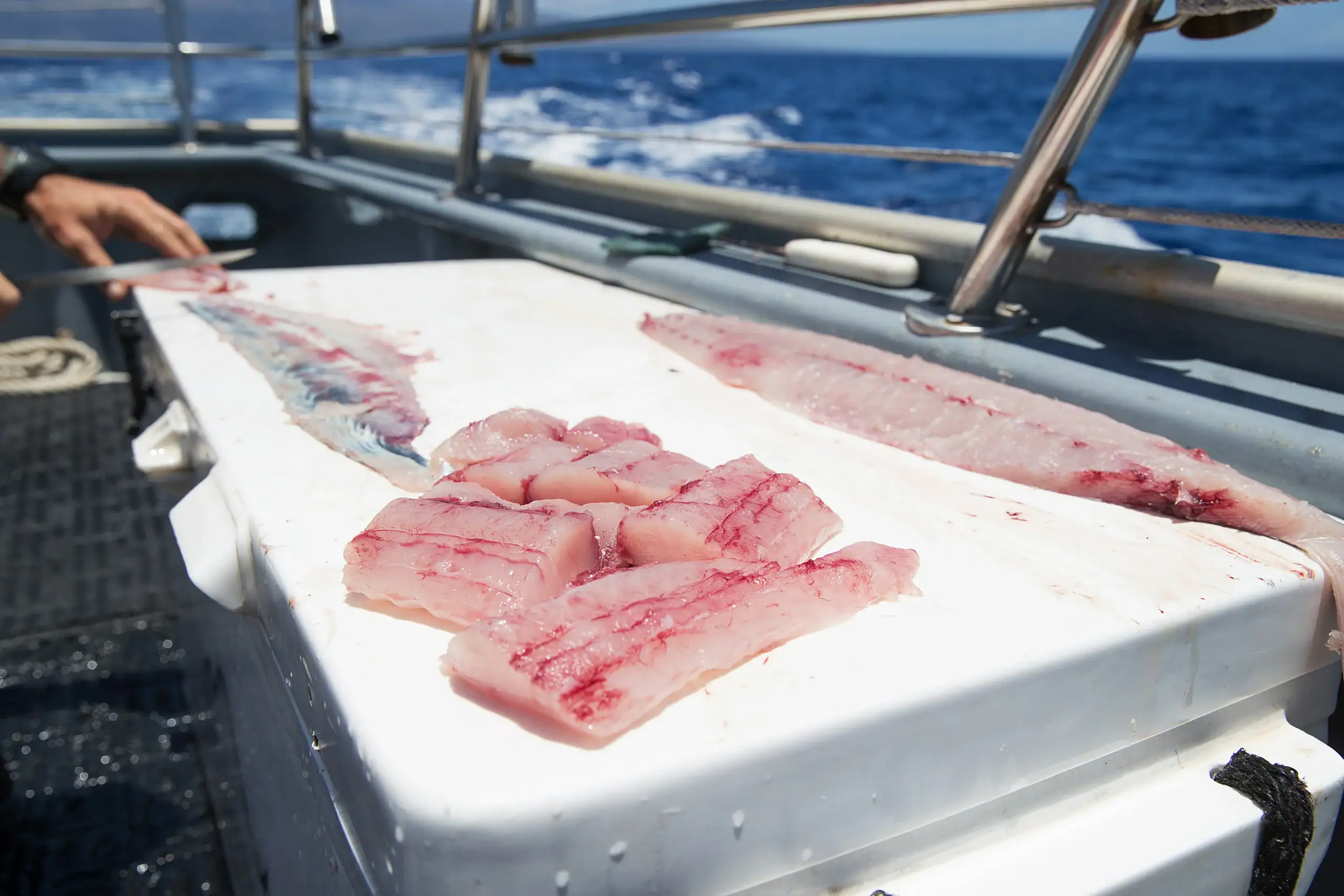
Your boat’s refrigeration system isn’t just about keeping drinks cold. It’s about preserving your catch, protecting your investment, and ensuring every trip ends successfully instead of with a cooler full of spoiled food and frustration.
When your marine refrigeration works properly, you can focus on what matters—enjoying time on the water, landing that perfect catch, or entertaining guests without worrying about system failures. You get consistent temperatures, reliable performance in harsh marine conditions, and the confidence that comes from knowing your equipment won’t let you down when you’re miles from shore.
The difference between a properly installed marine refrigeration system and a quick fix becomes obvious the moment you need it most. Professional installation means components that can handle the constant motion, salt air, and temperature fluctuations that destroy standard refrigeration units.
We’ve been solving marine refrigeration challenges in Blue Point and throughout Long Island for over 40 years. We specialize in both commercial refrigeration and marine HVAC systems, bringing commercial-grade expertise to boat owners who demand reliability.
What sets us apart is our deep understanding of marine environments. Salt air, constant motion, and temperature extremes destroy standard cooling systems—but marine-specific installations are built to handle these conditions. Our team knows the difference between a temporary fix and a lasting solution.
Blue Point’s maritime community relies on us because we combine decades of technical expertise with genuine customer service. We offer 24/7 consulting, free estimates, and the kind of straightforward communication that builds trust with boat owners who’ve been burned by inexperienced contractors before.
Every marine refrigeration project starts with understanding your specific needs and boat configuration. We evaluate your current setup, power requirements, and cooling demands to recommend the right system for your vessel and usage patterns.
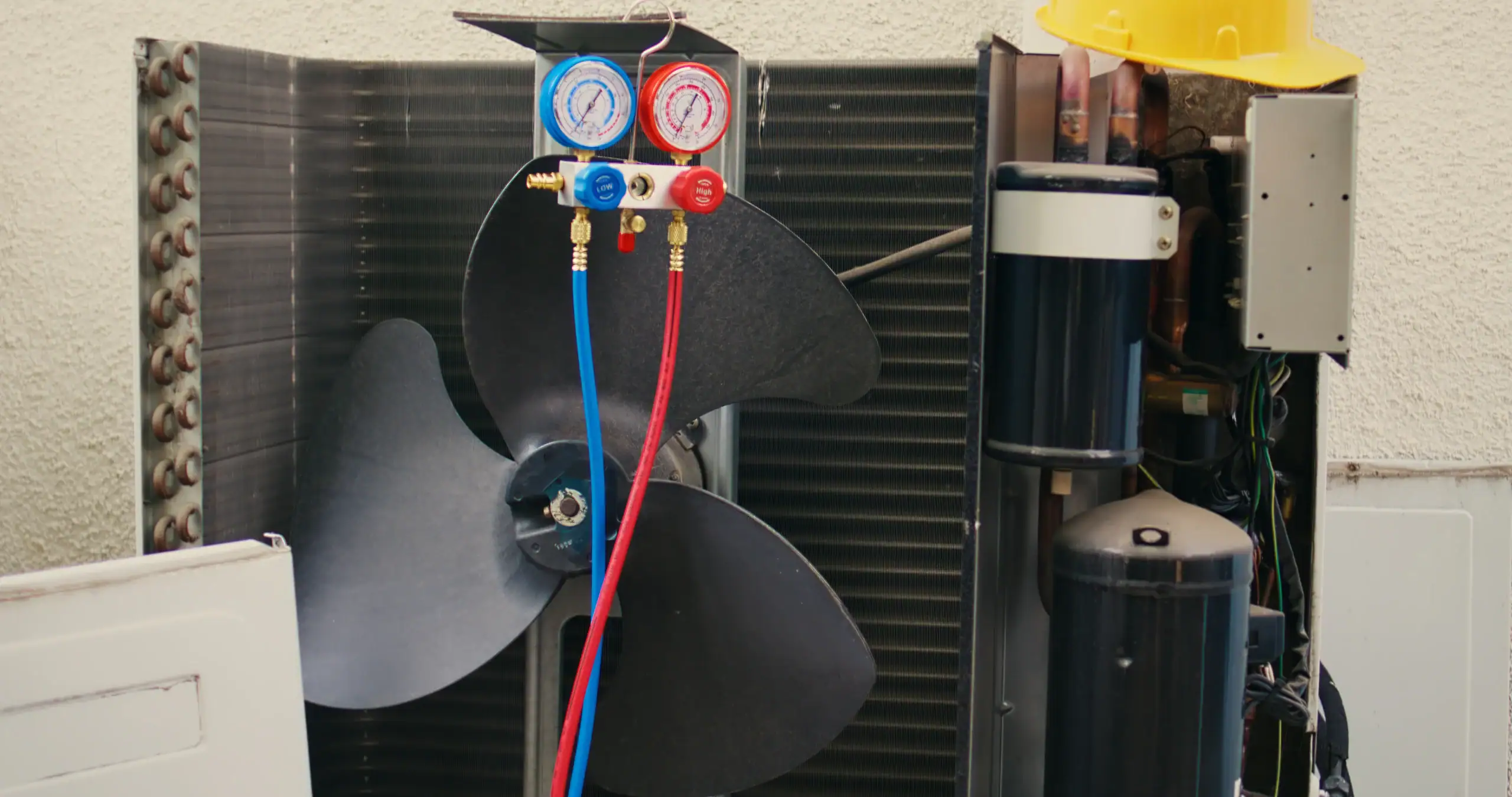
Installation involves more than just connecting components. Marine refrigeration requires specialized mounting techniques, proper drainage systems, and electrical connections that can withstand constant motion and moisture. Each component gets positioned and secured to prevent vibration damage and ensure optimal airflow.
Testing happens both at the dock and during sea trials when possible. The system gets calibrated for your specific requirements, and you receive clear instructions on operation and basic maintenance. Follow-up support ensures everything continues working properly once you’re back on the water regularly.
Ready to get started?
Our marine refrigeration service in Blue Point covers everything from emergency repairs to complete system installations. The service includes diagnostic testing, component replacement, refrigerant management, and preventive maintenance designed specifically for marine environments.
Long Island’s marine conditions create unique challenges for cooling systems. Salt air accelerates corrosion, constant motion loosens connections, and temperature fluctuations stress components beyond normal limits. Our local expertise means understanding these specific conditions and how they affect different boat types and usage patterns.
Custom solutions address unique cooling needs that standard systems can’t handle. Whether it’s a large fishing vessel requiring substantial cold storage or a luxury yacht needing precise temperature control in multiple zones, our approach focuses on reliability and efficiency rather than one-size-fits-all solutions.
Marine refrigeration systems need professional service at least twice per year—once before the boating season and once after. The harsh marine environment accelerates wear on components, and regular maintenance prevents small issues from becoming expensive failures.
Spring service focuses on preparing the system for heavy use, checking refrigerant levels, cleaning coils, and testing all electrical connections. Fall service involves winterization procedures and addressing any problems that developed during the season.
Boats used frequently or in particularly harsh conditions may need additional service calls. Signs that service is needed include inconsistent temperatures, unusual noises, or higher than normal power consumption.
Marine refrigeration systems must withstand constant motion, salt air, and temperature extremes that would destroy standard refrigeration units. Components are specially designed and mounted to prevent vibration damage and corrosion.
Power requirements differ significantly on boats. Marine systems often run on 12V or 24V DC power, and they need to be extremely efficient to avoid draining batteries. Many systems include battery monitoring and automatic shut-off features to prevent dead batteries.
Installation techniques are completely different too. Everything must be secured against movement, properly drained to prevent water accumulation, and accessible for maintenance in tight spaces. Standard residential installation methods simply don’t work in marine environments.
Power consumption varies dramatically based on system size, insulation quality, and usage patterns. A well-designed marine refrigeration system typically uses 3-8 amps per hour when running, but this depends heavily on ambient temperature and how often the unit cycles on and off.
Proper insulation is crucial for efficiency. Poor insulation forces the system to run constantly, draining batteries quickly. Quality marine refrigeration installations include adequate insulation and proper ventilation to minimize power consumption.
Battery capacity planning is essential. Most boat owners need at least 200-400 amp hours of battery capacity to run refrigeration overnight without engine charging. Solar panels or wind generators can extend operating time significantly.
Yes, we service all major marine refrigeration brands including Dometic, Norcold, Vitrifrigo, and Frigoboat. Our 40+ years of experience covers both current models and older systems that other technicians may not understand.
The key to successful marine refrigeration repair is understanding the specific challenges each brand faces in marine environments. Some brands have common failure points, while others require specialized tools or procedures for proper service.
When original parts aren’t available for older systems, we can often recommend suitable alternatives or upgrades that improve reliability. Sometimes upgrading key components during repair actually improves system performance beyond original specifications.
First, check the obvious issues: power connections, circuit breakers, and battery voltage. Many apparent “failures” are actually power problems that can be resolved quickly. If the system has power but isn’t cooling, avoid opening the refrigerator frequently to preserve remaining cold.
Contact us immediately—we provide 24/7 consulting and can often guide you through troubleshooting steps over the phone. Sometimes simple adjustments or resets can restore operation until you can return to port for proper service.
For extended trips, consider carrying backup cooling methods like high-quality coolers with ice. This isn’t a permanent solution, but it can preserve essential items until professional repair is possible.
Well-maintained marine refrigeration systems typically last 10-15 years, but this varies significantly based on usage, maintenance, and environmental conditions. Systems that receive regular professional service and are properly winterized tend to last longer than neglected units.
The marine environment is harsh on all equipment. Salt air accelerates corrosion, constant motion stresses connections, and temperature extremes challenge components. However, quality marine-grade systems are designed for these conditions when properly installed and maintained.
Component replacement often extends system life significantly. Compressors, fans, and control boards can be replaced individually rather than replacing entire systems. This approach is often more cost-effective and maintains the reliability you need on the water.