Hear from Our Customers
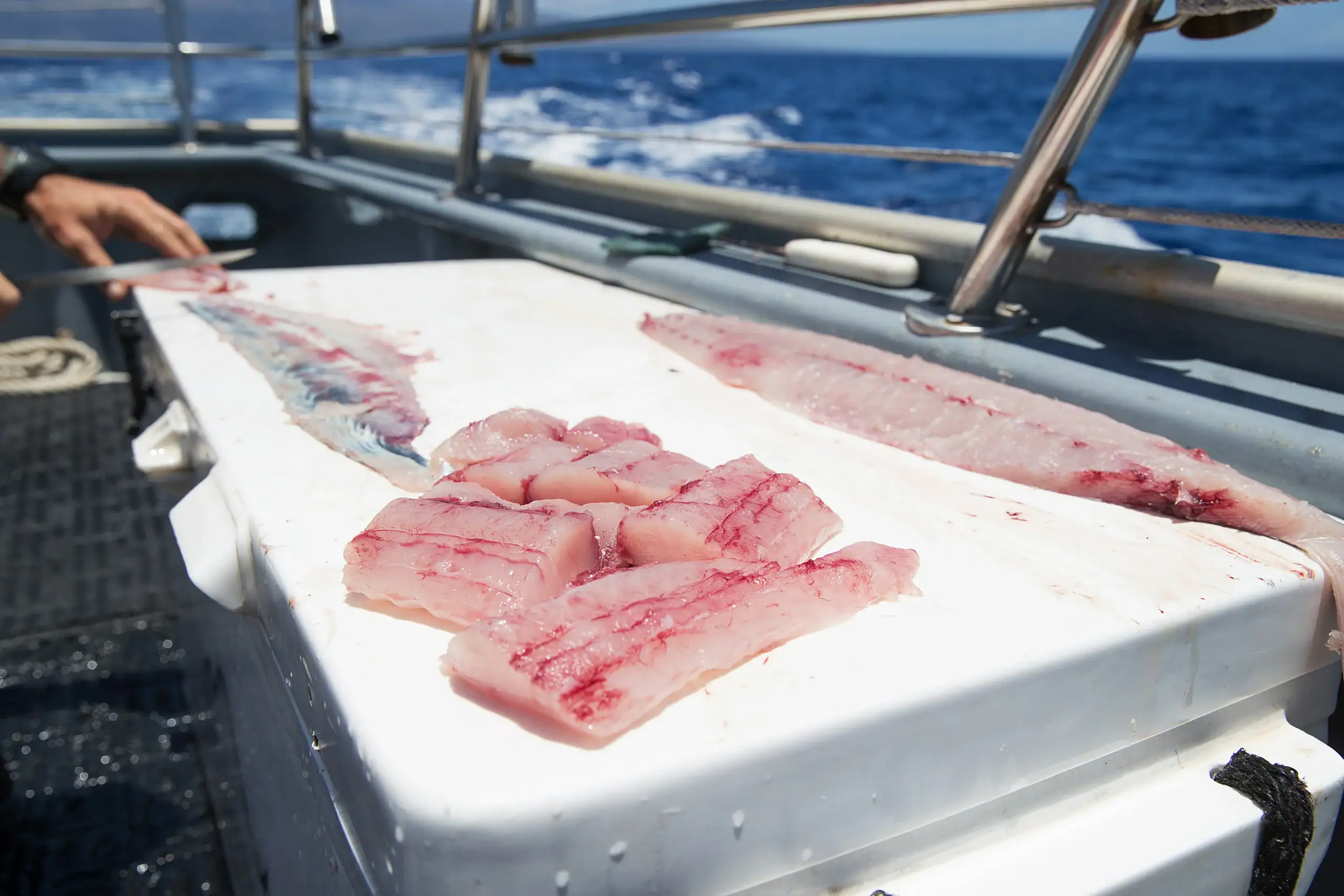
Your marine refrigeration system keeps running when you need it most. No more cutting trips short because your cooling failed.
You get reliable temperature control that handles the marine environment. Salt air, constant motion, and temperature swings don’t phase properly installed and maintained systems.
Your food stays fresh, your drinks stay cold, and your crew stays comfortable. That’s what happens when marine refrigeration actually works the way it should.
Chill Xpert Solutions has been solving marine refrigeration problems for over 40 years. We serve boat owners throughout Calverton and Long Island with specialized marine HVAC expertise.
We understand what marine environments do to cooling systems. We know the difference between regular AC work and marine-grade installations that actually last.
Dozens of five-star reviews back up our reputation for straight talk, quality work, and being there when you need us most.
First, you get a free estimate with no surprises. We evaluate your current system, identify problems, and explain exactly what needs fixing.
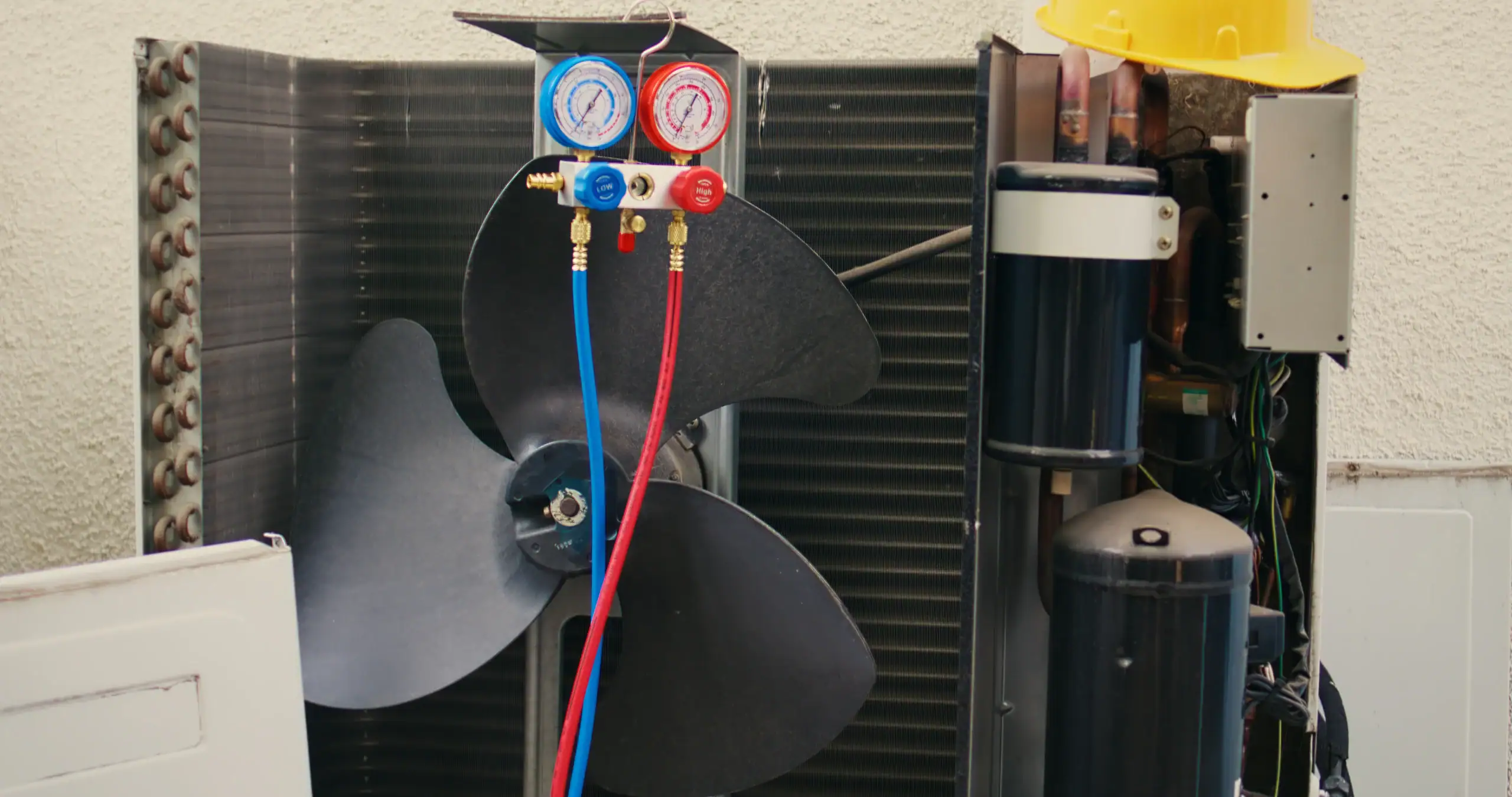
Next comes the work itself. Marine-grade components, proper installation techniques, and testing that ensures everything runs right before we leave your boat.
Finally, you get ongoing support. Questions come up, systems need maintenance, and emergencies happen. Our 24/7 consulting means you’re never stuck dealing with cooling problems alone.
Ready to get started?
You get everything from new installations to emergency repairs. Our service covers marine air conditioning, refrigeration systems, and custom cooling solutions that fit your specific boat setup.
Long Island’s marine environment creates unique challenges. Salt air corrodes standard components, constant motion stresses connections, and temperature swings test every system. We use marine-grade parts designed for these conditions.
Commercial clients trust Chill Xpert Solutions for complex projects like beer systems and specialized cooling requirements. If your boat needs reliable temperature control, we handle installations others can’t match.
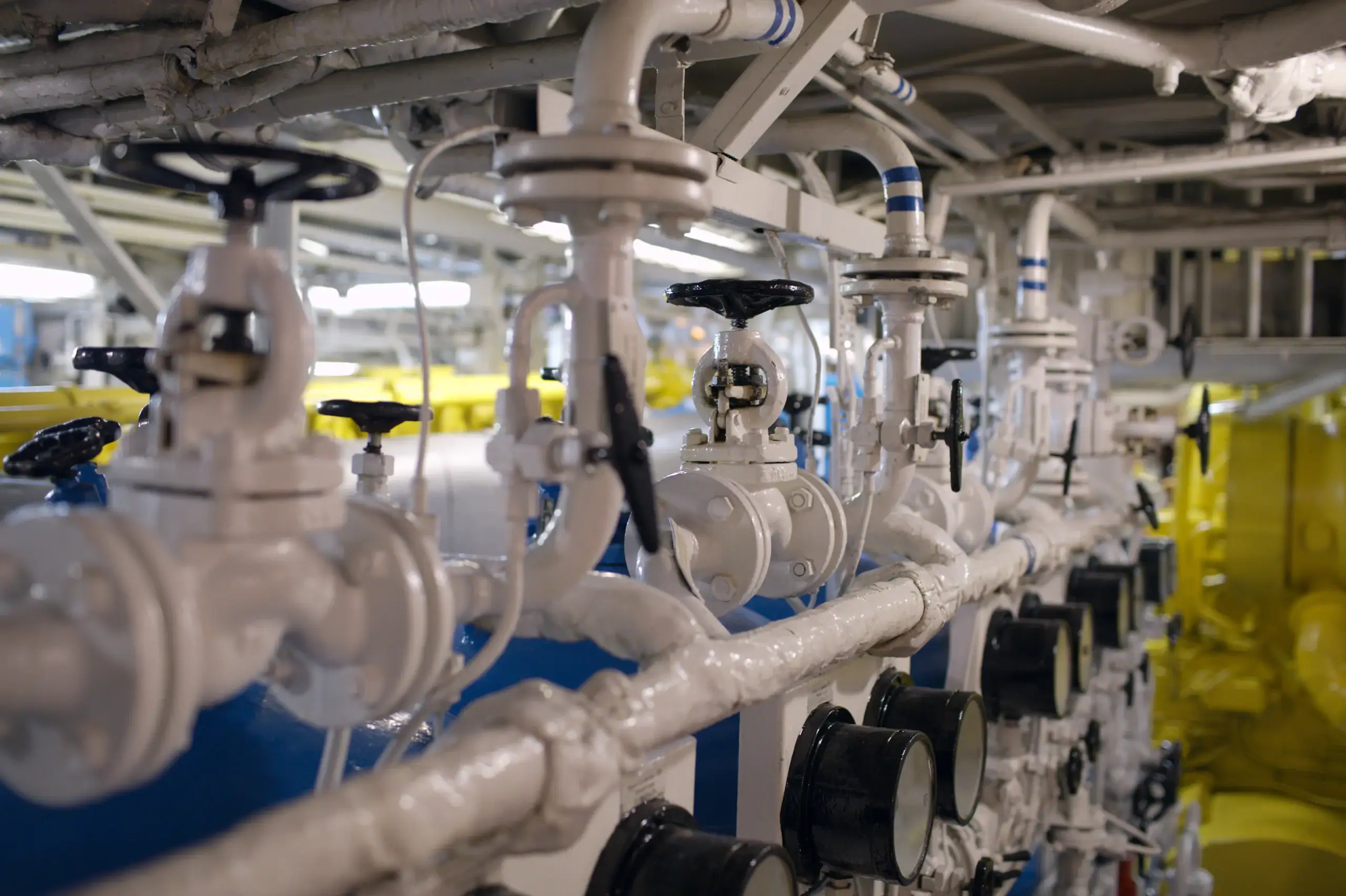
Properly installed marine refrigeration systems last 10-15 years with regular maintenance. The marine environment is tough on cooling equipment, but quality components and correct installation make a huge difference.
Systems that fail early usually have installation problems or use residential-grade parts that can’t handle salt air and constant motion. Marine-specific components cost more upfront but save money over time by lasting longer and needing fewer repairs.
Regular maintenance extends system life significantly. Annual inspections catch small problems before they become expensive failures, especially important when you’re depending on refrigeration during extended trips.
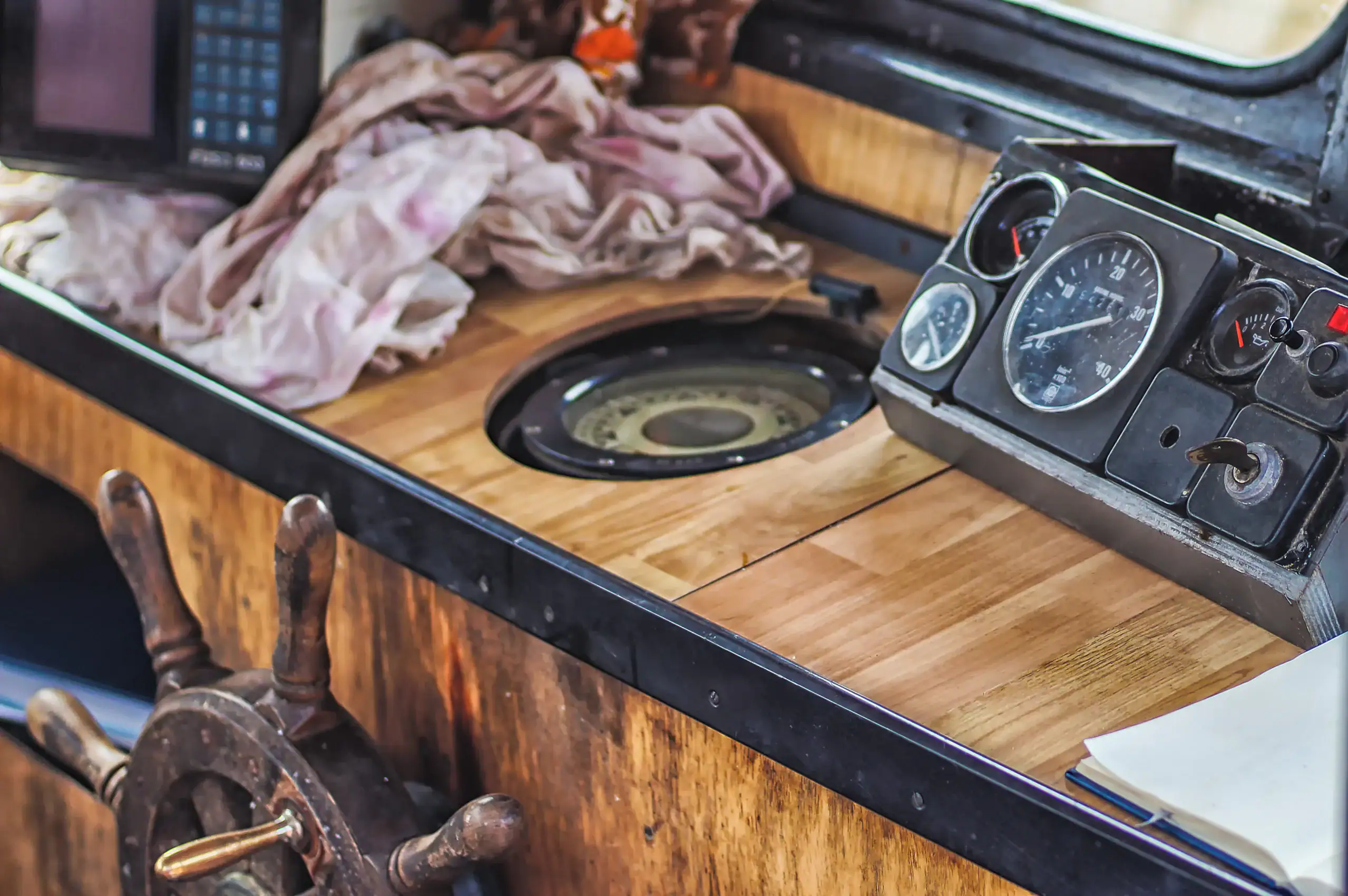
Marine AC systems must handle salt air, constant motion, and limited space while maintaining consistent cooling. Regular residential units fail quickly in marine environments because they’re not designed for these conditions.
Marine systems use corrosion-resistant components, vibration-resistant mounting, and sealed electrical connections. The refrigerant lines need special support to handle boat movement, and drainage systems must work regardless of the boat’s angle.
Power consumption matters more on boats since you’re running off batteries or limited generator capacity. Marine AC units are designed for efficiency while still providing the cooling power you need in confined spaces.
We offer 24/7 consulting for emergency situations. Response time depends on your location and the nature of the problem, but emergency calls get priority scheduling.
Many problems can be diagnosed over the phone first, which saves time and helps determine if it’s something you can temporarily address yourself. For issues requiring on-site service, we carry common marine refrigeration parts to complete repairs faster.
During peak boating season, having backup cooling plans helps. We can advise on temporary solutions to keep essential systems running until full repairs are possible, especially important for commercial operators who can’t afford extended downtime.
Marine refrigeration repair costs vary based on the problem complexity and parts needed. Simple repairs like replacing a thermostat might cost a few hundred dollars, while compressor replacement can run several thousand.
Free estimates help you understand exactly what’s wrong and what it costs to fix properly. Marine-grade parts cost more than residential equivalents, but they’re necessary for systems that actually last in marine environments.
Emergency repairs typically cost more due to after-hours service, but many boat owners find the premium worthwhile to avoid losing expensive food stores or cutting trips short due to cooling failures.
Most boats can accommodate marine refrigeration, but the installation approach varies significantly based on available space, power systems, and intended use. Smaller boats might need compact units, while larger vessels can handle full marine HVAC systems.
Power requirements are the main limiting factor. Your boat’s electrical system must support the cooling equipment, which might require generator upgrades or additional battery capacity for extended operation.
Custom installations solve unique space and power challenges. We design systems that fit your specific boat layout and usage patterns, ensuring you get reliable cooling without compromising other boat systems or functionality.
Annual maintenance prevents most marine refrigeration problems and extends equipment life significantly. The marine environment accelerates wear on cooling systems, making regular service more important than with residential equipment.
Maintenance includes cleaning coils, checking refrigerant levels, inspecting electrical connections, and testing safety systems. Salt buildup and corrosion develop quickly in marine environments, so catching these issues early prevents expensive repairs later.
Boats used frequently or in harsh conditions might need more frequent service. Commercial operators often schedule maintenance twice yearly to avoid unexpected failures during peak operating seasons when downtime costs the most.