Hear from Our Customers
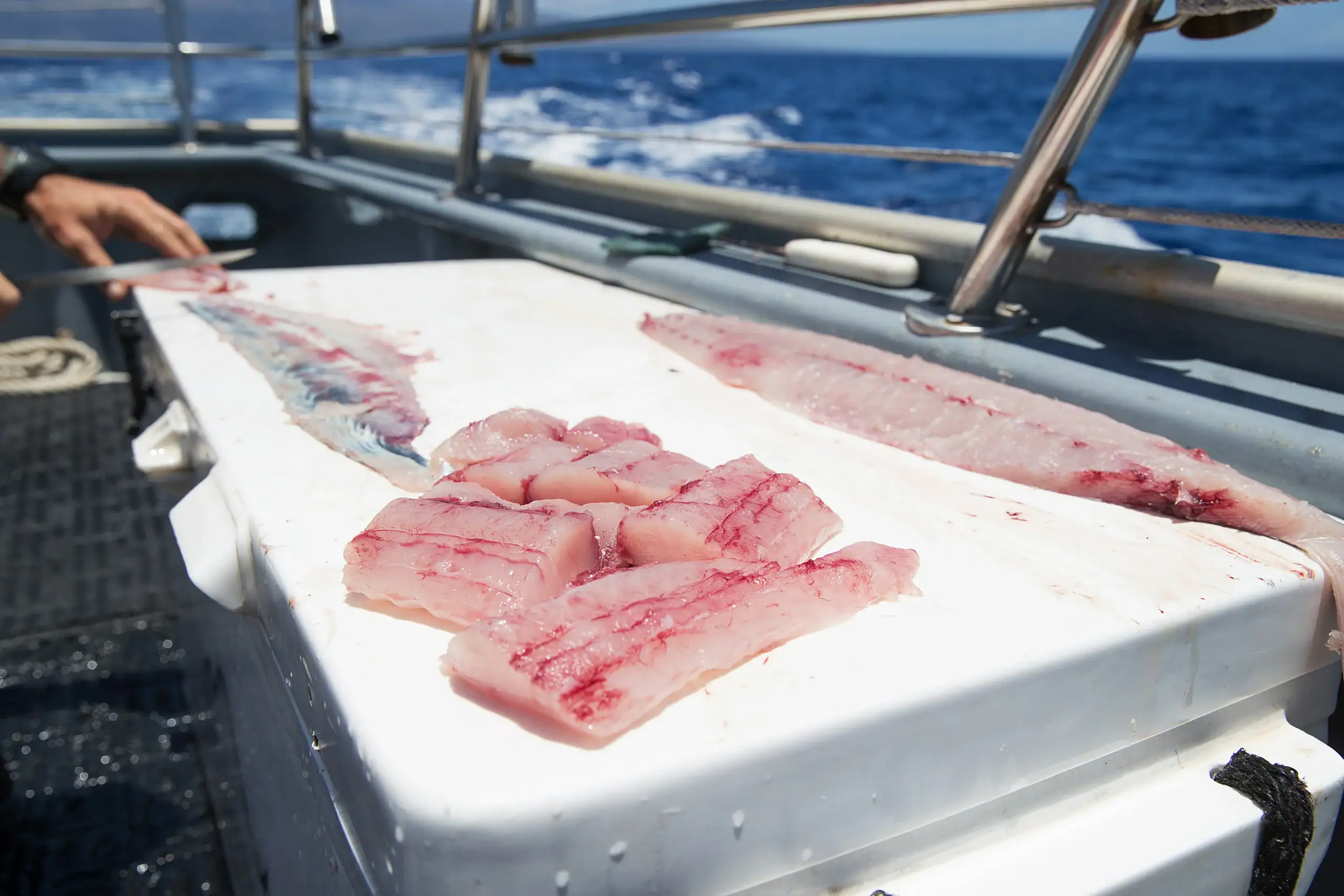
Your boat refrigeration shouldn’t be the reason you’re dumping groceries overboard or cutting trips short. When systems fail, it’s not just inconvenient—it’s expensive, frustrating, and completely avoidable with the right technician.
Most boat owners in Fort Salonga deal with the same problem: finding someone who actually understands marine systems and shows up when they say they will. Marine refrigeration isn’t the same as the fridge in your house. Saltwater eats through components. Limited battery power means every amp counts. Space constraints make installations tricky.
You need a system that handles Long Island Sound conditions without draining your batteries or breaking down every other month. That means proper installation from someone who’s done it hundreds of times, regular maintenance that catches problems early, and emergency service that doesn’t leave you waiting three weeks for a callback.
We bring over 40 years of specialized experience to every marine refrigeration and boat air conditioning job in Fort Salonga and across Long Island. We serve yacht clubs, individual boat owners, and commercial marine operations from Montauk to the North Shore harbors.
What sets us apart is straightforward: we answer the phone 24/7, we show up when scheduled, and our certified technicians actually know how marine systems work. No subcontractors. No runaround. Just direct communication with people who’ve installed and repaired hundreds of boat refrigeration systems in saltwater environments.
Fort Salonga boat owners have access to some of the best boating on Long Island Sound, but that also means systems work harder during peak season. We understand local conditions—the humidity, the saltwater exposure, the summer heat that pushes cooling systems to their limits—and we build maintenance schedules around when your boat actually needs attention.
When you call for marine refrigeration service, you talk directly to a technician who can start troubleshooting immediately. Not a receptionist taking messages. Not a callback three days later. Someone who understands compressors, refrigerant systems, and DC power limitations.
For new installations, the process starts with evaluating your boat’s specific setup—available space, power source, insulation quality, and how you actually use the vessel. Cookie-cutter installations don’t work on boats because every setup is different. We map out the system before any work begins, so you know exactly what’s getting installed and why.
Repairs follow the same logic: diagnose the actual problem, not just the symptom. If your boat refrigeration is running constantly, that could mean bad door seals, a refrigerant leak, a failing compressor, or a dozen other issues. We test each component systematically until we find the root cause, then fix it properly the first time.
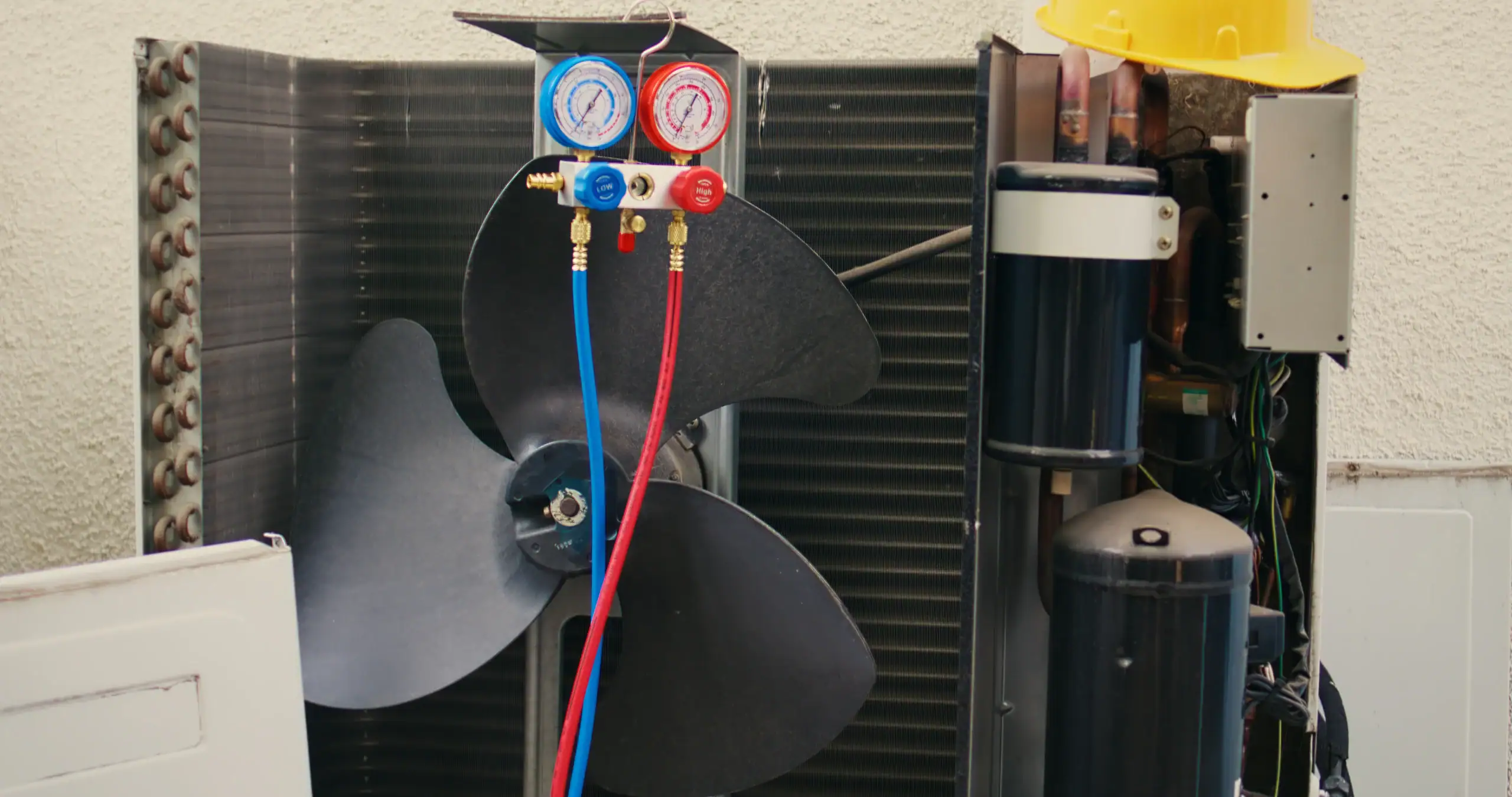
Maintenance visits focus on the parts that actually matter: cleaning condenser coils, checking refrigerant levels, testing door seals, inspecting electrical connections, and calibrating temperature controls. These aren’t just checkbox items—dirty coils alone make compressors work 40% harder and fail years earlier. Regular service catches those problems before they cost you thousands in emergency repairs.
Ready to get started?
Marine refrigeration service covers everything from simple tune-ups to complete system replacements. That includes boat air conditioning repair, refrigeration maintenance, emergency diagnostics, custom installations, and retrofits for older vessels.
Fort Salonga’s waterfront location means boats here face specific challenges. Saltwater accelerates corrosion on condenser coils and electrical connections. Summer humidity makes systems work harder to maintain temperature. Limited dock time means you need service that comes to you, not the other way around.
We handle all major marine refrigeration brands and work with both water-cooled and air-cooled systems. Whether you’re running a compact cabin refrigerator or a full galley setup with multiple zones, the approach stays the same: evaluate what’s actually needed, explain the options clearly, and complete the work without surprises.
Emergency service runs year-round because refrigeration problems don’t wait for convenient timing. When you call the emergency line, you’re talking to someone who can walk you through immediate steps while they’re already driving to your location. About 70% of emergency calls get fixed on the spot because our service trucks stay stocked with common parts for major brands—compressors, thermostats, door seals, fan motors.
Long Island’s boating season is short enough without losing weekends to equipment failures. We build preventative maintenance schedules around your actual usage patterns—whether you’re a weekend cruiser or you live aboard full-time. The goal is simple: keep your systems running so you can focus on being on the water, not dealing with breakdowns.
With proper maintenance, marine refrigeration systems typically last 8 to 15 years, but saltwater environments like Long Island Sound can shorten that lifespan if you skip regular service. The biggest factors are how well the system was installed initially, how often you use the boat, and whether you stay on top of preventative maintenance.
Saltwater accelerates corrosion on condenser coils, electrical connections, and metal components. If you keep your boat in the water year-round, you’re exposing the system to constant humidity and salt air. Boats that get winterized and stored properly tend to see longer equipment life because they’re not fighting corrosion 12 months a year.
Regular cleaning makes a massive difference. Dirty condenser coils force compressors to work significantly harder, which leads to premature failure. Door seals that aren’t sealing properly make the system run constantly, burning through components faster. Most marine refrigeration systems fail early because of neglect, not because they reached the end of their useful life.
The most common causes are refrigerant leaks, bad door seals, clogged condenser coils, or power issues. Marine systems face constant vibration, saltwater exposure, and temperature swings that land-based refrigerators never deal with, so components wear out differently.
Refrigerant leaks usually happen at connection points where vibration loosens fittings over time. You’ll notice the system running constantly but not maintaining temperature, or the evaporator won’t frost up properly. Door seals deteriorate from UV exposure and salt air—if you can slide a dollar bill out from a closed door without resistance, the seal isn’t doing its job.
Power problems are tricky because marine refrigeration runs on limited DC battery power. If your batteries aren’t charging properly or voltage drops too low, the compressor can’t run efficiently. Some boat owners assume their refrigeration system is broken when the real issue is the battery bank or charging system. We always check power supply first before tearing into the refrigeration components.
Plan for professional service at least twice a year—once before boating season starts and once mid-season if you’re using the boat heavily. That’s the minimum to catch problems before they turn into expensive emergency repairs.
Pre-season service makes sure everything survived winter storage and is ready for heavy use. We clean condenser coils, test refrigerant levels, inspect door seals, check electrical connections, and verify the system can handle sustained operation. Mid-season checks catch issues that develop from constant use—like refrigerant levels dropping slightly or door seals starting to fail.
Between professional visits, you should monitor temperatures daily, keep interior surfaces clean, and make sure door seals close properly. The big money-saver is keeping condenser coils clean—if you’re comfortable doing it yourself, cleaning them every few weeks during heavy use prevents the compressor from overworking. Most boat owners skip maintenance completely until something breaks, then spend thousands on repairs that a $200 service call would have prevented.
Yes, most modern marine air conditioning systems include reverse-cycle heating, which means the same unit cools in summer and heats in spring and fall. This is especially useful for Fort Salonga boat owners who want to extend their season beyond just the hottest months.
The system works by reversing the refrigeration process—instead of pulling heat out of your cabin and dumping it into the water, it pulls heat from the water and pumps it into your cabin. It’s efficient and doesn’t require separate heating equipment taking up valuable space on your boat.
Not all older marine AC systems have this capability, so if you’re looking at upgrades or replacements, it’s worth considering. The upfront cost is slightly higher, but you get year-round climate control without installing a separate heater. For liveaboards or people who use their boats in shoulder seasons, reverse-cycle heating makes the vessel comfortable when temperatures drop without running a generator constantly.
That’s actually normal behavior for marine refrigeration systems, especially if you’re loading warm provisions. Boat refrigerators run on limited DC power, so they’re designed for high efficiency rather than brute cooling force like household fridges that have unlimited electricity available.
When you add warm items, the system has to remove all that heat while also maintaining the temperature of everything already cold. A single gallon of liquid at 80 degrees takes about three hours of constant compressor run time to cool down to 35 degrees while keeping the rest of the box cold. If you load multiple gallons of drinks or several bags of groceries at room temperature, expect the system to run for several hours straight.
The best approach is pre-cooling provisions before bringing them aboard. If you’re loading drinks, chill them in your house fridge overnight. For longer trips, freeze water bottles or use ice packs to help the system catch up faster. Marine refrigeration works great when you understand its limitations—it’s built for efficiency and sustained operation, not rapid temperature pulldown like commercial refrigerators.
Yes, our mobile service comes directly to your boat whether it’s docked in Fort Salonga, at nearby Northport marinas, or anywhere across Long Island. Most boat owners don’t have time to haul their vessel somewhere for service, and marine refrigeration work needs to happen where the boat sits anyway.
Our service truck carries diagnostic equipment, common replacement parts, refrigerant, tools, and everything needed to complete most repairs on-site. For installations or major component replacements, we evaluate what’s needed during the first visit, order any specialized parts, then return to complete the work.
Dock-side service also means we can test the system under real conditions—checking how it performs with actual seawater flow through the condenser, verifying the electrical system under load, and making sure everything works properly before leaving. You’re not dropping your boat off somewhere and hoping it’s fixed when you pick it up. You’re there for the entire process and can ask questions as the work happens.