Hear from Our Customers
You bought your boat to use it. Not to spend Saturday mornings troubleshooting why the cabin feels like a sauna or why your refrigerator isn’t keeping anything cold.
When your marine refrigeration or boat air conditioning works the way it should, you’re not thinking about it. You’re thinking about where you’re headed next. Your provisions stay fresh. Your guests stay comfortable. Your batteries aren’t draining faster than they should.
That’s what proper marine HVAC service gets you. Systems sized right for your vessel. Installations done by people who understand saltwater environments, not general contractors learning on your dime. Maintenance that catches the small stuff before it kills your weekend plans.
You get back to what you actually want to do—which is spending time on the water, not waiting for parts or dealing with another failed repair.
We’ve been handling marine refrigeration and commercial HVAC systems across Long Island for over four decades. That’s not general heating and cooling work—it’s specialized service for boats, marinas, restaurants, and commercial facilities that can’t afford downtime.
Lake Grove boat owners work with us because we understand marine systems. The challenges of raw water cooling. The corrosion issues saltwater creates. The space constraints and power limitations you’re dealing with. We’ve handled installations from small cabin cruisers to commercial vessels, and we know the brands that matter—Dometic, Cruisair, Marine Air, Webasto.
We’re available 24/7 because marine emergencies don’t wait for Monday morning. We provide free estimates because you deserve to know what you’re paying before work starts. And we’ve earned dozens of five-star reviews by doing what we say we’ll do, when we say we’ll do it.
First, we assess what you’re dealing with. That means looking at your current system, understanding how you use your boat, and identifying what’s actually wrong—not just guessing and throwing parts at it.
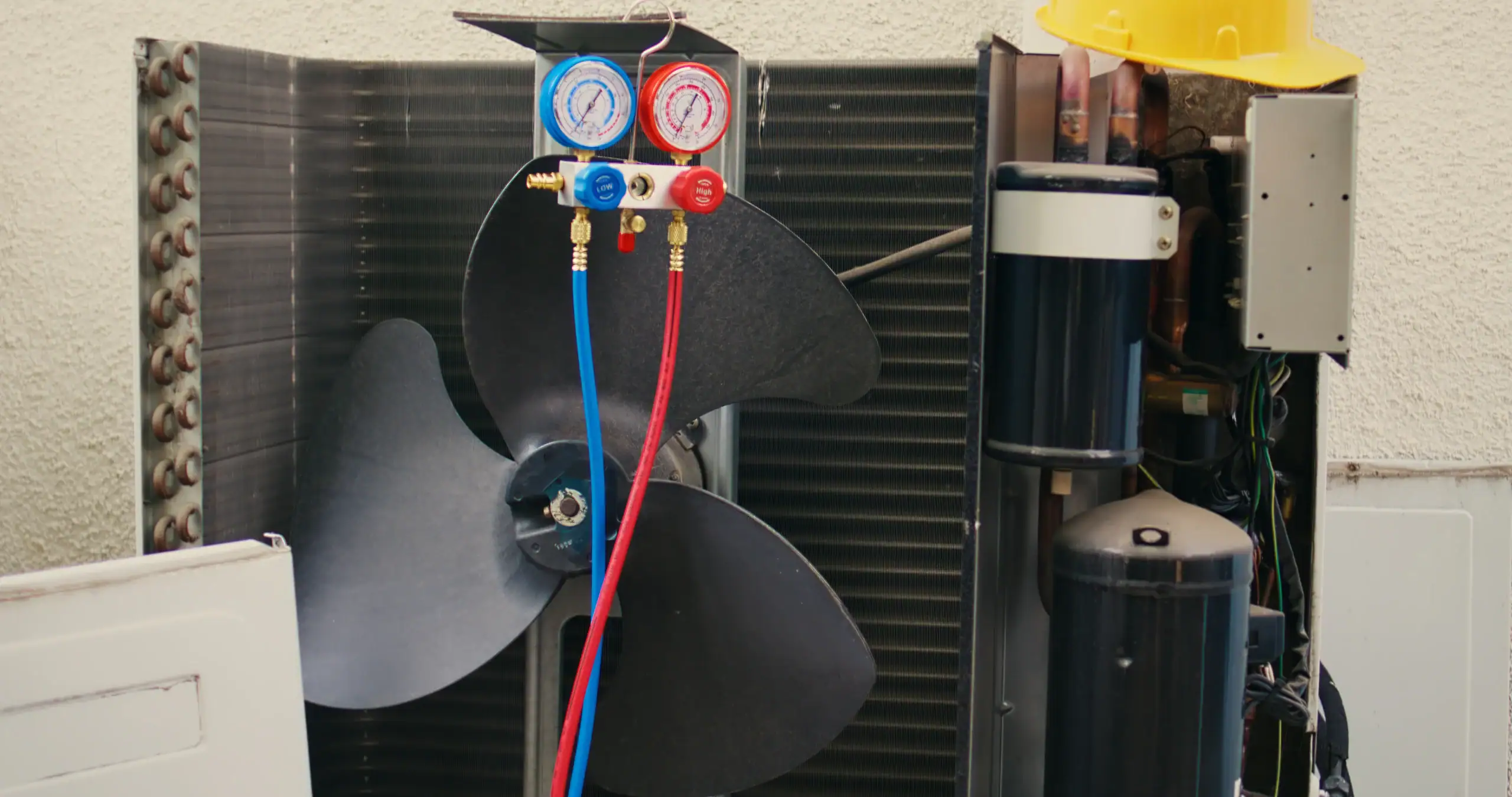
If it’s a repair, we diagnose the real issue. High pressure faults, refrigerant leaks, raw water pump failures, control board problems—we’ve seen it all. Our trucks carry the parts that matter: control boards, temperature sensors, relays, pumps, manifolds, refrigerant. That means less waiting and faster fixes.
For new installations or replacements, we size the system properly for your vessel. We account for your cooling load, your power setup, and your space constraints. Then we install it right the first time—proper ductwork, correct unit placement, marine-grade materials that handle the environment.
Maintenance work is straightforward. We inspect your system, clean what needs cleaning, check refrigerant levels, test electrical draws, look at your raw water flow, and catch problems before they become emergencies. You know what’s happening and why, because we actually communicate instead of just handing you a bill.
Ready to get started?
You’re getting technicians who specialize in marine climate control, not general HVAC people trying to figure out your boat. That matters when you’re dealing with systems that operate in saltwater environments with limited space and specific power requirements.
Our marine refrigeration services cover the full scope: installations, repairs, replacements, and preventative maintenance. We handle everything from simple refrigerator repairs to complete marine air conditioning system overhauls. Custom installations for unusual spaces. Complex chiller systems. Beer tap cooling for commercial vessels. Ice maker service. Ventilation systems.
For Lake Grove and Long Island boat owners specifically, we understand your local conditions. The marine growth challenges in local waters. The seasonal demands when everyone’s trying to get their boats ready at once. The marinas where we’ve worked dozens of times before. The fact that you need your systems working before Memorial Day weekend, not after.
You also get 24/7 emergency support, because a failed refrigeration system at 9 PM on a Friday matters just as much as one that fails Tuesday afternoon. Free estimates so you know costs upfront. And maintenance programs that keep you ahead of breakdowns instead of constantly reacting to them.
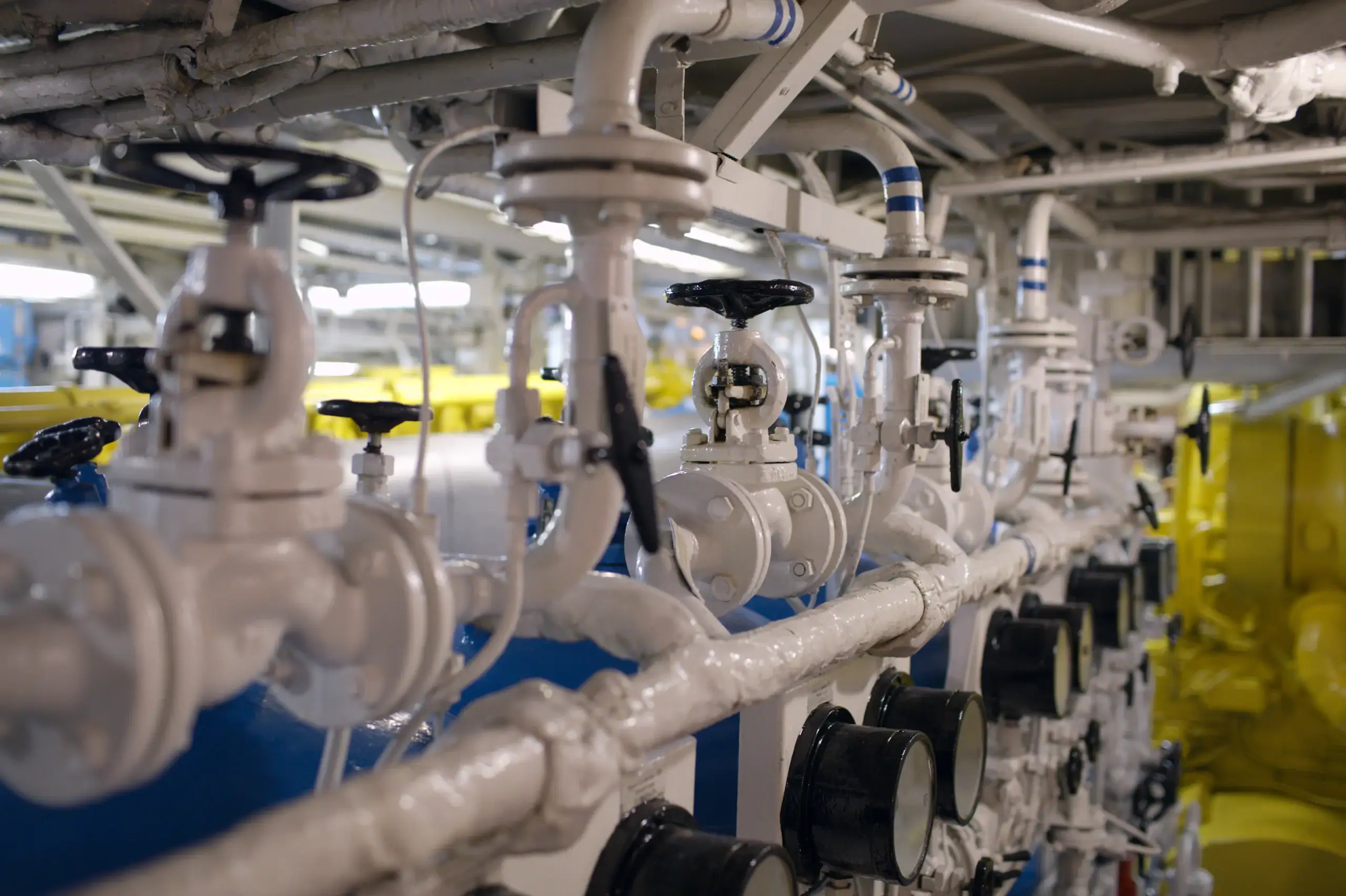
High pressure faults are one of the most common marine AC issues, and they’re usually telling you something specific. Your system is detecting that the pressure in the refrigeration circuit is too high, which triggers a safety shutdown.
Start with the basics: check your raw water flow. If your seawater intake is clogged with marine growth, debris, or your sea strainer needs cleaning, you’re not getting enough cooling water through the condenser. That drives pressure up fast. Next, look at airflow—dirty air filters or clogged evaporator coils restrict air movement and create the same problem.
Sometimes the issue is your raw water pump failing or losing efficiency. Other times it’s a refrigerant overcharge, a failing expansion valve, or a condenser that’s scaled up with mineral deposits. The key is diagnosing the actual cause instead of just resetting the fault and hoping it goes away. That’s where having someone who understands marine systems makes the difference—we know what to check and in what order.
Age and repair history tell you most of what you need to know. If your marine refrigerator is more than 10-12 years old and you’re looking at a major repair—compressor failure, refrigerant leak in the evaporator, complete control system replacement—you’re often better off replacing it. The efficiency gains alone in newer units can offset the cost difference over a few seasons.
But if it’s a newer system with a simple issue—a bad thermostat, a clogged drain line, a failed fan motor—repair makes total sense. We look at what the actual problem is, what it’ll cost to fix properly, and how much life you’re realistically going to get out of the unit afterward.
One thing to watch: if you’re constantly adding refrigerant, you have a leak somewhere. Small leaks in accessible places can be repaired. Leaks in the evaporator or buried in your insulation usually mean replacement. We’ll walk you through what makes sense for your specific situation and your budget, because there’s no point spending $1,500 to fix a $2,000 refrigerator that’s already on borrowed time.
Marine HVAC operates in a completely different environment than residential or even commercial land-based systems. You’re dealing with saltwater exposure, constant vibration, limited space, specific power constraints, and equipment that needs to work reliably when you’re miles from shore.
Most marine AC systems use raw water cooling instead of air-cooled condensers. That means seawater is pumped through your system to remove heat, which creates challenges with corrosion, marine growth, and scaling that don’t exist in regular AC. Your components need to be marine-grade to handle that environment, and your technician needs to understand raw water systems, sea strainers, and anti-fouling strategies.
Space is always tight on boats, so installations require creative solutions and proper planning. Power is limited—you’re working with what your generator or shore power can provide, and battery draw matters when you’re running on DC systems. Everything needs to be secured properly for rough seas. And the brands and parts are different: Dometic, Cruisair, Marine Air, Webasto—not the Carrier or Trane units a regular HVAC tech knows. That’s why you need someone who actually specializes in marine climate control, not a general contractor trying to figure it out as they go.
Twice a year is the standard recommendation for most boat owners: once before the season starts and once before you winterize. That pre-season service catches problems before they ruin your first few weekends out, and the pre-winter service makes sure everything’s properly shut down and protected.
If you use your boat year-round or it’s a commercial vessel, quarterly service makes more sense. You’re putting more hours on the equipment, and you can’t afford unexpected downtime. Seasonal maintenance includes cleaning or replacing air filters, inspecting and cleaning sea strainers, checking refrigerant levels, testing electrical draws, examining raw water pumps and hoses, cleaning condensers, and verifying all controls are working properly.
The reality is that preventative maintenance costs a fraction of what emergency repairs cost—especially emergency repairs that happen right when you need your boat. A service call that catches a failing raw water pump before it dies completely saves you from a weekend at the dock and a much bigger repair bill. Most boat owners who skip regular maintenance end up spending more in the long run, plus dealing with the frustration of systems failing at the worst possible times.
Yes. We work on all the major marine HVAC brands: Dometic, Cruisair, Marine Air, Webasto, Flagship Marine, CTM, Frigomar, Mabru, and others. Forty years in this business means we’ve seen pretty much everything that’s out there, from older units that are no longer manufactured to the latest variable-speed systems.
Each brand has its quirks—different control systems, specific parts, particular failure points. Dometic and Cruisair are extremely common and we stock parts for them. Marine Air systems have their own design approach. Webasto chillers require different expertise than self-contained units. We keep our trucks stocked with the components that fail most often across all these brands, which means we can usually complete repairs in one visit instead of ordering parts and coming back.
If you have an unusual or custom system, we can handle that too. We’ve worked on everything from basic 12-volt units on smaller boats to complex multi-zone chiller systems on larger yachts. The key is understanding how marine refrigeration and air conditioning actually works, not just being familiar with one specific brand. That knowledge transfers across systems and lets us diagnose and fix problems efficiently regardless of what name is on the unit.
Yes, we provide 24/7 emergency support for marine refrigeration and air conditioning failures. Boat systems don’t break on convenient schedules—they fail Friday evening before a long weekend, or right before a charter, or when you’re provisioned for a week-long trip.
When you call with an emergency, you’re talking to someone who can actually help, not an answering service reading from a script. We assess what you’re dealing with, determine if it’s something that needs immediate attention or can wait, and get someone to you as quickly as possible. Our service trucks carry the parts that fail most often, so there’s a good chance we can fix the problem on the first visit.
Emergency service costs more than scheduled service—that’s true everywhere. But the alternative is lost time on the water, spoiled provisions, uncomfortable guests, or missed commercial obligations. For Lake Grove and Long Island boat owners, we understand that your boating season is short enough already. We’re not going to tell you to wait until Monday when your problem needs fixing now. That’s why we’ve been doing this for 40 years—we actually show up when we say we will, and we fix what’s broken instead of making excuses.