
Hear from Our Customers
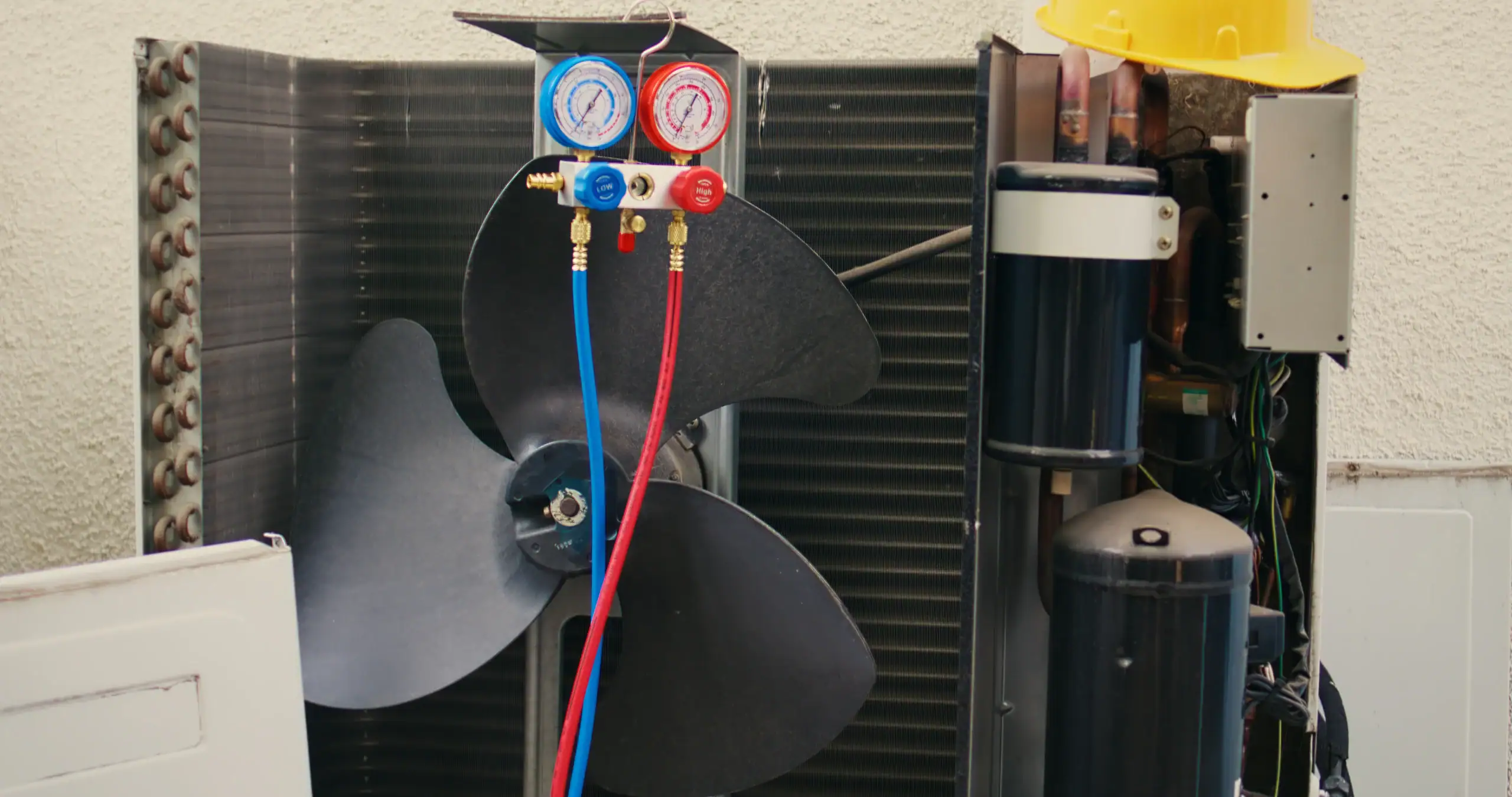
Your refrigeration keeps food fresh through long weekends on the Sound. Your AC runs cold when July temperatures hit the cabin. Your systems don’t fail the week before your family trip because we caught the problems during spring maintenance.
That’s what working marine refrigeration looks like. Not the alternative—spoiled provisions, hot cabins, and 10-week service backlogs when you finally find someone who’ll return your calls.
Marine systems face challenges your home refrigerator never sees. Salt air corrodes components. Constant motion stresses connections. Limited electrical capacity means systems work harder in tighter spaces. Humidity accelerates wear on seals and electronics.
Standard HVAC contractors don’t understand these issues. They’ll treat your boat like a house, install the wrong components, and leave you with systems that fail within a season. Marine refrigeration requires marine-grade parts, proper ventilation design, and technicians who understand boat electrical systems.
You need systems installed right the first time. Maintained by people who know what to check. Repaired fast when something breaks during peak season.
We’ve spent over four decades working on marine HVAC and refrigeration systems throughout the Manhasset Bay area. We’ve installed systems on boats docked at Manhasset Bay Marina, handled emergency repairs for yacht club members, and maintained climate control for vessels ranging from 30-foot cruisers to luxury yachts.
We know the local marine environment. The saltwater conditions in Long Island Sound. The electrical limitations on different vessel types. The marinas and harbors where we provide dockside service.
Our team includes the same technicians who’ve been serving Port Washington and the North Shore for years. We’re not a general HVAC company trying to work on boats. We’re marine specialists who understand the difference between land-based systems and the equipment your vessel needs.
Boat owners around Manhasset Bay know us for responding fast when systems fail, showing up when we say we will, and explaining what’s wrong in plain language. We’ve built our reputation on dozens of five-star reviews from customers who needed their systems working—not excuses about why we couldn’t get there for two months.
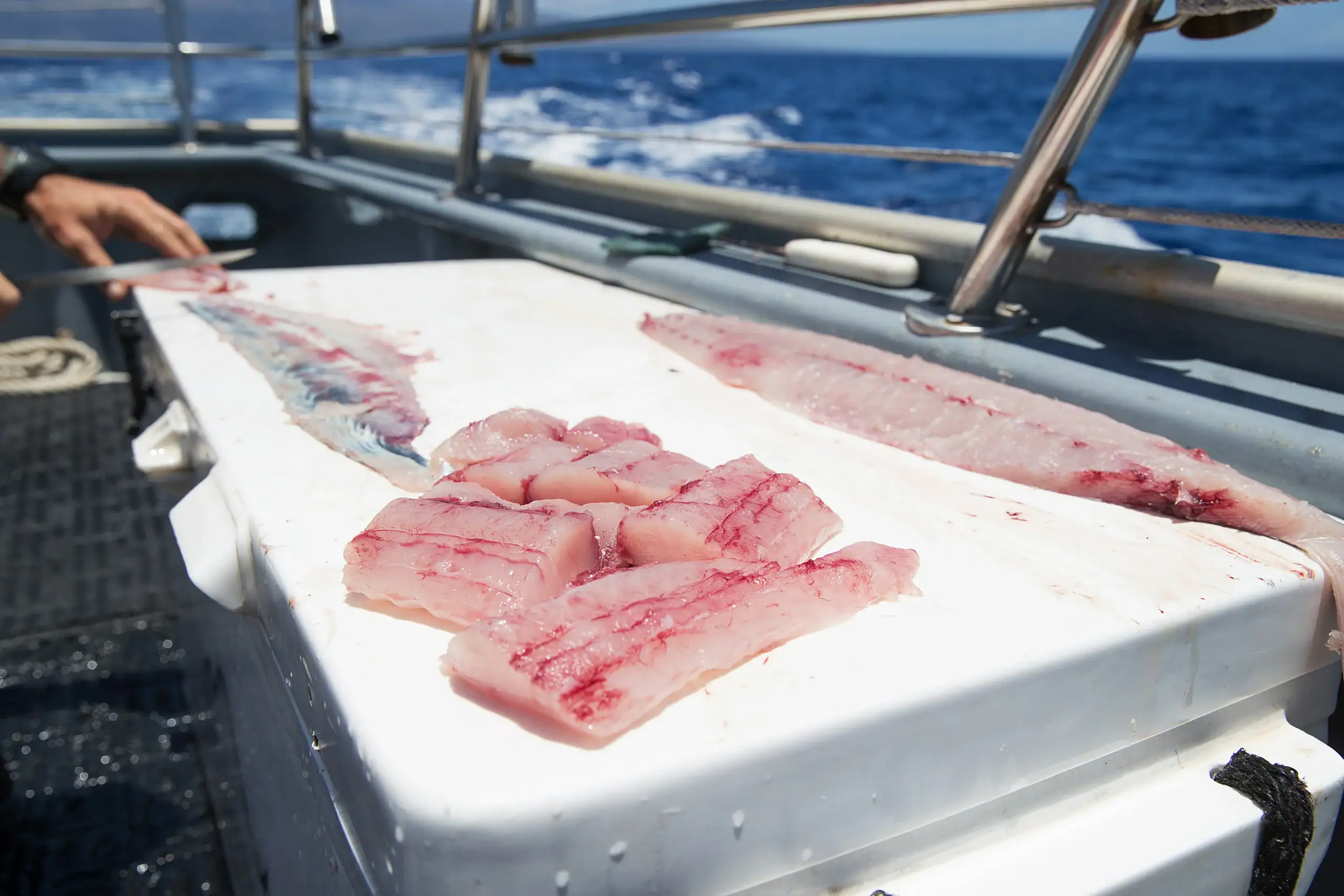
You call us when something’s wrong—or before season starts if you’re smart about maintenance. We schedule dockside service at your marina. No need to haul your boat anywhere.
Our technician arrives with a truck stocked for marine work. We’re carrying marine-grade compressors, thermostats, door seals, and refrigerant specific to boat systems. About 70% of service calls get fixed on the spot because we bring the parts boats actually need.
We start by diagnosing the real problem. Not just the obvious symptom. If your refrigeration isn’t cooling, we check refrigerant levels, inspect for leaks, test electrical connections, examine door seals, and verify your compressor is running at proper RPM. We look at ventilation because poor airflow causes half the “broken” systems we see.
Marine AC issues get the same thorough approach. We test water flow through your seawater cooling system. Check for clogged strainers. Verify your condensate drain isn’t backing up. Look for saltwater corrosion on components. Test your thermostat and control boards with marine-rated diagnostic tools.
When we find the problem, we explain it. What failed, why it failed, what it’ll take to fix it. You get a clear price before we do any work.
Repairs use marine-grade parts designed for saltwater environments. We’re not installing residential components that’ll corrode in six months. New installations get planned around your boat’s specific electrical capacity, space constraints, and ventilation requirements.
After repairs or installation, we test everything under load. We verify temperatures, check for leaks, confirm proper drainage, and make sure your electrical system handles the draw. You see it working before we leave.
Ready to get started?
Our marine refrigeration and HVAC services cover installation, repair, maintenance, and 24/7 emergency response. We handle everything from small cabin refrigerators to full yacht climate control systems.
Installation work starts with proper system design. We calculate your cooling requirements based on space size, insulation, and typical usage. We plan component placement around your boat’s layout, ensuring adequate ventilation and access for future service. We size electrical capacity correctly so your systems don’t overload your boat’s power. Marine installations require different planning than land-based work, and we account for motion, vibration, and saltwater exposure.
Repair service addresses the common failures marine systems experience. Refrigerant leaks from saltwater corrosion. Compressor failures from inadequate ventilation. Electrical issues from moisture intrusion. Clogged seawater strainers choking your AC. Failed door seals letting humid air into refrigeration boxes. We diagnose the actual problem and fix the root cause—not just the symptom that brought you in.
Maintenance service prevents most emergency breakdowns. We recommend at least two professional inspections per year for boats used regularly around Manhasset Bay. Spring service before season starts catches problems before you’re trying to use the boat. Fall service before winter storage prevents off-season damage. We clean condenser coils, check refrigerant levels, test thermostats, inspect door seals, verify proper drainage, and look for early signs of saltwater corrosion.
Emergency service runs 24/7 because refrigeration failures don’t wait for business hours. When you call our emergency line during a breakdown, you talk to a technician who can walk you through immediate steps while we’re driving to your location. We understand the difference between “my ice maker sounds funny” and “my refrigeration died during a heat wave with a boat full of provisions.” The second one gets immediate response.
Manhasset Bay boat owners face specific challenges. The saltwater environment accelerates corrosion on marine components. Summer humidity makes refrigeration systems work harder. Boats stored at local marinas need regular service because systems sitting idle develop problems. We’ve worked on vessels throughout Port Washington, Manhasset Bay Marina, and the surrounding North Shore harbors for decades. We know what fails first on boats kept in this area.
At minimum, twice per year—spring and fall. But that’s the bare minimum for boats used casually.
If you’re on your boat every weekend during season, you need spring service before launch, mid-season inspection around July, and fall service before winter storage. Boats kept in saltwater at Manhasset Bay marinas face harsher conditions than freshwater vessels. The salt accelerates corrosion on refrigeration components, especially condenser coils and electrical connections.
Spring service catches problems that developed during winter storage. We’re checking for moisture damage, verifying refrigerant levels, testing compressors after months of sitting idle, and cleaning components that accumulated salt residue. This service happens before you need the systems, so repairs don’t cost you weekends on the water.
Mid-season inspection makes sense for boats used heavily. We’re looking for issues developing from constant use in summer heat and humidity. Checking door seals that get opened dozens of times per trip. Verifying your compressor isn’t working too hard because your condenser coils need cleaning. Catching small refrigerant leaks before they become complete failures.
Fall service prepares systems for winter storage. We’re flushing seawater from AC systems so salt doesn’t corrode components while the boat sits. Checking for damage that occurred during season. Making sure refrigeration boxes are clean and dry to prevent mold. Identifying repairs that should happen during off-season when you’re not trying to use the boat.
Boats used for extended cruising need more frequent service. If you’re living aboard or taking multi-week trips, your systems work harder and need checking every few months. The constant use reveals problems faster than weekend operation.
Refrigerant leaks from saltwater corrosion cause more failures than anything else. The marine environment is brutal on refrigeration components.
Salt air corrodes copper refrigerant lines, especially at connection points where dissimilar metals meet. Vibration from boat motion stresses these connections over time. Eventually you develop pinhole leaks that slowly drain refrigerant. Your refrigeration runs constantly trying to cool, never quite reaching temperature, and your electrical system works overtime powering a failing compressor.
The second most common failure is poor ventilation causing compressor overheating. Boat refrigeration compressors get installed in tight spaces—under seats, in engine rooms, behind panels. If those spaces don’t have adequate airflow, the compressor can’t dissipate heat. It runs hot, works harder, and fails early. We see compressors that should last 10 years dying in three because someone installed them in a sealed compartment with no ventilation.
Door seal failures rank third. Marine refrigeration boxes experience constant motion, humidity, and temperature swings. Door seals deteriorate faster than residential refrigerators. A compromised seal lets warm, humid air into the box constantly. Your compressor runs nonstop trying to maintain temperature. You’re burning through electrical capacity and wearing out your compressor fighting a seal that costs $50 to replace.
Electrical issues cause plenty of failures too. Moisture intrusion corrodes connections. Inadequate wire gauge causes voltage drop. Improper fusing leads to blown circuits. Marine electrical systems are more complex than residential, and refrigeration draws significant power. If the electrical installation wasn’t done correctly, you’ll have ongoing problems.
Clogged seawater strainers kill marine AC systems regularly. Your AC uses raw water from Long Island Sound for cooling. That water carries debris, marine growth, and sediment. If your strainer isn’t cleaned regularly, water flow drops, your system can’t cool properly, and you get high-pressure faults that shut everything down. Simple maintenance prevents this, but boat owners often forget to check strainers until the AC stops working.
Yes. Dockside service is how we handle most marine work around Manhasset Bay.
We come directly to your slip at Manhasset Bay Marina, Port Washington harbors, or wherever you keep your boat in the area. Our service trucks are stocked with marine-grade parts and diagnostic equipment. We don’t need you to haul your boat anywhere or bring systems to a shop.
Dockside service makes sense for several reasons. Your marine refrigeration and AC are integrated into your boat’s systems. Proper diagnosis requires seeing how components interact with your electrical system, ventilation setup, and seawater cooling. We can’t evaluate that in a shop—we need to see the installation in place.
Most repairs happen at your dock. We’re carrying common failure parts for marine refrigeration—compressors, thermostats, door seals, refrigerant, electrical components. If your issue is typical wear and tear or a common failure, we fix it on the spot. You’re not waiting for parts to ship or scheduling a second visit.
Complex installations require multiple visits, but we still work at your marina. New refrigeration or AC installation involves planning, running lines, electrical work, and testing. We schedule installation days when your boat is accessible at the dock. The work happens there.
Winter storage changes the approach slightly. If your boat is shrink-wrapped or stored in a yard, access becomes more difficult. We coordinate with the marina or storage facility to access your boat when needed. Some owners prefer having major service work done during storage season anyway—the boat’s not being used, so timing is flexible.
We’ve worked at marinas throughout the Manhasset Bay area for years. Marina staff know us. We understand their access requirements and protocols. We schedule service around your availability and marina hours.
The only time dockside service doesn’t work is when your boat needs to be hauled for through-hull work. If we’re installing new seawater intake for AC systems, that requires the boat out of water. But that’s rare. Most marine refrigeration and AC service happens right at your slip.
Depends entirely on what’s wrong. But you’ll know the price before we do any work.
Simple repairs run $200 to $500. Replacing a failed thermostat, fixing a door seal, cleaning clogged strainers, or addressing minor electrical issues fall in this range. These are maintenance-level problems that don’t require major component replacement.
Mid-range repairs cost $500 to $1,500. This includes refrigerant leak repair and recharge, replacing circulation pumps, fixing control boards, or addressing ventilation issues that require modifications. You’re replacing significant components but not the entire system.
Major repairs run $1,500 to $3,000 or more. Compressor replacement, extensive electrical work, or fixing multiple failed components at once. At this price point, especially on systems over 10 years old, replacement often makes more sense than repair.
New system installation ranges from $2,000 for basic cabin refrigeration to $10,000+ for complete yacht climate control with multiple zones. The wide range reflects different boat sizes, system complexity, and installation difficulty. A simple under-counter marine refrigerator in an accessible location costs far less than a custom galley system with freezer in a tight space requiring extensive electrical upgrades.
Marine AC installation runs similar ranges. A single 16,000 BTU self-contained unit might cost $3,000 to $5,000 installed. Multiple zones with chilled water systems on larger yachts can reach $20,000 or more. The cost reflects equipment quality, installation complexity, and your boat’s specific requirements.
Emergency service carries premium pricing because you’re paying for immediate response during off-hours. But emergency pricing still beats losing a weekend on the water or throwing away hundreds of dollars in spoiled provisions.
We provide free estimates before starting work. You’ll know what the repair costs, why it costs that amount, and what alternatives exist. If your repair cost approaches replacement cost, we’ll tell you. Sometimes fixing a 12-year-old system for $2,000 doesn’t make sense when a new system costs $3,500 and comes with warranty.
Location affects pricing slightly. Boats at easily accessible Manhasset Bay marinas cost less to service than vessels requiring significant travel or difficult access. But location is a minor factor compared to the actual work required.
Completely different. Marine components are built for conditions regular refrigerators never face.
Marine compressors are designed for 12V or 24V DC power from your boat’s electrical system. Residential refrigerators run on 120V AC. The compressor technology is different—marine units use variable-speed DC compressors that adjust to available power and maintain efficiency despite voltage fluctuations. Your boat’s electrical system varies based on battery charge, engine running status, and other loads. Marine compressors handle this. Residential compressors don’t.
Marine refrigeration uses different refrigerants optimized for DC compressor systems and marine applications. The refrigerant charge is calculated differently because boats experience constant motion, varying angles, and temperature swings that residential units never see.
Condenser coils in marine systems are built from corrosion-resistant materials. Copper and aluminum coils used in home refrigerators corrode rapidly in saltwater environments. Marine coils use protective coatings or different alloys designed for salt air exposure. They’re also sized differently to handle the limited ventilation space available on boats.
Door seals and gaskets use marine-grade materials resistant to UV exposure, salt, and constant humidity. Residential refrigerator seals deteriorate quickly under these conditions. Marine seals are engineered for the environment.
Marine AC systems use seawater for cooling instead of outdoor air like residential units. This requires completely different components—raw water pumps, seawater strainers, through-hull fittings, and heat exchangers designed for saltwater. The entire cooling approach is different.
Electrical components are sealed against moisture intrusion. Control boards, thermostats, and wiring connections use marine-grade waterproofing because boat environments are constantly humid. Residential components fail quickly from moisture damage.
Installation requirements differ dramatically. Marine systems must be secured against motion and vibration. Mounting hardware, line routing, and component placement follow marine standards, not residential building codes. Everything needs to work regardless of boat angle or sea conditions.
This is why general HVAC contractors fail at marine work. They install residential components that corrode within months. They don’t understand DC electrical systems. They can’t properly size systems for limited boat power. They don’t know how to route refrigerant lines to handle constant motion.
Marine refrigeration requires marine-specific knowledge, marine-grade components, and technicians who understand the difference. Anything else is a temporary fix waiting to fail.
Different systems, different components, different failure modes. But both require marine-specific expertise.
Marine refrigeration keeps your food and drinks cold. It’s a closed refrigeration system using a DC compressor, evaporator plate or cold plate, and air-cooled or water-cooled condenser. The system runs on your boat’s 12V or 24V electrical system. It operates continuously or cycles based on temperature, drawing power from your batteries. Refrigeration systems are fully contained within your boat—no seawater involvement in most designs.
Marine AC cools cabin air. It uses seawater from Long Island Sound for cooling via a raw water pump and heat exchanger. The system pulls water through your through-hull fitting, runs it through the heat exchanger to absorb heat from the refrigerant, then discharges it overboard. Marine AC typically runs on shore power or generator power because cooling loads are high. Some newer systems run on DC power, but they’re less common.
The service requirements differ significantly. Refrigeration service focuses on refrigerant systems, compressor health, insulation, door seals, and electrical draw. We’re checking refrigerant charge, looking for leaks, verifying compressor efficiency, and ensuring your batteries can handle the load.
Marine AC service involves seawater systems. We’re checking raw water pumps, cleaning seawater strainers, inspecting through-hull fittings, descaling heat exchangers, and verifying proper water flow. Salt buildup and marine growth cause most AC failures. The refrigeration side still needs service, but seawater system maintenance is critical.
Failure modes differ too. Refrigeration typically fails from refrigerant leaks, compressor issues, or electrical problems. Marine AC fails from clogged strainers, failed water pumps, corroded seawater components, or salt buildup in heat exchangers.
Both systems require marine-specific knowledge. Both face saltwater corrosion, humidity, and vibration. Both need proper ventilation and electrical capacity. But the specific components, maintenance requirements, and common failures are different.
We service both because they’re both critical to your time on the water. Your refrigeration keeps provisions fresh. Your AC keeps the cabin comfortable. When either fails during July in Manhasset Bay, you’re not having a good time.
Most boat owners need both systems maintained regularly. Spring service checks both before season starts. We’re verifying your refrigeration is cooling properly and your AC is ready for summer heat. The service happens together because we’re already at your boat, and both systems need checking before you’re depending on them.