
Hear from Our Customers
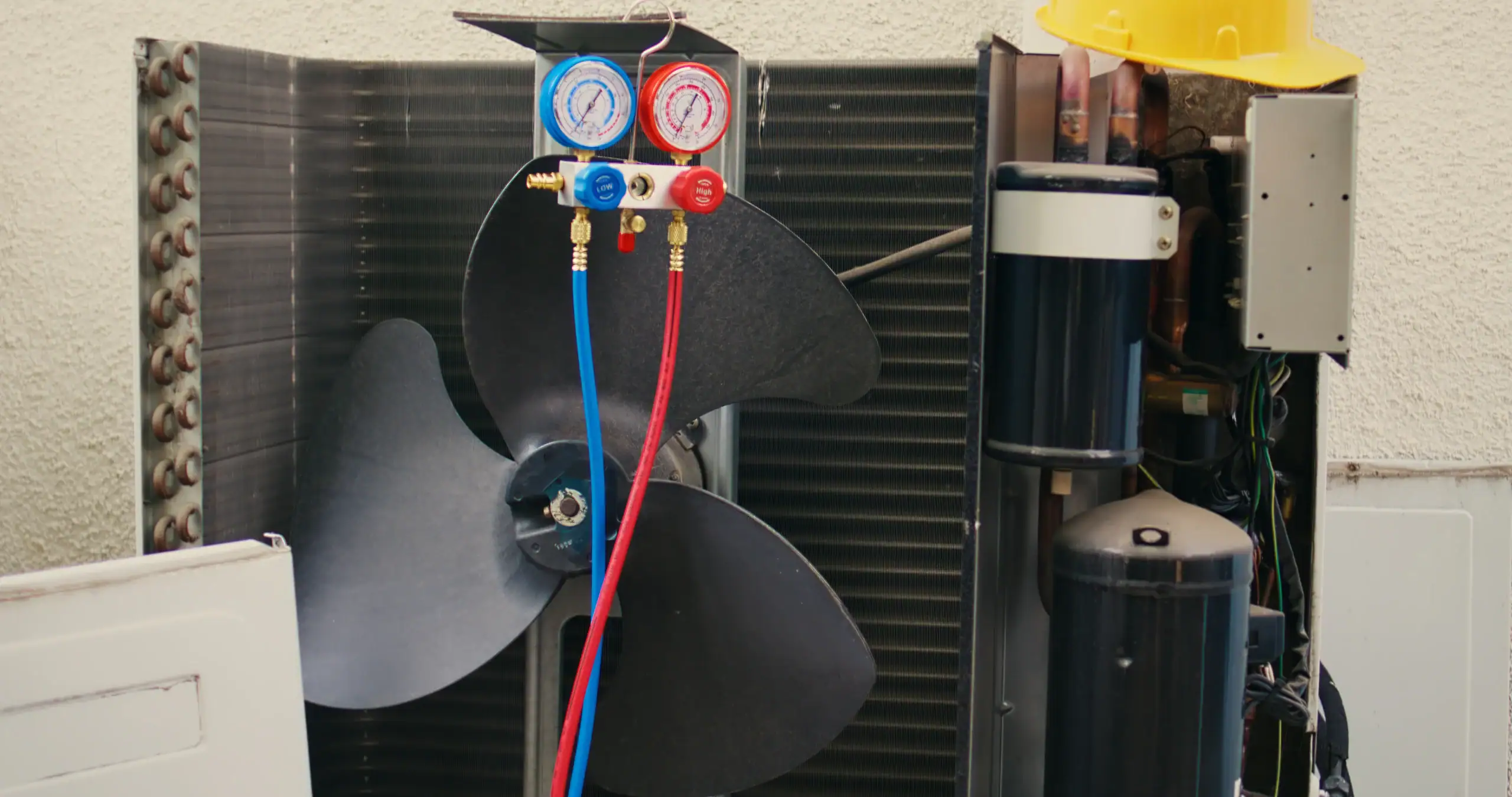
Your boat’s refrigeration breaks down at the worst possible times. You’re stuck dealing with spoiled food, ruined trips, and the stress of finding someone who actually knows marine systems.
When your marine refrigeration is working right, you don’t think about it. You focus on what matters—enjoying time on the water, knowing your food stays fresh, and your guests stay comfortable.
That’s what proper marine HVAC service gets you. No more wondering if your systems will hold up during a weekend trip. No more emergency calls to find technicians who understand boat refrigeration. Just reliable cooling that works when you need it most.
Chill Xpert Solutions has been handling marine refrigeration and commercial cooling systems for over 40 years. We serve boat owners throughout Munsey Park and Long Island with the same expertise we bring to airports, restaurants, and catering facilities.
What sets us apart is our understanding of marine-specific challenges. Saltwater environments, vibration, space constraints—these aren’t problems most HVAC companies deal with regularly.
We handle everything from routine maintenance to complex custom installations that other contractors won’t touch. Our dozens of five-star reviews reflect our commitment to showing up when promised and communicating clearly throughout every job.
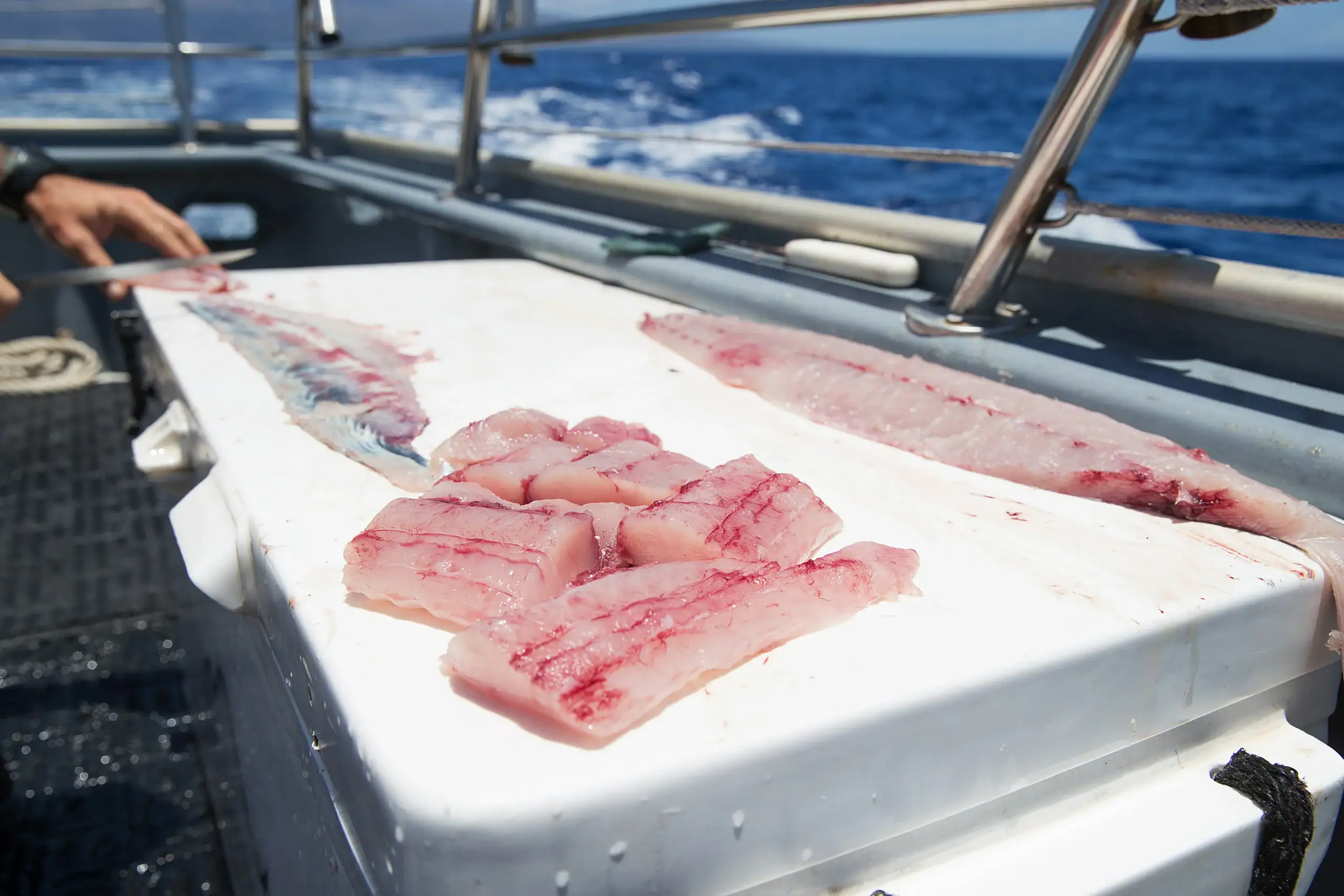
Every job starts with a free estimate and honest assessment of what needs fixing. Our technicians explain what we found, what it’ll cost, and how long repairs will take—no surprises or hidden fees.
During repairs, we keep you updated on progress and any issues that come up. Marine refrigeration work often reveals additional problems, and we’ll walk you through options before proceeding with any extra work.
After completion, we test everything thoroughly and show you the system running properly. You get clear maintenance recommendations to prevent future breakdowns, plus 24/7 contact information for emergency situations.
Ready to get started?
Chill Xpert Solutions handles all aspects of marine refrigeration and air conditioning. This includes new installations, emergency repairs, routine maintenance, and custom cooling solutions for unique boat configurations.
Long Island’s marine environment creates specific challenges for boat refrigeration systems. Salt air accelerates corrosion, constant motion stresses connections, and limited ventilation affects cooling efficiency. Our four decades of local experience means we understand these conditions and design solutions accordingly.
Whether you need a simple refrigerator repair or a complete marine HVAC overhaul, we have the expertise to handle systems that other contractors often can’t figure out. Our work with commercial clients demonstrates the same reliability boat owners need for their marine refrigeration systems.
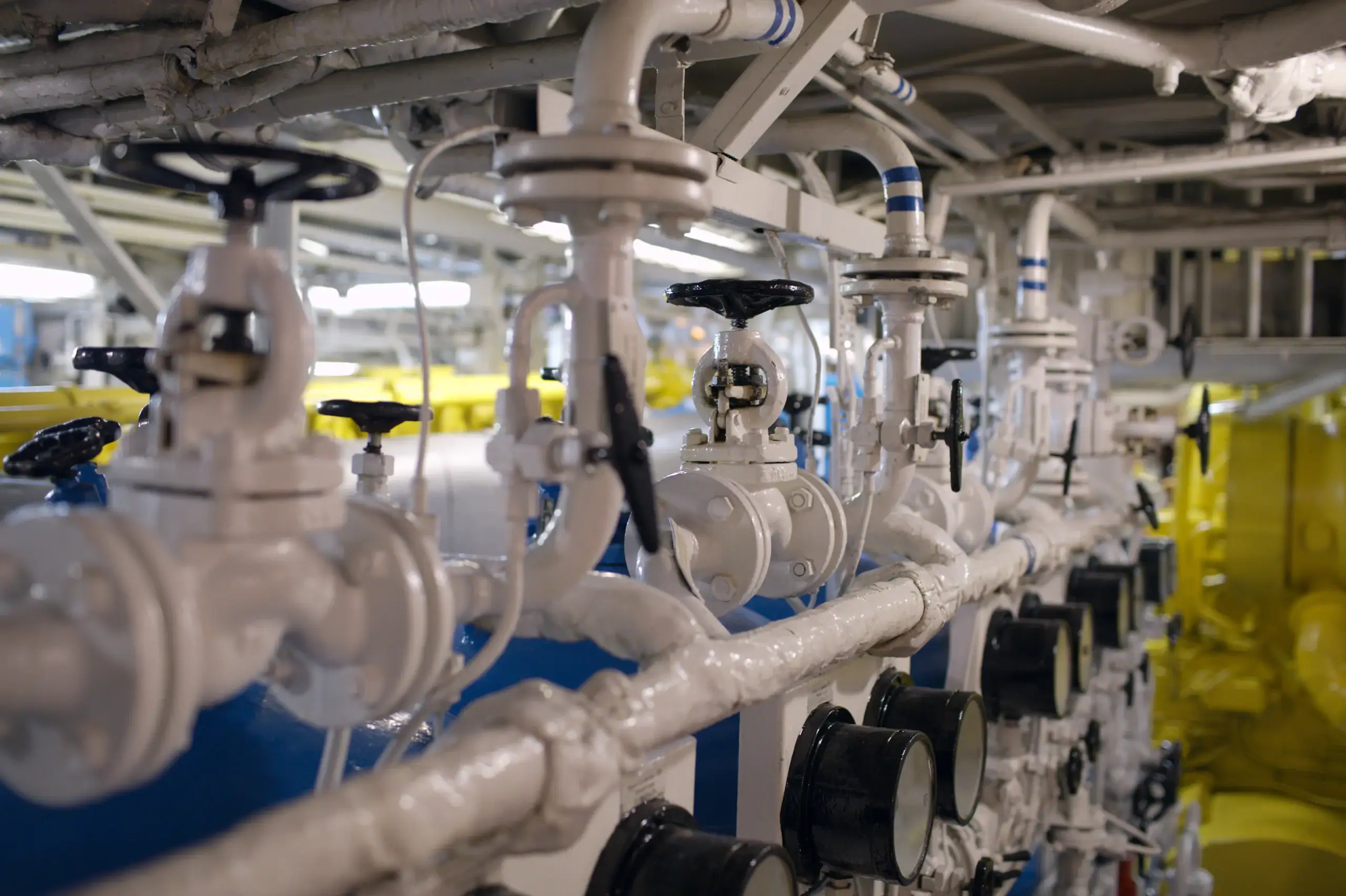
Marine refrigeration systems need professional maintenance at least once per season, ideally before heavy use periods. The marine environment is much harder on cooling systems than residential applications.
Salt air causes accelerated corrosion of coils and connections. Constant vibration loosens fittings and stresses components. Limited ventilation in engine compartments creates heat buildup that forces systems to work harder.
Annual service includes cleaning coils, checking refrigerant levels, inspecting electrical connections, and testing all components under load. Catching small issues during routine maintenance prevents expensive emergency repairs during peak boating season.
Marine environments create unique stresses that residential refrigeration never faces. Saltwater exposure accelerates corrosion throughout the system. Constant motion from waves and engine vibration loosens connections and stresses components.
Heat buildup in confined engine compartments forces marine refrigeration to work much harder than home units. Poor ventilation around condensers reduces efficiency and shortens component life. Electrical issues from moisture and corrosion cause frequent control failures.
These factors combine to make marine systems fail 3-4 times more often than residential units. That’s why marine refrigeration requires specialized knowledge and components designed for harsh marine conditions.
Most residential HVAC technicians lack the specialized knowledge needed for marine refrigeration systems. Boat systems use different components, installation methods, and troubleshooting approaches than home units.
Marine refrigeration deals with 12V and 24V DC systems, engine-driven compressors, and seawater cooling that residential techs rarely encounter. Space constraints require creative installation solutions. Vibration isolation and corrosion protection techniques are completely different.
Without marine-specific training, general HVAC technicians often misdiagnose problems or use inappropriate parts and methods. This leads to repeated failures and higher long-term costs for boat owners who need reliable marine cooling systems.
Marine refrigeration repair costs vary significantly based on the specific problem and system complexity. Simple issues like thermostat replacement might cost $200-400, while compressor replacement can run $800-1500 or more.
Emergency service calls during peak season typically include premium rates for immediate response. However, catching problems during routine maintenance usually costs much less than emergency repairs when systems fail completely.
The key is working with experienced marine technicians who diagnose accurately the first time. Misdiagnosis by inexperienced techs often leads to multiple service calls and unnecessary part replacements that drive up total costs significantly.
Marine refrigeration systems must handle constant motion, vibration, salt air exposure, and limited space that residential units never encounter. Components need special coatings and materials to resist corrosion from marine environments.
Power systems differ completely—boats typically use 12V or 24V DC power instead of standard 110V AC. This requires different compressors, controls, and wiring methods. Many marine systems also use engine-driven compressors or seawater cooling instead of air-cooled condensers.
Installation techniques focus heavily on vibration isolation and secure mounting to prevent damage from wave action. Ventilation requirements are more critical due to confined spaces and heat buildup in engine compartments.
Call immediately if you notice refrigerant leaks, electrical burning smells, or complete system failure before a planned trip. These issues typically worsen quickly and can damage other boat systems if left unaddressed.
Temperature fluctuations or reduced cooling efficiency can often wait for scheduled service, but shouldn’t be ignored long-term. Strange noises or vibrations from the compressor indicate developing problems that need professional attention soon.
During peak boating season, even minor issues should be addressed quickly since parts availability and technician scheduling become more challenging. Emergency service prevents small problems from ruining planned trips or causing expensive secondary damage.