Hear from Our Customers
You’re not looking for someone to explain why marine AC is complicated. You already know it’s complicated—saltwater, tight spaces, power constraints, and refrigerant systems that seem to fail right when you’re hosting guests or heading out for the weekend.
What you need is a technician who understands boat refrigeration the way most HVAC companies understand houses. Someone who knows the difference between a clogged seawater strainer and a failing pump impeller without three hours of troubleshooting. Someone who stocks marine-specific parts and doesn’t treat your yacht like it’s a suburban split-level.
That’s what 40+ years in marine HVAC gets you. We’ve worked on everything from small cabin refrigerators to full yacht galley systems across Long Island Sound. We know Sea Cliff, we know the yacht clubs, and we know what breaks down in saltwater environments. When your boat air conditioning quits during July, you’re not waiting 10 weeks for a callback. You’re getting a technician who shows up ready to fix it.
We’ve been handling marine refrigeration and commercial cooling systems across the Greater New York area for over four decades. We serve yacht clubs from Montauk to Manhattan, along with airports, restaurants, catering halls, and delis that need systems running without excuses.
Sea Cliff sits right on Long Island Sound, home to one of the region’s oldest yacht clubs and a boating community that demands reliable service. When your marine AC fails at the Sea Cliff Yacht Club or any North Shore marina, you need someone local who understands the marine environment and responds fast. Our technicians know how saltwater accelerates corrosion, how tight engine rooms limit airflow, and how to design custom cooling solutions that work in spaces where standard equipment won’t fit.
Dozens of five-star reviews back up what boat owners already know—we deliver honest service, transparent pricing, and technical expertise you can actually rely on.
You call or request a free estimate. No runaround, no pressure—just a straightforward conversation about what’s wrong and what it’ll take to fix it.
A technician comes out to assess your system. This isn’t a residential HVAC tech trying to figure out marine equipment on the fly. It’s someone who’s seen hundreds of boat refrigeration setups and knows exactly what to look for—water flow issues, refrigerant leaks, electrical problems, frozen coils, clogged filters, corroded components. Most emergency calls get fixed on the spot because our trucks stay stocked with the parts that actually fail in marine environments.
If it’s a bigger job—new installation, full system replacement, custom galley cooling—we walk you through options that fit your boat’s layout and power setup. No cookie-cutter solutions. Marine HVAC isn’t one-size-fits-all, and trying to force standard equipment into marine applications is how you end up with systems that fail every season.
After the work’s done, you get maintenance recommendations based on how you use your boat. Seasonal boaters need different service schedules than liveaboards. The goal is keeping your system running efficiently so you’re not dealing with the same problems next summer.
Ready to get started?
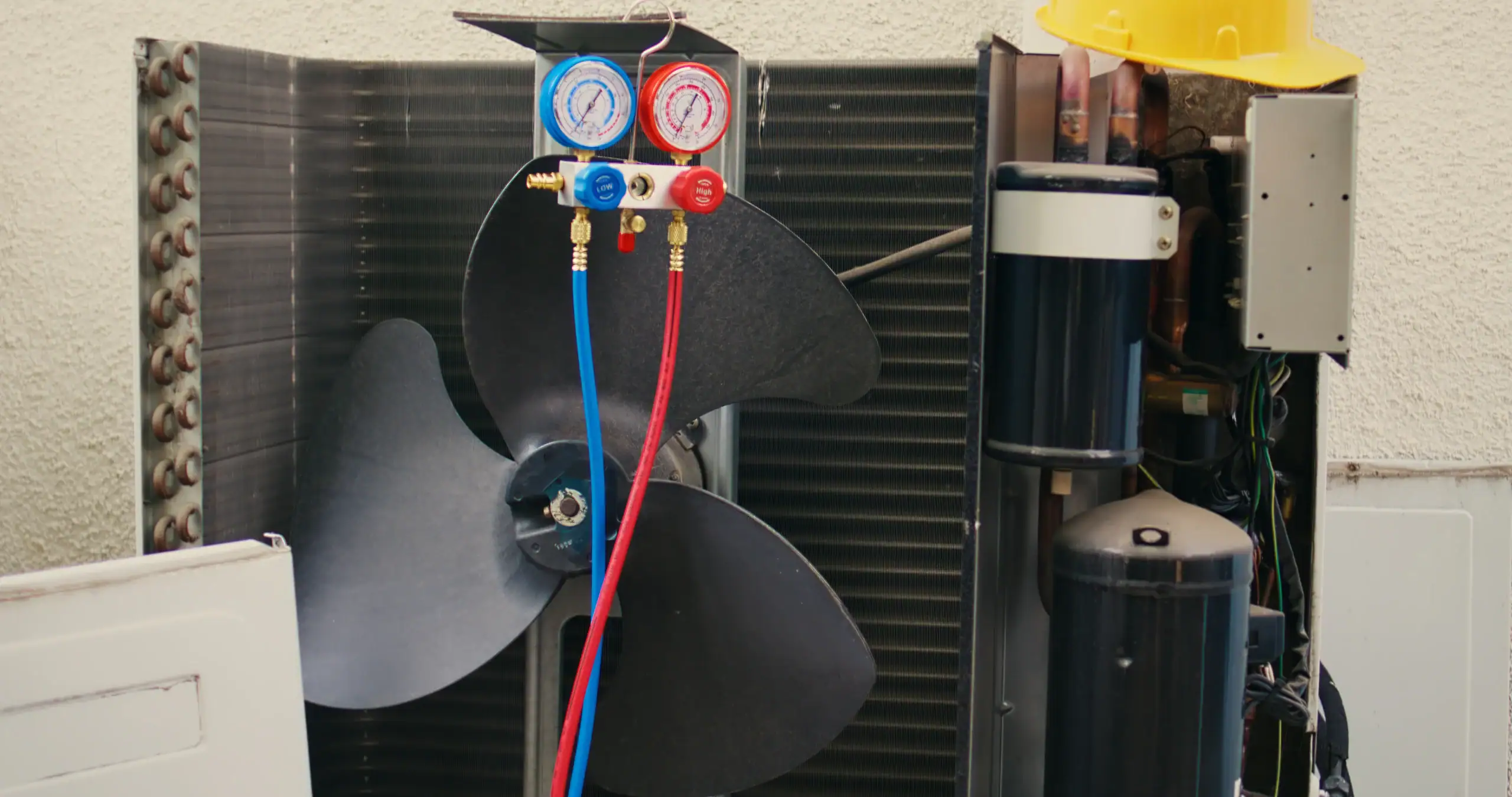
Marine refrigeration service covers the full system—compressor, evaporator, condenser, seawater pump, filters, refrigerant lines, thermostats, and all the components that keep your boat cool. We check water flow rates, clean seawater strainers, inspect for saltwater corrosion, test refrigerant levels, and make sure airflow isn’t restricted by clogged filters or blocked vents.
In Sea Cliff and across Long Island Sound, marine systems face unique challenges. Saltwater accelerates corrosion on coils and fittings. Seawater strainers clog with algae and debris. Pump impellers wear out faster than residential systems. Humidity creates mold growth if condensation doesn’t drain properly. These aren’t problems you solve with standard HVAC knowledge—they require marine-specific expertise.
Installation work includes custom design for tight spaces, proper seawater intake setup, electrical integration that doesn’t overload your boat’s power system, and ductwork that actually delivers cool air where you need it. We handle self-contained units, split systems, and chilled water setups for larger vessels. Every installation gets sized correctly for your boat’s cooling needs—undersized systems run constantly and fail early, while oversized systems waste power and create humidity problems.
Maintenance service includes filter cleaning, condenser coil inspection, refrigerant level checks, seawater pump maintenance, and catching small issues before they turn into expensive breakdowns. Regular maintenance is what separates boats with reliable AC from boats where the system dies every summer.
Simple repairs like replacing a clogged filter, fixing a tripped breaker, or cleaning a seawater strainer typically run a few hundred dollars including the service call. Larger repairs—refrigerant leaks, compressor replacement, pump failures—can range from several hundred to a couple thousand depending on parts and labor.
Marine refrigeration costs more than residential HVAC because the equipment is specialized, parts are marine-grade to handle saltwater, and the work requires technicians who actually understand boat systems. A compressor replacement on a boat isn’t the same job as a house—access is tighter, components are different, and installation has to account for vibration and corrosion.
We offer free estimates, so you know the cost before any work starts. No surprises, no inflated bills after the fact. If your system is old and repairs are approaching the cost of replacement, we’ll tell you straight—sometimes investing in a new system makes more financial sense than pouring money into equipment that’s going to keep failing.
Water flow problems top the list. Seawater strainers clog with algae, barnacles, and debris, cutting off the cooling water supply and triggering high-pressure shutdowns. Pump impellers wear out and stop circulating water properly. Air pockets in the seawater line prevent flow even when everything else works fine.
Dirty air filters are the second most common issue. Clogged filters restrict airflow over the evaporator coils, causing them to freeze up and shut down the system. Most boat owners only check the return air filter and miss the second filter on the unit itself—both need regular cleaning.
Refrigerant leaks happen more often in marine environments because saltwater corrosion eats through fittings and coils faster than residential systems. Low refrigerant means weak cooling or no cooling at all. Electrical problems—blown fuses, tripped breakers, failed thermostats—also cause systems to stop working, especially after the boat’s been sitting unused or after power surges at the dock.
Professional service twice a year minimum—spring commissioning before boating season and fall winterization before storage. If you’re using your boat heavily during summer or living aboard, adding a mid-season checkup makes sense.
Between professional visits, you need to stay on top of basic maintenance. Check and clean air filters monthly during the season—dirty filters are the fastest way to kill cooling performance. Inspect seawater strainers weekly or bi-weekly depending on water quality in your marina. Monitor discharge water flow to catch pump problems early. Keep vents clear and make sure nothing’s blocking airflow.
Skipping maintenance doesn’t save money—it guarantees expensive repairs. Dirty condenser coils make compressors work 40% harder and fail years earlier. Clogged strainers cause high-pressure damage. Worn impellers lead to overheating and shutdowns. Regular service catches these issues when they’re cheap to fix, not after they’ve destroyed major components. Marine systems operate in harsh conditions, and maintenance is what keeps them running reliably season after season.
Yes, and it’s a common request from boat owners in Sea Cliff and across Long Island who are tired of sweating through summer weekends. New installations require planning—you need adequate electrical capacity, a dedicated seawater intake with proper through-hull fitting, space for the unit itself, and ductwork to distribute cool air.
The process starts with assessing your boat’s layout and power system. Self-contained units work well for smaller boats and simpler installations—everything’s in one package. Larger vessels or boats with multiple cabins often need split systems with separate air handlers in different zones. We design custom installations that fit your specific boat, not generic solutions that create more problems than they solve.
Installation includes mounting the unit securely to handle vibration, running refrigerant lines, installing the seawater pump and intake system, connecting electrical with proper circuit protection, and setting up controls. Everything gets tested thoroughly before the job’s complete. The goal is a system that cools efficiently, doesn’t overload your electrical capacity, and holds up to marine conditions. Proper installation is what separates reliable systems from ones that fail repeatedly and need constant service.
Yes, 24/7. Marine refrigeration emergencies don’t wait for business hours—systems fail during heat waves, on holiday weekends, right when you need them most. When you call our emergency line, you talk to a technician who can walk you through immediate troubleshooting while someone’s heading to your location.
Our emergency trucks stay stocked with common marine AC parts—compressors, thermostats, pumps, filters, refrigerant, seals. About 70% of emergency calls get fixed on the spot because we show up prepared. For issues requiring specialized parts, we provide temporary solutions to keep your system running until the right components arrive.
Sea Cliff’s proximity to Long Island Sound means quick response times to local marinas and yacht clubs. We understand that a failed AC system during peak season isn’t just uncomfortable—it can ruin a charter, spoil food in galley refrigerators, or make your boat uninhabitable during summer heat. Our emergency service prioritizes getting your system back online fast, not scheduling you three weeks out while you sweat it out or move into a hotel.
Marine systems use seawater for cooling instead of outdoor air, operate in tight spaces with limited ventilation, deal with constant saltwater corrosion, run on boat electrical systems with power constraints, and have to handle vibration and movement that would destroy residential equipment.
The seawater cooling system alone adds complexity most HVAC techs never encounter—intake strainers, dedicated pumps, through-hull fittings, discharge lines, and all the maintenance issues that come with pumping ocean water through your AC. Saltwater eats through standard components, so marine equipment uses titanium coils, corrosion-resistant fittings, and specialized materials that survive the environment.
Space constraints mean creative installation. You can’t just slap a standard unit wherever it’s convenient—you’re working around engines, fuel tanks, water tanks, and living spaces in areas where a residential tech wouldn’t even fit. Power limitations matter too. Boats don’t have unlimited electrical capacity, so systems need to be sized appropriately and wired correctly to avoid overloading circuits. This is specialized work, and trying to apply residential HVAC knowledge to marine systems is how you end up with installations that fail constantly and cost more to fix than doing it right the first time.