Hear from Our Customers
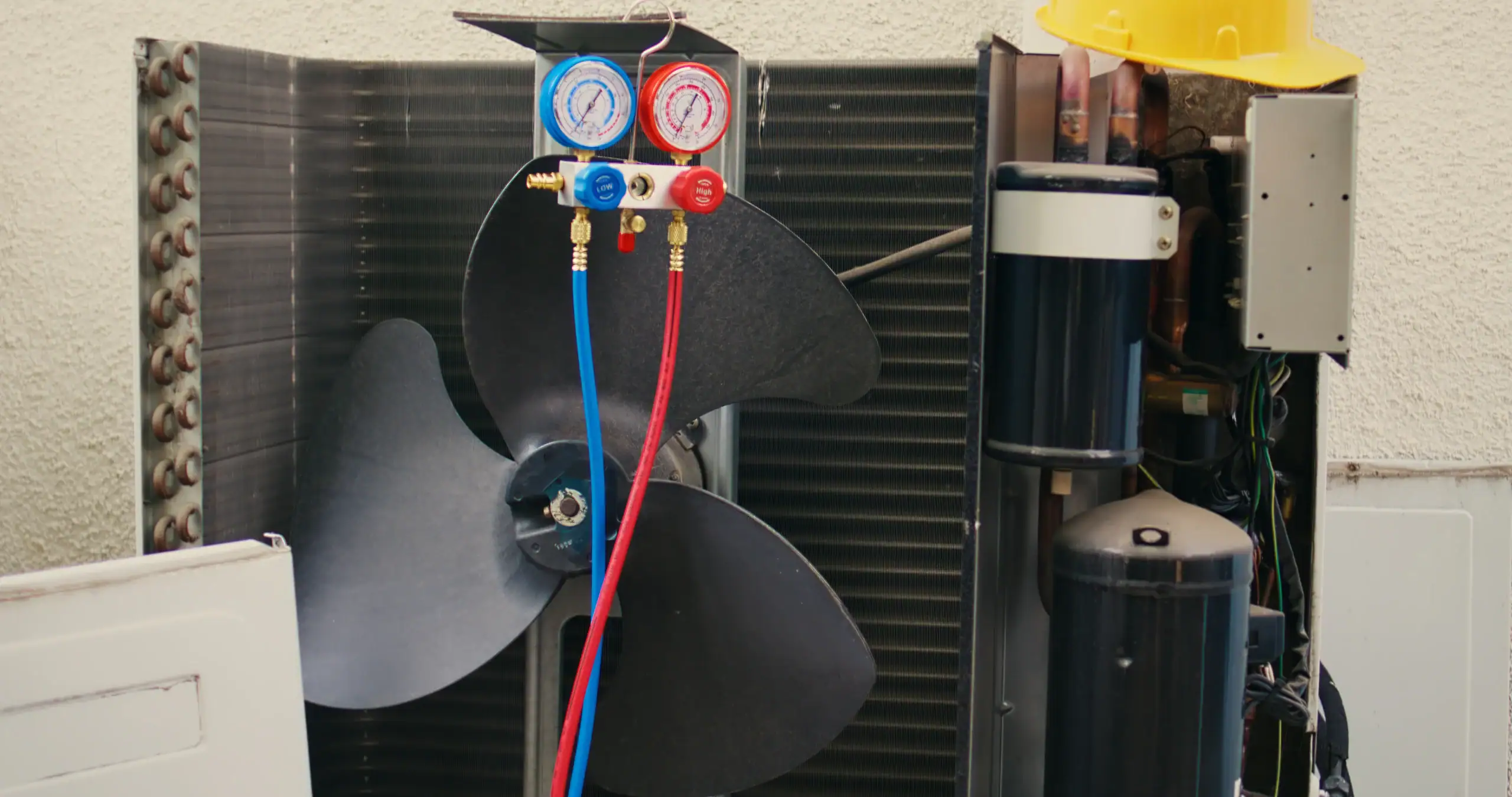
Your boat refrigeration isn’t supposed to quit during a weekend trip or drain your batteries overnight. It should run quietly, efficiently, and keep everything cold without you thinking about it. That’s what proper marine refrigeration looks like when someone who knows what they’re doing sets it up and maintains it.
The difference between a system that works and one that constantly needs attention comes down to three things: proper installation, regular maintenance, and fast repairs when something actually breaks. Most boat owners in Stony Brook deal with the opposite—systems that were never sized correctly, technicians who don’t understand marine environments, and refrigeration services with wait times stretching into weeks.
Marine refrigeration handles challenges that standard HVAC never sees. Saltwater corrodes components. Limited battery power means efficiency matters. Space constraints require creative solutions. You need someone who’s solved these problems hundreds of times, not someone learning on your boat.
We’ve spent over 40 years working on marine refrigeration and HVAC systems throughout the Greater New York area. We serve boat owners, yacht clubs, and marine businesses from Stony Brook to Port Jefferson and across Long Island’s North Shore with comprehensive refrigeration services.
What sets us apart is availability and expertise. We offer 24/7 consulting because refrigeration emergencies don’t wait for Monday morning. We provide free estimates because you shouldn’t have to guess what a repair will cost. And we handle both marine systems and complex commercial refrigeration, which means we’ve seen problems other companies haven’t.
We’ve earned dozens of five-star reviews by showing up when we say we will, communicating clearly about what’s wrong, and fixing problems correctly the first time. Stony Brook boat owners know that finding reliable marine service can mean waiting weeks for a callback. We built our reputation on being the company that actually answers the phone and solves the problem.
It starts with a conversation. You explain what’s happening—your system isn’t cooling, it’s making noise, it’s draining batteries, whatever the issue is. We ask the right questions to understand whether this is an emergency that needs immediate attention or something that can be scheduled.
For emergency calls, a technician talks you through immediate steps while already heading to your location. Our trucks stay stocked with common parts for major brands, so about 70% of emergency repairs get completed on the spot. For the rest, we implement a temporary solution to keep you running while ordering specialized parts.
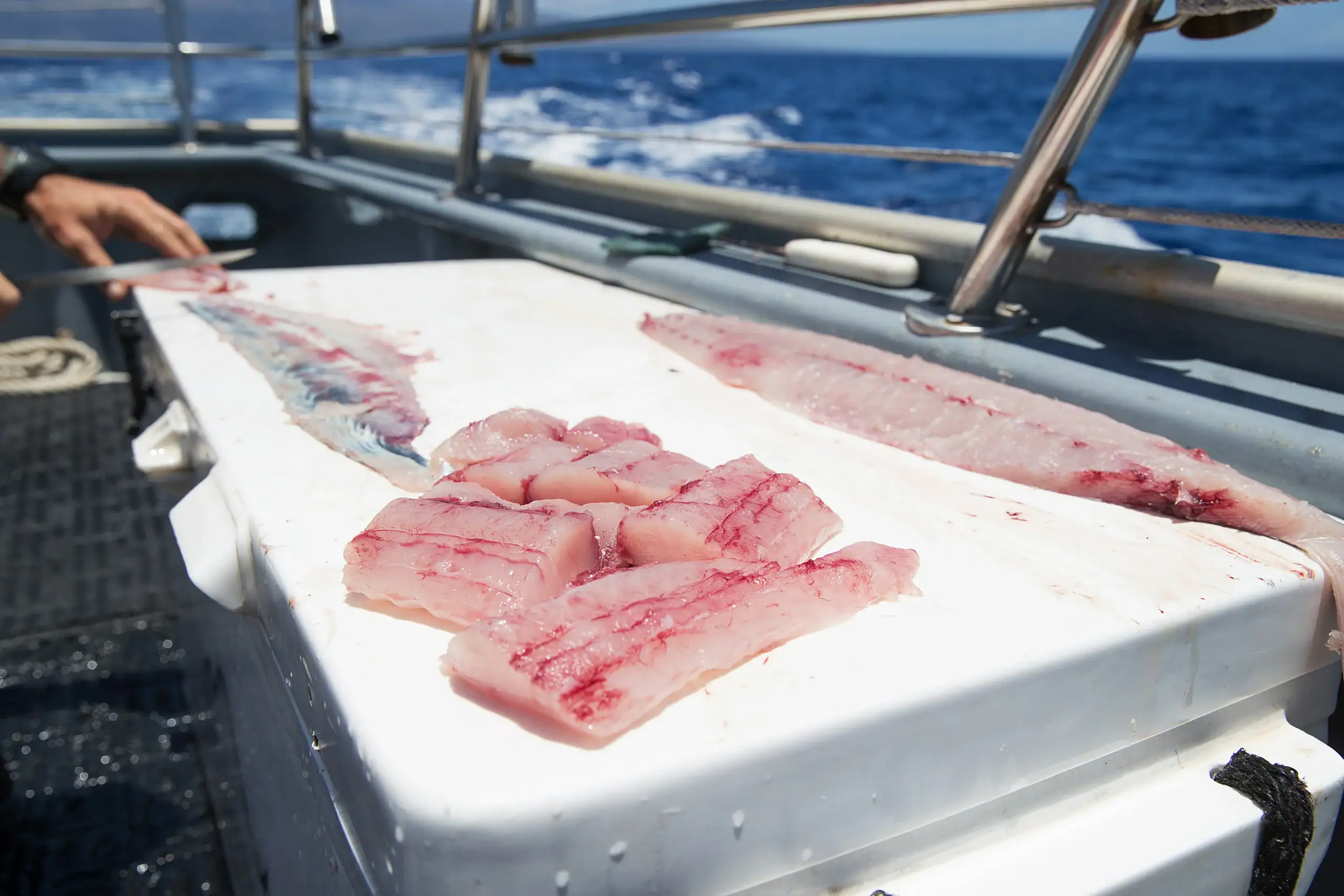
Scheduled refrigeration maintenance starts with a thorough inspection of the entire system. That means checking air filters, examining ductwork for restrictions, inspecting seawater strainers and pumps, testing electrical connections, and measuring actual performance against manufacturer specs. Marine refrigeration problems often stem from multiple small issues rather than one obvious failure.
Once the diagnosis is clear, you get a straightforward explanation of what’s wrong, what it takes to fix it, and what it costs. No surprises. No vague estimates. If the system needs repairs, the work gets done correctly with quality parts. If it’s time for replacement or upgrade, you get honest advice about what makes sense for your boat and how you use it.
Ready to get started?
Marine refrigeration in Stony Brook faces specific challenges that boat owners on the North Shore know well. Long Island Sound’s saltwater environment promotes marine growth in seawater lines and strainers. Summer humidity stresses systems and causes ice buildup. Temperature swings between seasons affect door seals and insulation. Your system needs refrigeration maintenance that addresses these local conditions.
Regular service includes cleaning or replacing air filters, inspecting and clearing seawater strainers, checking ductwork for restrictions or damage, testing electrical connections and voltage, examining door seals and gaskets, and verifying refrigerant levels. For boat air conditioning systems, we also inspect condensate pans, clean evaporator coils, and ensure proper airflow throughout the system.
Stony Brook boat owners who keep their vessels at local marinas like Stony Brook Yacht Club or Silver Bay Marine Services benefit from preventive refrigeration maintenance schedules that catch problems before they become emergencies. Systems that receive regular attention last 15-20 years. Systems that only get service when they fail rarely make it past 5-7 years before requiring major repairs or complete replacement.
The marine environment also means dealing with issues that never affect land-based refrigeration. Barnacles and algae grow inside raw water lines. Saltwater corrosion attacks fittings and connections. Battery voltage fluctuations affect compressor performance. These aren’t problems you solve with standard HVAC knowledge—they require marine-specific expertise and proper refrigeration services.
Emergency response times depend on current service calls and your location, but our goal is same-day service for true emergencies. When you call our emergency line, you talk directly to a technician who can assess the situation and provide guidance immediately.
For situations where your refrigeration system has completely failed and you’re losing food or product, that gets priority response. Our service trucks stay stocked with common replacement parts for major marine refrigeration brands, which means many emergency repairs get completed during the first visit. If your boat is docked at one of the Stony Brook area marinas, response times are typically faster than for vessels at more remote locations.
Our 24/7 availability isn’t just for show. Marine refrigeration problems happen on weekends, holidays, and in the middle of the night. Having someone who actually answers the phone and can walk you through immediate troubleshooting steps while dispatching a technician makes a real difference when you’re dealing with a system failure.
Marine refrigeration operates in a completely different environment than land-based systems, which creates unique challenges that standard HVAC technicians often don’t understand. The biggest difference is that marine systems use raw seawater for cooling instead of air-cooled condensers. That means dealing with saltwater corrosion, marine growth in cooling lines, and strainers that need regular cleaning.
Power constraints are another major factor. Your boat runs on limited battery capacity, so marine refrigeration systems must be extremely efficient. An improperly sized or poorly maintained system can drain your batteries overnight, leaving you without power for other critical systems. Marine technicians need to understand DC power systems, proper wire sizing, and how to diagnose voltage-related performance issues.
Space limitations also require different solutions. Boats don’t have the luxury of large equipment rooms or unlimited ductwork runs. Marine refrigeration systems must fit in tight spaces under settees or in lockers, while still providing adequate cooling. Installation requires creative problem-solving and experience with marine-specific components. This is why hiring someone who specializes in marine systems rather than general HVAC makes such a difference in long-term reliability.
At minimum, marine refrigeration systems in Long Island should receive professional service twice per year—once before the busy summer season and once before winter storage. However, the specific schedule depends on how often you use your boat and where you keep it docked.
Boats that stay in the water year-round at Stony Brook area marinas need more frequent attention than vessels that get hauled for winter. The constant exposure to saltwater means seawater strainers should be checked monthly during active season, and air filters need inspection every few weeks. Marine growth is most active during summer months, which is when clogged strainers and reduced water flow cause the most problems.
Between professional service visits, boat owners should monitor a few key indicators. Check the raw water discharge when the system is running to verify adequate water flow. Listen for unusual noises that might indicate compressor problems. Pay attention to how long the system runs to maintain temperature—if it’s running constantly, something’s wrong. Catching small problems early prevents expensive emergency repairs and extends the life of your system significantly.
Yes, we handle complete marine HVAC services including air conditioning, refrigeration, and custom cooling solutions for boats of all sizes. This comprehensive capability matters because many boats have multiple cooling systems that need to work together efficiently without overloading the electrical system.
Marine air conditioning and refrigeration share many components and face similar challenges, but they serve different purposes and require different approaches. Your boat’s AC system needs to cool living spaces quickly and handle high humidity, while refrigeration systems must maintain consistent temperatures with minimal power draw. Both systems compete for limited battery capacity and both suffer from saltwater-related maintenance issues.
Having one company that understands the complete picture of your boat’s cooling needs means better system design and more efficient troubleshooting. When you’re experiencing power problems, a technician who knows both systems can quickly determine whether the issue is with the AC, the refrigeration, the electrical system, or a combination of factors. This expertise is particularly valuable for boat owners in Stony Brook who keep their vessels at local marinas and rely on these systems throughout the extended boating season.
The most frequent problem is reduced cooling capacity caused by restricted water flow through the seawater system. Long Island Sound has active marine growth, especially during summer months, which clogs strainers and builds up inside cooling lines. Boat owners often don’t realize their strainer needs cleaning until the system starts showing high-pressure faults or stops cooling effectively.
Battery and electrical issues cause the second most common set of problems. Low battery voltage makes compressors run inefficiently, which leads to poor cooling and excessive run times that drain batteries even further. This creates a downward spiral where the refrigeration system runs constantly but can’t maintain temperature. Many boat owners assume the refrigeration system itself has failed, when the actual problem is charging system issues or aging batteries.
Door seal failures and insulation problems rank third. The marine environment is tough on gaskets and seals—constant humidity, temperature changes, and the movement of the boat all contribute to premature wear. A door that doesn’t seal properly lets warm, humid air into the refrigerated space, which causes ice buildup, excessive run times, and inability to maintain proper temperatures. Regular inspection during seasonal refrigeration maintenance catches these issues before they become expensive problems.
Yes, we provide refrigeration services for boats throughout the Stony Brook area including vessels docked at Stony Brook Yacht Club, Silver Bay Marine Services, Stony Brook Marine Service, and nearby marinas in Port Jefferson and Mount Sinai. We also serve boats at private docks and vessels temporarily hauled at local boatyards.
Mobile service means our technicians come directly to your boat rather than requiring you to transport equipment or bring your vessel to a shop. This approach makes sense for marine refrigeration because the systems are integrated into the boat and often can’t be easily removed. It also allows for more accurate diagnosis since we can see how the system performs in its actual operating environment.
Our Greater New York area service territory extends beyond just Stony Brook to cover the broader Long Island marine community. Whether your boat stays local year-round or you’re visiting the area during cruising season, we provide the same level of service and expertise. Our 40+ years of experience working in this region means familiarity with local conditions, common problems specific to North Shore Long Island waters, and relationships with area marinas that make service coordination smoother for boat owners.
Other Services we provide in Stony Brook University