Hear from Our Customers
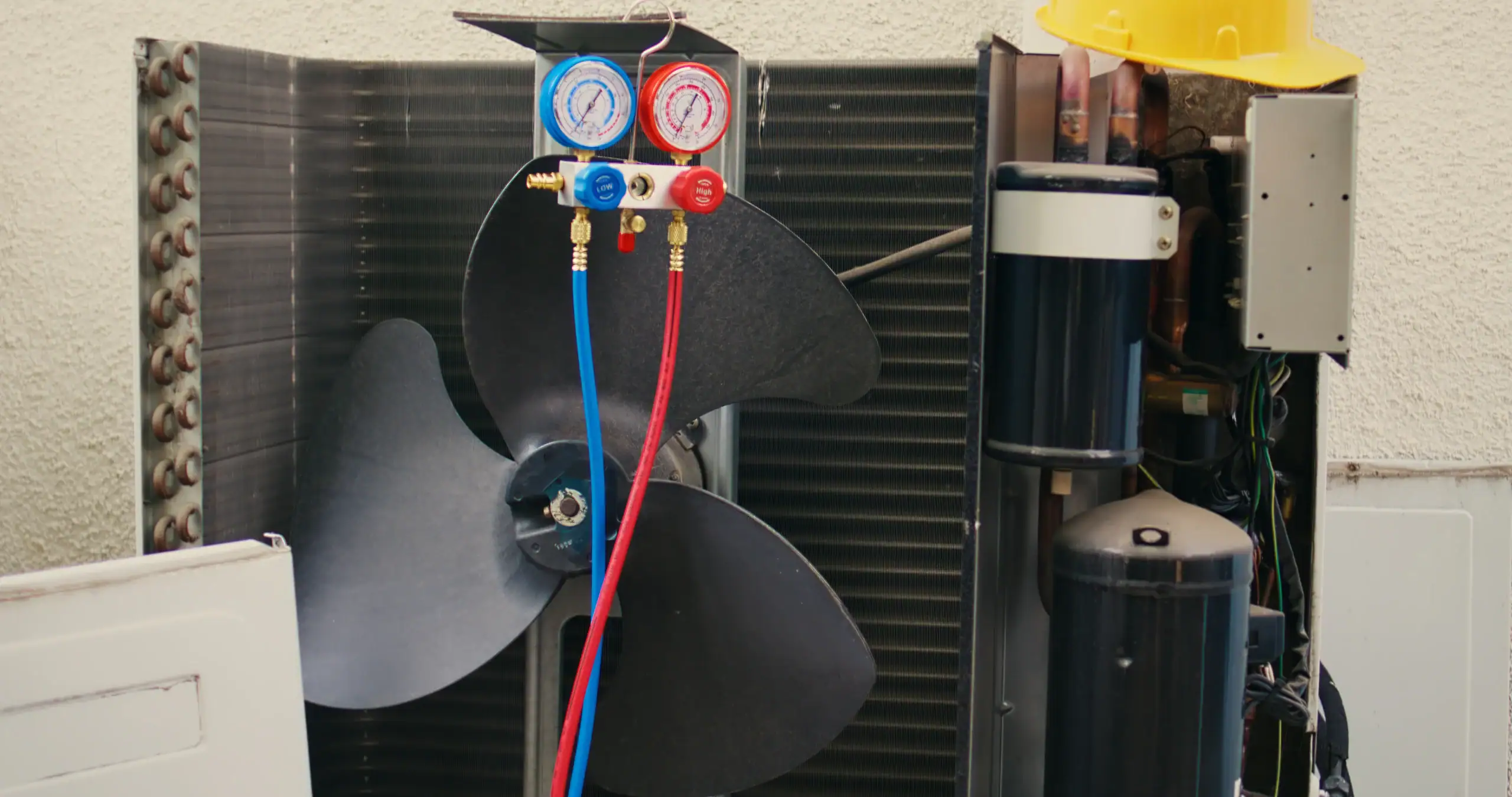
You’re out on the water for days, not hours. Your refrigeration system needs to work as hard as you do.
When your marine refrigeration runs properly, you focus on what matters—enjoying time on the water instead of worrying about spoiled food or warm beverages. Your provisions stay fresh, your drinks stay cold, and your extended trips become the relaxing escapes they should be.
No more cutting trips short because the cooling system failed. No more throwing away hundreds of dollars in spoiled food. Just reliable refrigeration that handles Long Island’s demanding marine environment without breaking a sweat.
We’ve spent over 40 years perfecting marine refrigeration and HVAC systems across the Greater New York area. We serve everyone from weekend boaters to major commercial operations—airports, catering halls, restaurants, and specialized marine businesses.
What sets us apart is our willingness to tackle the complex jobs others won’t touch. Custom cooling solutions, intricate beer systems, and challenging marine installations that require real expertise, not just basic repair skills.
Dozens of five-star reviews reflect our commitment to transparent service and quality workmanship. When Yaphank boat owners need marine refrigeration that actually works, they call the team that’s been solving these problems since most competitors were still figuring out the basics.
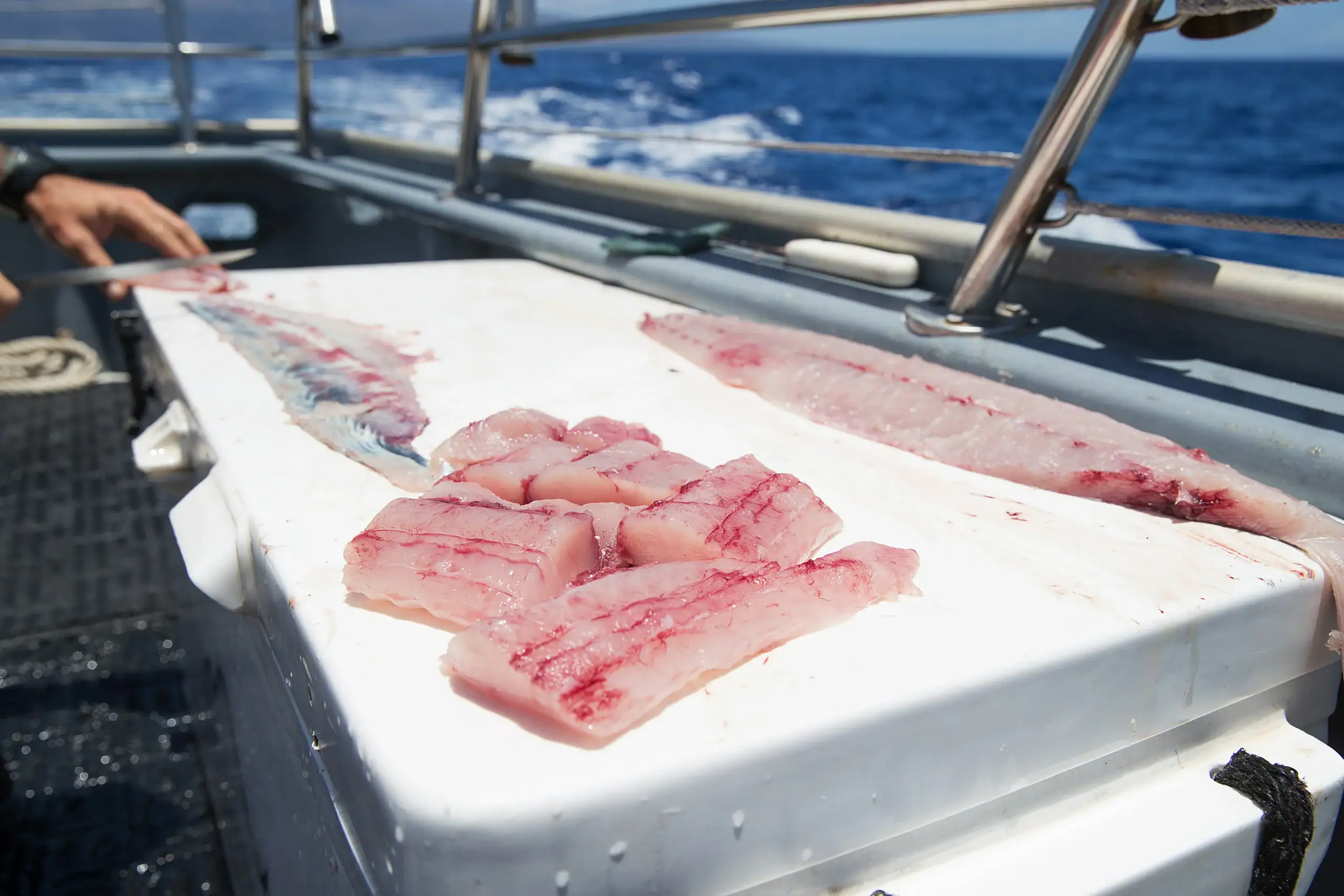
Your marine refrigeration project starts with a free estimate and honest assessment of your vessel’s cooling needs. We evaluate your current setup, discuss your specific requirements, and provide transparent pricing without hidden surprises.
Installation begins with proper preparation of your boat’s electrical and ventilation systems. Each component gets positioned for optimal efficiency and easy future maintenance. The refrigeration system undergoes thorough testing to ensure proper operation before the job is complete.
You receive clear instructions for operation and maintenance, plus access to 24/7 consulting support. The system comes with full warranty coverage and ongoing service availability. Your boat leaves with refrigeration that works reliably in Long Island’s varied marine conditions.
Ready to get started?
Your marine refrigeration service includes everything from initial consultation through long-term maintenance support. New installations, system repairs, emergency service calls, and preventive maintenance all fall under our comprehensive approach.
Long Island’s marine environment presents unique challenges—salt air, temperature fluctuations, and constant vibration that standard refrigeration systems can’t handle. We specialize in marine-grade components designed for these demanding conditions.
Our service covers all major brands and custom applications. Whether you need a simple repair, complete system replacement, or custom cooling solution for specialized requirements, we have the tools and expertise to handle it properly. Emergency support means you’re never stranded with failed refrigeration during critical trips.
Quality marine refrigeration systems typically last 10-15 years with proper maintenance, though this varies significantly based on usage patterns and environmental conditions. Systems that run constantly in tropical climates experience more wear than those used seasonally in temperate waters.
The key factor is regular maintenance—cleaning condenser coils, checking refrigerant levels, and inspecting electrical connections. Well-maintained systems often exceed their expected lifespan, while neglected units may fail within 5-7 years.
Your system’s longevity also depends on installation quality. Properly installed marine refrigeration with adequate ventilation and correct electrical connections runs more efficiently and lasts considerably longer than systems installed without attention to marine-specific requirements.
The most common failure points are dirty condenser coils, refrigerant leaks, and electrical connection problems caused by marine environment exposure. Salt air corrodes components faster than land-based systems experience.
Inadequate ventilation around the compressor causes overheating and premature failure. Many boat owners don’t realize their refrigeration system needs proper airflow to operate efficiently. Blocked vents or insufficient clearance around components lead to system overwork and breakdown.
Poor installation practices also contribute to early failure. Systems installed without proper vibration dampening, incorrect electrical connections, or inadequate drainage experience problems that quality installation prevents. Regular professional maintenance catches these issues before they become expensive repairs.
Modern marine refrigeration systems typically consume 3-8 amps per hour when running, though actual power draw depends on system size, ambient temperature, and how often you open the refrigerator. Most systems run about 20-30 minutes per hour under normal conditions.
Energy consumption increases significantly in hot weather or when the system works harder due to poor insulation or frequent door opening. A properly sized system in good condition uses less power than an undersized unit struggling to maintain temperature.
Battery capacity planning is crucial for extended cruising. Most boat owners need at least 200-400 amp hours of battery capacity to run refrigeration overnight without engine charging, depending on other electrical loads and system efficiency.
Most quality iceboxes can be successfully converted to mechanical refrigeration, though the process requires proper evaluation of insulation, drainage, and available space for components. Well-insulated iceboxes make excellent refrigeration conversions.
The conversion involves installing an evaporator plate inside the icebox, mounting a compressor in a ventilated location, and running refrigerant lines between components. Electrical connections and proper drainage complete the installation.
Conversion success depends heavily on the icebox’s insulation quality and size. Poorly insulated boxes require system upgrades or additional insulation to operate efficiently. Professional evaluation determines whether conversion makes sense or if a new refrigeration system provides better value for your specific situation.
Essential maintenance includes monthly cleaning of condenser coils, checking electrical connections for corrosion, and inspecting refrigerant lines for damage. Salt air accelerates corrosion, making regular inspection critical for marine applications.
Annual professional service should include refrigerant level checks, compressor performance testing, and thorough electrical system inspection. We can identify potential problems before they cause system failure during your boating season.
Simple owner maintenance makes a significant difference—keeping the condenser area clean and well-ventilated, avoiding ice buildup on evaporator plates, and checking that door seals remain tight. These basic steps prevent most common refrigeration problems and extend system life considerably.
Systems requiring frequent repairs, struggling to maintain temperature, or consuming excessive power typically need replacement rather than continued repair investment. Age plays a role—systems over 12-15 years old often cost more to repair than replace.
Warning signs include unusual noises, ice buildup on evaporator plates, warm refrigeration compartments despite continuous running, or electrical issues like frequent breaker trips. These symptoms indicate significant system problems requiring professional diagnosis.
Cost comparison helps determine the best approach. If repair costs exceed 50% of replacement value, or if multiple components need attention, replacement usually provides better long-term value. Professional evaluation considers your specific usage patterns and boat requirements to recommend the most cost-effective solution.