Hear from Our Customers
You didn’t buy a boat to sit at the dock sweating through July. Your marine air conditioning should keep you comfortable, and your refrigeration should keep things cold—simple as that.
When systems fail, it’s usually at the worst possible time. Middle of summer. Family onboard. Plans made. That’s when you need someone who can diagnose the problem quickly and fix it right the first time. Not a general HVAC tech who’s guessing their way through marine systems.
Marine refrigeration and boat HVAC aren’t the same as what’s in your house. Saltwater eats components. Vibration loosens connections. Pumps that aren’t self-priming need specific handling. If your technician doesn’t know these things, you’re looking at more problems down the road—and a bigger bill.
We’ve been handling marine air conditioning and refrigeration in the Belle Terre area for over 40 years. That’s not a side service—it’s what we built our company on.
We know Long Island waters. We understand what boat owners in Belle Terre deal with: the salt air, the humidity, the summer heat that turns a cabin into an oven when the AC quits. We’ve seen every brand, every error code, every way these systems fail.
With dozens of five-star reviews and ABYC-certified technicians, we’ve earned our reputation by doing the work right. No inflated marine rates. No runarounds. Just straight answers and reliable service when you need it most.
First, you get a real person who understands marine systems. Not a call center. We ask the right questions—what’s happening, what error codes you’re seeing, when it started—to get a sense of the problem before we even arrive.
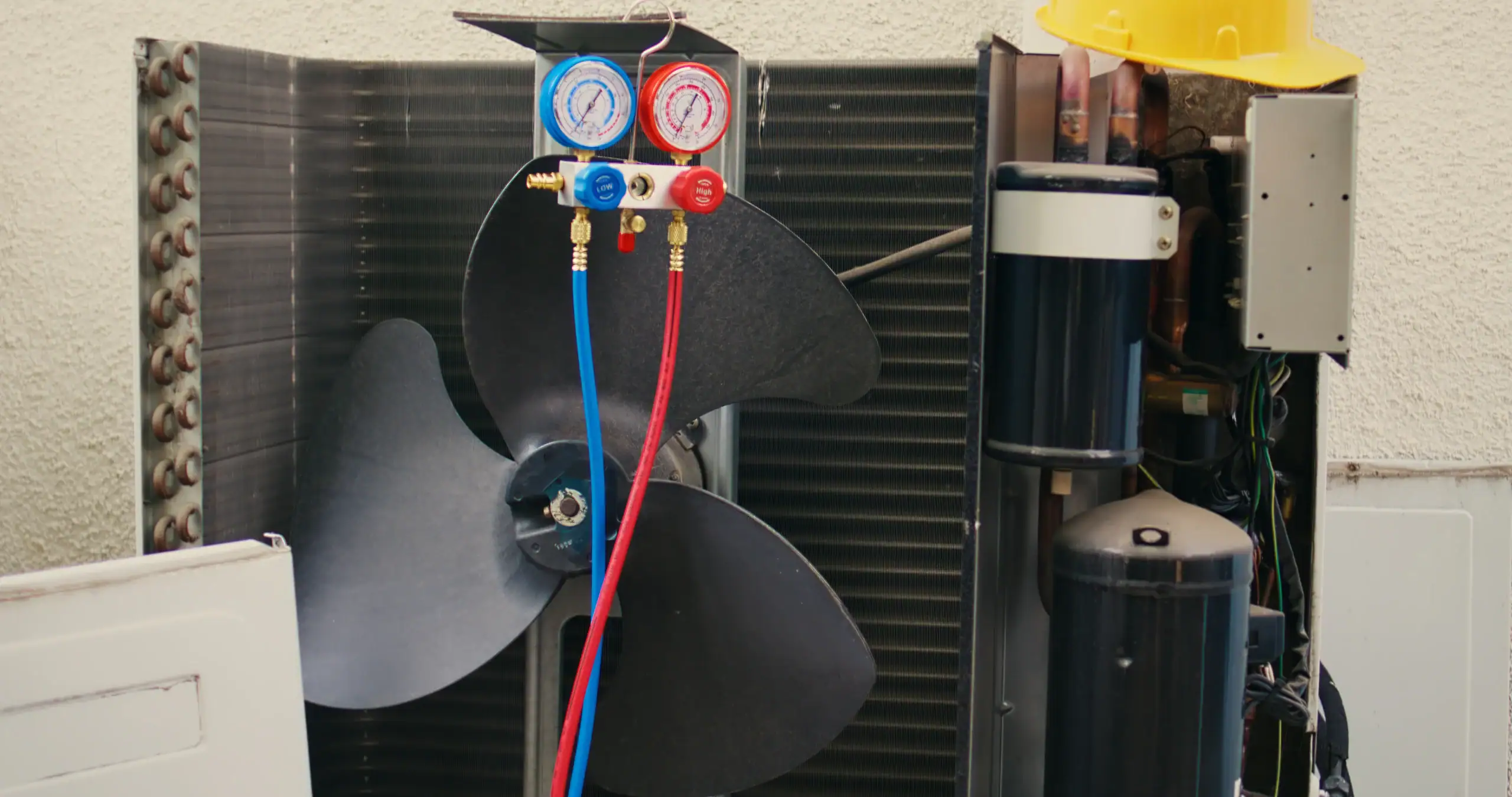
When we show up, we start with a proper diagnostic. Modern marine AC systems throw error codes for a reason. High-pressure warnings, water flow issues, electrical faults—each one points to specific problems. We check filters, inspect water pumps, test refrigerant levels, and look for the saltwater corrosion that kills so many marine systems.
Once we know what’s wrong, you get a clear explanation and a fair price. No surprise charges. If it’s a simple fix like a clogged strainer or dirty filter, we’ll tell you. If you need parts or more extensive boat AC repair, we’ll walk you through exactly what needs to happen and why. Then we fix it, test it, and make sure you’re back to comfortable conditions before we leave.
Ready to get started?
We handle the full scope of marine refrigeration and boat HVAC work in Belle Terre. That includes emergency repairs when your system quits mid-season, routine refrigeration maintenance to prevent problems, and winterization services to protect your equipment during the off-season.
For boat air conditioning, we work on all major brands—Cruisair, Marine Air, and others. We handle refrigerant leaks, compressor failures, water pump issues, and electrical problems. We clean coils properly (because bent coils create bigger problems), replace worn components, and address the saltwater corrosion that general HVAC techs often miss.
Boat refrigeration gets the same attention. Whether it’s keeping your galley cold or maintaining specialized cooling systems, we understand the unique demands of marine refrigeration systems. We also offer 24/7 consulting for emergencies, because system failures don’t wait for business hours.
Belle Terre boat owners face specific challenges. The Long Island Sound environment is tough on marine equipment. Salt accelerates corrosion. Humidity creates condensation issues. Summer temperatures push systems to their limits. We factor all of this into our service approach, recommending marine air conditioning maintenance schedules that make sense for local conditions and usage patterns.
Marine AC systems operate in completely different conditions than residential or commercial units. Saltwater corrosion, constant vibration, and the marine environment require specialized knowledge that most HVAC technicians simply don’t have.
Marine systems use seawater for cooling and heating. The pumps often aren’t self-priming, which means improper handling can damage the system. Components are marine-grade to resist corrosion, and they need specific replacement parts—not whatever’s in a standard HVAC truck. Refrigerant handling follows EPA guidelines, but marine applications have unique considerations.
ABYC certification exists specifically because marine HVAC is its own specialty. A technician who’s great with home systems might cause more problems on a boat. They might miss corroded fittings, misdiagnose water flow issues, or use non-marine parts that fail quickly. When you’re dealing with expensive marine equipment, you want someone who knows exactly what they’re looking at.
At minimum, you should have your marine AC serviced once per season—ideally before peak boating months. But if you’re using your boat heavily or living aboard, more frequent marine air conditioning maintenance makes sense.
Air filters need cleaning or replacement at least monthly during active use. Dirty filters restrict airflow, reduce cooling capacity, and force the system to work harder. Most boats have multiple filters—one on the unit itself and others on air handlers—and people often miss checking all of them.
Winterization is non-negotiable if you’re in Belle Terre. Water remains in the heat exchanger when the system isn’t running. If that water freezes, it can crack components and lead to expensive repairs. Professional winterization involves running antifreeze through the system properly, checking for signs of wear, and preparing everything for cold weather storage. Many boat owners attempt this themselves and end up with antifreeze everywhere except where it needs to be, because marine AC pumps require specific procedures to prime correctly.
The most common culprits are dirty filters, water flow problems, and refrigerant leaks. Filters get clogged with debris and restrict airflow. When air can’t move properly, the system can’t cool effectively—and in some cases, evaporator coils freeze up, which shuts everything down.
Water flow issues happen when strainers get clogged with marine growth, sea cocks are closed, or pumps can’t draw water properly. Marine AC systems rely on seawater circulation, so any interruption stops the cooling process. Sometimes it’s as simple as a clogged through-hull strainer, but diagnosing it requires understanding how the water system works.
Refrigerant leaks are trickier. Saltwater corrosion eats away at fittings and coils over time. Low refrigerant means poor cooling, but the bigger issue is finding and fixing the leak. Many times, systems with refrigerant leaks have multiple problems—corrosion being the main one—and simply adding more refrigerant is a temporary fix at best. If the leak is due to corroded components, you’re looking at replacement parts or potentially a new system, depending on the age and condition of the unit.
There are some basic checks you can do, but marine AC systems are complex enough that professional diagnosis usually saves time and money in the long run.
Start with the simple stuff. Check if the system has power—look at circuit breakers and fuses. Many modern marine AC units have digital displays that show error codes. Write those down, because they tell us exactly where to start looking. Check your air filters. If they’re clogged, clean or replace them. Make sure all vents and returns are clear of obstructions.
For water-related issues, verify that sea cocks are open and check for obvious blockages in strainers. Listen for unusual noises from pumps or blowers, which can indicate mechanical problems. But beyond these basics, boat AC repair gets complicated fast. Refrigerant handling requires EPA certification. Coil cleaning needs special tools—using a shop vac can bend the delicate fins and make things worse. Electrical diagnostics require marine-specific knowledge.
If you’re seeing error codes, experiencing weak cooling, or dealing with water discharge problems, it’s time to call someone who specializes in marine HVAC. Attempting complex repairs without the right knowledge often leads to bigger problems and higher costs.
Both involve cooling systems on your boat, but they serve different purposes and have different components. Marine air conditioning cools the cabin air to keep you comfortable. Marine refrigeration keeps food, beverages, and other items cold in storage compartments.
Boat air conditioning systems work similarly to home AC units but with marine-specific components. They use refrigerant, compressors, and evaporator coils, but they’re designed to handle saltwater cooling and marine environments. The service involves checking refrigerant levels, cleaning filters and coils, maintaining water pumps, and addressing electrical issues.
Marine refrigeration systems are more like the refrigerator in your galley or specialized cooling units for other purposes. They also use refrigerant and compressors, but the configuration is different. Service includes checking door seals, cleaning condenser coils, verifying proper temperature control, and addressing any leaks or component failures.
Both systems suffer from the same environmental challenges—saltwater corrosion, humidity, and vibration. We handle both because the underlying principles are similar, even though the specific applications differ. Whether you need your cabin cooled or your food kept fresh, we have the expertise to diagnose and repair either system properly.
Yes. We offer 24/7 consulting and emergency service because marine HVAC problems don’t follow a schedule. System failures happen when you’re using your boat most—typically summer weekends and holidays when temperatures are highest.
When your AC quits on a Saturday afternoon with family aboard, you need help now, not Monday morning. We understand that boat owners in Belle Terre use their vessels when weather permits, and that’s exactly when systems are under the most stress. High temperatures, extended operation, and peak usage all increase the likelihood of problems.
Emergency service means you get a qualified technician who can assess the situation and determine whether it’s something that can be fixed on-site or requires parts and follow-up. Sometimes it’s a simple issue—a tripped breaker, a clogged filter, or a closed sea cock. Other times it’s more complex. Either way, you get honest communication about what’s wrong, what it takes to fix it, and what your options are. The goal is getting you back to comfortable conditions as quickly as possible, whether that’s the same day or scheduling proper repairs with the right parts.