
Hear from Our Customers
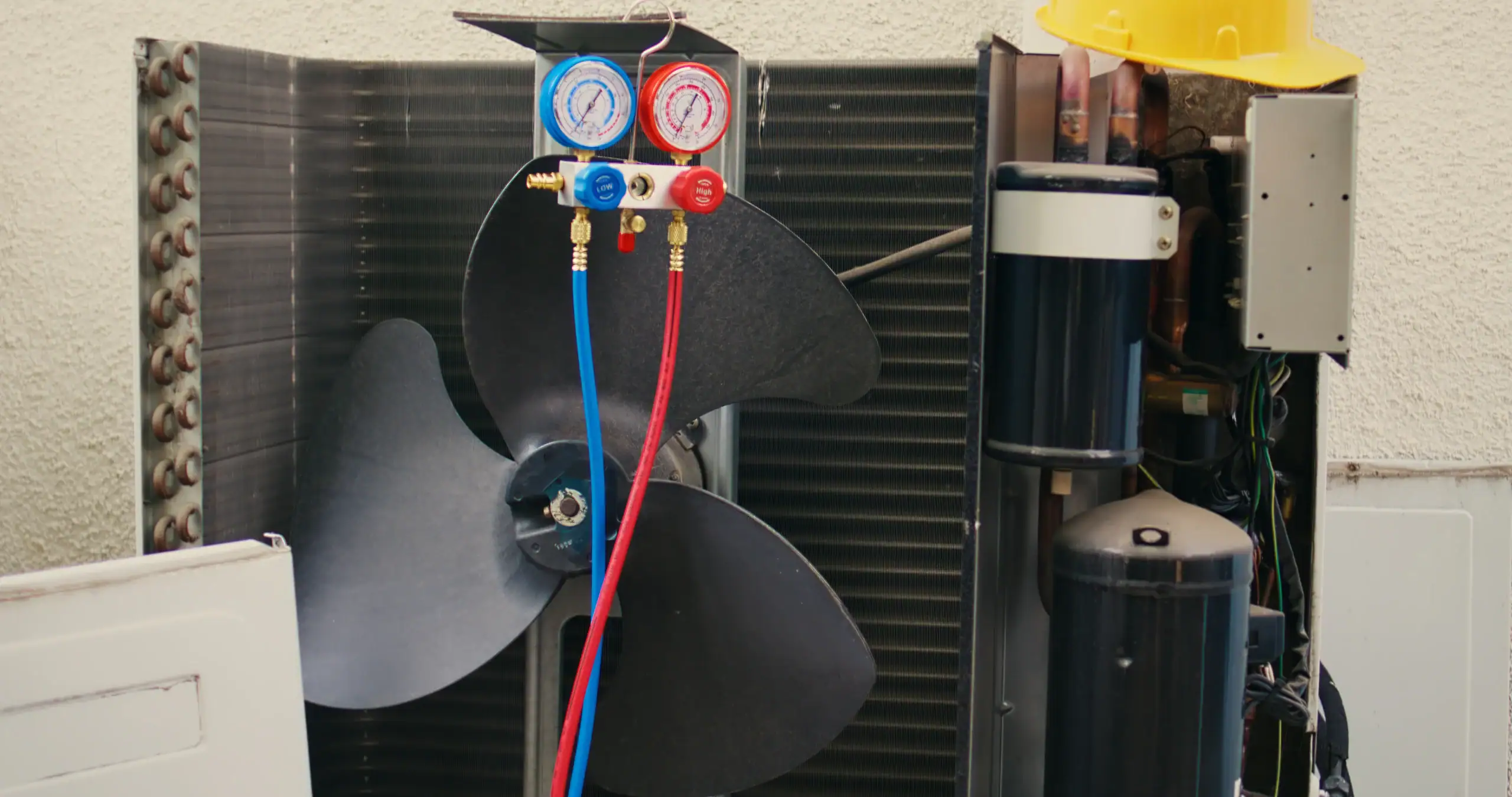
Your boat refrigeration runs efficiently without draining your batteries. Food stays fresh during extended trips. Your system operates quietly and consistently, even in challenging marine conditions.
You’re not constantly adjusting thermostats or dealing with ice buildup. No more opening the fridge to find everything’s gone bad because the compressor failed overnight. Your marine HVAC system works as hard as you do on the water.
When problems do arise, you get same-day service from technicians who actually understand marine refrigeration systems. Not someone guessing their way through salt-water resistant components and 12-volt electrical systems.
We’ve been solving marine refrigeration problems across Nassau County since the early 1980s. We serve everyone from weekend boaters to commercial marine operations throughout the Bellerose area and Long Island.
Local boat owners know the unique challenges of marine cooling systems. Summer humidity that strains condensers. Limited battery power that demands energy efficiency. Salt air that corrodes standard components.
We understand these realities because we’ve been working in this environment for four decades. We’ve seen every type of marine refrigeration failure and know how to prevent most of them through proper installation and maintenance.
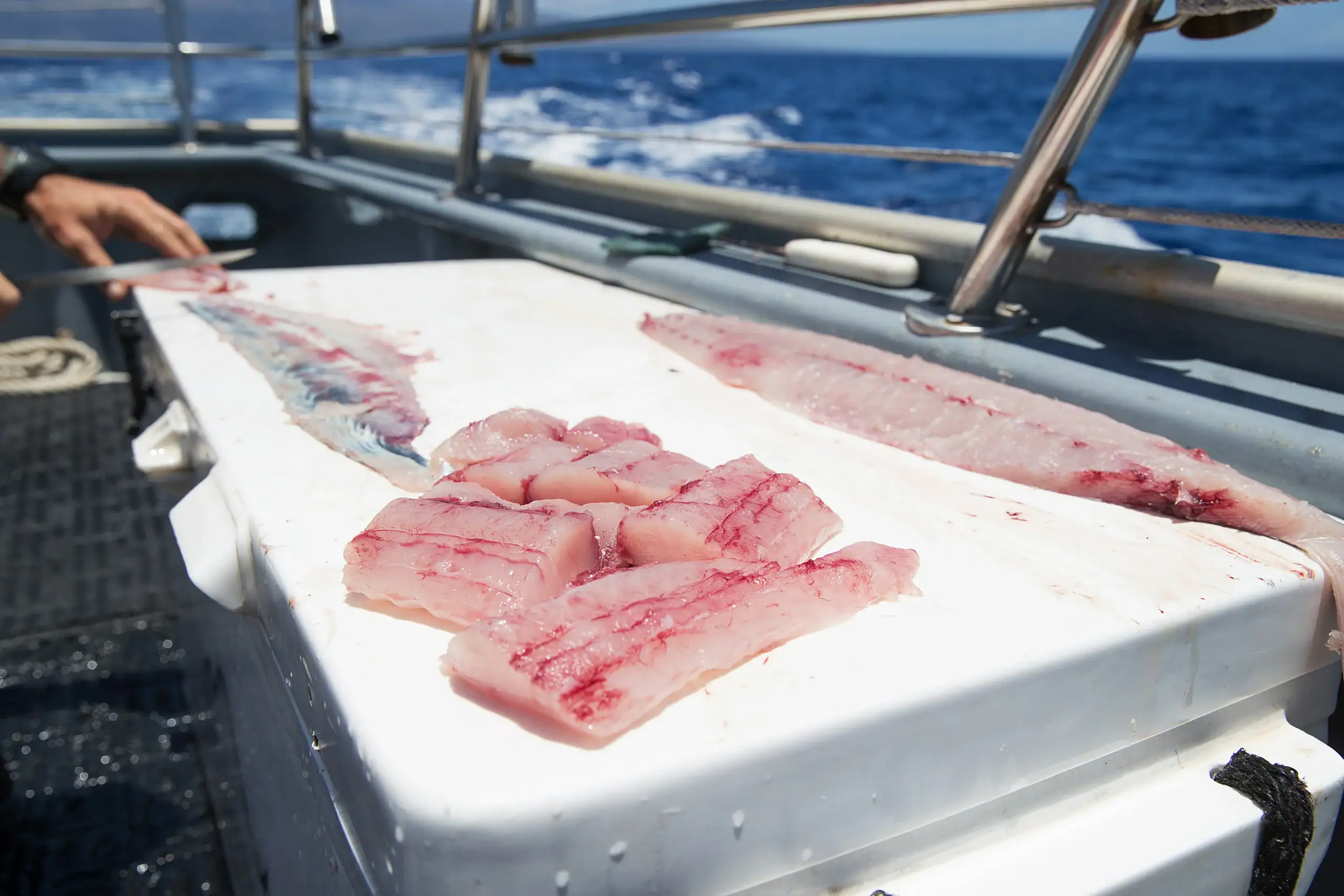
First, a technician evaluates your boat’s electrical system and available space. Marine refrigeration isn’t one-size-fits-all. Your 25-foot day cruiser needs different components than a 50-foot yacht with multiple refrigeration zones.
Next comes proper sizing and component selection. The compressor, condenser, and evaporator must work together efficiently within your boat’s power limitations. This includes selecting salt-water resistant materials and ensuring adequate ventilation for heat rejection.
Installation involves careful routing of refrigerant lines and electrical connections. Everything gets tested under actual operating conditions, not just bench-tested. You receive clear instructions for optimal operation and maintenance schedules tailored to your usage patterns.
Follow-up service includes regular maintenance visits and 24/7 emergency support. Because marine refrigeration problems don’t wait for business hours.
Ready to get started?
We handle every aspect of marine refrigeration and boat air conditioning. New system design and installation. Repair of existing equipment. Preventive maintenance programs. Emergency service calls.
Our service area covers all of Nassau County, with particular expertise in the Bellerose marine community. Local marinas and boat owners rely on us for everything from simple thermostat calibrations to complete system overhauls.
Bellerose’s location provides access to diverse boating environments. From protected harbors to open ocean conditions. Each environment presents different challenges for marine refrigeration systems. Our experience across these conditions means better system recommendations and more reliable repairs.
We service both 12-volt and 120-volt systems. Engine-driven and electric compressors. Air-cooled and water-cooled condensers. Custom installations for unique spaces and requirements that other contractors can’t handle.
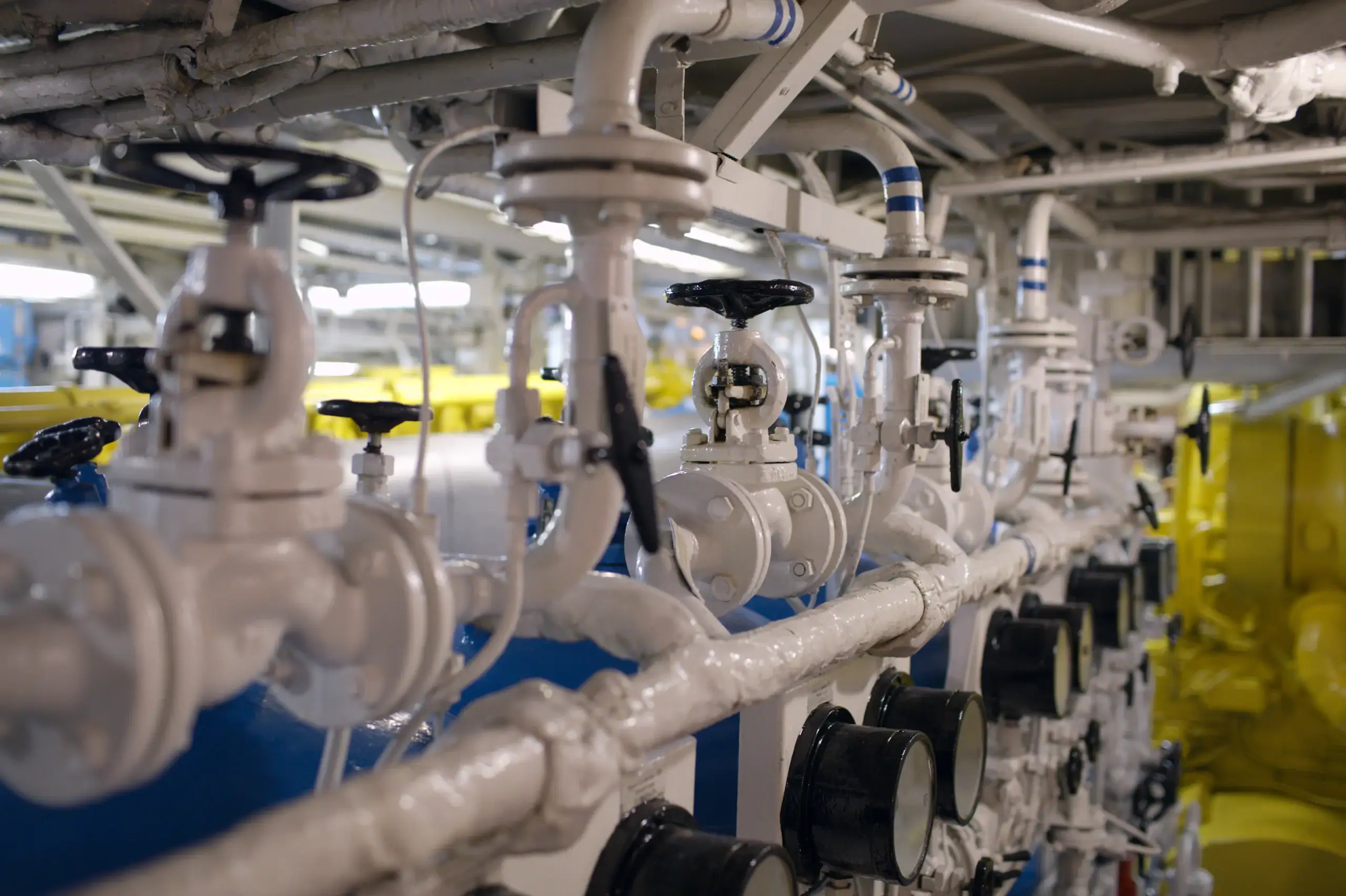
Excessive power consumption usually stems from three main issues. Poor insulation allows heat to infiltrate constantly, forcing the compressor to run longer cycles. Undersized or failing condensers can’t reject heat efficiently, causing the system to work harder than necessary.
Door seals that don’t close properly create the biggest power drain. Even small gaps let warm, humid air enter continuously. The compressor runs almost constantly trying to remove this heat load. A simple dollar bill test around the door perimeter reveals most seal problems.
Proper system sizing and maintenance typically reduce power consumption by 25-40%. This includes cleaning condenser coils, checking refrigerant levels, and ensuring adequate ventilation around components. Regular maintenance visits prevent most efficiency problems before they affect your battery bank.
Well-maintained marine refrigeration systems typically last 15-20 years with proper care. The harsh marine environment accelerates wear compared to household refrigerators, but quality components and regular maintenance extend lifespan significantly.
Compressors usually need replacement after 12-15 years of regular use. Condensers and evaporators can last longer if protected from salt corrosion. Electronic controls and thermostats may need replacement every 8-10 years as marine environments are tough on sensitive components.
Preventive maintenance is crucial for longevity. Annual inspections catch small problems before they become expensive failures. This includes checking refrigerant levels, cleaning coils, testing electrical connections, and calibrating temperature controls. Boats used seasonally often see longer component life than year-round liveaboards.
Ice buildup typically results from humid air entering the refrigerated space. Faulty door gaskets are the most common cause, allowing warm, moist air to enter every time the door opens. This moisture immediately freezes on cold surfaces.
Defrost timer problems can also cause excessive ice formation. Marine refrigerators need regular defrost cycles to remove normal moisture accumulation. When these cycles fail or run incorrectly, ice builds up quickly and reduces cooling efficiency.
Temperature settings that are too cold actually make ice problems worse. Freezer temperatures below 10°F cause more moisture to freeze on evaporator surfaces. Raising the temperature to 10-15°F reduces ice formation while maintaining adequate food preservation and improving overall system efficiency.
Most boats can accommodate marine refrigeration with proper planning and component selection. The key factors are available electrical power, physical space for components, and adequate ventilation for heat rejection.
Smaller boats often use portable 12-volt units or icebox conversions with compact compressors. Larger vessels can support full marine HVAC systems with multiple refrigeration zones. Each installation requires custom design based on power availability, space constraints, and usage patterns.
Electrical capacity is usually the limiting factor. Marine refrigeration systems need consistent power for reliable operation. Boats without adequate battery banks or charging systems may need electrical upgrades before refrigeration installation. Solar panels, wind generators, or larger alternators often complement new refrigeration systems.
Marine refrigeration systems are specifically designed for boat environments and power limitations. They use 12-volt or 24-volt DC power instead of household 120-volt AC. Components are built to handle constant motion, vibration, and salt air exposure.
Insulation requirements are much higher for marine applications. Boat refrigerators need superior insulation to maintain temperatures while minimizing power consumption. Household units rely on unlimited electrical power and don’t face the same efficiency demands.
Marine systems also use different refrigerants and component materials. Everything must resist corrosion from salt air and moisture. Compressors are designed for variable voltage conditions common on boats. Condensers often use seawater cooling instead of air cooling for better efficiency in hot climates.
Annual professional maintenance is recommended for most marine refrigeration systems. Boats used year-round or in harsh conditions may benefit from bi-annual service visits. Weekend recreational boats can often extend maintenance intervals to 18 months.
Maintenance visits include cleaning condenser coils, checking refrigerant levels, testing electrical connections, and calibrating temperature controls. We also inspect door seals, test defrost cycles, and verify proper system operation under load conditions.
Between professional visits, boat owners should clean condenser coils monthly during heavy use periods. Check door seals regularly and keep drainage systems clear. Monitor system performance for changes in cooling efficiency or unusual noises that might indicate developing problems requiring immediate attention.