
Hear from Our Customers
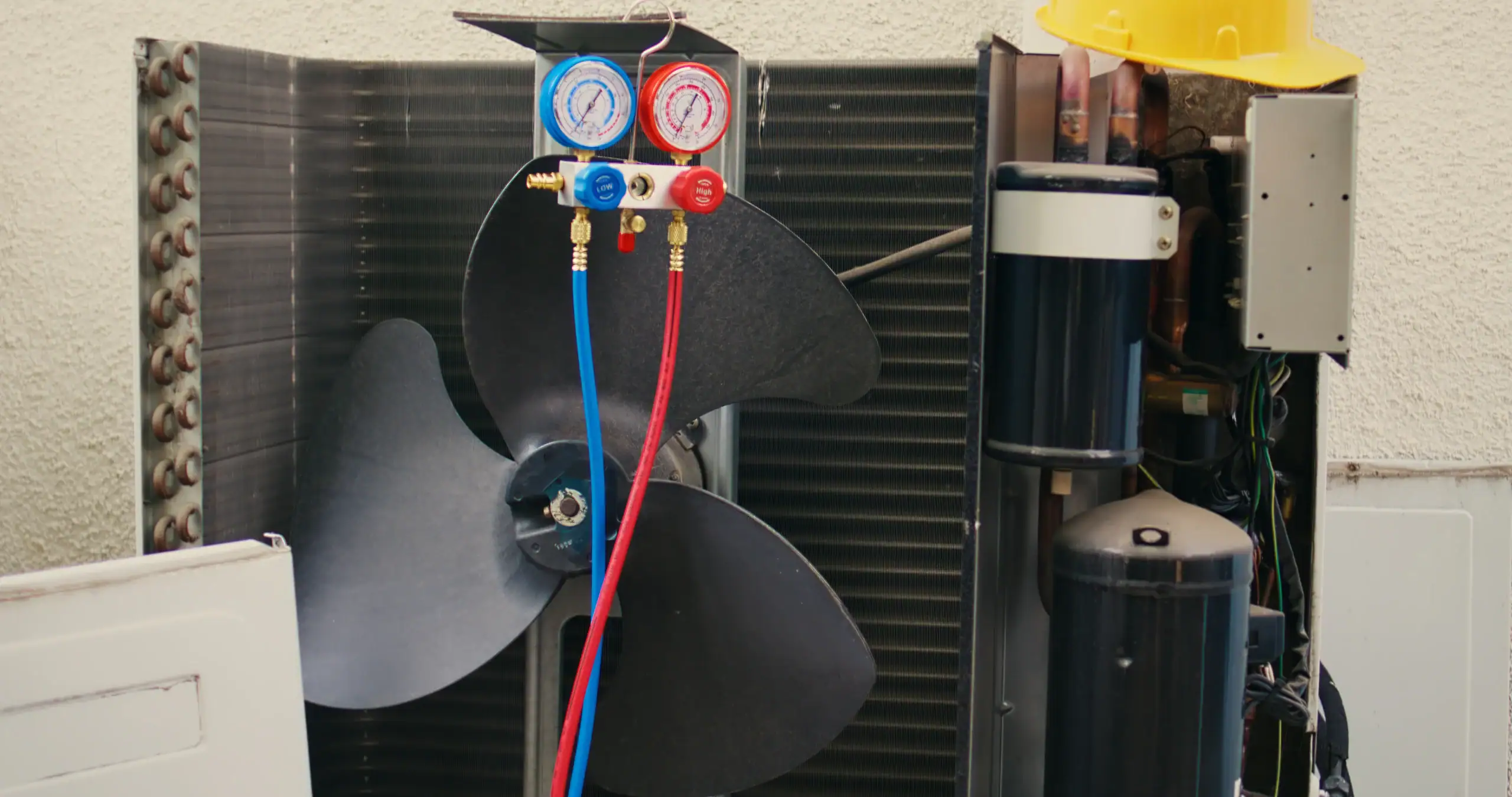
Your boat’s refrigeration dies on the hottest weekend of summer. Or your marine AC starts throwing high pressure faults right before a family trip. These aren’t minor inconveniences.
When your boat’s climate control fails, it affects everything. Food spoils. Drinks get warm. Guests get uncomfortable. Your whole day on the water changes.
You need someone who can diagnose the real problem fast, not guess their way through marine systems they don’t actually understand. You need parts that can handle saltwater environments. You need the work done right so you’re not calling again in two weeks.
That’s what 40 years of marine HVAC experience gets you. Systems that hold up. Repairs that last. And the ability to actually enjoy your boat instead of babysitting temperamental cooling equipment.
Chill Xpert Solutions has spent over four decades working on marine refrigeration and boat air conditioning systems across Long Island. That’s not general HVAC work adapted for boats. That’s specialized marine climate control.
We know Great River’s boating community. We understand what Long Island’s saltwater does to cooling systems. We’ve seen every type of failure, from simple refrigerant leaks to complex compressor breakdowns.
You get 24/7 consulting, free estimates, and straight answers. No runaround. No technical jargon designed to confuse you. Just clear communication about what’s wrong, what it takes to fix it, and what it costs.
You reach out, and someone actually answers. Not a voicemail system. A real person who can talk through what you’re experiencing with your marine refrigeration or boat AC.
We’ll ask specific questions about your symptoms. Is the compressor running? Are you seeing error codes? When did it start? This isn’t small talk. It’s diagnostic work that starts before anyone steps on your boat.
You get a free estimate. No surprises, no pressure. If you move forward, we show up with the right parts and tools for marine environments. We diagnose the issue, explain what we found, and fix it properly using components designed for saltwater exposure.
After the repair, we test the system thoroughly. You’re not left guessing whether it’ll hold up. And if you have questions later, that 24/7 consulting line is still there.
Ready to get started?
Marine refrigeration maintenance means checking refrigerant levels, inspecting compressors for saltwater corrosion, testing pressure switches, and cleaning condensers that deal with Long Island’s brackish water. It’s preventative work that catches problems before they strand you.
Boat air conditioning repair covers everything from high pressure faults to failed air handlers. We work on all major marine AC brands and understand the difference between marine-grade components and standard HVAC parts that won’t survive on the water.
Installation work includes new marine refrigeration systems, upgraded boat AC units, and custom cooling solutions for unique vessel layouts. Great River boat owners deal with hot summers and need systems that can keep up during long days on the Great South Bay.
Winterization service protects your investment. Saltwater left in marine HVAC systems causes expensive damage. Proper winterization means flushing seawater, inspecting for corrosion, and preparing systems for months of cold storage.
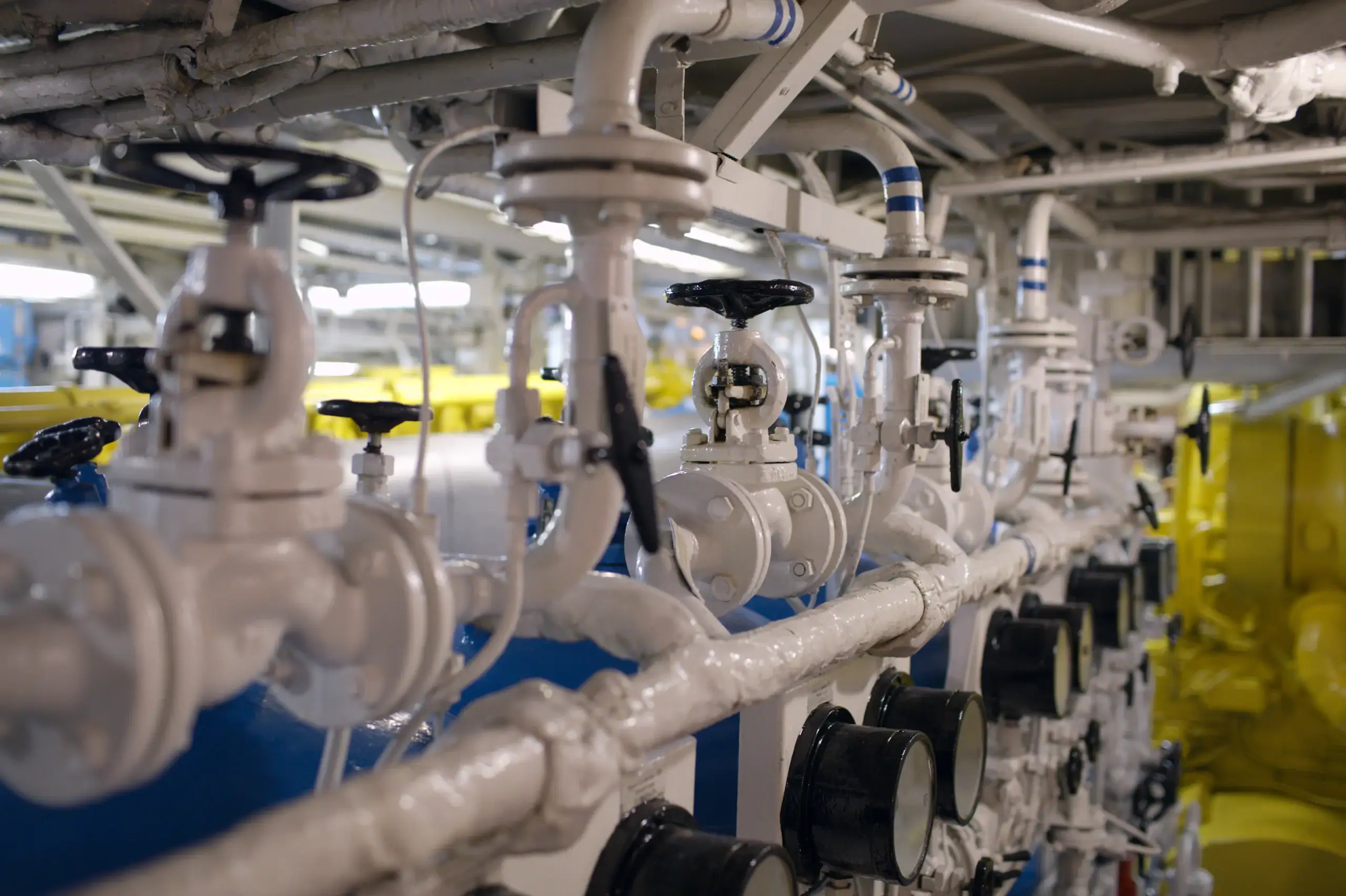
High pressure faults are the most common marine AC problem, and they usually point to one of three issues. Your condenser might be clogged with debris, salt buildup, or marine growth, which blocks heat transfer and spikes pressure. Your seawater pump could be failing or running too slowly to move enough cooling water through the system. Or you might have a refrigerant overcharge from a previous repair done incorrectly.
The marine environment makes this worse than residential AC problems. Saltwater is corrosive and carries sediment that regular HVAC systems never deal with. A clogged strainer that would be a minor issue on land can cause a complete shutdown on a boat.
Don’t just reset the fault code and hope it goes away. That high pressure is stressing your compressor, and compressor replacement is expensive. Get it diagnosed properly so you’re fixing the cause, not just treating symptoms. Most high pressure faults can be resolved without replacing major components if you catch them early.
Your marine refrigeration needs attention at least once a year, ideally before the boating season starts. If you use your boat heavily during summer or keep it in the water year-round, twice-annual service makes more sense.
Annual service should include checking refrigerant levels, inspecting all connections for corrosion, testing the compressor, cleaning the condenser, and verifying that your system is maintaining proper temperatures under load. Marine refrigeration works harder than your home fridge because it deals with heat, humidity, constant motion, and saltwater exposure.
You also need proper winterization if you’re in Great River. Long Island winters mean your boat sits for months, and marine refrigeration systems with residual saltwater will corrode during storage. Flushing the system, checking seals, and preparing it for cold weather prevent you from finding expensive damage when you launch in spring. Skipping this service to save a few hundred dollars often leads to thousand-dollar repairs later.
Technically yes, but you probably don’t want them to. Marine HVAC systems use similar principles to residential units, but the execution is completely different. The components are marine-grade to resist saltwater corrosion. The refrigerant pressures run differently. The cooling method uses raw water instead of air-cooled condensers. And the diagnostic approach has to account for variables that don’t exist on land.
A residential HVAC tech might look at your boat AC and not know where to start. They’re used to air handlers and outdoor condensers, not seawater pumps and through-hull fittings. They might install standard components that corrode within months. Or they might misdiagnose problems because they don’t understand how marine systems behave.
You need someone who works on boats regularly, understands saltwater’s impact on cooling systems, stocks marine-grade parts, and knows the specific failure patterns of marine HVAC equipment. The cost difference isn’t significant, but the quality difference is massive. Marine specialists fix it right the first time instead of experimenting with your expensive boat systems.
Saltwater corrosion is the number one killer of marine refrigeration systems. It attacks fittings, corrodes connections, damages pumps, and degrades seals. Even stainless steel components can fail if they’re not true marine-grade materials. Great River boats deal with brackish water that’s particularly harsh on cooling systems.
Lack of maintenance is the second biggest cause. Refrigerant leaks start small but get worse. Condensers accumulate marine growth that blocks heat transfer. Seawater pumps wear out gradually until they can’t move enough water. These problems are preventable with regular service, but most boat owners don’t think about their refrigeration until it stops working.
Improper winterization destroys systems too. Saltwater left in lines freezes, expands, and cracks fittings. Corrosion accelerates during storage when systems aren’t running. Seals dry out and fail. Then you launch in spring and discover your entire marine refrigeration system needs rebuilding because it sat all winter with residual saltwater inside.
The good news is that most failures are preventable. Annual maintenance, proper winterization, and quick attention to small problems keep marine refrigeration running for years. Ignore it, and you’re looking at complete system replacement instead of routine service.
Simple repairs like replacing a seawater pump impeller or cleaning a clogged strainer might run a few hundred dollars. Mid-range repairs like fixing refrigerant leaks, replacing pressure switches, or servicing compressors typically cost between $500 and $1,500 depending on parts and labor.
Major repairs get expensive fast. Compressor replacement can run $2,000 to $4,000 or more depending on your system size. Complete system replacement for larger boats can reach $10,000 or higher. That’s why preventative maintenance matters. Spending a few hundred dollars annually on service prevents those multi-thousand-dollar failures.
The real cost is also your time and lost boating days. If your boat AC fails mid-season and you’re waiting weeks for repair, you’re losing your summer. Emergency service costs more than scheduled maintenance. And poor-quality repairs that fail again cost you twice.
Get a free estimate before any work starts. That’s standard practice for reputable marine HVAC companies. You should know exactly what the problem is, what it costs to fix, and what happens if you don’t fix it. No surprises, no pressure, just clear information so you can make the right decision for your boat.
Yes, absolutely. Great River gets cold enough to freeze water in your marine HVAC lines, and frozen saltwater causes serious damage. When water freezes, it expands. That expansion cracks fittings, splits hoses, damages pumps, and destroys seals throughout your system.
Saltwater also corrodes aggressively when systems sit idle. During the boating season, your marine AC or refrigeration runs regularly, which keeps water moving and limits corrosion. During winter storage, that saltwater just sits in your lines, eating away at metal components for months. By spring, you might have leaks, failed connections, or corroded parts that need replacement.
Proper winterization means flushing all seawater from the system, adding antifreeze where needed, inspecting components for existing damage, and preparing everything for months of cold storage. It takes a few hours and costs far less than repairing freeze damage or corrosion.
Some boat owners skip winterization to save money, then spend thousands on spring repairs. That’s backwards. The winterization cost is insurance against expensive damage. And it means your boat is actually ready to use when the weather warms up, instead of sitting at the dock waiting for emergency repairs while everyone else is already on the water.