Hear from Our Customers
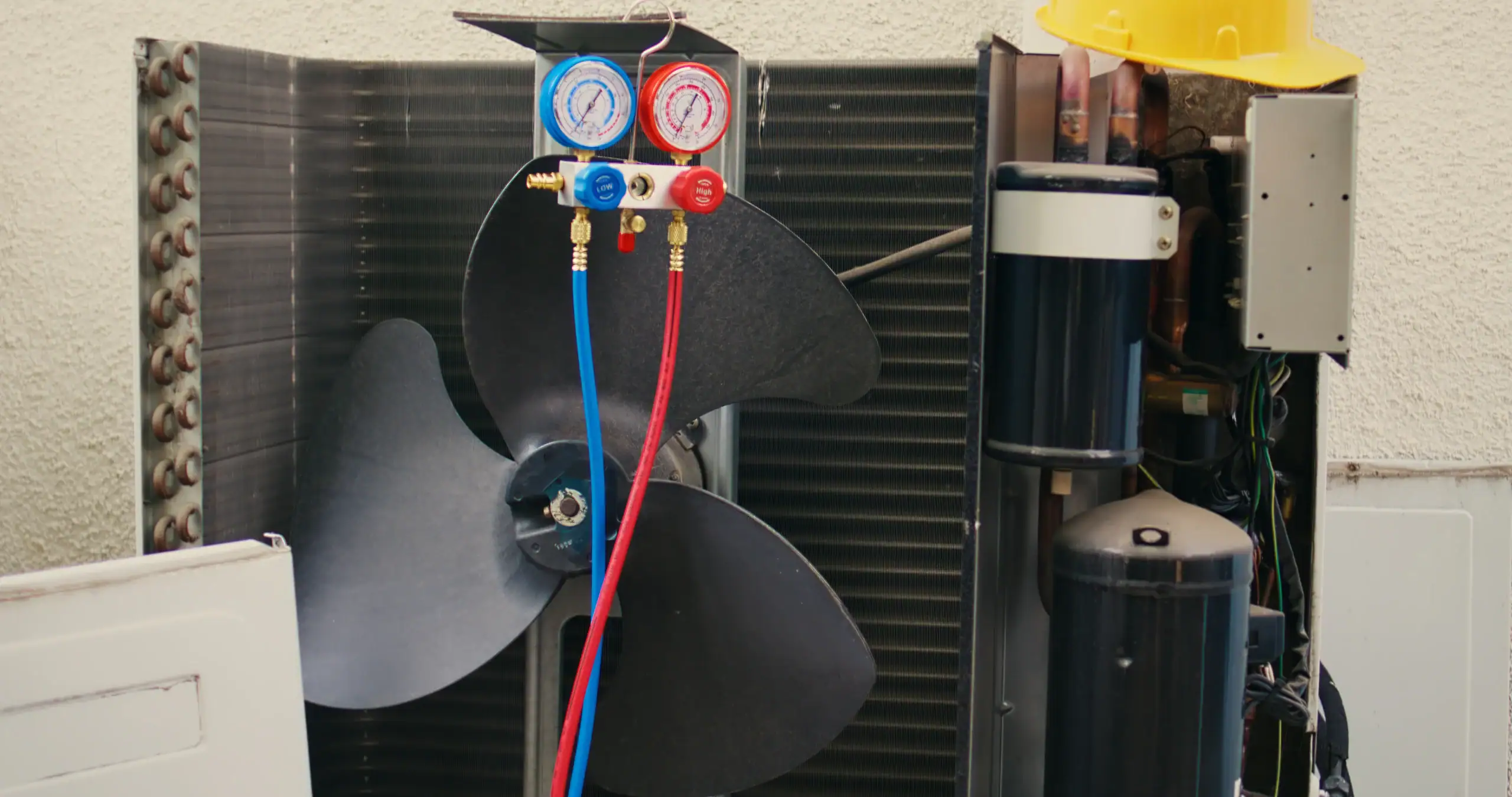
You’ve probably noticed that finding reliable marine refrigeration service on Long Island means waiting weeks while your boat sits unusable during prime season. That’s not how it should work.
Marine refrigeration and boat air conditioning systems aren’t like home units. They deal with saltwater corrosion, constant motion, limited battery power, and space constraints that regular HVAC techs don’t understand. When your system goes down, you need someone who knows the difference between a voltage drop issue and a refrigerant leak caused by marine corrosion.
With over 40 years handling everything from complex yacht installations to emergency boat AC repair, we know what actually fails on marine systems and how to fix it properly. Whether your compressor is cycling constantly, your refrigeration isn’t holding temperature, or your AC is blowing hot air at the dock, you’re dealing with someone who’s seen it and solved it hundreds of times. No 10-week backlog. No guessing. Just straight answers and service that gets your boat back to being comfortable and functional.
Chill Xpert Solutions has spent over 40 years working on refrigeration and HVAC systems—from commercial walk-in coolers at airports and restaurants to marine air conditioning on yachts throughout the North Shore. That range matters because boat refrigeration is actually more complex than most land-based systems.
Huntington Bay’s boating community knows what reliable service looks like. With West Shore Marina’s 280+ slips, Huntington Yacht Club, and dozens of other facilities serving thousands of boat owners along 60 miles of Long Island coastline, there’s no room for techs who don’t show up or don’t know marine systems. Our reputation is built on dozens of five-star reviews, 24/7 availability, and the kind of personable communication that makes you feel like you’re working with someone who actually cares whether your weekend on the water happens or not.
First, you talk to someone who can actually walk you through immediate troubleshooting steps if it’s an emergency. Not a voicemail. Not a form. A technician who knows marine systems and can help you figure out if it’s something simple or if you need service right away.
If it requires a visit, we come to your boat—whether that’s at your slip in Huntington Harbor, a marina in Huntington Bay, or anywhere else on Long Island. We assess what’s actually wrong, not what we think might be wrong. Marine refrigeration failures usually come down to a handful of issues: refrigerant leaks from saltwater corrosion, clogged sea strainers affecting water-cooled condensers, electrical problems from voltage fluctuations, or compressor failures from improper installation. The diagnostic process identifies the real problem so you’re not paying for parts you don’t need.
Once the issue is clear, you get a straightforward explanation and a free estimate before any work starts. Repairs are done on-site when possible, with the goal of getting your system running properly—not just temporarily patched. If it’s a new installation or a full system replacement, the process includes proper sizing for your boat’s power capacity, correct insulation to prevent excessive battery drain, and installation that accounts for ventilation, saltwater exposure, and the motion your boat experiences on the water.
Ready to get started?
Marine refrigeration service covers the full range of what keeps your boat’s cooling systems working in one of the harshest environments equipment can face. That includes diagnosing and repairing common failures like high-pressure faults, compressor issues, and refrigerant leaks. It means checking and cleaning condenser coils that corrode from saltwater exposure, inspecting sea strainers that clog and cause water pumps to fail, and testing electrical connections that suffer from the constant humidity and vibration boats experience.
For Huntington Bay boat owners specifically, Long Island’s climate adds another layer of complexity. Summer heat makes compressors work harder. Winter storage and spring startup create condensation issues. The saltwater in Huntington Harbor, Lloyd Harbor, and throughout Long Island Sound accelerates corrosion on components that weren’t installed with marine-grade materials or proper protection. Regular refrigeration maintenance addresses these local factors before they turn into expensive emergency repairs during peak boating season.
Installation work goes beyond just mounting a unit. Proper boat AC installation requires calculating your vessel’s actual cooling load, ensuring your battery bank and charging system can handle the power draw, installing adequate insulation to minimize runtime, and setting up ventilation that prevents the system from overheating in tight engine room spaces. Custom solutions might include converting old ice boxes to refrigeration, installing holding plate systems for extended cruising, or upgrading to more efficient compressors that reduce the amp-hour drain on your batteries. The goal is a system that works reliably without leaving you anchored in Huntington Bay with dead batteries because your refrigeration ran all night.
Constant running without proper cooling usually points to one of three issues. First, your system might have a refrigerant leak—often caused by saltwater corrosion on fittings, lines, or the condenser itself. Marine environments are brutal on refrigeration components, and even small leaks mean your compressor runs nonstop trying to maintain temperature it can’t reach.
Second, your condenser might not be rejecting heat properly. If you have a water-cooled condenser and your sea strainer is clogged or your water pump isn’t moving enough flow, the system can’t dump heat efficiently. On air-cooled systems, blocked ventilation or dirty condenser coils create the same problem. Third, poor insulation in your refrigeration box means heat infiltrates faster than your system can remove it, especially during hot Long Island summers when ambient temperatures in your cabin or engine room spike.
The fix depends on the actual cause. Refrigerant leaks need to be located, repaired, and the system recharged to spec. Condenser issues require cleaning coils, clearing strainers, or repairing water pumps. Insulation problems mean adding proper marine-grade foam to reduce heat transfer. A proper diagnostic identifies which issue you’re dealing with so you’re not replacing parts that aren’t the problem.
With proper maintenance, quality marine refrigeration systems typically last 10 to 15 years. The key phrase is “proper maintenance”—most boat owners skip regular service until something breaks, then wonder why their five-year-old system needs major repairs.
Long Island’s marine environment is particularly tough on boat refrigeration. The saltwater in Huntington Harbor accelerates corrosion on condensers, fittings, and lines. Summer humidity causes condensation issues. The constant motion and vibration boats experience loosen connections and stress components over time. Systems that get annual maintenance—cleaning condenser coils, checking refrigerant levels, inspecting electrical connections, testing door seals—consistently outlast systems that only get attention when they fail.
Your system’s lifespan also depends heavily on installation quality. Undersized systems run constantly and burn out prematurely. Oversized systems short-cycle and fail early. Systems installed without proper insulation work too hard. Systems without adequate ventilation overheat. If you’re looking at frequent repairs on a system that’s only a few years old, it probably wasn’t installed correctly for your boat’s specific needs in the first place.
Marine AC systems face challenges that home or commercial units never encounter, which is why regular HVAC techs often struggle with boat repairs. Your boat’s air conditioning has to handle constant motion and vibration that loosen fittings and connections. It runs on limited 12V or 24V DC power instead of unlimited 120V AC power, meaning every amp of current draw matters. It’s exposed to saltwater that corrodes components regular AC never deals with.
Water-cooled marine AC units—common on boats—use seawater pumped through the condenser to reject heat. That means dealing with clogged sea strainers, failed water pumps, and condenser coils that corrode from the inside out. Air-cooled units need ventilation in tight engine room spaces where ambient temperatures can hit 120+ degrees. Both types have to fit in spaces measured in inches, not feet, and they need to work efficiently because your batteries can’t support systems that run constantly.
Marine AC repair requires understanding these specific issues. When you get a high-pressure fault error, we know to check water flow first, then refrigerant levels, then electrical supply—in that order, because that’s how marine systems typically fail. A regular HVAC tech might start replacing expensive components without understanding the marine-specific causes. That’s the difference between a repair that fixes the problem and one that wastes your money.
Yes. Most marine refrigeration and boat AC repairs happen right at your slip, whether you’re docked in Huntington Bay, at West Shore Marina, Huntington Yacht Club, or any other Long Island location. Mobile service makes sense for boat work because hauling your vessel somewhere for HVAC repair doesn’t make any sense.
On-site repairs cover the majority of common issues—fixing refrigerant leaks, replacing compressors, cleaning or replacing condenser coils, repairing water pumps, troubleshooting electrical problems, and testing system performance after repairs. Our service truck carries common parts for major marine refrigeration brands, refrigerants, tools, and diagnostic equipment needed to handle most repairs during the first visit.
Some situations require ordering specialized parts or components, but even then, temporary solutions can often keep your system running until the parts arrive. For new installations or major system replacements that require significant fabrication or custom work, the planning happens at your boat so the installation is sized and designed for your specific vessel. The goal is always to minimize the time your boat is out of commission and maximize the time you actually get to use it.
High-pressure faults—often showing as “HPF” or “HP” error codes—are one of the most common marine AC problems, and they usually indicate your system can’t reject heat properly. On water-cooled systems, which are standard on most boats, the typical cause is insufficient water flow through the condenser. That happens when your sea strainer is clogged with debris, your raw water pump is failing or airlocked, or your through-hull intake is partially blocked.
Air-cooled systems get high-pressure faults when condenser coils are dirty, ventilation is blocked, or ambient temperature in the engine room is too high for the system to work efficiently. Overcharged refrigerant—often from improper service—can also cause high-pressure shutdowns, as can refrigerant contamination if someone added the wrong type or if air got into the system.
The troubleshooting process starts with the most common causes. Check water flow by feeling the overboard discharge—it should be steady and strong. Check air flow around condenser coils and clean any buildup. Verify your system isn’t overcharged. Most high-pressure faults on boats in Huntington Bay come down to clogged strainers or failing water pumps, both of which are straightforward fixes if you catch them before they damage the compressor from running against excessive head pressure.
Marine refrigeration repair costs depend entirely on what’s actually wrong with your system, which is why free estimates matter. Simple fixes like cleaning a clogged sea strainer, replacing a door seal, or recharging refrigerant after a minor leak might run a few hundred dollars. Replacing a failed compressor, repairing a major refrigerant leak, or replacing corroded condenser coils typically falls in the $500 to $1,500 range depending on parts and labor.
Full system replacements or new installations for boat refrigeration or marine AC systems vary based on your boat’s size, the cooling capacity needed, whether you’re going with air-cooled or water-cooled systems, and how much custom work is required to fit everything properly. Those projects can range from $2,000 to $8,000+ for larger vessels or complex installations.
What matters more than ballpark numbers is getting a clear, honest assessment before work starts. You should know what failed, why it failed, what it costs to fix properly, and how long the repair should last. Some repairs make sense. Some don’t—if your 15-year-old system needs a $1,200 compressor replacement, you might be better off putting that money toward a new, more efficient system that won’t need another major repair in two years. That’s the kind of straight talk you should expect when you’re spending money on your boat.