
Hear from Our Customers
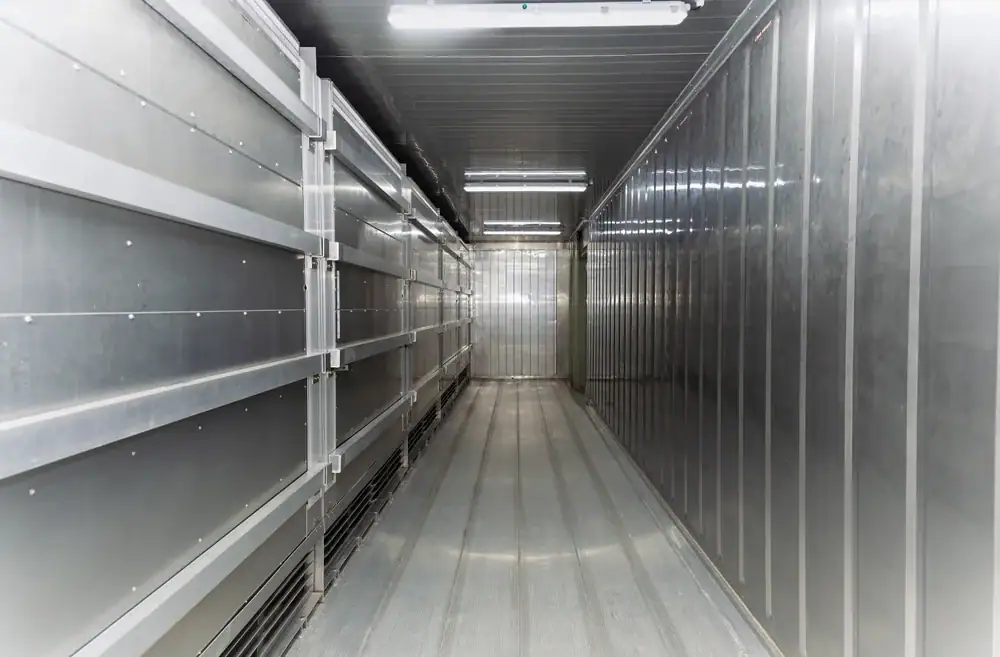
Your compressor isn’t fighting to keep up. Your energy bills drop because the system isn’t running at 140% capacity just to maintain temp. Your health inspector walks through without flagging temperature logs.
That’s what proper refrigeration service looks like. Not just when something breaks, but in the months between service calls when you’re not thinking about it at all.
Most commercial refrigeration problems start small. A door gasket that doesn’t seal right. Condenser coils that haven’t been cleaned in eight months. Refrigerant levels that dropped just enough to make the compressor work harder. You don’t notice these things until you’re looking at a walk-in full of spoiled product and a repair bill that could’ve been a maintenance visit.
The difference between a system that lasts eight years and one that lasts fifteen comes down to whether someone’s actually looking at it before it fails. Bayville’s humidity in summer and salt air year-round don’t do any favors for refrigeration equipment. Regular refrigeration maintenance means catching the small stuff before it becomes the expensive stuff.
We’ve been handling commercial refrigeration and marine HVAC in this area since before most of the restaurants on Bayville Avenue existed. That’s over 40 years of compressor replacements, walk-in installations, and middle-of-the-night emergency calls.
We work with restaurants, delis, grocery stores, catering operations, and marine facilities across Bayville and the surrounding Long Island area. The airport contracts, the yacht clubs, the food processors—they all need the same thing you do: systems that work when they’re supposed to and someone who answers when they don’t.
We’re not the cheapest option, and we won’t pretend to be. You’re paying for technicians who’ve seen your exact problem fifty times before and know how to fix it right the first time. You’re paying for someone who shows up when they say they will and doesn’t disappear after the install.
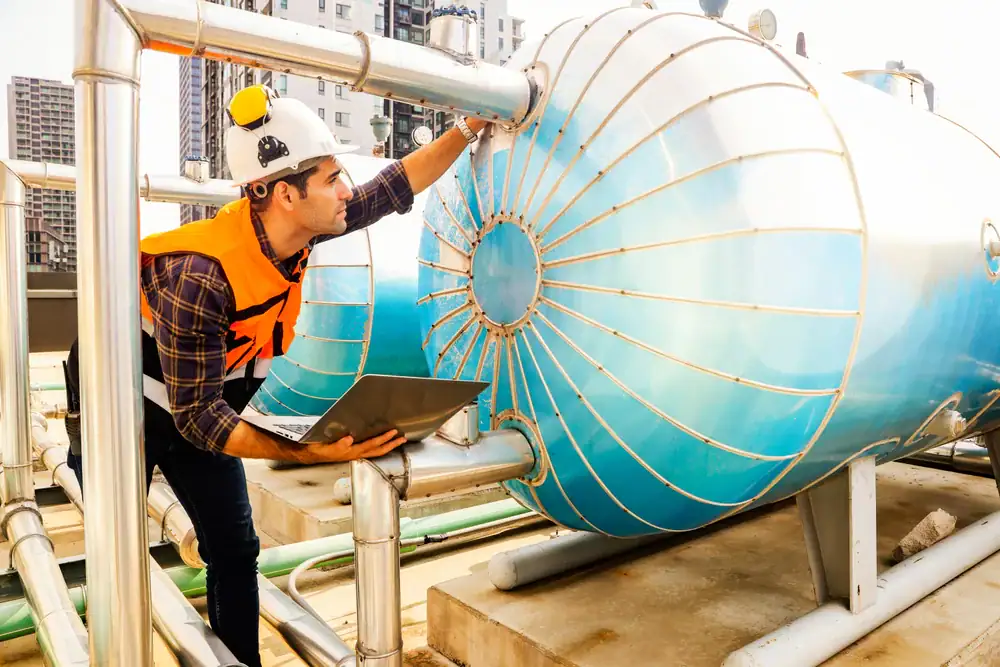
First, we actually answer the phone. If it’s an emergency, you’re talking to someone who can walk you through immediate steps while a technician is already driving to you.
For new refrigeration installation or system replacements, we start with a free estimate. We look at your space, your needs, and what you’re actually trying to keep cold. A deli case has different requirements than a walk-in freezer for a catering hall. We size the system correctly the first time.
Once we agree on scope and price, we schedule the install around your business hours whenever possible. For maintenance contracts, we set up regular service visits—usually quarterly for most commercial refrigeration systems—where we check refrigerant levels, clean coils, test door seals, and catch problems before they become emergencies.
If something breaks, we diagnose it on-site. Most issues get resolved the same visit. If we need a part, we tell you what it costs before we order it. No surprises on the invoice.
Ready to get started?
We handle everything from small reach-in units to large walk-in coolers and freezers. Ice machines, display cases, prep table refrigeration, beer systems—if it keeps things cold in a commercial kitchen or food service operation, we install it, maintain it, and repair it.
Bayville’s location means your equipment deals with salt air corrosion and humidity swings that accelerate wear on components. We account for that during installation and maintenance. Marine-grade components where they matter. Proper ventilation so compressors aren’t choking on coastal air. Coil cleaning schedules that match the actual environment, not just the manufacturer’s generic recommendation.
Emergency refrigeration repairs get priority response. We’re available 24/7 because your walk-in doesn’t care that it’s 2 AM on a Sunday. Most emergency calls in Bayville get a response within 45 minutes, and we resolve about 70% of issues on the first visit.
For planned work—new HVAC installation, system upgrades, or equipment replacement—we coordinate with your schedule. We know you can’t just shut down for three days. We work around your business hours and get systems online as fast as possible without cutting corners.
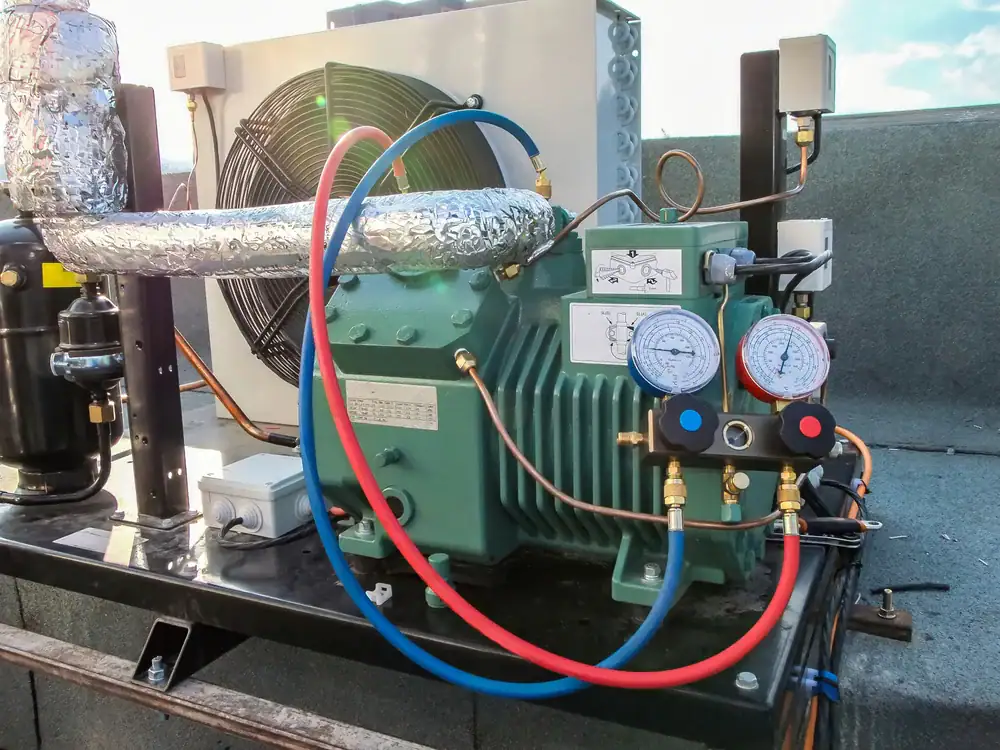
Most commercial refrigeration systems need professional maintenance every three months. That’s more frequent than the national average, but Bayville’s coastal environment accelerates wear.
Salt air corrodes components faster. Humidity makes compressors work harder. Temperature swings between summer and winter stress seals and gaskets. A quarterly maintenance schedule catches these issues before they cause failures.
During maintenance visits, we’re cleaning condenser coils, checking refrigerant levels, testing door seals, inspecting electrical connections, and verifying temperature accuracy. These aren’t just checklist items—dirty coils alone can make your compressor work 40% harder and fail years earlier than it should. Regular cleaning and adjustments typically reduce energy costs by about 25% compared to systems that only get looked at when something breaks.
If your compressor failed and the system is over ten years old, replacement usually makes more sense than repair. Compressor replacement often runs 50-70% of a new system’s cost, and you’re still left with an old system that’ll need other expensive repairs soon.
For newer systems—under seven years—repairs almost always make more financial sense unless there’s catastrophic damage. A failed compressor on a three-year-old walk-in is worth fixing. The same failure on a fifteen-year-old unit isn’t.
We’ll tell you honestly which direction makes sense for your situation. We make money either way, so we don’t have an incentive to push you toward the more expensive option. What we care about is that you’re not calling us back in six months because we put a band-aid on something that needed replacement. Age of the equipment, repair history, and how hard the system works all factor into the recommendation.
Most emergency calls in Bayville get a technician on-site within 45 minutes. We’re local, we know the area, and we keep trucks stocked with common parts so we’re not making multiple trips.
When you call our emergency line, you’re talking to someone who can provide immediate guidance while the technician is driving to you. Sometimes that’s walking you through a temporary fix that buys you a few hours. Sometimes it’s confirming that yes, you need to start moving product to backup refrigeration right now.
About 70% of emergency repairs get resolved on the first visit. The other 30% usually need a specific part we have to order, but we’ll do everything possible to get you operational temporarily until that part arrives. For restaurants and food service operations, we understand that downtime isn’t just inconvenient—it’s lost revenue and potentially thousands of dollars in spoiled inventory.
Bayville’s coastal humidity and temperature swings mean you need systems designed to handle environmental stress. Walk-in coolers need proper insulation and door seals that can handle humidity without failing every season. Compressors need adequate ventilation and shouldn’t be crammed into poorly ventilated spaces where they’re fighting against summer heat.
For most restaurant applications, we recommend systems with scroll compressors rather than reciprocating compressors—they handle the constant cycling better and last longer in high-humidity environments. Condensers should be positioned where they’re not getting direct salt air exposure when possible, and coil cleaning needs to happen more frequently than in non-coastal areas.
Reach-in units and prep table refrigeration take more abuse in restaurant kitchens, so commercial-grade equipment matters. Residential-style units don’t hold up. You need door hinges that can handle being opened 200 times a day, gaskets that maintain seal integrity, and compressors sized appropriately for the actual workload, not just the cubic footage.
Yes. Marine refrigeration and HVAC systems are actually one of our specializations, which isn’t common for commercial refrigeration companies. Marine systems have unique requirements—seawater cooling, hard-to-reach installations, components that need to handle constant vibration and movement, and saltwater corrosion resistance.
We work with private yacht owners and commercial marine operators throughout Bayville and the surrounding Long Island marine community. That includes everything from small cabin refrigeration units to large yacht climate control systems and commercial vessel refrigeration.
Marine HVAC installation is more complex than land-based systems. Space is limited, power sources are different, and everything needs to be secured properly for marine environments. We’re familiar with marine-grade components, proper installation techniques for boats, and the specific maintenance requirements that keep these systems running reliably. Most marine systems need more frequent maintenance than land-based equipment because of the harsher operating environment.
Neglected maintenance causes most failures. Specifically, dirty condenser coils and low refrigerant levels account for the majority of compressor failures we see. Both are completely preventable with regular service.
When condenser coils get clogged with dust, grease, and debris, the compressor has to work significantly harder to achieve the same cooling. That extra work generates more heat, causes more wear, and shortens the compressor’s lifespan by years. In restaurant kitchens where there’s airborne grease, coils can get badly clogged in just a few months.
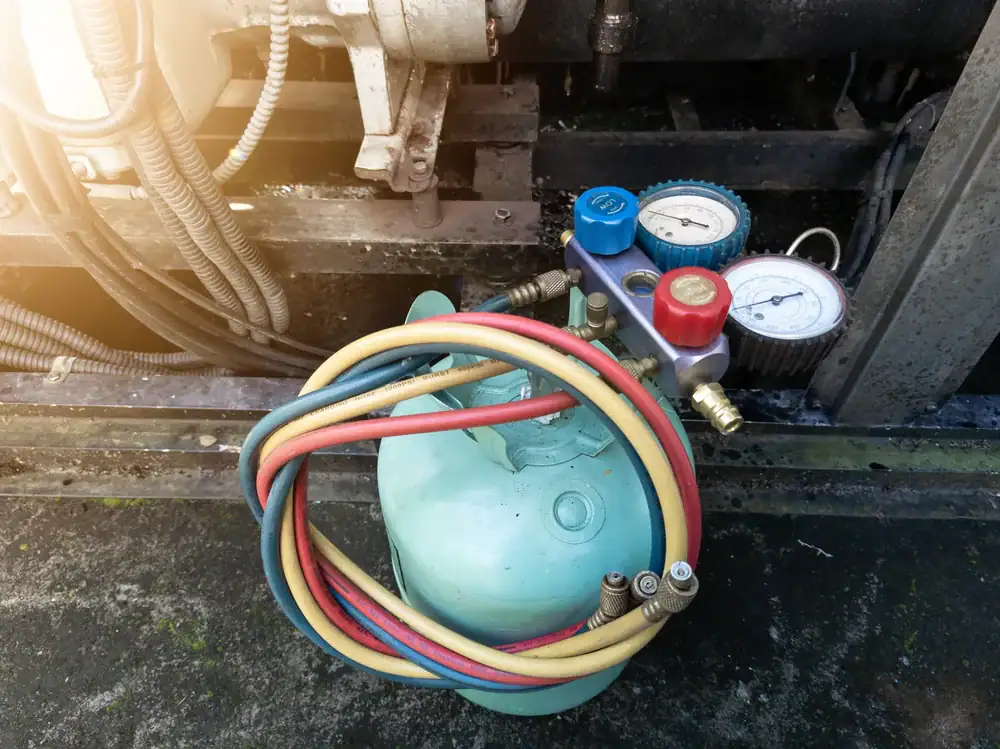
Refrigerant leaks are the other major issue. Small leaks drop refrigerant levels slowly over time. The system still cools, but not efficiently. The compressor runs longer cycles trying to maintain temperature, which increases energy costs and accelerates wear. By the time most people notice the problem, the compressor has been working overtime for months and may have sustained damage. Catching refrigerant leaks early during routine maintenance prevents expensive compressor replacements and keeps energy costs down.