Hear from Our Customers
Your food stays cold. Your costs stay predictable. Your health inspector stays happy.
That’s the baseline. But here’s what most restaurant and food service operators in Mattituck don’t realize until it’s too late: your refrigeration system is either saving you money or bleeding it. A well-maintained walk-in cooler uses about 25% less electricity than one that’s been ignored. Door seals that actually seal. Coils that aren’t caked in dust. Compressors that aren’t working twice as hard because nobody’s checked the refrigerant in two years.
When your system runs right, you’re not just avoiding disasters. You’re extending equipment life from 8 years to 15-plus. You’re preventing the $4,000 emergency replacement with a $129 spring tune-up. You’re keeping your food safe, your reputation intact, and your operating costs where they should be.
Most commercial refrigeration maintenance programs around here check a few things and leave. We actually look at how you use the space, what’s stressing the system, and what’s going to fail next if it’s not addressed now.
We’ve been handling commercial refrigeration and marine HVAC across Long Island since before most of the restaurants in Mattituck even opened. We’ve seen every failure mode. Every bad install. Every “temporary fix” that became permanent until it catastrophically wasn’t.
We’re the team airports call. Catering halls call. The Britannia Yacht Club calls. Not because we’re cheap—we’re not—but because when a system goes down, it stays down until someone who actually knows what they’re doing shows up.
Mattituck’s food service scene has grown. Places like CJ’s American Grill, The Clam Bar, Love Lane Kitchen—they all depend on refrigeration systems that can’t fail during summer rush or holiday prep. Long Island’s climate is brutal on this equipment. Summer heat hammers compressors. Winter cold messes with door seals. Salt air from the coast accelerates corrosion. If your technician doesn’t understand how local conditions affect your system, you’re getting generic service that won’t hold up.
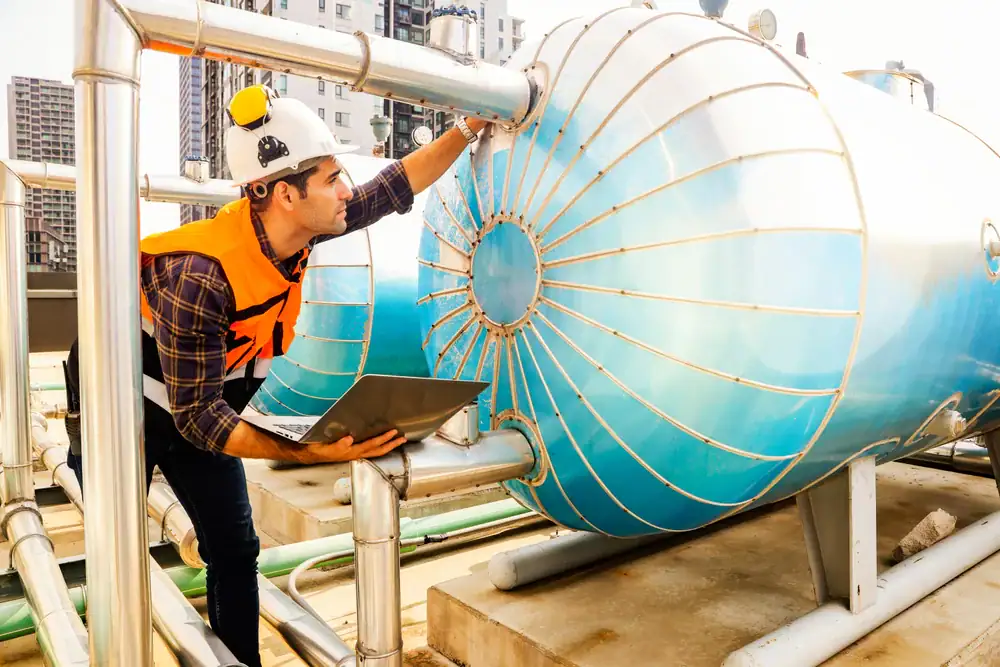
You call. We pick up. If it’s an emergency, we’re on-site in under two hours throughout Nassau and Suffolk County. If it’s during peak business hours and your system is completely down, we respond immediately.
Our trucks carry parts for the major brands. About 70% of emergency repairs get handled same-day because we stock what actually fails—not just what’s cheap to keep on hand. For the other 30%, we’ll rig a temporary solution so you don’t lose product while we source the part.
For installations, we start by understanding how you actually use the space. Not just square footage—actual usage patterns. How often you’re opening doors. What you’re storing. What your peak loads look like. Then we spec a system that matches reality, not some chart in a catalog.
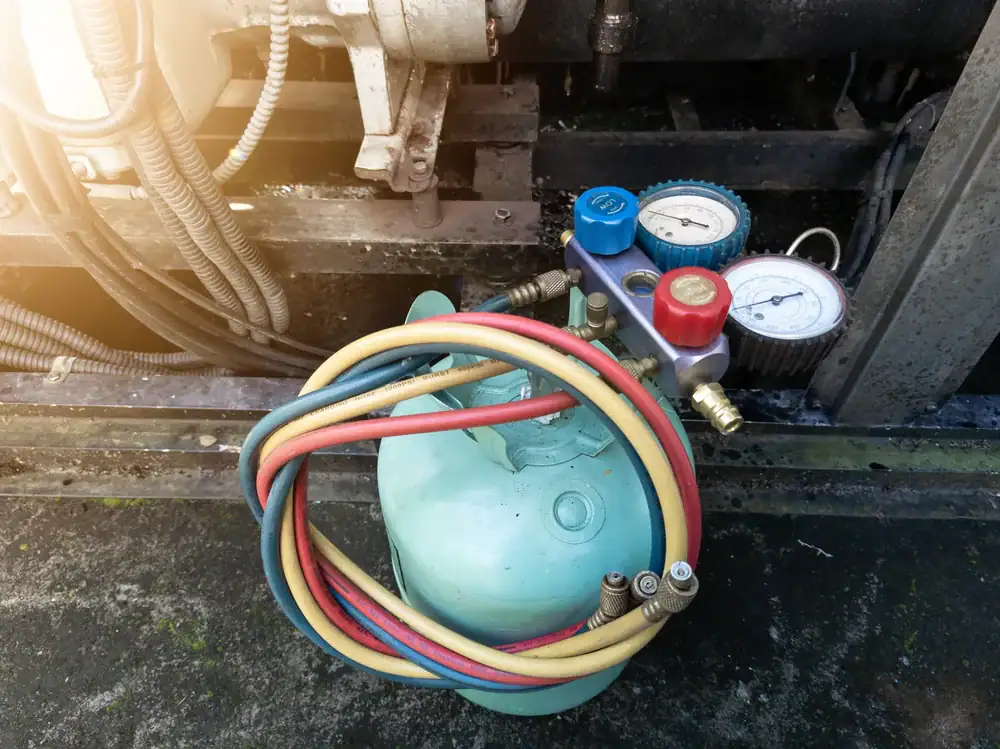
Maintenance happens twice a year if you’re on a program. We check refrigerant levels, inspect seals, clean coils, test compressor function, and catch the small stuff before it becomes expensive stuff. You get a report on what we found and what’s likely to need attention in the next 6-12 months. No surprises. No upselling. Just the truth about your equipment.
Ready to get started?
Walk-in coolers and freezers. Reach-in units. Prep tables. Display cases. Ice machines. If it keeps food cold in a commercial kitchen, we handle it.
We also do the specialized stuff most techs won’t touch. Brewery glycol systems. Marine refrigeration for yachts dealing with space constraints, power limitations, and saltwater corrosion. Custom installations where off-the-shelf won’t work.
In Mattituck and across Long Island, food service refrigeration isn’t optional—it’s the backbone of your operation. One day of downtime can cost you thousands in spoiled inventory alone. Add in lost revenue, emergency service premiums, and the scramble to source temporary cooling, and a single failure can wreck your week and your budget.
That’s why energy efficiency matters too. Commercial refrigeration systems account for roughly 40% of energy consumption in supermarkets and a significant chunk in restaurants. Keeping your system running efficiently isn’t just about avoiding breakdowns—it’s about controlling one of your biggest operating expenses. New DOE rules are pushing efficiency standards up 15% by 2029, which means older systems are going to cost more to run and eventually need replacement.
We’ll tell you when maintenance makes sense and when replacement makes more sense. We’re not here to sell you a new system if your current one has years left. But we’re also not going to patch something that’s costing you more in energy and repairs than a new install would.
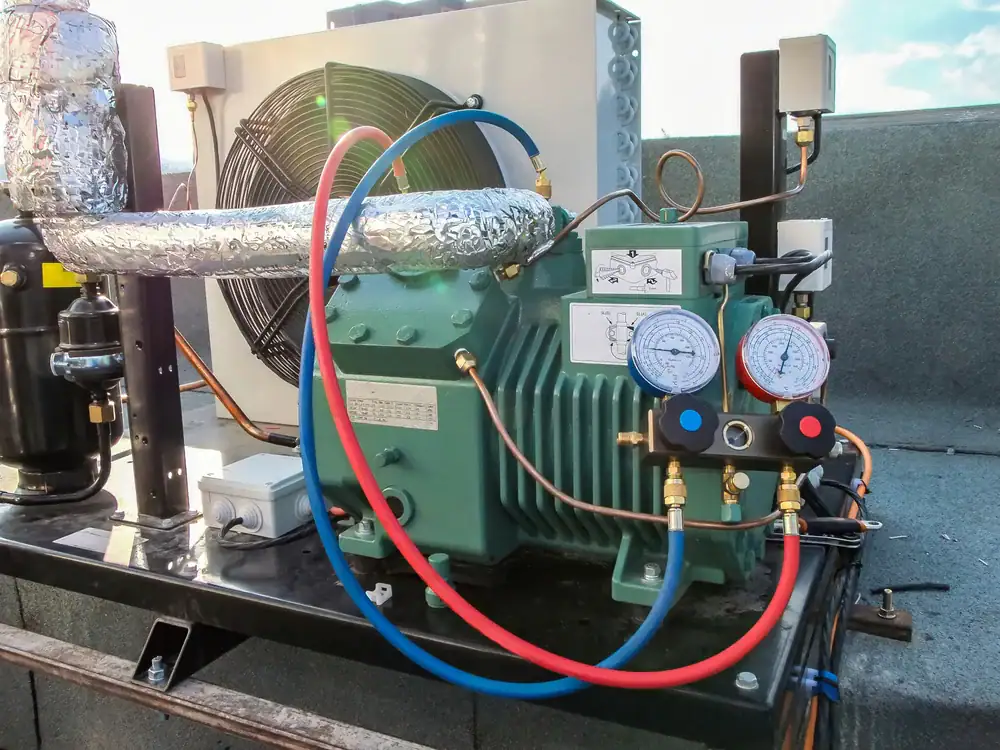
Under two hours for true emergencies throughout Nassau and Suffolk County. If your system fails during peak business hours—lunch rush, dinner service, weekend brunch—we respond immediately.
Our trucks are stocked with common parts for major brands, which is why we hit about 70% same-day repair rates. The other 30% get a temporary solution while we source the specific part you need. You won’t lose product waiting for us to figure out what’s wrong or run to a supplier.
Emergency rates are higher—that’s standard across the industry—but we’re transparent about pricing before we start work. No surprises on the invoice.
Twice-yearly inspections that cover refrigerant levels, door seals, coil cleaning, compressor testing, and electrical connections. We’re looking for the stuff that fails predictably if ignored: worn seals that leak cold air, dirty coils that force the compressor to work harder, refrigerant levels that have dropped just enough to kill efficiency.
You get a written report on what we found and what’s likely to need attention in the next 6-12 months. Most of our maintenance clients avoid the big emergency failures because we catch problems early when they’re cheap to fix.
A maintenance program typically costs less than one emergency call. And it extends equipment life significantly—15-plus years instead of 8-10. The math works heavily in your favor.
Age and repair history tell most of the story. If your system is under 10 years old and this is the first major issue, repair almost always makes sense. If it’s 12-plus years old and you’re calling for the third repair in two years, replacement is probably smarter.
We’ll be straight with you. If a repair buys you another 5 years, we’ll recommend it. If you’re throwing money at a system that’s going to fail again in six months, we’ll tell you that too.
Energy efficiency is the other factor. Older systems can cost 25% more to run than newer, efficient models. Sometimes the energy savings alone justify replacement, especially with the new DOE efficiency standards pushing equipment performance higher. We’ll run the numbers with you so you can make an informed decision.
Yes. Marine HVAC and refrigeration is one of our specialties, and it’s not something most commercial refrigeration companies touch because the requirements are completely different.
You’re dealing with space constraints, power limitations, constant motion, humidity, and saltwater corrosion that destroys standard equipment. Marine systems need to be spec’d and installed by someone who understands those challenges. We’ve worked with yacht clubs throughout Long Island and individual boat owners from Montauk marinas to North Shore harbors.
If you’ve had a tech look at your boat’s system and say “I don’t really work on these,” that’s common. Marine refrigeration requires different expertise, different parts, and different installation approaches. We handle it routinely.
All major commercial brands. Our trucks stock parts for the most common systems because that’s what gets you back up and running same-day.
We’re not tied to one manufacturer, which means we recommend what actually fits your needs and budget—not what we get a kickback for selling. Some brands hold up better in high-volume kitchens. Some are better for specific applications like display cases or under-counter units.
If you’ve got an older or less common system, we can still service it. We’ve been doing this for 40-plus years. We’ve seen most of what’s out there, and we know how to source parts for equipment that’s no longer in production.
It depends entirely on what failed and when you need it fixed. A service call during business hours to replace a door seal or fix a thermostat might run a few hundred dollars. An after-hours emergency compressor replacement on a walk-in freezer will cost significantly more—potentially several thousand.
Emergency rates are higher. Weekend and holiday rates are higher. That’s industry standard, and it reflects the reality of pulling a tech away from their family at 9 PM on a Saturday.
We give free estimates and transparent pricing before we start work. You’ll know what it costs and why. If there’s a more cost-effective option—like a temporary fix now and a permanent repair during regular hours—we’ll tell you. We’re not here to maximize the invoice. We’re here to get your system working and keep it working.