
Hear from Our Customers
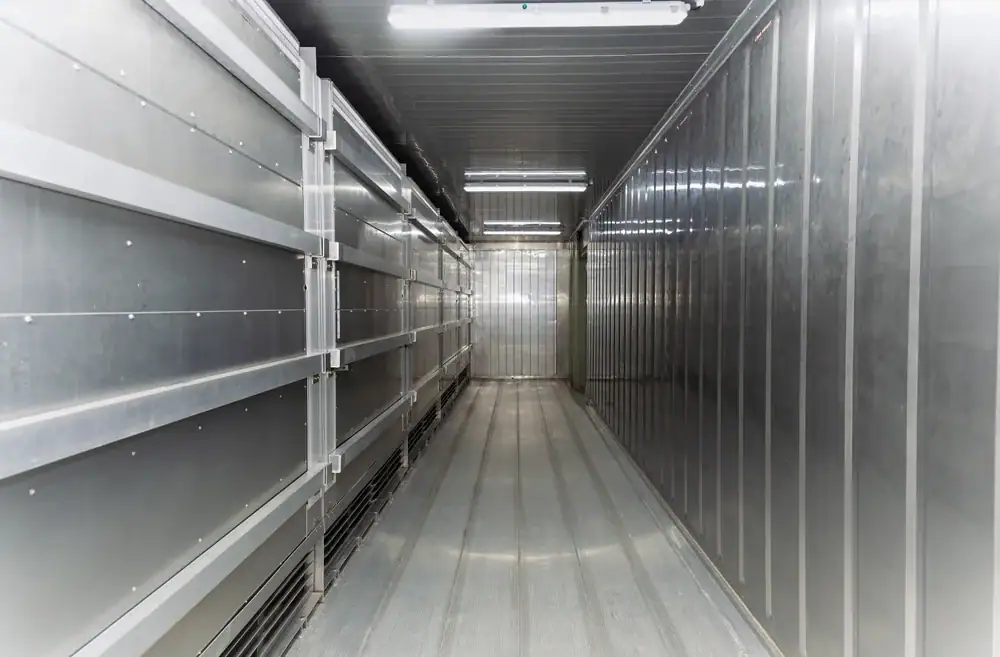
You’re not losing inventory at 9 PM on a Friday because your walk-in cooler decided to quit. You’re not scrambling to find a technician who can actually diagnose a compressor issue instead of just swapping parts and hoping. You’re not wondering if that reach-in refrigerator is going to pass the next health inspection.
Your food stays at safe temperatures. Your staff isn’t dealing with equipment drama during dinner rush. Your operating costs stay predictable because you’re maintaining systems before they fail, not after.
That’s what reliable commercial refrigeration looks like. Equipment that extends from the typical 10-year lifespan to 15 or 20 years because someone who knows what they’re doing has been maintaining it properly. Systems designed for Long Island’s summer heat and winter freeze cycles, not just pulled from a catalog. Repairs done with authentic manufacturer parts, not whatever’s cheapest.
When your refrigeration works the way it should, you focus on running your business instead of managing equipment crises.
We’ve been handling commercial refrigeration and marine HVAC across Nassau and Suffolk County since the early 1980s. That’s over 40 years of emergency calls, complex installations, and systems that other companies look at and walk away from.
We work with restaurants from North Great River to Montauk, delis throughout Long Island, catering halls, supermarkets, and medical facilities that need precise temperature control. No subcontractors. No surprises. Just EPA-certified technicians who’ve seen every configuration and failure mode you can imagine.
The Long Island food service industry has been brutal lately. Rising costs, changing consumer habits, and increased competition mean you can’t afford equipment that doesn’t perform. We get that because we’ve been here through multiple economic cycles, watching businesses succeed or fail based partly on whether their refrigeration systems held up.
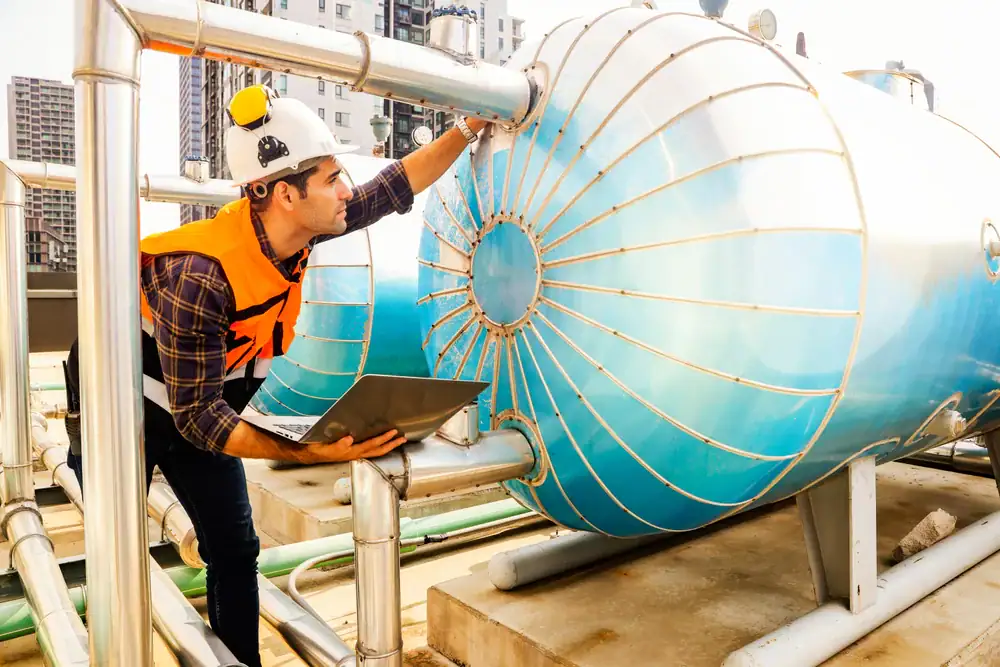
You reach out—phone, email, doesn’t matter—and talk to someone who understands commercial refrigeration, not a call center reading scripts. We ask about your equipment, your operation, and what’s actually happening. If it’s an emergency, we’re typically on-site within hours, not days.
Our technicians show up with extensive parts inventory because we’ve learned that “I’ll have to order that” is the last thing you want to hear when your walk-in freezer is warming up. We diagnose the actual problem, not just the obvious symptom, because a compressor that’s failing might be telling you about a refrigerant leak or an electrical issue upstream.
Before any work starts, you know what it costs. No hidden fees. No surprise charges when the job’s done. We explain what failed, why it failed, and what you can do to prevent it next time.
For installations, we assess your space and volume needs first. A system that works for a small deli doesn’t work for a catering hall doing 200-person events. We design for your actual requirements, not what’s easiest to install.
Maintenance contracts mean we’re checking your systems before they fail. Refrigerant levels, electrical connections, condenser coils, door seals—the components that cause problems when they’re neglected. You get priority service and discounted repair rates because we’d rather prevent failures than fix them.
Ready to get started?
Emergency refrigeration repairs mean we handle everything from walk-in coolers and reach-in units to ice machines and specialized beer systems. If it keeps things cold in a commercial setting, we work on it. That includes marine HVAC for yacht clubs and marinas throughout Suffolk County—systems that face salt air and constant humidity that destroy standard equipment.
New installations cover system design, equipment selection, and full setup. We’re not just hooking up whatever you bought online. We’re making sure your refrigeration capacity matches your actual needs, your electrical service can handle the load, and your layout makes sense for how your staff works.
Preventive maintenance extends equipment life and keeps you compliant with health department regulations. New York State requires food service operations to maintain specific temperatures, and inspectors don’t care that your equipment “usually works fine.” Regular maintenance means your systems consistently hit those targets.
North Great River businesses face the same challenges as the rest of Long Island’s food service industry—high rents, rising food costs, and customers who have endless options. Your refrigeration systems can’t be another problem on that list. When equipment fails during peak season or right before a major event, you’re not just losing inventory. You’re losing revenue, reputation, and the time you’d rather spend running your operation.
We also handle the specialized work that general HVAC companies won’t touch. Custom cooling solutions for food processing operations. Beer systems that require precise temperature control and CO2 management. Medical refrigeration that needs exact temperature consistency and monitoring.
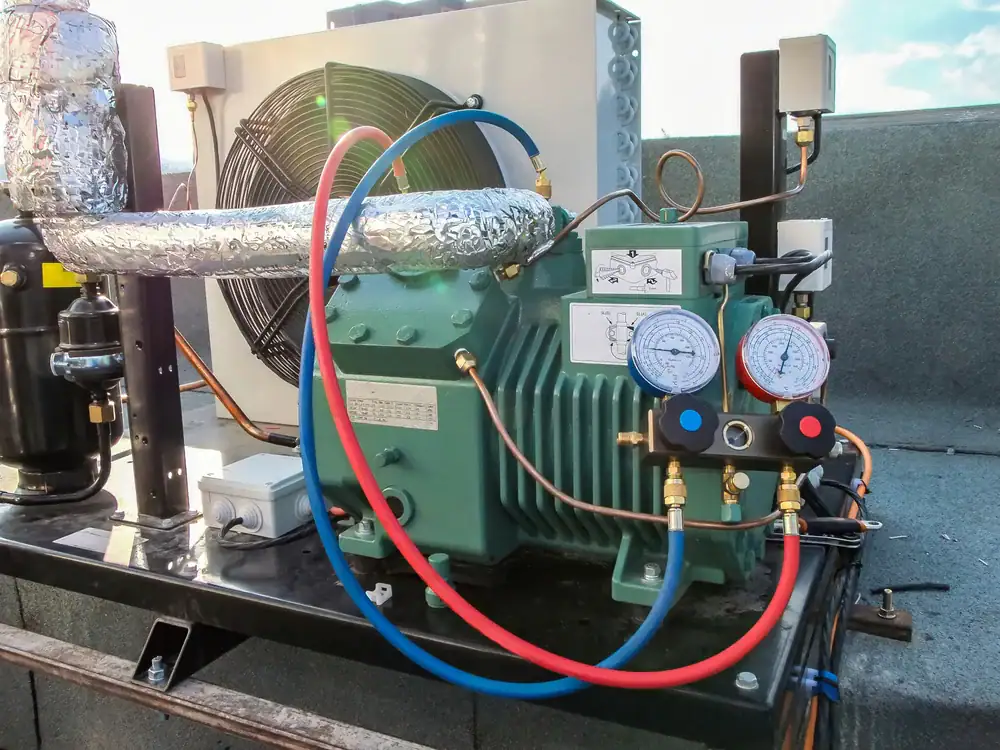
We offer 24/7 emergency service across Nassau and Suffolk County, and response time is typically within hours, not days. When you call at 8 PM on a Friday because your walk-in cooler is failing, we answer and dispatch a technician who’s actually available, not someone who might get there Monday morning.
Our technicians carry extensive parts inventory because we’ve learned that the most common failure points—compressors, condenser fan motors, thermostatic expansion valves, contactors—need to be in the truck, not ordered and shipped. That means same-day repairs are possible for many issues.
Fast response matters because every hour your refrigeration is down costs you money in spoiled inventory and lost revenue. A fully stocked walk-in cooler can represent thousands of dollars in food that’s now garbage if temperatures rise too long. We’ve seen restaurants lose entire weekends of prep work because someone couldn’t get there fast enough.
Repair makes sense when the core components—compressor, evaporator, condenser—are still solid and the failure is isolated to a specific part. If your condenser fan motor dies but everything else works fine, replacing that motor is straightforward and cost-effective. Same with thermostats, door gaskets, or electrical contactors.
Replacement becomes the better option when you’re looking at major component failure on equipment that’s already 10-15 years old, or when repair costs approach 50% of replacement cost. A compressor failure on a 12-year-old reach-in refrigerator might cost $1,500 to fix, but a new unit with better energy efficiency might be $3,000. At that point, you’re paying half the replacement cost for old technology that’ll likely have another failure soon.
New refrigeration equipment also needs to meet updated energy standards. Starting January 1, 2026, all new commercial refrigeration must use low Global Warming Potential refrigerants under the AIM Act. If you’re replacing equipment anyway, you’re getting systems that cost less to operate and meet upcoming regulations.
We’ll walk you through the actual numbers—repair cost, replacement cost, expected lifespan, and energy savings—so you can make the decision that makes sense for your operation and budget.
Regular maintenance catches small problems before they become expensive failures. Refrigerant levels that are slightly low make your compressor work harder, generating more heat and wearing out faster. Dirty condenser coils reduce heat transfer efficiency, forcing the system to run longer cycles. Worn door gaskets let warm air in, making the unit work constantly to maintain temperature.
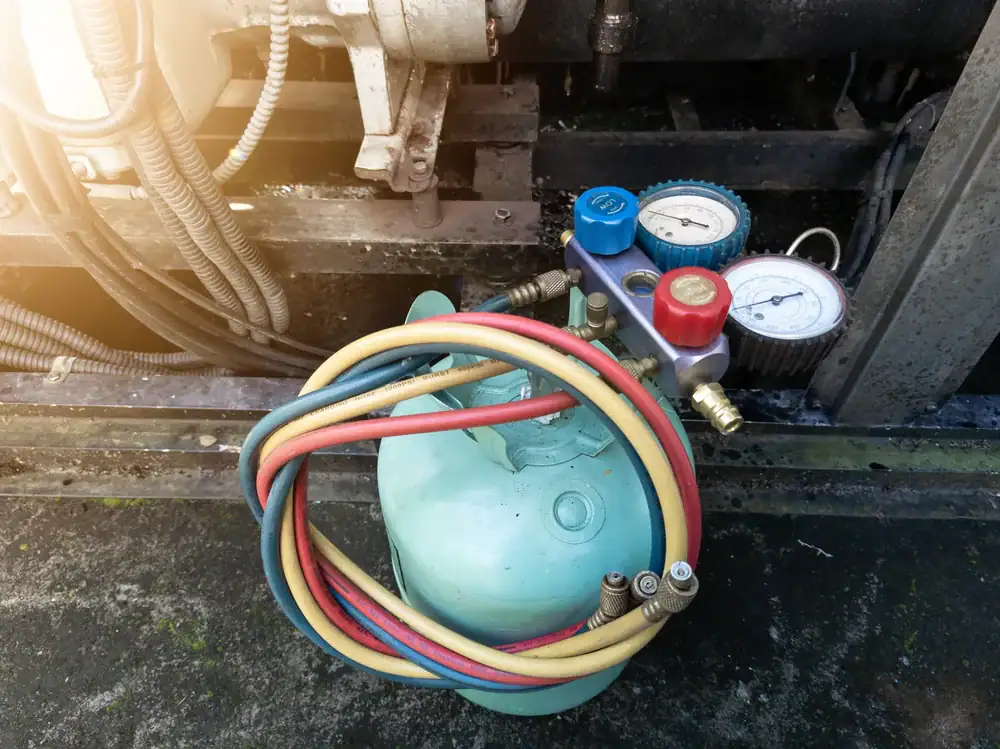
We check refrigerant charge, inspect electrical connections, clean condenser coils, test door seals, verify thermostat accuracy, and examine compressor operation. These aren’t complicated tasks, but they prevent the cascading failures that kill equipment early. A small refrigerant leak that’s caught and fixed during maintenance might cost $200. That same leak ignored for six months destroys a $2,000 compressor.
Properly maintained commercial refrigeration equipment regularly hits 15-20 years of service life instead of the typical 10 years. That’s because you’re addressing wear and tear incrementally instead of running equipment until something catastrophic fails. It’s also why maintenance contracts include priority service and discounted repairs—we’d rather spend 30 minutes on routine maintenance than three hours on an emergency compressor replacement.
Equipment that’s maintained also stays compliant with health department requirements. Temperature consistency matters for inspections, and systems that are serviced regularly don’t have the temperature swings that cause violations.
Neglected maintenance is the biggest killer. Condenser coils that haven’t been cleaned in years can’t dissipate heat properly, making compressors overheat and fail. Refrigerant leaks that go unnoticed slowly starve the system until it can’t maintain temperature. Electrical connections that loosen over time create resistance, generate heat, and eventually burn out contactors or damage compressor windings.
Long Island’s climate creates specific challenges. Summer heat means refrigeration systems work harder, and units that are marginal during spring completely fail during July and August. Winter freeze-thaw cycles affect outdoor condensing units, causing expansion and contraction that can crack refrigerant lines or loosen connections. Salt air near the coast corrodes electrical components and condenser coils faster than inland locations.
Overloading is another common issue. A reach-in refrigerator designed for moderate use gets packed solid during busy seasons, blocking airflow and making the unit run constantly. Walk-in coolers that are opened dozens of times per hour during dinner service let in massive amounts of warm, humid air that the system has to remove. Equipment that’s undersized for actual usage fails faster because it never gets rest cycles.
Door gaskets that aren’t replaced when they wear out let warm air infiltrate constantly. Staff propping doors open during loading, even briefly, forces systems to work much harder. These operational issues combine with deferred maintenance to create failures that could have been prevented.
Yes, and that’s actually where we separate from general HVAC companies. Beer systems require precise temperature control—typically 36-38°F at the tap—and proper CO2 pressure management. The glycol chillers, cooling lines, and dispensing equipment need someone who understands the whole system, not just the refrigeration components. We’ve installed and serviced beer systems for bars and restaurants throughout Nassau and Suffolk County.
Marine HVAC is another specialty that most companies won’t touch. Yacht clubs, marinas, and vessels need systems designed for constant humidity, salt air exposure, and vibration. Standard residential or commercial HVAC equipment fails quickly in marine environments. We use marine-grade components, proper corrosion protection, and installation methods that account for the unique challenges of marine applications.
We also handle custom cooling solutions for food processing operations, medical refrigeration that needs precise temperature monitoring, and specialized applications that don’t fit standard equipment categories. If you’ve called other companies and heard “we don’t really do that,” we probably do.
This expertise comes from 40+ years working with diverse commercial clients—airports, catering halls, delis, supermarkets, convenience stores, and operations that need refrigeration solutions beyond standard walk-in coolers and reach-in units. We’ve built our reputation on handling the complex work that others can’t or won’t do.
Actual emergency availability matters more than claimed emergency availability. Anyone can say they offer 24/7 service, but can they actually get someone to your location at 10 PM on a Saturday? Do their technicians carry parts inventory, or will they show up, diagnose the problem, and tell you they need to order parts?
EPA certification is legally required for anyone handling refrigerants, but it’s also a baseline indicator of competence. Technicians should hold EPA 608 certification and understand refrigeration systems, not just swap parts based on guesswork. You want someone who can diagnose why your compressor failed, not just replace the compressor and hope that fixes it.
Experience with your type of operation helps tremendously. A company that primarily does residential HVAC won’t understand the demands of a commercial kitchen during dinner rush. Someone who’s worked with restaurants, delis, and food service operations knows what failures look like, what causes them, and how to prevent them.
Transparent pricing means you know what repairs cost before work starts. No hidden fees. No surprise charges. No “well, we found additional problems” that double the bill without your approval. You should get a clear explanation of what failed, what needs to be fixed, and what it costs.
References and reviews from similar businesses tell you more than marketing claims. If a company has dozens of five-star reviews from restaurants and food service operations, that’s meaningful. If they can’t show you successful projects similar to yours, that’s a red flag.