
Hear from Our Customers
When your walk-in stops working at 9 PM on a Saturday, you’re not thinking about energy efficiency. You’re thinking about the $15,000 in seafood that’s warming up by the minute. You need someone who answers, shows up, and fixes it.
That’s the baseline. But here’s what happens after that initial panic: you realize your refrigeration system has been costing you money for months. Dirty coils making your compressor work overtime. Temperature swings you didn’t catch. Energy bills creeping up because nobody’s been paying attention.
Commercial refrigeration in Northwest Harbor isn’t the same as refrigeration anywhere else. Salt air eats outdoor components. Summer humidity makes condensers work double. Your equipment takes a beating, and if it’s not maintained right, you’ll replace it years before you should. The businesses that last here know this. They don’t wait for breakdowns.
We’ve been handling commercial refrigeration and marine HVAC across Long Island for over 40 years. That’s not a tagline. It means we’ve seen every failure point, every seasonal issue, every brand’s weak spot.
We work with restaurants, yacht clubs, airports, catering halls, and delis throughout Northwest Harbor and the Greater New York area. Our technicians don’t subcontract. They’re certified, experienced, and they’ve probably already fixed the exact problem you’re dealing with.
You’ll find dozens of five-star reviews because we show up when we say we will, we explain what’s wrong in plain terms, and we don’t sell you equipment you don’t need. Northwest Harbor businesses deal with enough—salt corrosion, tourist season pressure, health inspections. Your refrigeration service shouldn’t add to that list.
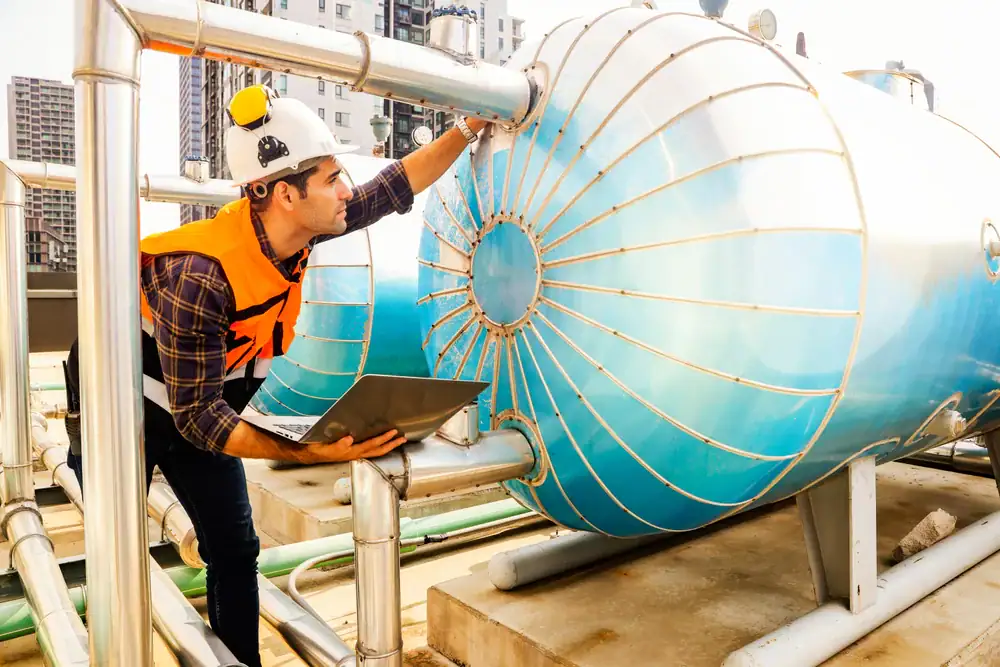
It starts with a free estimate. You tell us what’s not working or what you need installed. We come out, assess your space, your electrical setup, your actual cooling requirements—not just what you think you need. A lot of businesses are running oversized or undersized systems because someone guessed wrong years ago.
If it’s an installation, we handle permits, health department compliance, electrical connections, and staff training. You get one point of contact. No coordination nightmares. If it’s a repair, about 70% of our emergency calls get fixed on the first visit. We stock common parts for major brands. For the other 30%, we get you a temporary fix so you stay operational while we order what’s needed.
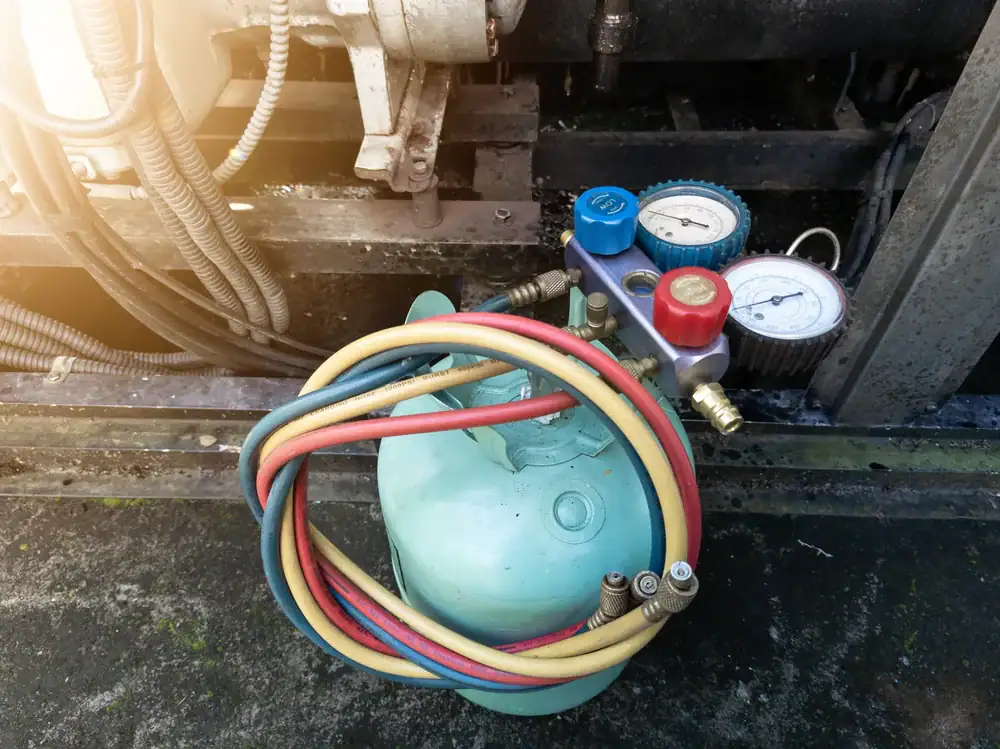
After the install or repair, we walk you through maintenance scheduling. Most quality commercial refrigeration systems last 10 to 15 years with proper care. Our maintenance customers routinely push past 15. That’s not luck—it’s quarterly coil cleanings, refrigerant checks, and catching small problems before they become expensive ones.
Ready to get started?
You get 24/7 emergency response. Not an answering service—actual technicians who pick up and can walk you through immediate steps while driving to your location. Refrigeration emergencies don’t wait for Monday morning, and neither do we.
You get energy-efficient system recommendations. Modern commercial refrigeration uses 20 to 40% less energy than equipment from ten years ago. If your system is older, you’re paying hundreds extra every month in utility costs. We’ll tell you when replacement makes financial sense and when repair is smarter.
You get marine-grade expertise if you’re near the water. Yacht clubs, marinas, waterfront restaurants—these need systems built to handle saltwater corrosion and constant humidity. We’ve worked with facilities from Montauk to Manhattan. We know what fails first in coastal environments and how to prevent it.
You get transparent pricing. Free estimates. No hidden fees. If something costs more than quoted, we explain why before doing the work. Northwest Harbor businesses have been burned by contractors who lowball estimates then inflate invoices. We don’t operate that way.
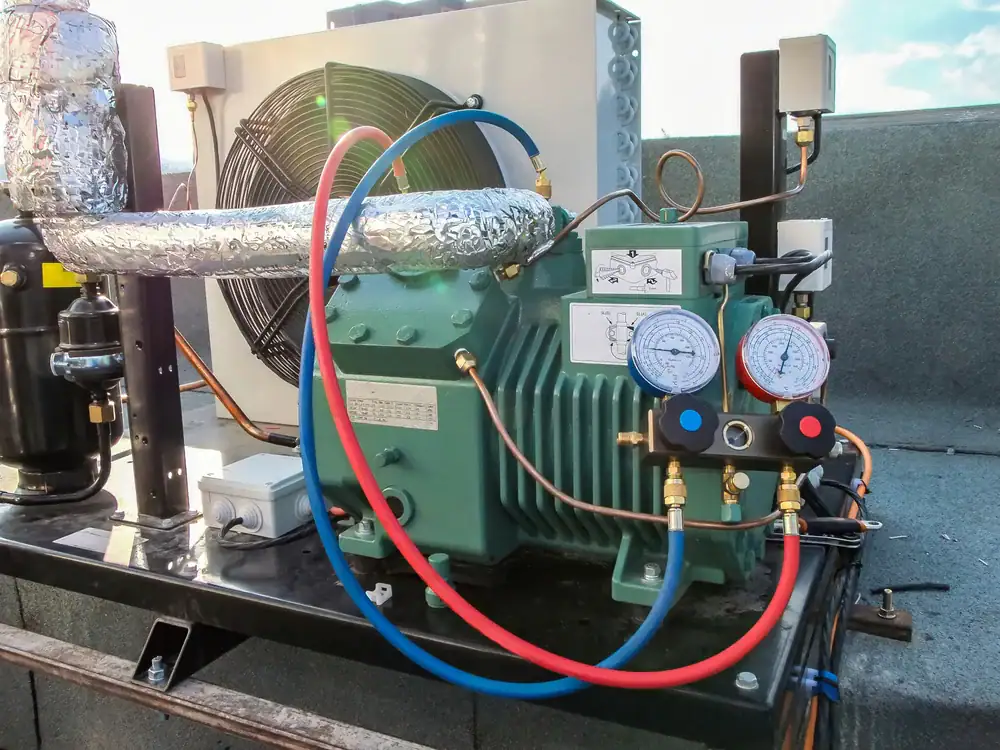
We run emergency service 24/7, 365 days a year. When you call, you’re talking to someone who can help immediately—not a call center. Response time depends on where our trucks are, but for Northwest Harbor, we’re typically on-site within an hour for true emergencies.
Here’s what actually happens: you call, explain the problem, and we start troubleshooting over the phone. Sometimes we can walk you through a temporary fix that buys you time. Either way, a technician is already driving to you. Our trucks stock common parts for most major brands, so there’s a good chance we’ll have what’s needed to get you running again that same visit.
If it’s a complex issue requiring specialty parts, we’ll get you a temporary solution to protect your inventory while we order what’s needed. The goal is always the same: keep your product cold and your business operating.
Quarterly visits where we clean condenser coils, check refrigerant levels, inspect electrical connections, test temperature controls, and examine door seals and gaskets. Dirty coils alone can make your compressor work 40% harder and fail years earlier. Most breakdowns we see could’ve been prevented with basic maintenance.
During each visit, we’re also looking for early warning signs—unusual noises, temperature inconsistencies, worn components that haven’t failed yet but will soon. Catching these early means you schedule repairs on your timeline, not during your busiest service hours.
Maintenance customers get priority scheduling for repairs and typically see 15+ years from their equipment. Without maintenance, you’re looking at 8 to 10 years before major failures. The cost difference isn’t even close. You’ll spend more on one emergency compressor replacement than you would on years of maintenance visits.
If your system is under 8 years old and the repair costs less than half of replacement, repair usually makes sense. If it’s over 12 years old and you’re looking at a major component failure—compressor, condenser, evaporator—replacement often pays for itself in energy savings within a few years.
Here’s the honest math: older systems use significantly more electricity. A new energy-efficient commercial refrigeration system can cut your cooling costs by 30% or more. Add in the fact that you’re likely facing more frequent repairs as components age, and replacement becomes the smarter financial move.
We’ll never push you toward the more expensive option. We’ll show you the actual numbers—repair cost versus replacement cost, current energy consumption versus projected savings, expected lifespan of repaired equipment. You make the call based on real information, not a sales pitch.
Salt air corrodes outdoor components faster than normal wear and tear. Condenser coils, electrical connections, and metal housings all deteriorate quicker in coastal environments. Northwest Harbor’s proximity to the water means your equipment is constantly exposed to corrosive salt particles carried by wind and humidity.
Condensers work by releasing heat outside. When coils get coated in salt residue, they can’t release heat efficiently. Your system runs longer cycles, works harder, uses more energy, and wears out faster. Standard maintenance schedules don’t account for this. Coastal equipment needs more frequent coil cleanings—quarterly instead of annually.
Marine-grade systems use corrosion-resistant materials and protective coatings, but even these need proper maintenance. If your refrigeration system is within a mile of saltwater and you’re not cleaning coils every few months, you’re shortening its lifespan significantly. We see this constantly with businesses that moved to Northwest Harbor and didn’t adjust their maintenance approach.
It depends entirely on your menu, storage needs, and kitchen layout. A seafood restaurant storing fresh catch needs different capacity and temperature control than a pizzeria. Walk-in coolers make sense for high-volume operations. Reach-in units work better for smaller spaces or specific prep stations.
Energy efficiency should be a major factor. Restaurant refrigeration runs constantly, and in Northwest Harbor’s humid summers, systems work even harder. An inefficient setup can add $200 to $400 monthly to your utility bills. We calculate actual cooling requirements based on your space, not generic recommendations.
You also need to think about health department compliance. Nassau and Suffolk Counties have specific requirements for food service refrigeration—temperature monitoring, backup systems for certain operations, maintenance documentation. We handle all of that during installation. Your system will pass inspection because we built it to code from the start. Most problems we see come from businesses that didn’t plan for local regulations and had to retrofit solutions later.
Yes. Marine HVAC and refrigeration is actually one of our specializations. We work with yacht clubs throughout Long Island, including Britannia Yacht Club, handling everything from small boat systems to full yacht climate control. Marine systems are more complex than land-based commercial refrigeration because of space constraints, limited electrical capacity, constant motion, and harsh saltwater conditions.
Boat refrigeration systems can’t just be scaled-down versions of commercial units. They need to handle power limitations, operate efficiently on generator or battery power, fit in tight spaces, and survive constant humidity and salt exposure. Most HVAC companies don’t understand these requirements. We’ve been doing this for over 40 years.
If you’re docked in Northwest Harbor or anywhere on Long Island and your boat’s refrigeration or air conditioning isn’t working right, we can diagnose and fix it. We also do new installations for boat owners upgrading their systems or adding cooling capacity. Marine work requires different parts, different expertise, and an understanding of how boats actually operate. That’s what we bring.