
Hear from Our Customers
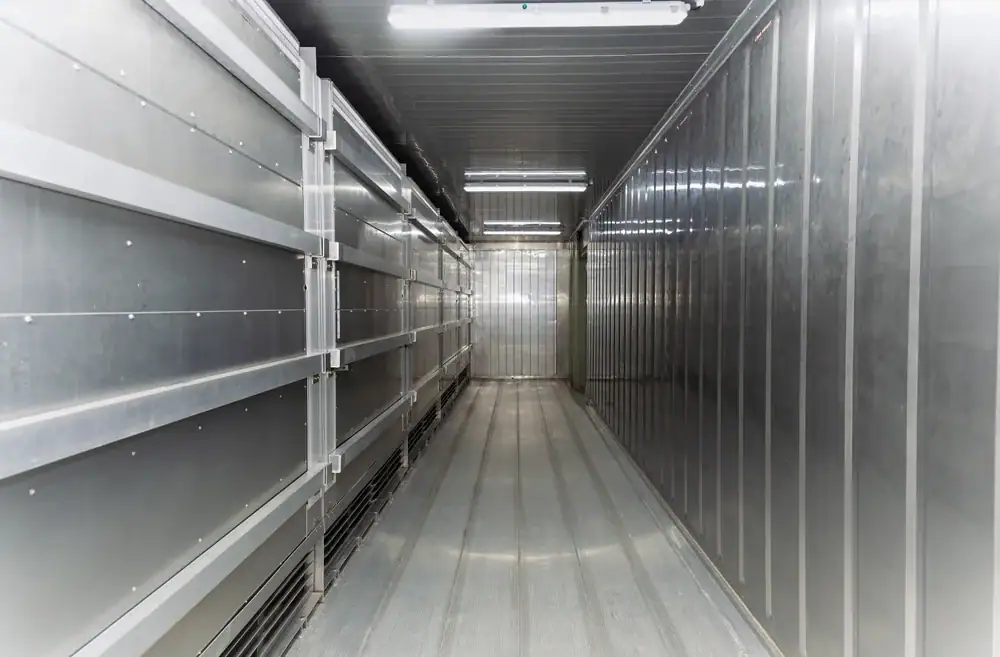
When your walk-in cooler holds temperature all night, you’re not throwing away product at 6 AM. When your reach-in units cycle properly, your energy bill isn’t climbing every month for no reason. When your ice machine runs clean, the health inspector isn’t writing you up.
That’s what reliable commercial refrigeration looks like. No surprises. No panic calls. No wondering if tonight’s the night something goes down during your dinner rush.
Most refrigeration problems don’t announce themselves. Your compressor starts working harder. Your door seals let cold air leak. Your condenser coils collect dust and salt from the coastal air here in Port Jefferson Station. Then one day, the whole system quits—and suddenly you’re looking at thousands in spoiled inventory and lost revenue.
The difference between a minor fix and a total failure usually comes down to whether someone’s been paying attention. Regular refrigeration maintenance catches the small stuff before it turns into the expensive stuff. Clean coils, tight seals, proper refrigerant levels—these aren’t luxuries. They’re what keep your equipment running when you need it most.
We’ve been handling commercial refrigeration and marine HVAC across Long Island since the early 1980s. We’ve seen every type of failure, every brand of equipment, and every kind of emergency a food service business can face.
Port Jefferson Station sits right in our service area. We know how the salt air affects condenser coils in this part of Suffolk County. We know which equipment holds up in coastal humidity and which brands give out early. We’ve worked with restaurants on Main Street, delis near the harbor, and catering operations throughout the area.
When you call, you’re talking to technicians who’ve been doing this work for decades—not a call center three states away. Our trucks stay stocked with parts for the equipment you actually use. We show up when we say we will, and we don’t leave until your system’s working right.
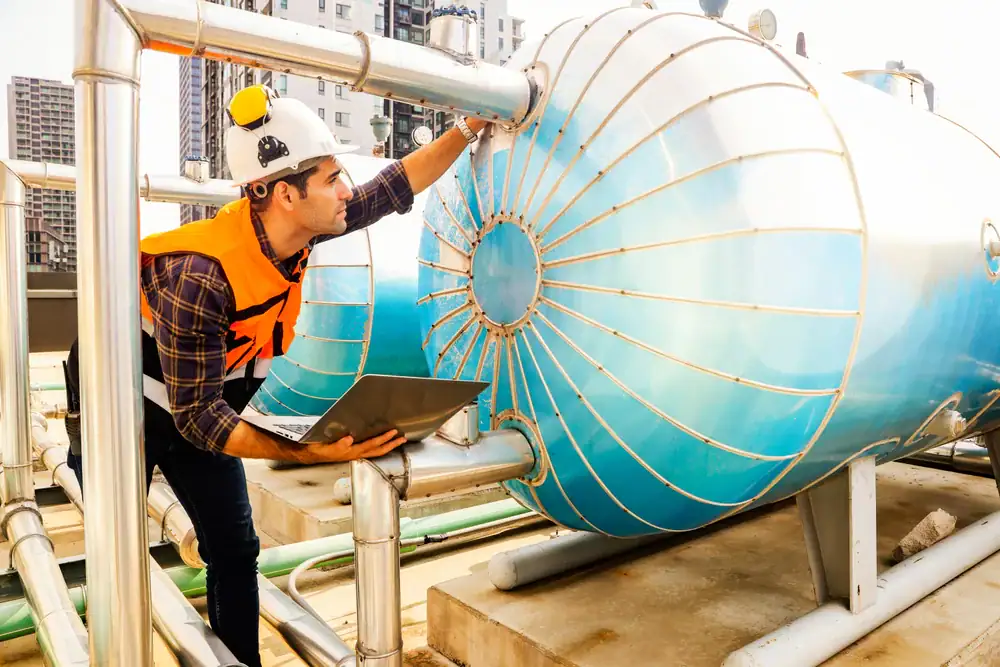
You call or text, and someone who knows refrigeration systems picks up. Not an answering service—an actual technician who can tell you whether this is a “schedule it next week” situation or a “we’re coming now” emergency.
If it’s urgent, we dispatch immediately. Our service area covers Port Jefferson Station and surrounding Suffolk County communities, so response times stay reasonable even during peak hours. The truck that shows up carries the parts that fail most often—compressor components, thermostats, door gaskets, fan motors, refrigerant.
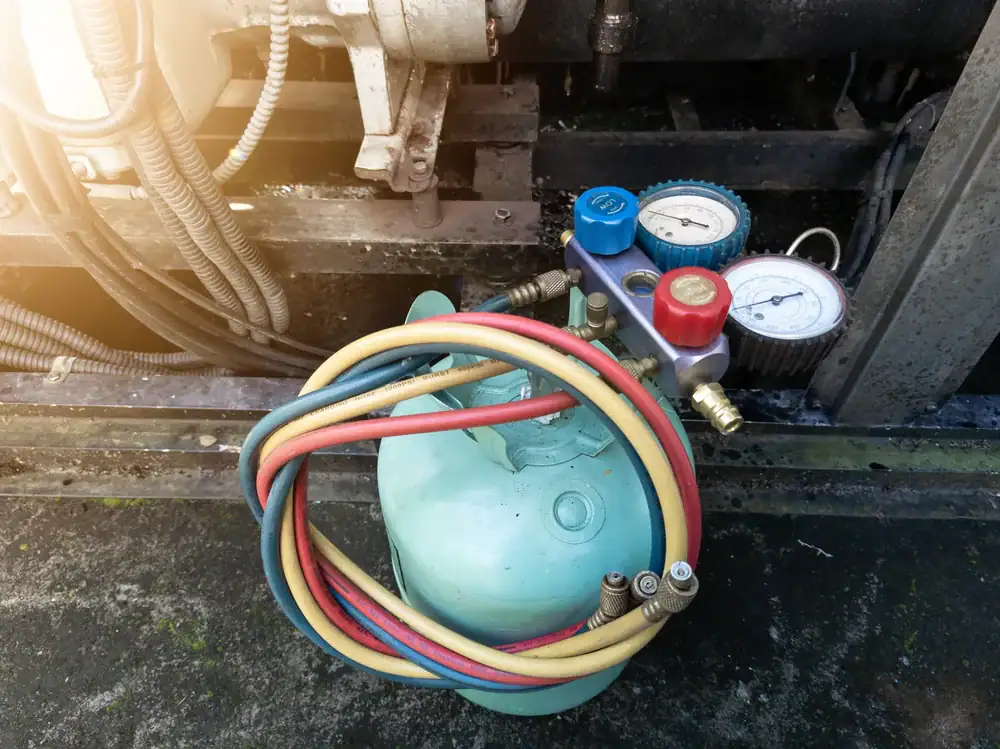
Once we’re on site, the diagnostic process is straightforward. We check refrigerant levels, test electrical components, inspect coils and seals, and measure temperatures. Most problems fall into predictable categories: dirty coils, worn seals, refrigerant leaks, or failed compressor parts.
If we can fix it on the spot, we do. If you need a part we don’t carry, we tell you exactly what’s required, how long it’ll take, and what it costs. No vague estimates. No surprise charges later.
For new refrigeration installation or system replacements, we start with what you actually need—not what’s easiest to sell. Walk-in coolers, reach-in refrigerators, ice machines, beer systems—we size equipment based on your space, your volume, and your budget. Then we install it right the first time, so you’re not calling us back in six months with problems that shouldn’t exist.
Ready to get started?
When we service your commercial refrigeration equipment, you’re getting a full system check—not just a quick look at whatever’s making noise. We clean condenser coils, check refrigerant charge, test door seals, inspect electrical connections, and verify that temperatures stay where they should.
Port Jefferson Station’s location near the water means your equipment works harder than systems inland. Salt air corrodes faster. Humidity puts extra load on compressors. Temperature swings between summer and winter stress components that might last longer elsewhere. We account for all of that during service calls.
For emergency refrigeration repairs, speed matters, but so does accuracy. Swapping a part without understanding why it failed just means you’ll see the same problem again in a few months. We fix the root cause—whether that’s a refrigerant leak, a failing compressor, or something as simple as a clogged drain line that’s been icing up your evaporator.
Refrigeration maintenance plans make sense if you want to avoid emergencies altogether. We schedule regular service visits, keep your coils clean, catch small problems early, and keep records of what we’ve done. Equipment that gets maintained properly runs 25% more efficiently and lasts years longer than systems that only get attention when they break.
New refrigeration installation projects get the same approach. We’re not here to oversell you on capacity you don’t need or features you won’t use. A restaurant in Port Jefferson Station has different requirements than a deli or a catering hall. We match the equipment to the application, install it correctly, and make sure you understand how to keep it running.
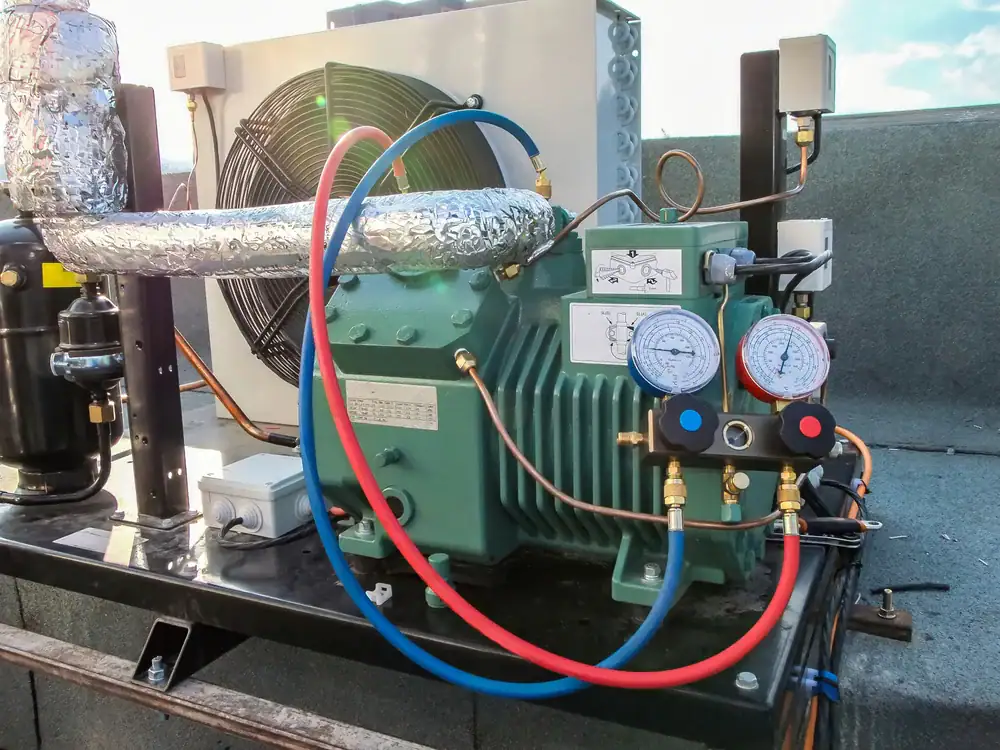
If you call with an emergency—meaning your system’s down and you’ve got product at risk—we dispatch immediately. Response time depends on where our trucks are when you call, but most emergency calls in Port Jefferson Station get a technician on site within a couple of hours.
We don’t use an answering service. When you call our emergency line, you’re talking to someone who can assess the situation and make the call about how fast we need to move. A walk-in cooler that’s climbing toward 50 degrees on a Saturday night gets priority over an ice machine that’s running slow.
Our trucks stay stocked with common parts, so about 70% of emergency repairs get completed the same day. The other 30% usually involve specialized components that we source as quickly as possible—and in the meantime, we’ll do what we can to keep your system limping along until the right part arrives.
A proper maintenance visit covers the components that actually affect performance and lifespan. We clean condenser coils, because dirty coils make your compressor work 40% harder and fail years earlier. We check refrigerant levels and look for leaks. We test door seals and gaskets, since even small air leaks waste energy and strain the system.
We also inspect electrical connections, verify that temperatures match your thermostat settings, check drain lines for clogs, and test safety controls. If we spot something that’s wearing out—a fan motor that’s getting noisy, a seal that’s starting to crack—we let you know before it fails.
The whole visit takes about an hour for most systems. You get a written report of what we found and what we did. If something needs attention soon, we’ll tell you what it is, why it matters, and what happens if you wait. No pressure, just information so you can make the call.
With regular maintenance, quality commercial refrigeration equipment typically lasts 10 to 15 years. Some systems push past 15 if they’re well-maintained and don’t get overworked. Systems that never see maintenance often fail around the 7- to 10-year mark.
The biggest factor is how hard the equipment has to work. A unit that’s properly sized for the space, kept clean, and serviced regularly will outlast an undersized system that runs constantly and never gets its coils cleaned. Location matters too—equipment in Port Jefferson Station deals with salt air and humidity that accelerate wear on certain components.
Compressors usually fail first, especially if coils stay dirty or refrigerant levels drop. Door seals and gaskets wear out from constant use. Fans and motors eventually give out. The good news is that most of these components can be replaced without scrapping the whole system, as long as the failure gets caught before it damages other parts.
Dirty condenser coils cause more breakdowns than anything else. When coils get caked with dust, grease, and salt residue, your compressor has to work much harder to move heat. That extra strain shortens compressor life and drives up energy costs until something finally gives out.
Refrigerant leaks are the second most common problem. A slow leak drops your cooling capacity gradually, so you might not notice until the system can’t keep up anymore. By then, the compressor’s been overworking for weeks or months trying to compensate.
Worn door seals let warm air in constantly, which makes the system cycle more often and work harder every time it runs. Failed thermostats, clogged drain lines, and electrical issues round out the usual suspects. Most of these problems are preventable with regular maintenance, which is why businesses that skip service calls end up spending more on emergency repairs.
Yes. We service all major commercial refrigeration brands—True, Turbo Air, Beverage-Air, Delfield, Hoshizaki, Manitowoc, and others. After 40 years in the business, our technicians have seen just about every model and configuration that’s commonly used in food service.
Some brands are easier to work on than others. Some hold up better in coastal environments like Port Jefferson Station. Some have parts that are readily available, while others require special orders. We’ll tell you honestly what we think of your equipment and whether it’s worth repairing or if you’re better off replacing it.
If you’re buying new equipment and want recommendations, we can point you toward brands that have proven reliable in our experience. We don’t sell equipment directly, so there’s no incentive to push you toward one manufacturer over another. We just install and service whatever you choose, and we’ll make sure it’s set up correctly from day one.
Service call fees in our area typically run between $150 and $250, which covers the diagnostic visit. If we find the problem and fix it on the spot with parts we’re carrying, you’re looking at anywhere from $300 to $800 for most common repairs—things like replacing a fan motor, fixing a refrigerant leak, or swapping out a thermostat.
Compressor replacements cost more, usually $1,500 to $3,500 depending on the size and type of system. Walk-in cooler repairs vary widely based on what’s failed and how big the unit is. Ice machine repairs tend to fall in the $400 to $1,200 range for typical problems.
We give you a clear price before we do the work. If it’s something we can fix right away, we’ll tell you the cost on the spot. If we need to order parts or do more extensive work, you get a written estimate. No hidden fees, no surprise charges later. You know what you’re paying and why before we start.
Other Services we provide in Port Jefferson Station