
Hear from Our Customers
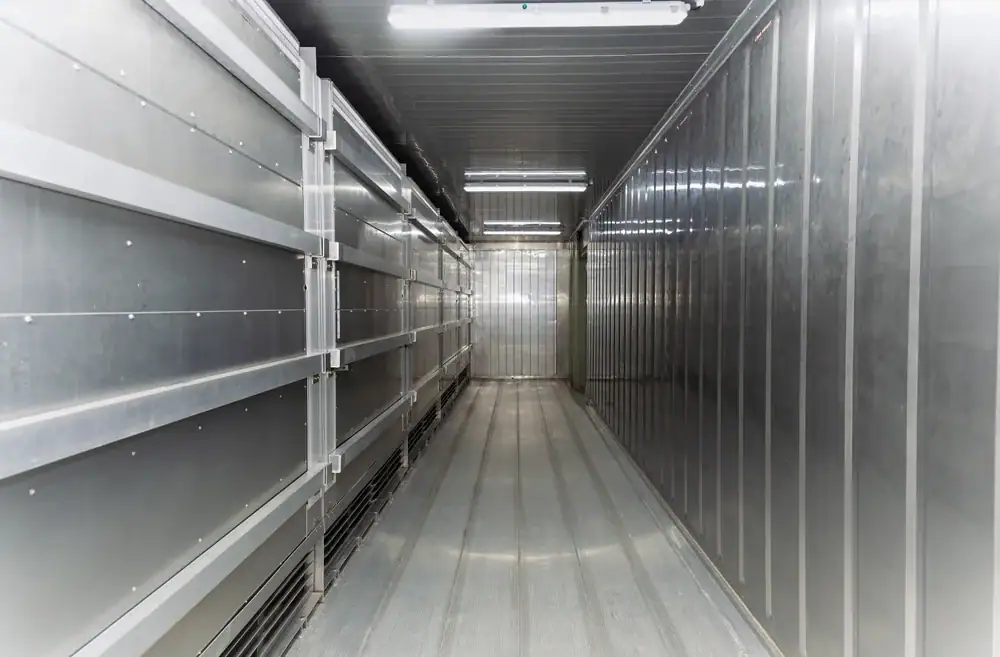
Your walk-in cooler doesn’t care that it’s Saturday night during your dinner rush. It doesn’t care that you just stocked $8,000 worth of seafood. When it goes down, you’re scrambling to save product, calling every number you can find, and watching your weekend profits disappear.
That’s where most refrigeration companies in Islip leave you hanging. They show up when they show up. They quote you for parts they don’t have in stock. They patch the problem and you’re calling them again in three weeks.
We stock parts for every major brand on our trucks. We understand that equipment near the water needs marine-grade components, not standard coils that corrode in half the time. And when you call with an emergency, we actually answer. Most repairs get completed same day because we’re not running back to a warehouse or ordering parts from a supplier two states away.
Your refrigeration system either works or it doesn’t. There’s no in-between when you’re running a restaurant, deli, or catering operation in Islip. You need someone who shows up prepared, fixes it right, and doesn’t leave you guessing when the next breakdown is coming.
We’ve been installing and servicing commercial refrigeration systems across Nassau and Suffolk County for over 40 years. That means we’ve seen what the salt air does to standard equipment along the waterfront. We know which systems hold up in Islip’s summer heat and which ones fail when you need them most.
Our technicians are EPA certified and carry the licenses and insurance you’d expect from a legitimate commercial contractor. We work with restaurants near the marina, delis on Main Street, catering halls, and airport food service operations throughout the area.
You’ll find dozens of five-star reviews from businesses that needed their refrigeration fixed right, not just temporarily patched. We’re not the cheapest option in Islip, and that’s intentional. You’re paying for technicians who know the difference between a quick fix and a lasting repair, and for a company that actually picks up the phone at 2 AM when your compressor dies.
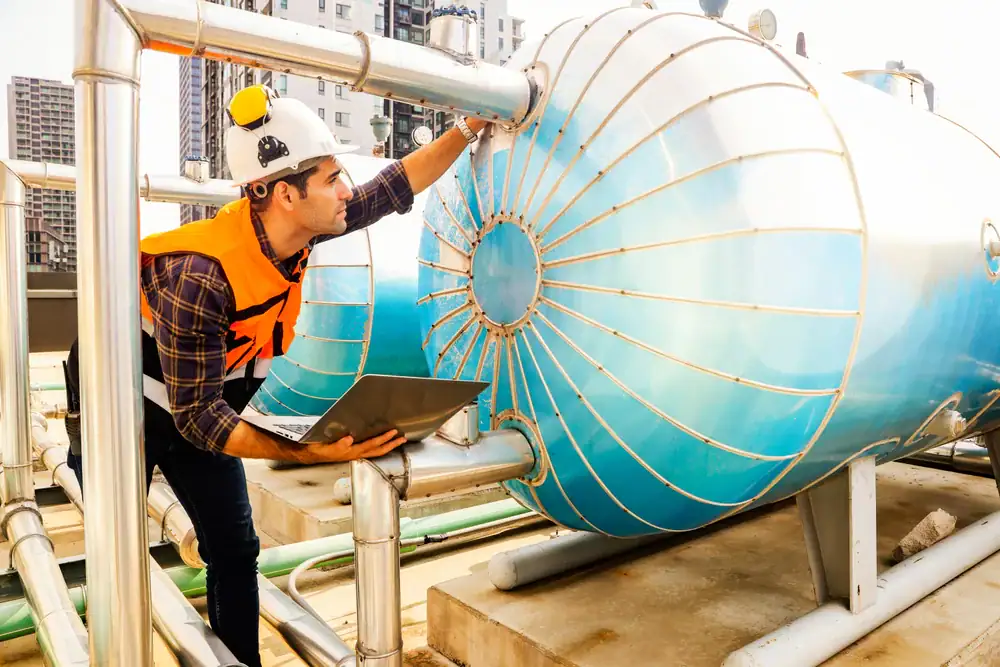
When your refrigeration system fails or you need a new installation, you call us for a free estimate. We ask the right questions upfront so we know what we’re walking into and what parts to bring.
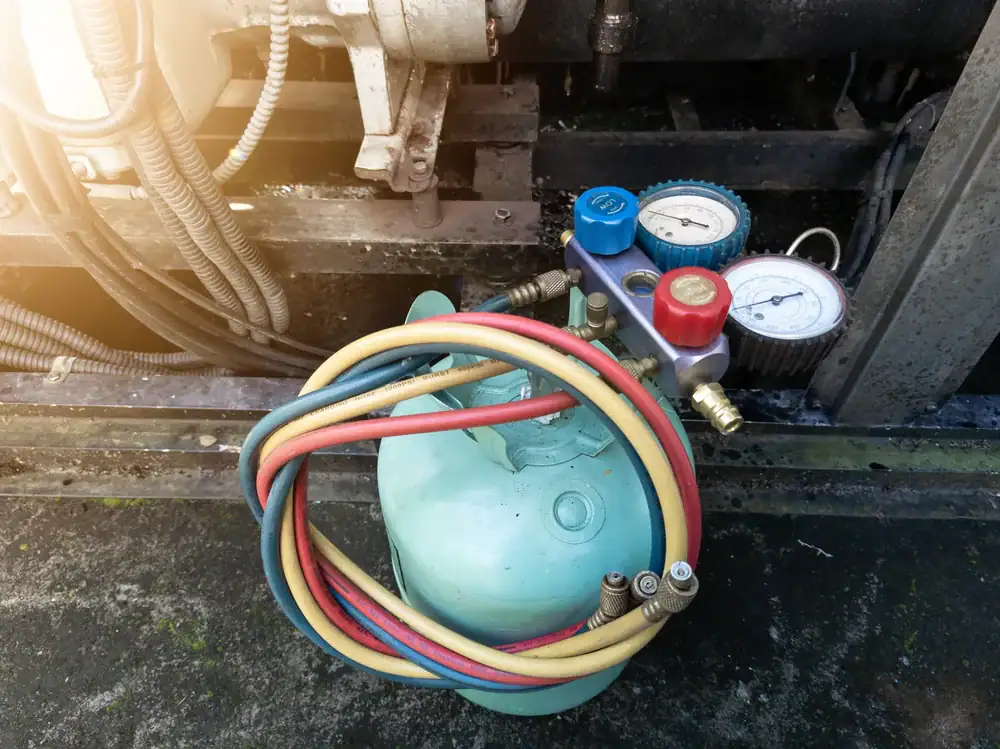
For emergency repairs, we typically arrive within one to two hours. Our trucks carry components for Hoshizaki, True, and every other major brand, so we’re completing most repairs on the first visit. We diagnose the actual problem, not just the obvious symptom, because fixing the compressor doesn’t help if your real issue is a refrigerant leak that’s been slowly killing the system for months.
For new installations, we assess your space, your volume, and your specific needs. A restaurant near the water needs different equipment than a deli in Central Islip. We recommend systems that match your operation and your budget, then handle the installation with the same crew that will service it later.
After the work is done, you get transparent pricing with no surprise charges. If you’re on one of our maintenance programs, we’re back quarterly to catch small problems before they become expensive emergencies. Our maintenance customers routinely get 15-plus years from their equipment because we’re not waiting for things to break.
Ready to get started?
You get technicians who understand that Islip’s coastal location destroys standard refrigeration components faster than inland equipment. We install marine-grade coils with protective coatings on waterfront properties because we’ve seen what happens when you don’t.
You get 24/7 emergency response that actually means something. When your system goes down on a holiday weekend, we’re answering the phone and dispatching a truck, not sending you to voicemail until Tuesday.
You get energy-efficient installations that can cut your refrigeration costs by 20 to 40 percent compared to older equipment. When refrigeration accounts for up to 60 percent of your total energy use, that’s real money back in your operation every month.
You get compliance support for health department inspections. We know the regulations around refrigerated storage temperatures and proper equipment maintenance. Our installations meet NSF standards and our service records document that you’re maintaining equipment properly.
And you get honest recommendations. If your 20-year-old walk-in cooler needs a $3,000 repair but a new system makes more financial sense, we’ll tell you. We’re not here to sell you equipment you don’t need or patch systems that should be replaced.
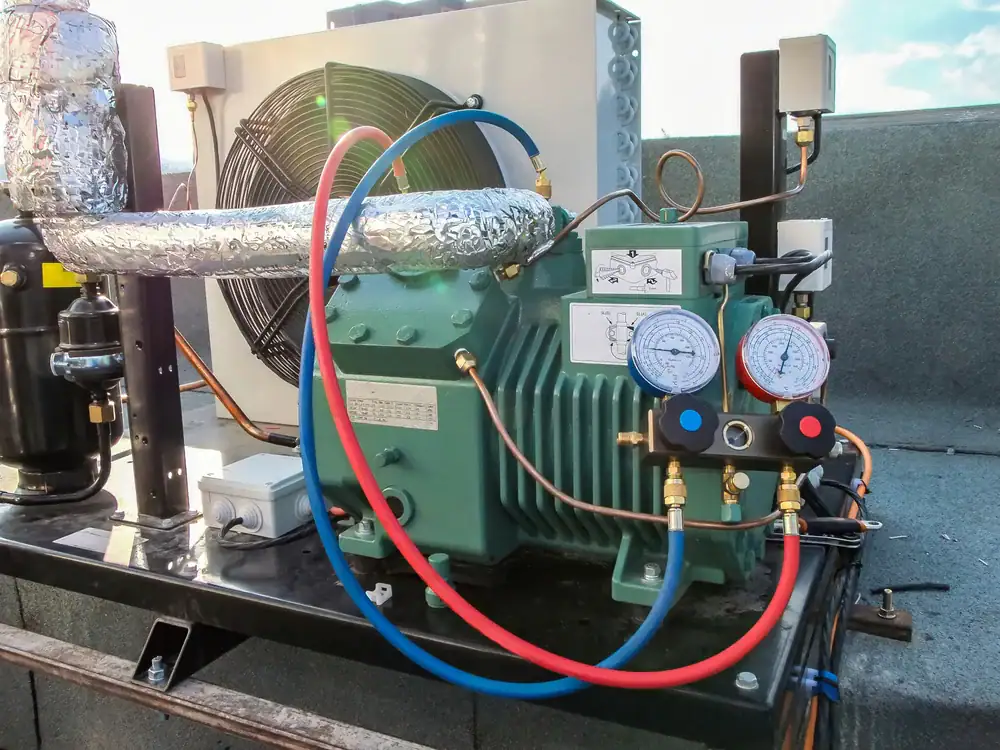
We typically arrive within one to two hours for emergency refrigeration calls in Islip and throughout Long Island. Our 24/7 availability isn’t just a phone service that takes messages—we dispatch actual technicians with fully stocked trucks, even on weekends and holidays.
When your walk-in cooler fails at 10 PM on a Saturday, every hour matters. We’ve seen businesses lose $15,000 in inventory from a single overnight failure. That’s why our trucks carry parts for every major brand, and our technicians have the diagnostic experience to identify problems quickly.
Most emergency repairs get completed the same day we arrive because we’re not making multiple trips for parts or waiting on suppliers. We fix the immediate problem, but we also identify what caused the failure so you’re not calling us back in two weeks with the same issue.
Salt air is brutal on standard refrigeration equipment. The corrosive environment near the water destroys condenser coils, electrical connections, and metal components in roughly half the time you’d see inland. We’ve pulled apart systems that were only five years old but looked like they’d been running for fifteen.
Standard coils don’t have the protective coatings needed for marine environments. When salt accumulates on the condenser, it restricts airflow and forces your compressor to work harder, which increases your energy costs and accelerates wear. Eventually, the corrosion causes refrigerant leaks or complete system failure.
That’s why we install marine-grade components on properties near the water. These systems use coated coils and corrosion-resistant materials designed for harsh environments. Yes, they cost more upfront, but you’re not replacing your entire system every seven years because the salt air ate through everything. For restaurants, delis, and yacht clubs along the waterfront, it’s the only approach that makes financial sense.
Modern commercial refrigeration systems use 20 to 40 percent less energy than equipment that’s 10 to 15 years old. For a typical restaurant or deli in Islip where refrigeration accounts for 40 to 60 percent of total energy use, that translates to hundreds of dollars saved every month.
The new DOE efficiency standards taking effect by 2029 require a 15 percent jump in equipment efficiency. If you’re running older systems, you’re paying significantly more in utility costs than your competition with newer equipment. Over a five-year period, the energy savings often cover a substantial portion of the new system cost.
We calculate actual energy savings during our estimates so you can see real numbers, not vague promises. Some of our clients have seen their refrigeration-related utility costs drop by $400 to $600 monthly after upgrading from 20-year-old equipment. When you factor in fewer repairs and less downtime, the return on investment usually makes sense within three to four years.
A legitimate maintenance program should include quarterly inspections that actually prevent problems, not just check boxes on a form. Your technician should be testing refrigerant levels, checking electrical connections, cleaning condenser coils, inspecting door seals, and verifying that temperatures stay within health code requirements.
You want a program that catches small issues before they become expensive emergencies. A failing fan motor that gets identified during a routine visit costs $300 to replace. That same motor failing completely on a Friday night can take down your entire system and cost you thousands in emergency repairs plus lost inventory.
Our maintenance customers get priority scheduling for any service calls and detailed records of every inspection. Those records matter during health department visits and when you’re trying to maximize the lifespan of expensive equipment. We’ve seen well-maintained systems run reliably for 15-plus years, while neglected equipment often fails within seven to ten years. The maintenance program pays for itself if it prevents even one major breakdown per year.
Yes. We service and repair all major commercial refrigeration brands including Hoshizaki, True, Turbo Air, Beverage-Air, Delfield, and every other manufacturer you’ll find in restaurants, delis, and food service operations across Islip.
Our trucks stock parts for the most common brands so we’re completing repairs on the first visit rather than ordering components and coming back days later. For less common equipment or specialized systems, we have access to parts suppliers throughout the region and can usually get what we need within 24 hours.
We’ve been doing this for over 40 years, which means we’ve worked on just about every refrigeration system that’s been installed on Long Island. That experience matters when you’re diagnosing complex problems or working on older equipment where parts aren’t readily available. We know which components fail first, which repairs actually last, and when you’re better off replacing a system rather than sinking more money into repairs.
The most common violation is inadequate temperature control. Health codes require refrigerated storage to maintain temperatures below 45°F, and inspectors check this during every visit. If your walk-in cooler or reach-in units aren’t holding proper temps, you’re getting a critical violation that can shut you down until it’s fixed.
Improper equipment maintenance also triggers violations. Dirty condenser coils, broken door seals, and malfunctioning thermometers all indicate that you’re not maintaining equipment properly. Inspectors know these issues affect food safety, and they document everything.
We help businesses stay compliant by installing calibrated thermometers, maintaining detailed service records, and making sure equipment consistently holds the right temperatures. During our maintenance visits, we’re checking the same things health inspectors look for, so you’re not surprised during an inspection. If your refrigeration system is struggling to maintain temperature or you’re seeing inconsistent readings, that’s a problem you need fixed before an inspector shows up, not after.