Hear from Our Customers
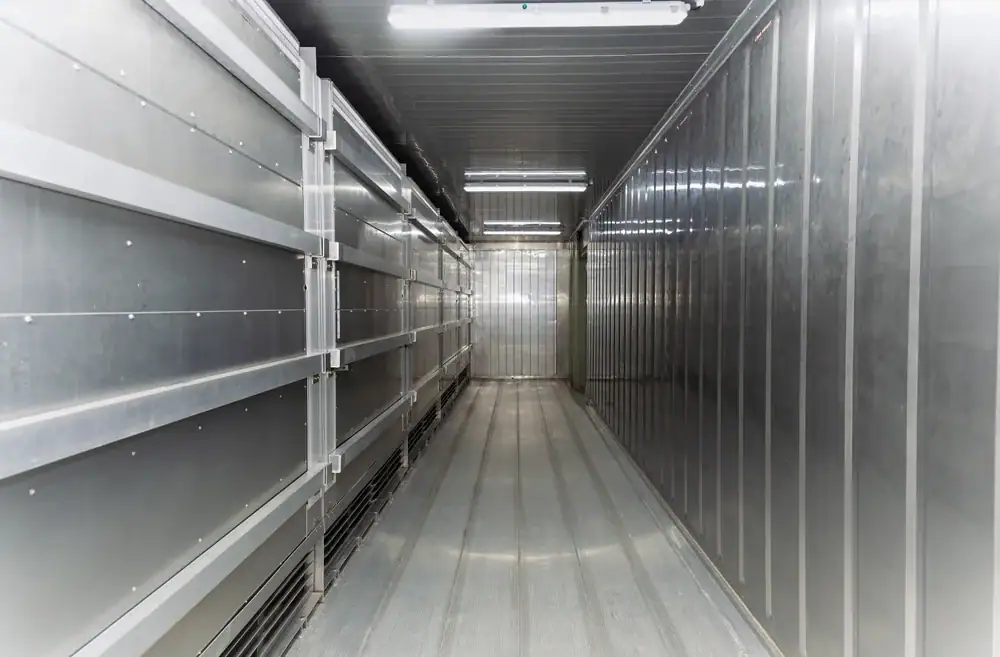
You stop losing product to temperature swings. Your health inspector stops finding issues. Your energy bills drop because the compressor isn’t fighting itself every cycle.
Most importantly, you stop wondering if tonight’s the night your freezer quits. That’s what proper commercial refrigeration does for food service operations in Mastic and across Suffolk County.
When systems are installed right and maintained consistently, they run quieter, last longer, and break down less. You’re not calling for emergency repairs every few months. You’re not replacing entire units years before you should. You’re running your business instead of babysitting equipment that should just work.
We’ve been handling commercial refrigeration across Nassau and Suffolk County for over 40 years. We’ve seen every failure mode, every bad installation, every shortcut that comes back to haunt you.
We work on everything from standard reach-ins at delis along Montauk Highway to complex marine HVAC systems at yacht clubs, custom beer cooling setups, and walk-in freezers at catering halls. If it keeps things cold commercially, we’ve probably fixed, installed, or redesigned it.
Our trucks carry extensive parts inventory because most repairs in Mastic can be completed the same day if the technician has what’s needed. We’re available 24/7 for emergencies because refrigeration failures don’t wait for business hours.
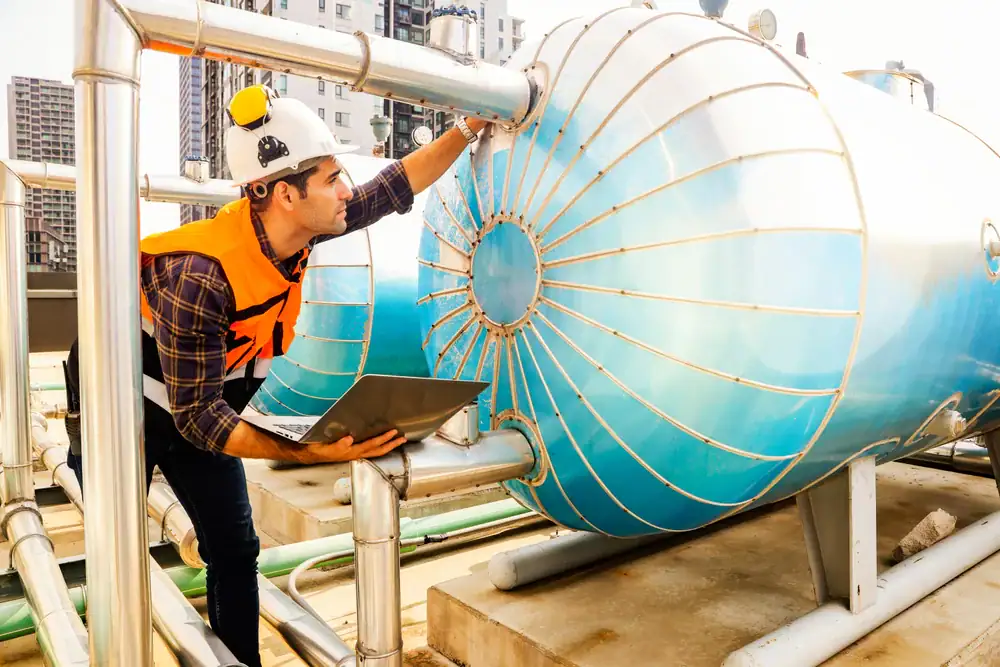
You call or message us with what’s happening. We ask a few questions to understand if it’s an emergency or scheduled work. If your system is down and product is at risk, we prioritize that and get someone out fast.
For new installations or replacements, we come out to look at your space, electrical capacity, and cooling needs. We’re measuring, checking load requirements, and figuring out what equipment actually makes sense for how you operate. Not what’s easiest to install or what we have in stock.
Once we agree on the approach, we handle permits if needed, coordinate installation timing around your business hours, and complete the work with minimal disruption. After installation, we test everything, walk you through operation, and set up a maintenance schedule that actually prevents problems instead of just checking boxes.
For repairs, our technicians diagnose the issue, explain what failed and why, then fix it with parts we typically have on hand. If it’s a bigger problem, we’re honest about whether repair makes sense or if replacement is smarter long-term.
Ready to get started?
You get technicians who work on all major brands and understand both older systems and newer energy-efficient models. We service walk-in coolers, walk-in freezers, reach-in units, prep tables, display cases, ice machines, and blast chillers.
Maintenance includes checking refrigerant levels, cleaning condenser coils, testing door seals, calibrating thermostats, inspecting electrical connections, and catching small issues before they become expensive failures. Long Island’s humidity and temperature swings are tough on refrigeration equipment, so regular maintenance matters more here than in milder climates.
For installations, you get custom system design that accounts for your actual space constraints, electrical limitations, and usage patterns. We’re not just dropping in a standard unit. We’re sizing equipment properly, positioning it for efficiency, and using energy-efficient technology that reduces your operating costs over time.
Emergency service means we respond typically within hours, not days. When a compressor fails or a walk-in stops cooling, every hour costs you money in spoiled inventory and lost business. We get that, so we move fast.
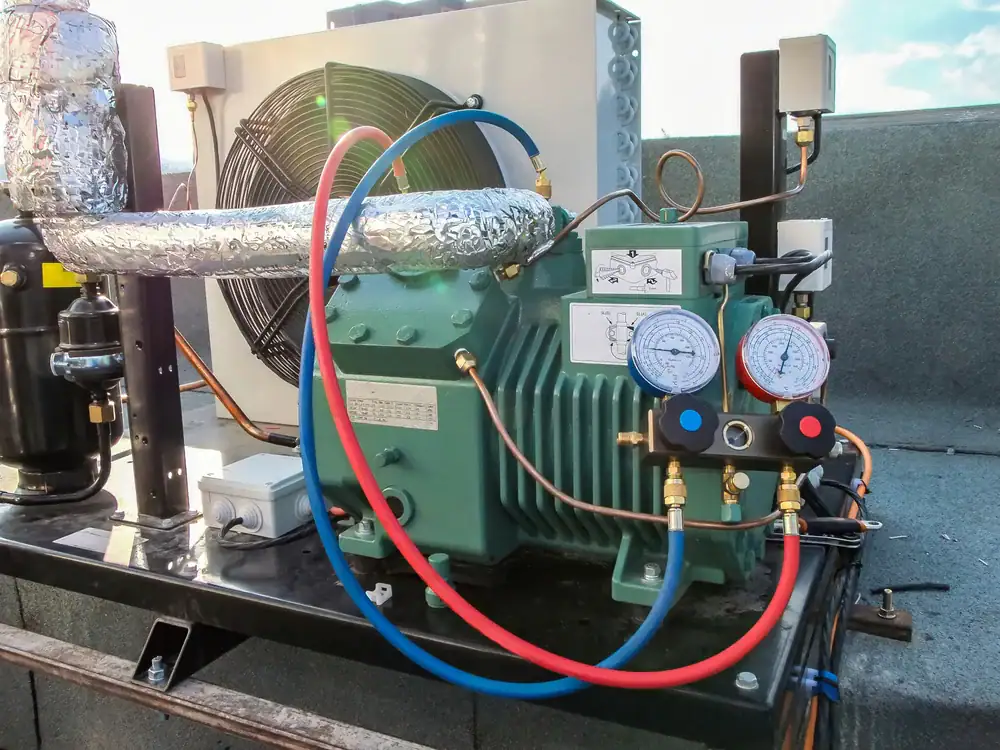
We typically respond within hours for true emergencies where product is at risk. Our technicians carry extensive parts inventory in their service vehicles, which means most common failures can be repaired the same day.
When you call with an emergency, we prioritize your request and dispatch the closest available technician immediately. We’re not making you wait until Tuesday because that’s when your area is scheduled. If your walk-in is down and you’ve got thousands in product warming up, that’s handled now.
Response time depends on where our technicians are when you call and how many other emergencies are active, but Suffolk County coverage means we’re never starting from far away. We’ve been serving Mastic and surrounding areas for over 40 years, so we know the territory and can get to you fast.
Compressor failures are the most common issue, usually from overwork during hot summer months or lack of maintenance. Long Island’s climate is particularly hard on refrigeration equipment because summer heat makes compressors run constantly, winter cold affects door seals, and humidity changes stress the entire system.
Dirty condenser coils are another major cause. When coils get clogged with dust and debris, the system can’t release heat properly, so it works harder and fails sooner. This is preventable with regular cleaning but often gets ignored until something breaks.
Refrigerant leaks, failed thermostats, and worn door gaskets also cause problems. Door gaskets are especially important because even small gaps let warm air in constantly, forcing the system to run more than it should. Most of these issues show warning signs before complete failure, which is why maintenance catches them early.
If the repair costs more than half what replacement would cost, and your system is over 10-15 years old, replacement usually makes more sense. Older systems use more energy, break down more frequently, and parts become harder to find.
But age alone isn’t the deciding factor. A well-maintained 12-year-old system might have years of life left, while a poorly maintained 6-year-old unit might be ready for replacement. We look at the specific failure, the system’s overall condition, your energy costs, and how much longer you can reasonably expect it to run.
New systems use significantly less energy than units from 10+ years ago. The efficiency improvements often pay for themselves over time through lower electric bills. We’ll be straight with you about whether repair makes sense or if you’re throwing money at something that’s going to keep failing.
Most commercial refrigeration equipment should be serviced every three to six months depending on usage and environment. High-volume restaurants and food service operations in Mastic typically need quarterly maintenance because equipment runs constantly and works harder.
Maintenance visits include cleaning condenser coils, checking refrigerant levels, testing controls and safety devices, inspecting electrical connections, examining door seals, and calibrating thermostats. These tasks prevent the majority of breakdowns and extend equipment life significantly.
Systems that don’t get regular maintenance fail more often, use more energy, and need replacement sooner. It’s not just about preventing breakdowns—it’s about efficiency. A dirty condenser coil can increase energy consumption by 20-30%, and you’re paying that difference every month until someone cleans it.
Yes. Our technicians are trained on all major commercial refrigeration brands and have experience with both current models and older systems that many companies won’t touch anymore.
We work on True, Turbo Air, Beverage-Air, Hoshizaki, Manitowoc, Scotsman, and dozens of other manufacturers. We also handle specialized equipment like marine refrigeration systems, custom beer cooling setups, and unique applications that require more than standard service knowledge.
Having 40+ years in the business means we’ve seen almost every brand and model that’s been installed in commercial kitchens across Long Island. We keep relationships with parts suppliers for both common and obscure equipment, so we can usually source what’s needed even for discontinued models.
First, stop opening the door to check on it—every time you open it, you let warm air in and make the problem worse. Move critical product to backup refrigeration if you have it, or get ice to keep temperatures safe temporarily.
Check if the unit is running at all. If you hear nothing, check the breaker and make sure power is reaching the unit. If it’s running but not cooling, the compressor might be working but refrigerant could be low, or the condenser could be frozen or blocked.
Call us immediately if product is at risk. Don’t wait to see if it fixes itself—refrigeration systems don’t spontaneously recover. The faster we diagnose and repair the issue, the less product you lose and the less damage occurs to the system itself. Running a failing system often makes the repair more expensive than it needed to be.