Hear from Our Customers
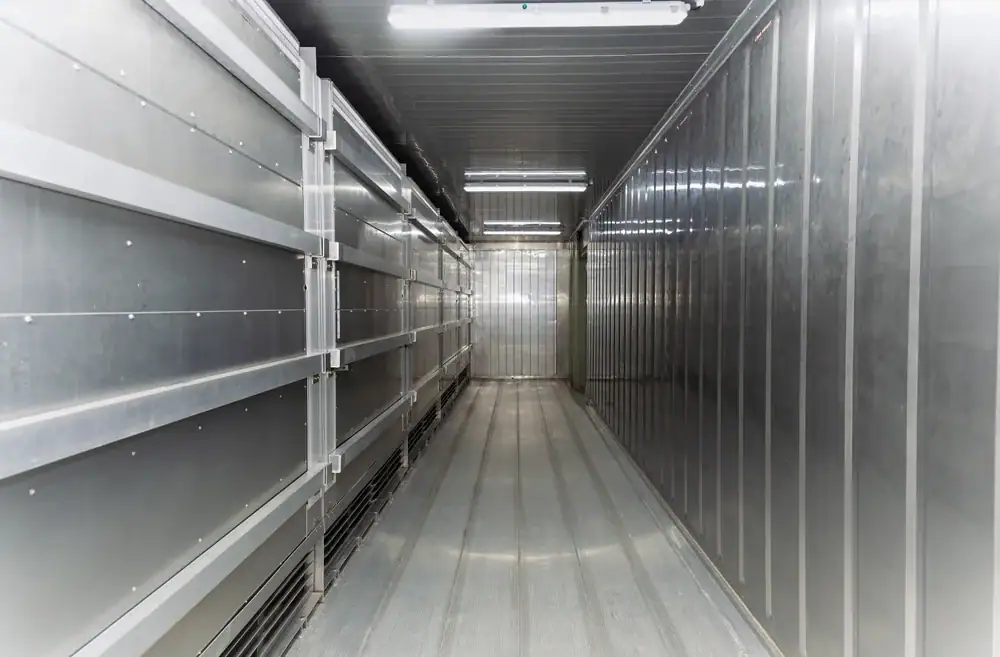
Your food stays cold. Your health inspector stays happy. Your weekend doesn’t get ruined by a compressor failure during your Saturday dinner rush.
Most restaurant owners in Port Washington don’t think about their refrigeration systems until something breaks. Then they’re staring at thousands in spoiled inventory, scrambling to find a technician who’ll actually pick up the phone after hours, and hoping the repair doesn’t cost more than the equipment itself.
Here’s what changes when your commercial refrigeration actually gets proper attention. You stop losing sleep over whether your walk-in cooler will make it through summer. You stop paying emergency rates because someone catches the problem before it becomes an emergency. Your energy bills drop because the system isn’t working twice as hard to maintain temperature. And when something does go wrong, you’ve got a number that gets answered at 2 AM on a Sunday.
We’ve spent over 40 years working on commercial refrigeration systems and marine HVAC across the Greater New York area. We’re not a general contractor who does a little bit of everything. We specialize in the systems that keep your food cold and your business compliant.
Port Washington’s restaurant and food service scene runs on tight margins. A single equipment failure during peak season can cost you five to fifteen thousand dollars when you factor in emergency service, parts, lost revenue, and spoiled inventory. We’ve seen it happen too many times, which is why we focus on preventive maintenance and fast emergency response.
You’ll find us working on everything from airport catering operations to yacht club galleys to the deli down the street. Different equipment, same stakes: keep it cold, keep it running, keep the doors open.
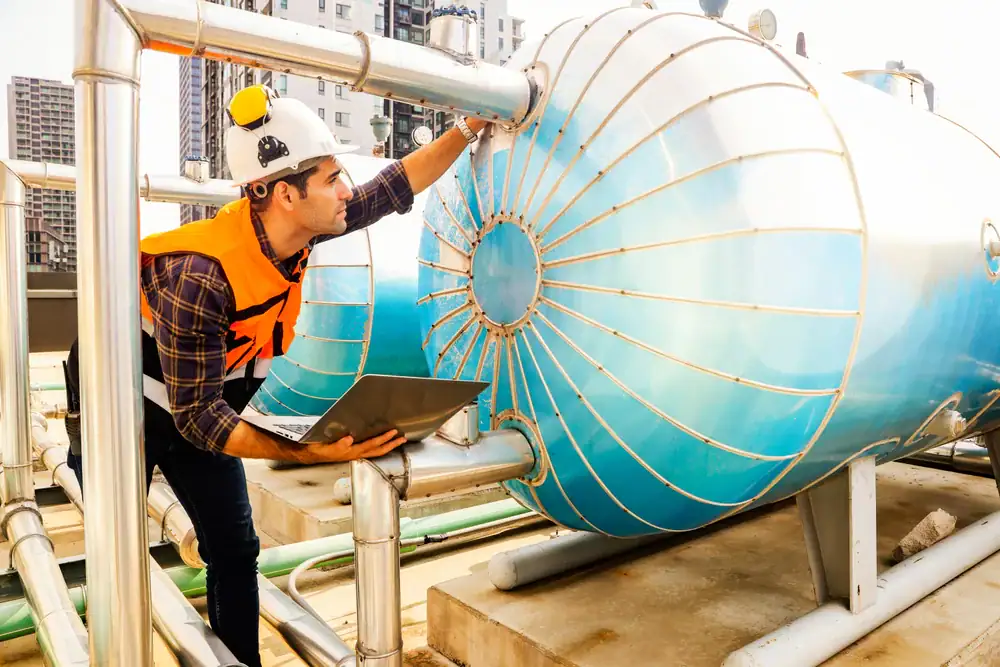
It starts with a free estimate and consultation. We look at your space, your equipment, your industry requirements, and your budget. No pressure, no upselling, just an honest assessment of what you need.
If you’re installing new equipment, we design the system around your actual usage patterns. A catering hall has different cooling demands than a seafood market. We size the equipment correctly, which means it runs efficiently instead of burning out early. Installation includes proper electrical work, refrigerant handling, and testing to make sure everything hits the right temperatures before we leave.
For existing systems, we set up a maintenance schedule that actually prevents problems. That means checking refrigerant levels, cleaning condenser coils, testing door seals, and catching worn parts before they fail. Most businesses skip this part, then wonder why their five-year-old walk-in needs major repairs. Long Island’s climate is tough on refrigeration equipment. Regular maintenance isn’t optional if you want the system to last.
When emergencies happen, we answer 24/7. Our technicians carry extensive parts inventory, which means most repairs get done the same day. No waiting three days for a part while your inventory spoils.
Ready to get started?
You get installation, maintenance, and emergency repairs for walk-in coolers, walk-in freezers, reach-in units, display cases, ice machines, and custom beer systems. We handle refrigeration systems for restaurants, delis, supermarkets, catering halls, hotels, and marine applications across Port Washington and Nassau County.
Installation work includes system design, equipment sizing, electrical connections, refrigerant charging, temperature calibration, and compliance with health department standards. We use energy-efficient technology and low-GWP refrigerants that meet current EPA regulations. The DOE’s 2025 conservation rules require a 15% efficiency jump by 2029, so if you’re replacing equipment, we make sure it meets the new standards.
Maintenance contracts cover quarterly inspections, condenser coil cleaning, refrigerant level checks, door seal replacement, thermostat calibration, and electrical component testing. This is how you avoid the emergency calls. Commercial refrigeration represents about 40% of energy consumption in food service operations, so proper maintenance cuts your operating costs while extending equipment life.
Emergency service means we show up fast, diagnose the problem accurately, and fix it right the first time. Ice machines and refrigeration units generate the most service calls because they run constantly and involve complex water lines, compressors, and electrical systems. We’ve been troubleshooting these failures for 40 years. We know what breaks and how to fix it.
We offer 24/7 emergency service with response times typically within hours, not days. When you call, you’re talking to someone who can dispatch a technician immediately, not an answering service that takes messages.
Our trucks carry extensive parts inventory specifically for commercial refrigeration systems. That means most emergency repairs get completed the same day, even on weekends. We stock compressors, evaporator fans, thermostats, door gaskets, and control boards for the most common equipment brands.
The reality is that every hour your refrigeration is down costs you money. Spoiled inventory, lost revenue, health code violations—it adds up fast. We’ve seen restaurants lose their entire weekend because they couldn’t get someone out until Monday. That’s why we built our emergency response around actual availability, not just a phone number that goes to voicemail.
Preventive maintenance covers the specific tasks that keep your refrigeration systems running efficiently and catch problems before they become expensive failures. We check refrigerant levels and look for leaks, clean condenser coils that get clogged with dust and grease, test door seals that let cold air escape, calibrate thermostats to maintain proper temperatures, inspect electrical connections for wear, and replace worn components before they fail.
Most businesses skip maintenance until something breaks, then wonder why the repair bill is so high. Here’s what happens: dirty condenser coils make the compressor work harder, which increases energy costs and shortens its lifespan. Low refrigerant levels cause the system to run constantly without reaching proper temperature. Worn door seals let warm air in, forcing the unit to cycle more frequently. All of this leads to premature failure.
A typical maintenance visit takes about an hour per unit and costs a fraction of what you’d pay for emergency repairs. We recommend quarterly service for high-use equipment and semi-annual service for lighter-duty units. The goal is simple: keep your equipment running efficiently and avoid the catastrophic failures that cost five figures to fix.
Installation costs for walk-in coolers typically range from $6,000 to $15,000 depending on size, insulation requirements, refrigeration capacity, and electrical work needed. A small 6×8 unit for a deli runs less than a large 12×16 walk-in freezer for a catering operation.
The biggest cost variables are the refrigeration system itself, insulation thickness (which affects energy efficiency), door type and size, electrical service upgrades, and whether you need custom configurations. If your space requires a remote condensing unit mounted outside, that adds to the installation complexity. We provide free estimates that break down exactly what you’re paying for, so there’s no confusion about where your money goes.
Here’s what matters more than the upfront cost: proper sizing and installation. An undersized unit will run constantly and fail early. An oversized unit wastes energy and cycles too frequently. We calculate the actual cooling load based on your space dimensions, ambient temperature, door opening frequency, and product volume. That’s how you get a system that lasts 15-20 years instead of needing major repairs at year five.
The most common problems we see are compressor failures from lack of maintenance, refrigerant leaks that gradually reduce cooling capacity, ice buildup in freezers from door seal issues, control board failures in older units, and evaporator fan motors that burn out from continuous operation.
Long Island’s climate creates specific challenges for commercial refrigeration. Hot, humid summers make systems work harder, especially if the condenser coils are clogged with dust and grease. Salt air from the coast accelerates corrosion on outdoor condensing units. Temperature swings between seasons stress components that are already running 24/7.
Ice machines are particularly problematic because they combine refrigeration with water systems. Hard water causes mineral buildup that clogs water lines and damages pumps. We see a lot of service calls for ice machines that stop producing ice or produce cloudy, bad-tasting ice. Most of these problems are preventable with regular cleaning and water filtration, but they get ignored until the machine quits completely. The fix usually involves descaling, replacing water filters, and cleaning the evaporator plate—all things that should happen during routine maintenance.
Yes, we specialize in marine refrigeration and air conditioning systems for boats, yachts, and marine facilities throughout Port Washington and the surrounding marinas. Marine systems are completely different from commercial refrigeration—they deal with constant motion, salt air corrosion, limited space, and power constraints that don’t exist in land-based applications.
We handle everything from galley refrigerators and freezers to air conditioning systems for cabins and salons. Marine refrigeration requires specialized knowledge of 12V and 24V DC systems, engine-driven compressors, and holding plate technology. The components have to withstand vibration, humidity, and salt exposure that would destroy standard residential equipment in months.
Port Washington has a significant boating community, and we’ve worked on vessels ranging from small fishing boats to large yachts. The most common issues we see are compressor failures from inadequate ventilation, corroded electrical connections, refrigerant leaks from vibration stress, and control system failures from moisture intrusion. If your marine refrigeration isn’t keeping up or your air conditioning isn’t cooling properly, we can diagnose and repair it. We also do new installations and system upgrades for boats that need more reliable cooling.
If your equipment is less than seven years old and the repair cost is less than half the replacement cost, repair usually makes sense. If it’s over ten years old, requires frequent repairs, or needs a major component like a compressor replaced, replacement is often the better investment.
Here’s the math that matters: a new compressor installed can cost $2,000 to $4,000 depending on the unit size. If your walk-in cooler is twelve years old and already needed two other repairs this year, you’re throwing money at a system that’s approaching end-of-life anyway. New equipment comes with warranties, runs more efficiently, and meets current energy standards that can cut your operating costs by 20-30%.
We’ll give you an honest assessment. If a repair buys you another five years of reliable service, we’ll tell you. If you’re looking at a pattern of escalating failures on aging equipment, we’ll tell you that too. The worst financial decision is paying for repeated emergency repairs on equipment that’s going to fail completely within the next year. We’ve seen businesses spend $8,000 in repairs over eighteen months on a unit that should have been replaced after the first major failure.