
Hear from Our Customers
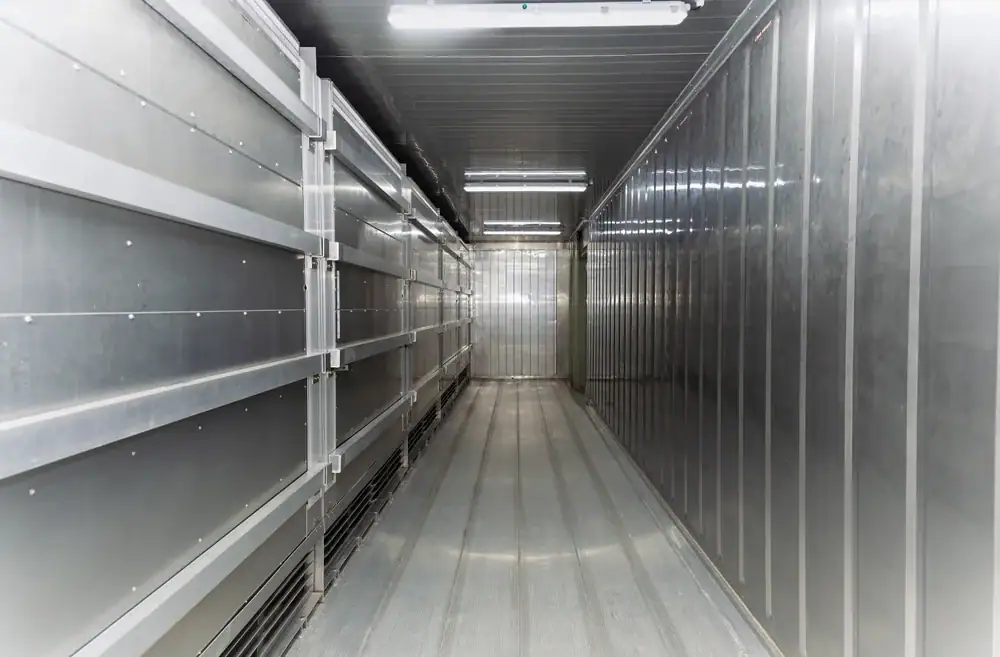
You’re not worrying about whether your walk-in will hold temp through the weekend. Your prep tables aren’t cycling on and off every twenty minutes, driving up your electric bill. Your health inspector isn’t flagging temperature logs because your system actually maintains what it’s supposed to.
That’s what working refrigeration systems do. They run quietly in the background while you focus on running your business.
In Valley Stream and across Nassau County, restaurants, delis, catering halls, and supermarkets deal with the same issue: cooling systems account for nearly half of food service energy costs. When those systems aren’t running efficiently, you’re paying for it twice—once in wasted electricity, again in spoiled product. The equipment either works right, or it costs you money every single day.
We’ve been installing and servicing commercial refrigeration in Valley Stream, NY since before energy efficiency was a buzzword. Forty years in this business means we’ve seen every failure mode, every bad install, every shortcut that comes back to bite you three years later.
We work with airports, catering operations, restaurants, delis, and marine facilities throughout Nassau County and Queens. The work spans everything from standard walk-in coolers to custom beer systems that require precise temperature control most contractors can’t deliver.
Valley Stream’s location near JFK means we serve clients who can’t afford downtime—airport food service, hotel kitchens, high-volume catering. When your refrigeration goes down at 9 PM on a Saturday, we answer. That’s not marketing talk—it’s how we’ve stayed in business for four decades.
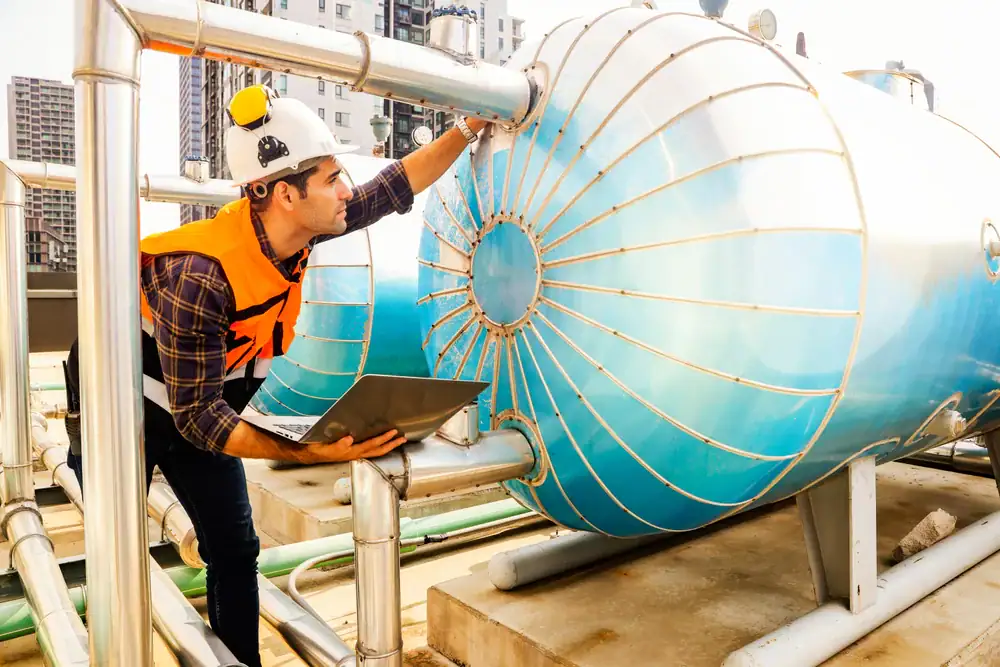
First, we actually show up when we say we will. You’d be surprised how rare that is. We assess what’s failing, what’s causing it, and what it’ll take to fix it right—not just patch it until next month.
If it’s an emergency refrigeration repair, we’re focused on getting your system operational fast. If it’s a new installation or replacement, we walk through your space, your workflow, your actual cooling load—not just what the spec sheet says you need. Equipment gets sized correctly the first time.
Installation means the refrigeration system gets set up to code, connected properly, and tested under actual operating conditions before we leave. We’re checking refrigerant charge, airflow, door seals, controls—the details that determine whether your system runs for fifteen years or fails in three.
Ongoing refrigeration maintenance means we’re back on a schedule that makes sense for your equipment and usage. We’re catching worn components before they fail during your busiest week. You’re not calling us in a panic because we’ve already prevented the breakdown.
Ready to get started?
Commercial refrigeration in Valley Stream faces specific challenges. Summer humidity puts extra load on condenser coils. Salt air from the coast accelerates corrosion on outdoor units. High-volume operations in Nassau County’s dense commercial corridor mean your equipment runs harder than systems in lower-traffic areas.
Your refrigeration service needs to account for that. Condenser coils get cleaned more frequently in coastal areas. Refrigerant lines get checked for corrosion. Controls get calibrated to handle humidity swings without overcycling the compressor.
Walk-in coolers and freezers need proper insulation, door gaskets that actually seal, and defrost cycles timed to your usage patterns. Reach-in units and prep tables need airflow that doesn’t freeze product in the back while leaving the front too warm. Display cases need to maintain food safety temps without frosting over every six hours.
We also handle specialized refrigeration solutions most contractors won’t touch—custom beer systems for bars and restaurants, marine HVAC for boats docked at local marinas, complex multi-temp setups for catering operations. If it needs to stay cold and it’s more complicated than a standard install, that’s where forty years of experience actually matters.
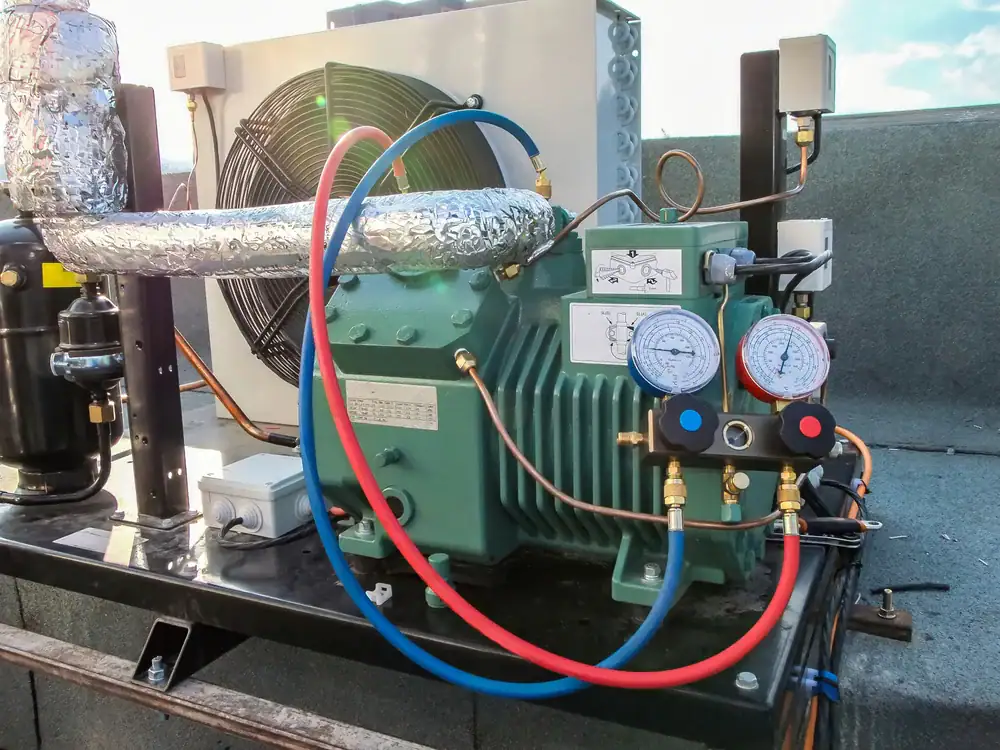
Every three to six months for most commercial kitchens, but it depends entirely on your runtime and environment. A deli running 24/7 in Valley Stream needs more frequent service than a catering hall that operates weekends only.
High-use equipment accumulates dust on condenser coils faster, which reduces efficiency and forces the compressor to work harder. Door gaskets wear out quicker with constant opening and closing. Evaporator coils in humid environments need more attention to prevent ice buildup that blocks airflow.
If you’re near the coast or in a high-traffic area with more airborne particles, your maintenance intervals should be shorter. Skipping service doesn’t save money—it just moves the cost to emergency repairs and higher electric bills. Most equipment failures we see could’ve been prevented with basic maintenance that costs a fraction of what the breakdown ends up costing.
If your compressor failed and the system is over ten years old, replacement usually makes more financial sense. Compressor replacement can run 50-70% of a new unit’s cost, and you’re still left with an old system using outdated refrigerant and pulling more electricity than newer equipment.
Newer refrigeration systems use low-GWP refrigerants that’ll be easier and cheaper to service long-term. They’re also 20-30% more efficient, which matters when cooling accounts for nearly half your energy costs. Over five years, the energy savings alone can offset a significant portion of the replacement cost.
That said, if the system is newer and it’s a minor component failure—fan motor, control board, refrigerant leak that’s easily accessible—repair makes sense. We’ll tell you honestly which direction saves you money over the next three to five years, not just which option gets us a bigger invoice today.
We offer 24/7 emergency service because refrigeration failures don’t wait for business hours. Response time depends on where you are and what else is happening, but for Valley Stream and the immediate Nassau County area, we’re typically on-site within a few hours of your call.
Emergency refrigeration repairs focus on getting your system operational fast. Sometimes that means a temporary fix to get you through service, followed by a permanent repair when parts arrive. Sometimes it’s a quick component swap we can do immediately because we stock common failure parts.
The real question is whether your system is worth emergency service or if you’re throwing money at equipment that’s going to fail again next month. We’ll tell you if you’re better off replacing it than spending another few hundred dollars keeping a dying system limping along. You need honest guidance when you’re making decisions under pressure, not a sales pitch.
Older refrigerants like R-22 have been phased out, and newer regulations are pushing the industry toward low-GWP alternatives. If your system still runs on R-22, refrigerant for repairs is expensive and getting harder to source. That’s not changing—it’s only going to get worse.
Newer systems use refrigerants like R-448A, R-449A, or R-290 that meet current environmental standards and will remain available long-term. When you’re looking at refrigeration installation or replacement, the refrigerant type matters for your operating costs over the system’s lifespan.
Some older systems can be retrofitted to use newer refrigerants, but it’s not always straightforward. Compatibility depends on your compressor, expansion valve, and oil type. We can assess whether a retrofit makes sense or if you’re better off replacing the system with equipment designed for modern refrigerants from the start. The wrong decision here costs you thousands over the next decade.
Yes, and it’s one of the few areas where specialized experience actually matters. Marine HVAC and refrigeration systems deal with constant vibration, salt air corrosion, space constraints, and power limitations you don’t see in land-based commercial applications.
Boats docked at Valley Stream area marinas or anywhere along the Long Island coast need systems designed to handle marine environments. Standard residential or light commercial equipment fails quickly under those conditions. Proper marine refrigeration installation uses corrosion-resistant components, secure mounting that handles movement, and controls calibrated for the available power supply.
We’ve been servicing marine air conditioning and refrigeration for decades. Whether it’s a yacht that needs climate control for extended trips or a commercial vessel with galley refrigeration requirements, we understand the engineering differences that make marine systems work reliably. Most HVAC contractors don’t touch marine work because they don’t have the experience—we’ve built our reputation on it.
Neglected maintenance is the number one cause. Dirty condenser coils force the compressor to work harder and run hotter, which shortens its lifespan dramatically. Worn door gaskets let warm air in constantly, making the system cycle more frequently. Clogged drain lines cause water backup that damages components.
The second most common issue is improper installation. Undersized equipment that can’t handle the actual cooling load, refrigerant lines that aren’t insulated correctly, electrical connections that aren’t sized for the amperage—these problems don’t show up immediately, but they guarantee premature failure.
Component wear is inevitable, but it happens much faster when the system is working harder than it should. Fan motors, compressors, and control boards all have expected lifespans, but poor maintenance or bad installation can cut that in half. Most of the emergency refrigeration repairs we handle could’ve been prevented with proper service and correct installation from the start. That’s not a sales pitch—it’s just what four decades in this business has shown us over and over.