

Hear from Our Customers
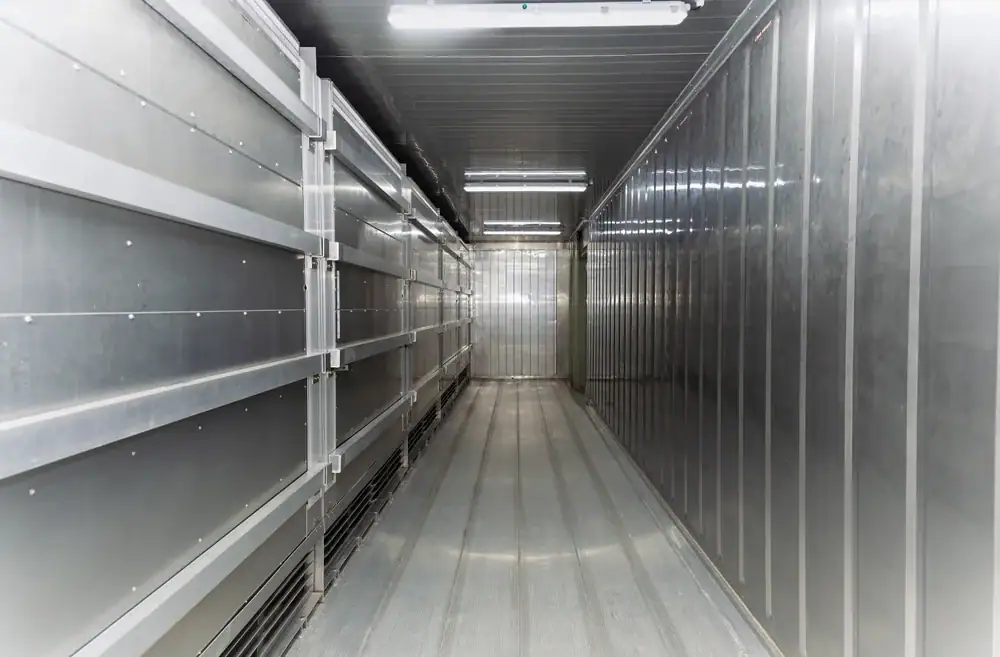
When your walk-in cooler or reach-in unit goes down during dinner rush, you’re not just losing product. You’re turning away customers, scrambling to save what you can, and hoping the health department doesn’t show up while you’re dealing with it.
The right commercial refrigeration system doesn’t just keep things cold. It handles the stress of constant door openings, recovers quickly when staff leaves it cracked open, and keeps running through Long Island’s humid summers without making your compressor work overtime.
You need equipment designed for your specific operation—whether that’s a high-volume restaurant on Merrick Road, a deli serving the morning crowd, or a catering hall preparing for weekend events. The system should match your actual usage, not just what fits in the space. And when something does go wrong, you need someone who answers the phone at 2 AM and actually shows up.
We’ve spent over 40 years installing and servicing refrigeration systems across Nassau County. We’ve worked in everything from pizza shops along Sunrise Highway to the commercial kitchens at local airports.
Wantagh businesses deal with unique challenges—salt air from the coast, humidity that never quits, and customer volume that spikes without warning. Your refrigeration needs to handle all of it. We design systems that account for those conditions from day one, not after the first breakdown.
Our team includes EPA-certified technicians who’ve seen every type of commercial setup. We stock parts for major brands on our service trucks because most problems can be fixed on the spot if you have the right part and know what you’re doing.
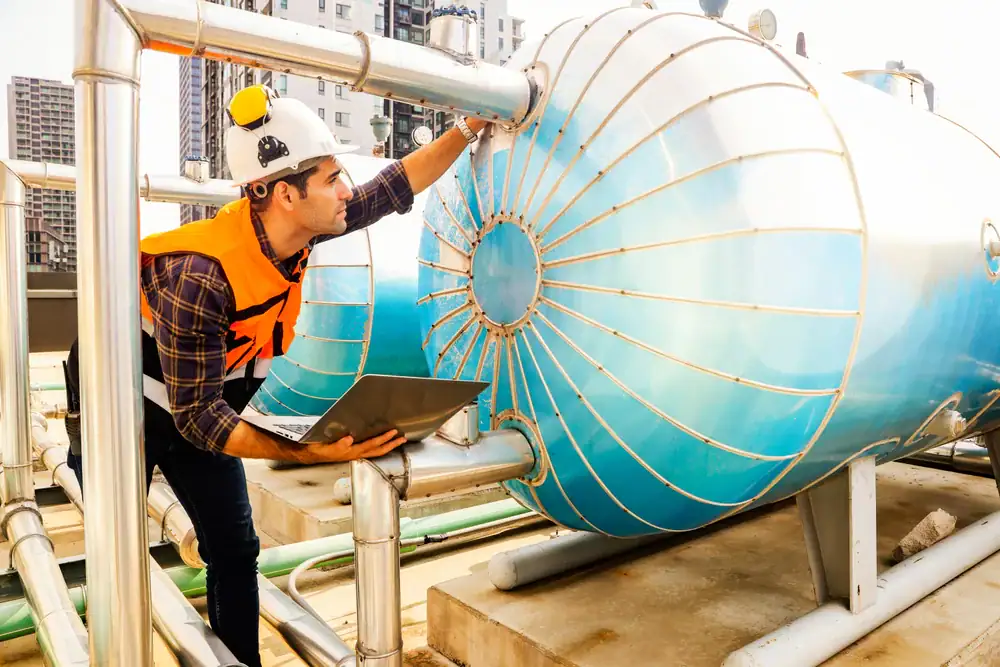
Every job starts with understanding your operation. We look at your menu, your volume, your kitchen layout, and how your staff actually uses the equipment. A seafood market needs different refrigeration than a bakery, and a catering hall has different demands than a corner deli.
Once we know what you’re dealing with, we recommend systems that fit your space and your budget. We’re not pushing the most expensive option—we’re recommending what will actually work for your business. That might mean a standard reach-in unit, or it might mean a custom walk-in cooler with specific shelving and door configurations.
Installation happens on your timeline. We coordinate around your business hours because shutting down isn’t always an option. Our team handles the full setup, tests everything under load, and makes sure your staff knows how to operate and maintain the equipment properly.
After installation, you’re not on your own. We offer preventive maintenance programs that catch problems before they become emergencies. Most of our maintenance customers get 15+ years from their equipment because we’re checking refrigerant levels, cleaning coils, and replacing worn parts before they fail.
Ready to get started?
Commercial refrigeration in Wantagh takes a beating. Summer temperatures push compressors harder. Coastal humidity creates condensation issues. Constant use means door seals wear out faster than they would inland.
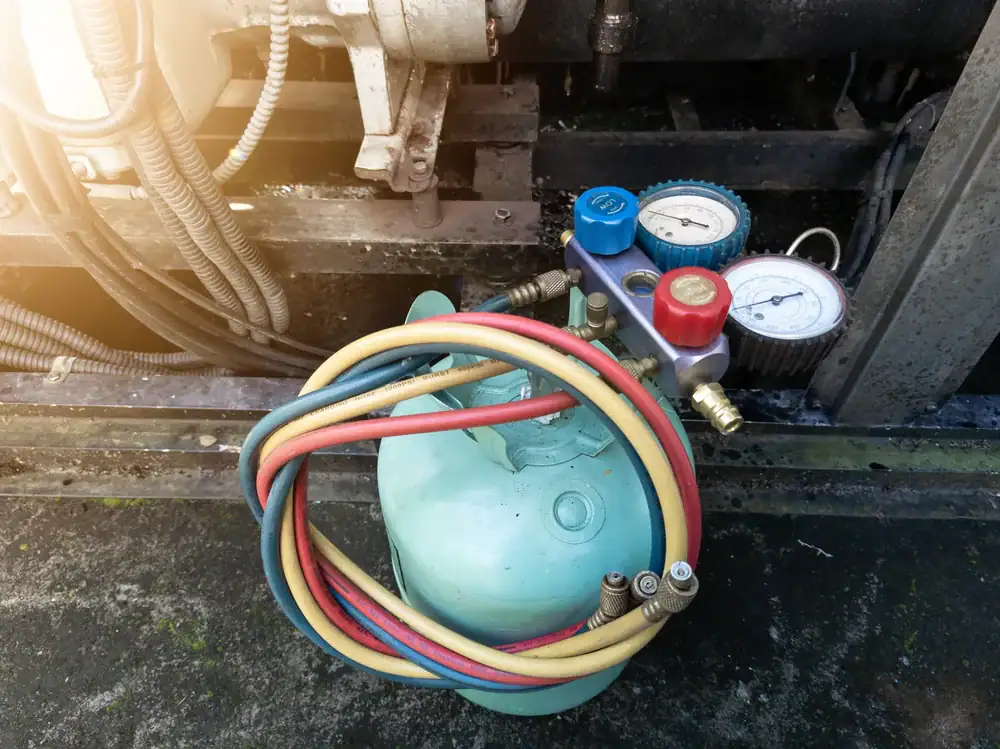
Regular maintenance addresses those issues before they cost you. We check refrigerant levels and look for leaks that reduce cooling efficiency. We clean condenser coils that get clogged with dust and salt residue. We test door seals, inspect electrical connections, and verify that temperature controls are accurate.
For most businesses, twice-yearly maintenance is enough. High-volume restaurants benefit from quarterly service. The upfront cost is minimal compared to replacing a walk-in cooler five years early or losing a weekend’s worth of inventory during a summer heat wave.
We also handle emergency refrigeration repairs. When you call at midnight because your freezer is climbing into the danger zone, we answer. Our trucks stay stocked with common parts for major brands, and we fix about 70% of emergency calls on the first visit. For complex issues, we have access to specialized parts and can coordinate temporary cooling solutions while we complete repairs.
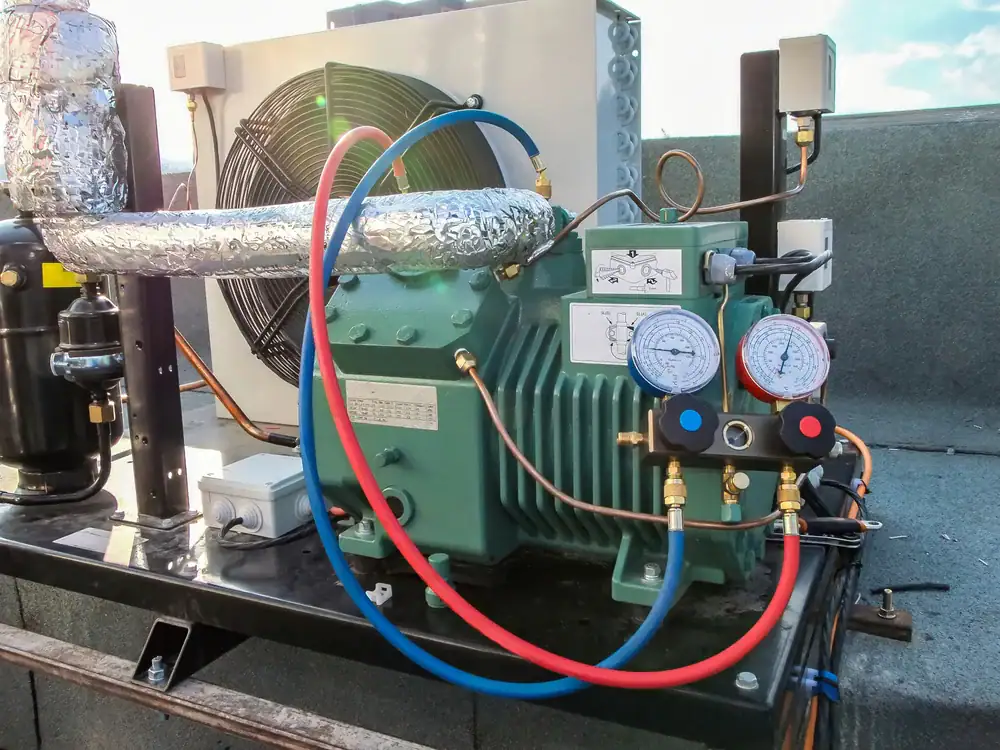
Most commercial refrigeration systems last 10 to 15 years with proper maintenance. Without regular service, you’re looking at 7 to 10 years before major components start failing.
Long Island’s coastal environment shortens equipment life if you’re not staying on top of it. Salt air corrodes coils and electrical connections faster than it would inland. Humidity creates condensation that can damage insulation and promote rust.
The businesses that get the most life from their equipment are the ones doing preventive maintenance. We’re talking about cleaning coils, checking refrigerant levels, replacing worn door seals, and catching small problems before they cascade into expensive repairs. It’s not complicated, but it has to happen consistently.
A major repair—like replacing a compressor or evaporator coil—typically runs $2,000 to $5,000 depending on the size of your unit. A full walk-in cooler replacement starts around $10,000 and goes up quickly based on size and features.
The decision isn’t just about the immediate cost. If your system is less than 10 years old and this is the first major repair, fixing it usually makes sense. If you’re looking at a 12-year-old unit that’s had multiple repairs, you’re throwing money at a system that’s going to keep breaking down.
We walk through the actual numbers with you. How much have you spent on repairs in the last two years? How energy-efficient is your current system compared to newer models? What’s your equipment doing to your electric bill? Sometimes the math says repair it. Sometimes it says cut your losses and upgrade to something that won’t nickel-and-dime you every few months.
Yes. When your refrigeration fails at 2 AM on a Saturday, we answer the phone and dispatch a technician. Most emergency calls in Wantagh get a response within an hour because we’re local and we keep trucks stocked with common parts.
Refrigeration emergencies don’t wait for business hours. Your walk-in cooler doesn’t care that it’s Sunday morning or Christmas Eve. When it goes down, you’re losing inventory by the hour and you need someone who actually shows up.
Our emergency service includes diagnostics, on-the-spot repairs when possible, and temporary cooling solutions if we need to order specialized parts. We’re not just patching things to get you through the weekend—we’re fixing the actual problem so you’re not calling us back in three days.
Commercial systems run harder, longer, and under more stress than anything in a residential setting. Your home refrigerator opens a few times a day. A commercial reach-in unit in a busy kitchen might open 200 times during a dinner shift.
That constant use requires heavier-duty compressors, better insulation, and components designed for continuous operation. Commercial refrigeration also needs to recover quickly—when your line cook leaves the door open for 30 seconds, the system has to bring the temperature back down fast without overworking the compressor.
The other difference is stakes. When your home fridge breaks, it’s annoying. When your commercial system fails, you’re losing money every minute it’s down. That’s why commercial equipment needs regular professional maintenance, not just a “wait until it breaks” approach.
Sizing starts with understanding your menu and your volume. A restaurant doing 100 covers a night needs different capacity than one doing 300. A seafood-focused menu requires more refrigeration space than a pizza place.
We look at your actual needs—how much cold storage for prep, how much for finished product, what needs to be at specific temperatures for food safety. We account for peak times when everything’s full and you’re still getting deliveries. We consider your kitchen layout and where refrigeration makes sense for your workflow.
The goal is equipment that handles your busiest days without running at maximum capacity all the time. Oversized systems waste energy and money. Undersized systems run constantly, wear out faster, and can’t keep up when you need them most. We’re finding the right fit based on your real operation, not guessing based on square footage.
Your staff should be checking door seals weekly. If you can slip a dollar bill through a closed door and pull it out easily, the seal needs replacing. Damaged seals let cold air escape and make your compressor work harder than it should.
Keep condenser coils clean. In a coastal environment like Wantagh, dust and salt residue build up fast. Most businesses should be wiping down accessible coils monthly. If the coils are clogged, your system can’t release heat efficiently and everything works harder.
Monitor your temperatures daily. If you’re seeing fluctuations or if the system is taking longer to recover after busy periods, something’s wrong. Catching it early means a minor adjustment instead of a major repair. Don’t wait until you’re losing product to call someone.