Hear from Our Customers
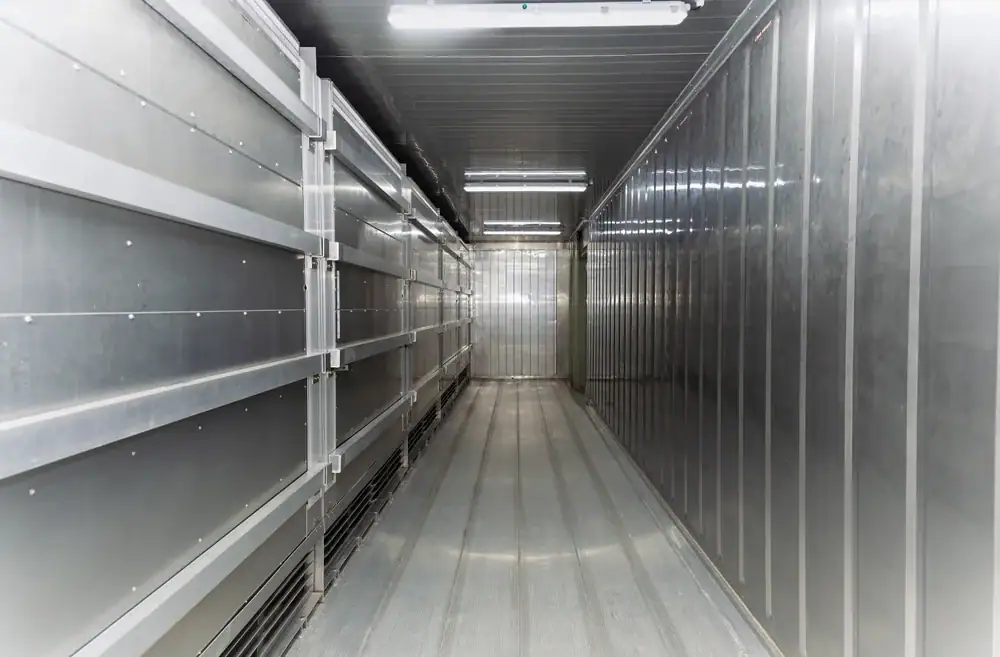
Your food stays at the right temperature. Your health inspector has nothing to flag. Your energy bill stops climbing every month because an inefficient compressor is working overtime.
That’s what reliable commercial refrigeration looks like. No surprise breakdowns during dinner rush. No scrambling to move product into a backup cooler that’s already full. No lost revenue because your walk-in decided to quit on the busiest weekend of the season.
You get systems that hold temperature consistently, equipment that lasts longer because it’s maintained correctly, and access to someone who knows how to fix complex setups when things do go wrong. In Atlantic Beach, where salt air accelerates wear on refrigeration components, that kind of preventive attention makes a real difference. Coastal businesses here deal with corrosion issues that inland operations never see, which means your maintenance schedule needs to account for environmental factors most technicians don’t think about.
We’ve been handling commercial refrigeration and marine HVAC in the Greater New York area for over 40 years. That’s not just time in business—it’s thousands of service calls, hundreds of complex installations, and enough emergency repairs to know what actually fails and why.
We work with restaurants, delis, catering halls, and airports throughout Atlantic Beach and Nassau County. The coastal environment here creates specific challenges for refrigeration equipment that most technicians don’t understand or prepare for. Salt air corrodes components faster. Humidity affects performance differently. Your systems need someone who accounts for those factors during installation and maintenance.
When you call, you’re talking to people who’ve seen your exact problem before and know how to fix it correctly the first time.
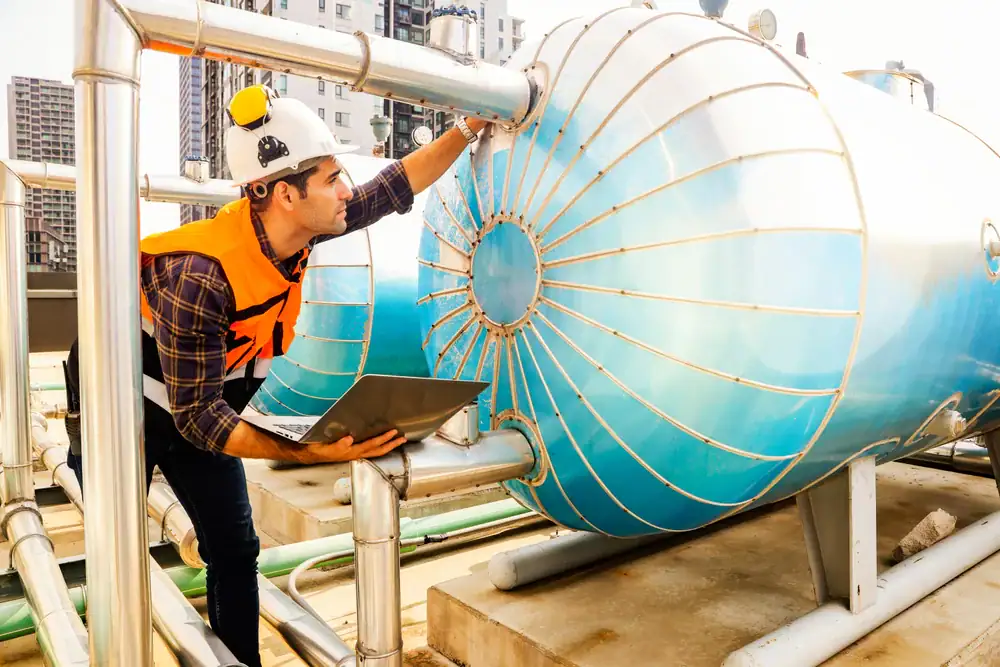
First, we listen. You tell us what’s happening—temperature fluctuations, strange noises, complete failure, whatever the issue is. We ask a few questions to understand your setup and timeline.
Then we schedule. For emergencies, that usually means within hours, not days. Our trucks carry common parts for walk-ins, reach-ins, ice machines, and display cases, so there’s a good chance we can fix your problem on the first visit.
When we arrive, we diagnose the actual problem, not just the symptom. A warm walk-in might be a failed compressor, but it could also be a refrigerant leak, a faulty thermostat, or a door seal that’s letting cold air escape. We find the root cause, explain what needs to happen, give you a clear price, and handle the repair. For new installations or complex projects like custom beer systems, we walk the space, take measurements, discuss your specific needs, and design a system that actually fits your operation. Then we install it correctly, test everything, and make sure you understand how to maintain it.
Ready to get started?
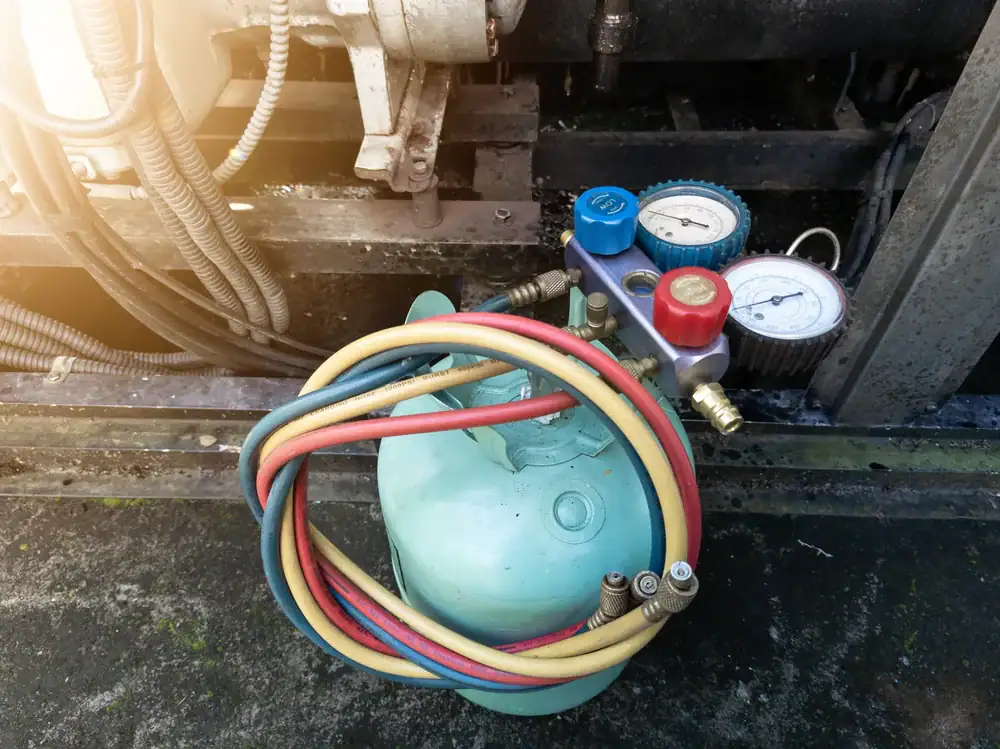
You get installation for new walk-in coolers, reach-in refrigerators, freezers, ice machines, and display cases. You get maintenance that catches problems before they become emergencies—checking refrigerant levels, cleaning condenser coils, testing door seals, and inspecting electrical connections. You get 24/7 emergency repairs when something fails outside business hours.
For Atlantic Beach restaurants and delis, that means someone who understands food service refrigeration requirements and health code compliance. For bars and breweries, that means expertise with beer systems that maintain precise temperatures for draft lines. For catering operations, that means reliable equipment that won’t fail before a major event.
The coastal location matters here. Equipment near the ocean needs more frequent maintenance because salt accelerates corrosion on coils, fans, and electrical components. If your refrigeration system is within a few miles of the water, your maintenance schedule should reflect that reality. Most national chains and generic HVAC companies don’t adjust for environmental factors. We do, because we’ve been working in this area long enough to see what fails and when.
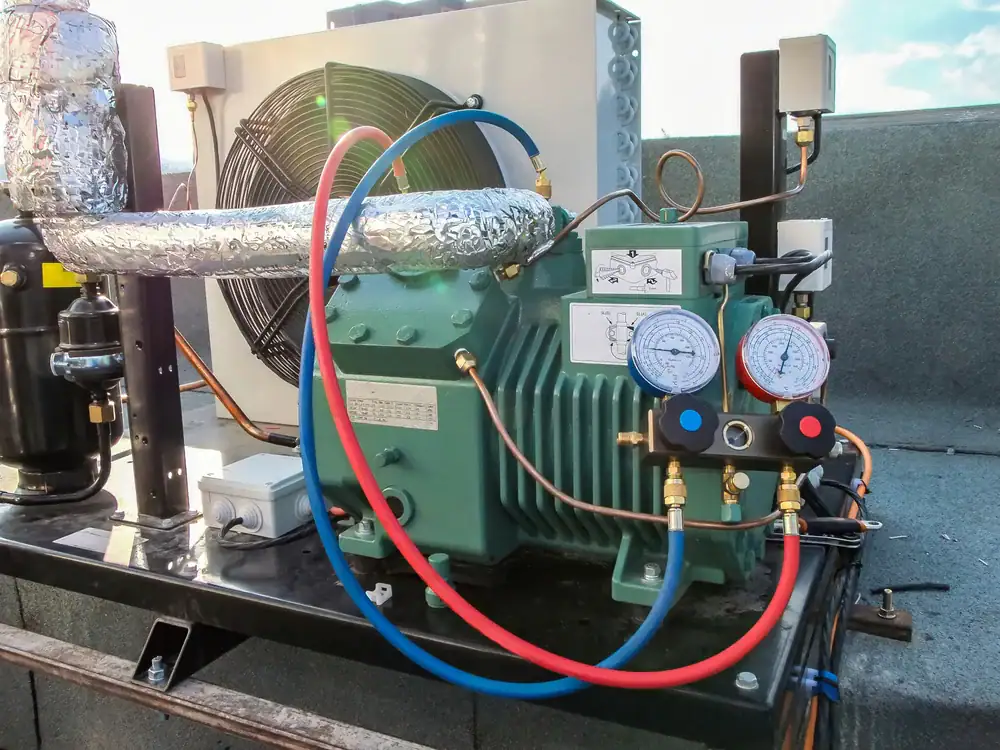
For emergencies, we typically respond within a few hours. We keep trucks stocked with common parts for most commercial refrigeration systems, which means there’s a strong chance we can fix your problem during that first visit instead of ordering parts and coming back days later.
Time matters when you’re losing product. A walk-in that’s been down for six hours in summer can cost you thousands in spoiled inventory, not to mention lost revenue if you can’t serve menu items. That’s why we prioritize emergency calls and maintain 24/7 availability.
If we can’t fix it immediately, we’ll at least diagnose the problem, give you a timeline, and help you figure out temporary solutions to minimize loss. Sometimes that means moving product, adjusting your menu temporarily, or bringing in rental equipment while we wait for a specialized part.
At minimum, you need quarterly inspections that include cleaning condenser coils, checking refrigerant levels, testing thermostats and controls, inspecting door gaskets, and verifying that fans and compressors are running correctly. In Atlantic Beach, where salt air accelerates wear, you might need more frequent attention to components exposed to outdoor air.
Condenser coils collect dust, grease, and salt residue that reduces efficiency and forces your compressor to work harder. That increases energy costs and shortens equipment life. Door gaskets wear out and let cold air escape, which also makes your system work harder. Refrigerant levels drop slowly over time through normal operation, and low refrigerant means poor cooling performance.
Catching these issues early costs a fraction of what you’ll pay for an emergency compressor replacement or a complete system failure during your busiest season. Most breakdowns don’t happen randomly—they happen because something that should have been maintained wasn’t.
Salt air corrodes metal components faster than normal humidity does. Condenser coils, fan blades, electrical connections, and exterior panels all deteriorate more quickly when they’re exposed to coastal conditions. That means your equipment needs more frequent inspections and cleaning to prevent failures.
Corrosion on condenser coils reduces heat transfer efficiency, which forces your compressor to run longer and work harder to maintain temperature. Corroded electrical connections create resistance that can lead to component failure or even fire hazards. Rusted fan blades become unbalanced and damage motors.
If your business is in Atlantic Beach or anywhere within a few miles of the water, your maintenance schedule should account for these environmental factors. That might mean cleaning coils every two months instead of every six, or replacing certain components proactively before they fail. It’s not about selling you unnecessary service—it’s about preventing expensive breakdowns that inland operations don’t face as frequently.
Installation costs vary significantly based on size, location, and complexity. A small walk-in for a deli might start around $8,000 to $12,000 for a basic setup. A larger restaurant walk-in with custom dimensions, multiple doors, or difficult access can run $20,000 to $40,000 or more.
The price includes the refrigeration unit itself, insulated panels, doors, installation labor, electrical work, and startup. If your space needs structural modifications, additional electrical capacity, or specialized features like glass doors or specific temperature zones, that increases cost.
We provide free estimates that break down exactly what you’re paying for. The goal is to give you a system that fits your actual needs without overselling capacity you don’t need or underselling capacity that will leave you short during peak times. A properly sized system costs less to operate and lasts longer than one that’s constantly running at maximum capacity because it’s too small for the job.
Yes, and we do it regularly. Complex beer systems with glycol lines, marine HVAC installations, custom multi-zone refrigeration setups—these are the calls we get after someone else has already looked at the system and couldn’t solve the problem.
Forty years of experience means we’ve seen unusual configurations, obsolete equipment, and problems that don’t fit textbook scenarios. We’ve worked on systems where the original installer is out of business, the equipment is decades old, and there’s no manual or support available. We’ve diagnosed intermittent failures that only happen under specific conditions and traced problems through complex refrigerant lines that were installed incorrectly years ago.
That kind of troubleshooting requires actual experience, not just certification. It means understanding how systems are supposed to work, how they actually work in real conditions, and what fails in ways that aren’t obvious. If you’ve already had someone out who couldn’t fix your problem, we’re worth a call.
If you run a restaurant, deli, catering operation, or any food service business, refrigeration failure outside business hours is a real risk that can cost you thousands in a single night. Equipment doesn’t wait for convenient times to break down—it fails when it fails, and that’s often during peak use or extreme weather.
A compressor that quits at 10 PM on a Friday means you’re either losing product overnight or scrambling to find emergency help. Most HVAC companies that claim 24/7 service either don’t answer after hours or they answer but can’t actually send someone until Monday. We answer, we respond, and we carry parts.
The value isn’t just in fixing emergencies—it’s in having access to someone who can answer questions, walk you through temporary solutions, or help you decide whether something can wait until morning or needs immediate attention. That kind of availability matters when your business depends on refrigeration working correctly every single day.