
Hear from Our Customers
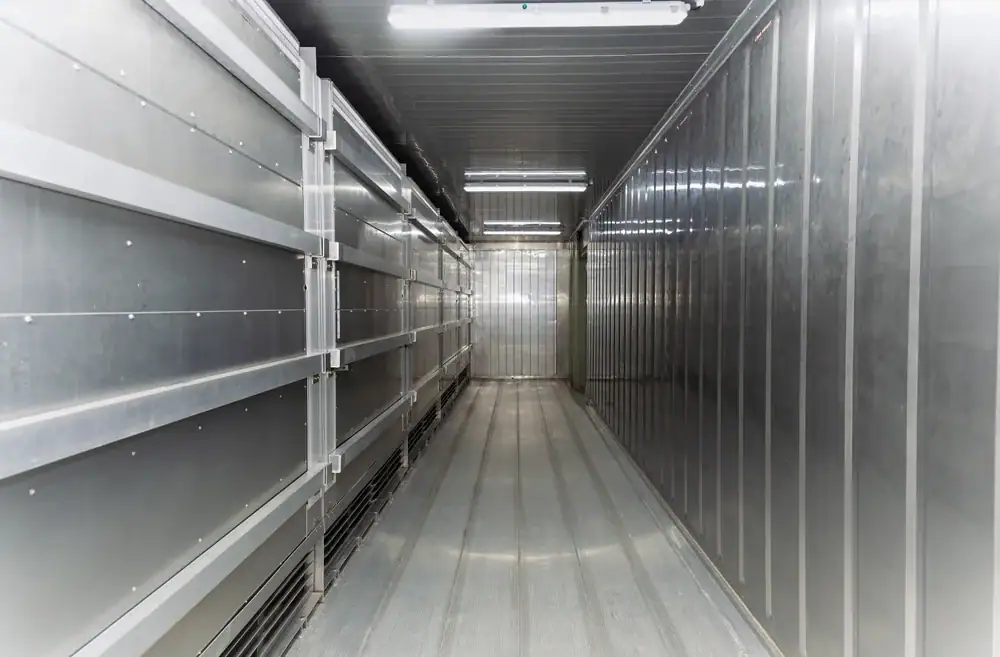
Your walk-in cooler doesn’t fail at 11 PM on a Saturday in July. Your reach-in units don’t quit when you’ve got a ferry full of weekend customers about to arrive. Your ice machine keeps up when the humidity hits 90%.
That’s what happens when your refrigeration systems are installed right and maintained by people who understand Fire Island’s unique demands. Salt air eats through standard components. Limited access means you can’t wait three days for parts. Seasonal operations mean your equipment sits idle all winter, then gets hammered for four straight months.
The restaurants and markets that make it here year after year don’t leave their refrigeration to chance. They work with technicians who show up fast, stock the right parts, and fix things correctly the first time. When your cooler goes down with tomorrow’s catering order inside, you need someone who treats it like the emergency it actually is.
We’ve been handling commercial refrigeration across Long Island for over 40 years. We’ve worked with Fire Island restaurants, markets, and catering operations long enough to know exactly what your equipment faces out here.
We’re not a general HVAC company that dabbles in refrigeration. This is what we do—walk-in coolers and freezers, reach-in units, display cases, ice machines, and custom food service refrigeration for businesses that depend on it every single day. Our trucks carry parts for every major brand because waiting isn’t an option when you’re losing money by the hour.
Fire Island businesses know us because we show up when we say we will, we communicate clearly about what’s wrong and what it’ll cost, and we don’t disappear after the install. You get the same technicians, the same direct line, and the same commitment whether it’s a new system or a midnight emergency.
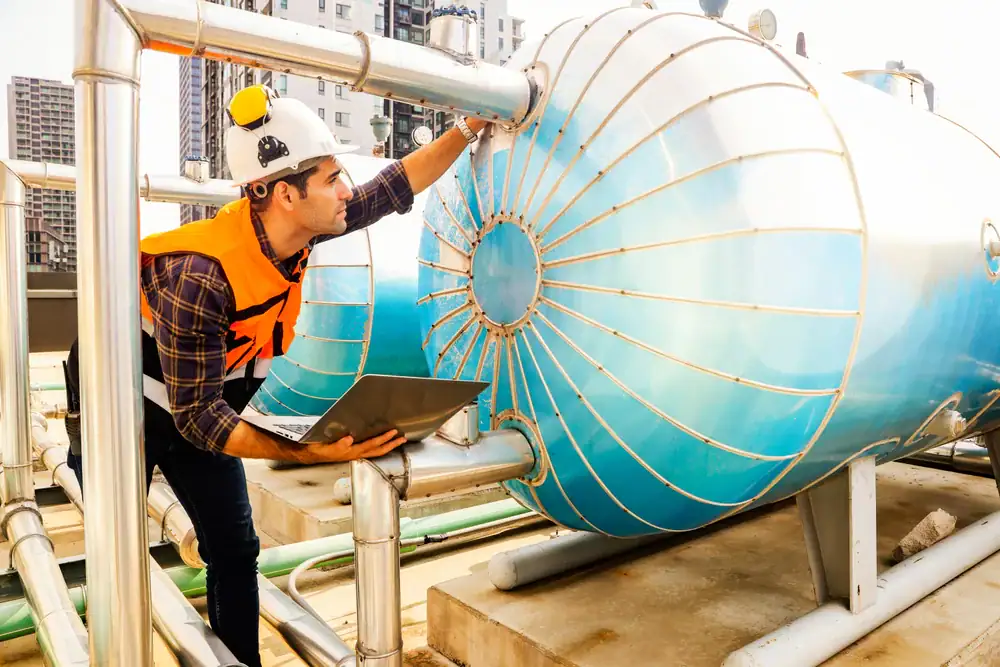
It starts with understanding what you actually need. We look at your space, your volume, your menu, your hours, and your budget. A Cherry Grove bistro has different requirements than a Saltaire market. We’re not selling you the biggest system we can—we’re sizing equipment that matches your real-world operation.
Once we agree on the right setup, we handle everything. Electrical connections, permits, health department requirements, delivery coordination given ferry schedules—all of it. You get one point of contact who keeps you updated and makes sure the install doesn’t disrupt your business more than necessary.
After your system is running, we don’t just hand you a manual and leave. We train your staff on proper use, set up a maintenance schedule that actually prevents problems, and give you a direct line for service calls. Most of our Fire Island clients have been with us for years because when something does go wrong, they know we’ll be there fast—usually within hours, not days.
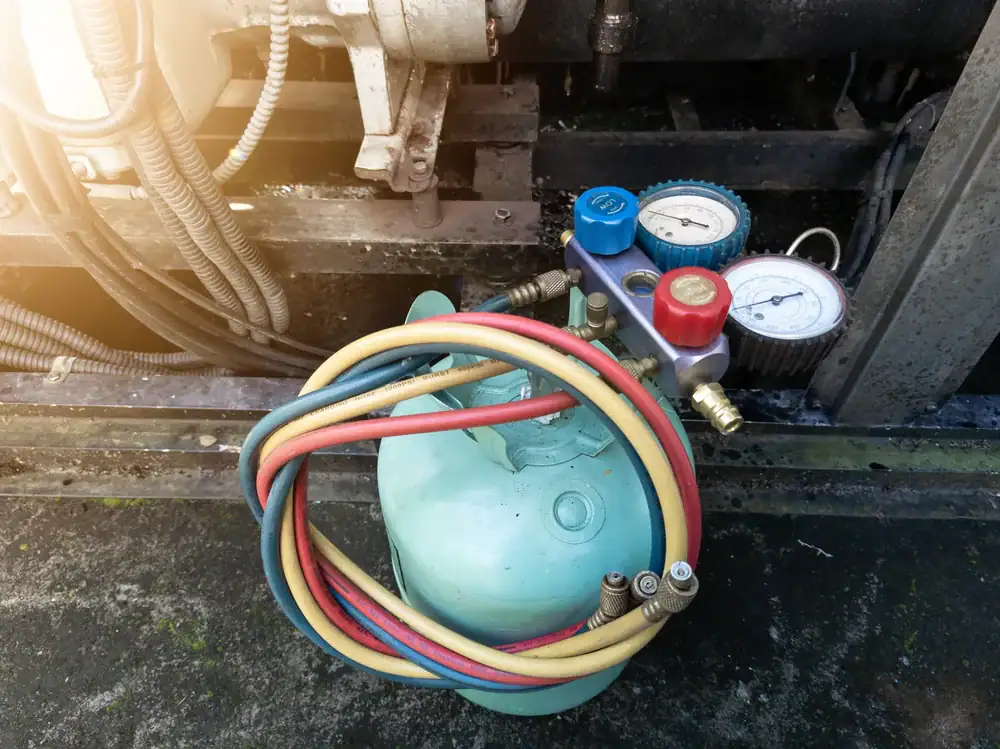
Regular maintenance means catching small issues before they become expensive failures. Dirty coils, worn door seals, and minor refrigerant leaks account for most service calls. A spring tune-up costs $129. An emergency compressor replacement in August costs $4,000. The math isn’t complicated.
Ready to get started?
Your commercial refrigeration installation includes equipment that’s properly sized for Fire Island conditions—not mainland specs that don’t account for salt air and humidity. We use components rated for coastal environments because standard parts corrode faster out here.
You get electrical work that meets code, permits filed correctly, and coordination with local inspectors so you pass on the first visit. For Fire Island locations, we work around ferry schedules and plan deliveries when access actually makes sense. We’ve done enough island installs to know that logistics matter as much as the equipment itself.
Maintenance programs are built around your season. We schedule spring tune-ups before you open, not in July when you’re slammed. Our technicians check refrigerant levels, clean condenser coils, test door seals, verify temperature accuracy, and catch anything that’s starting to wear before it fails during your busiest weeks.
Emergency service means a real person answers the phone 24/7, and our trucks roll fast. We’ve had technicians on Fire Island within hours of a midnight call because we know what’s at stake. When your walk-in fails with a wedding’s worth of prep inside, you need someone who gets there now—not someone who puts you on a callback list.
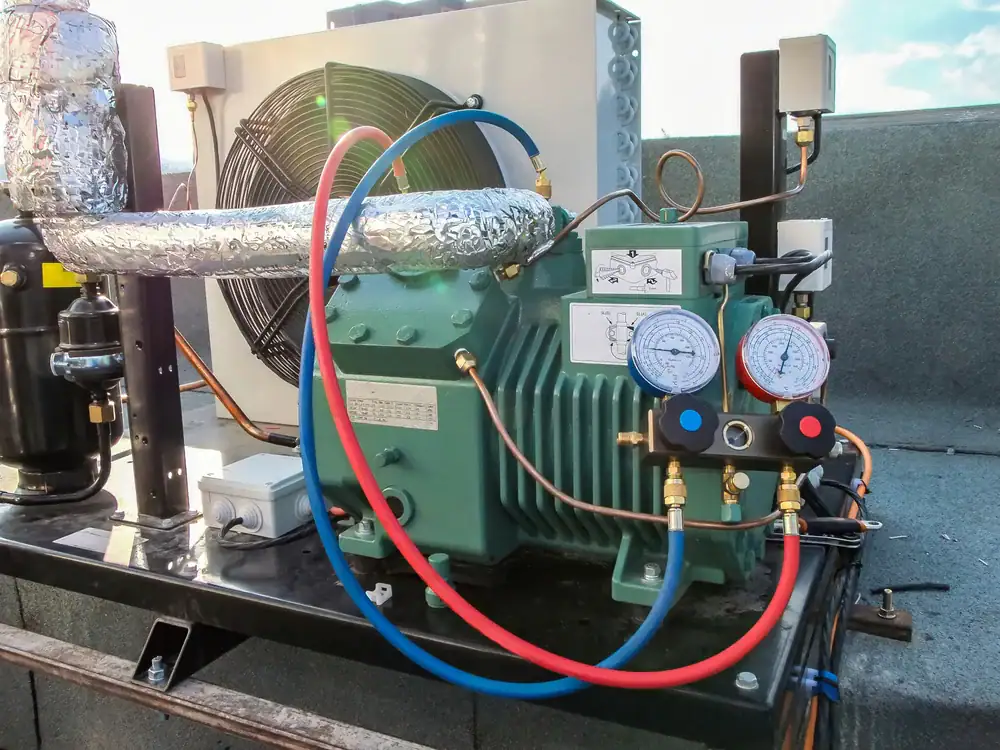
With proper maintenance, you should get 10 to 15 years minimum from quality commercial refrigeration equipment. Fire Island’s environment is tougher on systems than mainland locations—salt air corrodes outdoor components faster, and humidity makes compressors work harder. That’s why maintenance matters more out here.
Most businesses skip maintenance until something breaks, then they’re surprised when a seven-year-old unit dies. The ones who schedule annual tune-ups routinely get 15+ years from the same equipment. We’re talking about cleaning coils, checking refrigerant, replacing worn seals—basic stuff that prevents the expensive failures.
Seasonal operations actually help lifespan if you winterize correctly. Leaving a unit sitting all winter without proper shutdown can cause more damage than running it year-round. We walk our Fire Island clients through off-season prep so their equipment fires up clean every spring.
You call us, and we respond fast—typically within hours, not days. We understand that a failed walk-in during Fire Island’s summer season isn’t just an inconvenience, it’s a business emergency. Every hour that cooler is down, you’re losing money and risking your inventory.
Our service trucks stock parts for all major brands specifically so we can complete most repairs on the first visit. When a Babylon catering hall called at 11 PM with their walk-in down and a wedding the next day, we had a truck there within 45 minutes. By 2 AM, their cooler was running again. That’s not unusual for us—it’s how we operate.
If a repair isn’t possible immediately, we help you protect your inventory while we source parts. Sometimes that means temporary refrigeration, sometimes it means coordinating with nearby businesses, sometimes it means prioritizing what gets saved first. We’ve handled enough emergencies to know how to minimize your losses while we get you back online.
It depends on what’s failing and how old the system is. If your compressor goes out on a 12-year-old walk-in, replacement often makes more sense than a $3,500 repair. If it’s a worn door seal or a failed fan motor on a six-year-old unit, repair is the obvious choice.
We give you honest guidance based on the actual math. A new energy-efficient system costs more upfront but can cut your electric bill significantly—PSEG Long Island offers rebates for ENERGY STAR certified commercial refrigeration that help offset the investment. Older systems also use refrigerants that are being phased out, making future repairs more expensive as those refrigerants become harder to source.
When we’re called for a repair, we assess the whole system and tell you what we see. If we think you’re six months from another major failure, we’ll say so. If the unit has good years left and the repair makes sense, we’ll tell you that too. You’re making the decision—we’re just making sure you have accurate information to base it on.
A basic reach-in unit starts around $3,000 to $5,000 installed. A walk-in cooler for a small restaurant typically runs $8,000 to $15,000 depending on size and features. Larger operations with multiple walk-ins, display cases, and specialized equipment can easily hit $30,000 to $50,000 or more.
Fire Island installations sometimes cost slightly more than mainland jobs due to ferry logistics and access challenges, but we work to minimize those added costs. The bigger factor in price is usually what you actually need—a bistro serving 40 covers has different requirements than a market doing wholesale volume.
We provide free estimates that break down exactly what you’re paying for. Equipment costs, electrical work, permits, installation labor—it’s all itemized so you understand where your money goes. We also discuss financing options and help you understand available rebates from PSEG Long Island that can reduce your upfront investment in energy-efficient systems.
Yes. Our technicians are trained and certified to work on every major commercial refrigeration brand—True, Turbo Air, Beverage-Air, Hoshizaki, Scotsman, Manitowoc, and dozens more. We’re not tied to a single manufacturer, which means we recommend what’s actually best for your operation, not what we get the best commission on.
This also matters for repairs and maintenance. When you call with a problem, we don’t tell you we can’t help because you bought a different brand. Our trucks stock parts for the most common systems, and we have relationships with suppliers across Long Island to source specialty components fast when needed.
EPA Section 608 certification is required for anyone handling refrigerants in commercial systems. All our technicians hold that certification and stay current on changing regulations and new refrigerant types. You’re not getting a general handyman trying to figure out your walk-in—you’re getting specialists who do this work every day.
At minimum, annual professional maintenance plus basic daily attention from your staff. Professional service includes cleaning condenser coils (dirty coils make compressors work harder and fail sooner), checking refrigerant levels and looking for leaks, testing all electrical connections, verifying accurate temperature control, inspecting and replacing worn door gaskets, and lubricating motors and fans.
Your staff should be checking temperatures daily, wiping down door seals to prevent buildup, keeping items from blocking airflow inside units, and watching for ice buildup or unusual sounds. Most problems give warning signs before they become emergencies—if you catch them early, repairs are cheaper and less disruptive.
We recommend spring maintenance for Fire Island businesses before your season starts. That’s when we catch issues that developed over winter or from your end-of-season shutdown. A pre-season tune-up costs a fraction of an emergency mid-July repair, and it gives you confidence that your equipment will hold up through your busiest months. Some of our maintenance customers have gotten 15+ years from their systems because we catch small problems before they cascade into expensive failures.