
Hear from Our Customers
Your health inspector shows up unannounced. You’re not scrambling to explain temperature logs or why your walk-in is running warm. Your food stays at proper temps, your staff isn’t panicking, and you pass without issue.
That’s what reliable commercial refrigeration looks like. No surprise failures during dinner rush. No throwing away thousands in inventory because a compressor died overnight. No frantic calls trying to find someone who’ll actually show up.
When your refrigeration systems are installed correctly and maintained regularly, you stop thinking about them. They just work. Your focus stays on running your business, not babysitting equipment that should’ve lasted another decade.
Most of our maintenance customers get 15+ years from their equipment. Not because we sell magic boxes, but because small problems get caught before they turn into expensive failures.
Chill Xpert Solutions has been handling commercial refrigeration in Lido Beach, NY and across Long Island for over 40 years. We’ve seen every type of failure, every brand of equipment, and every creative way things can break.
We work with restaurants along the barrier island, delis serving the summer crowds, catering halls hosting weekend events, and marine businesses that need HVAC systems built to handle saltwater corrosion. The equipment requirements are different for each, and we’ve installed and serviced all of them.
You’ll find dozens of five-star reviews from businesses that called us during an emergency and kept our number because we showed up when we said we would and fixed it right the first time.
You call our number, day or night. Someone answers who actually understands refrigeration systems, not a call center reading a script. If it’s an emergency, we walk you through immediate steps while our technician is already driving to you.
When we arrive, we diagnose the problem and explain what failed, why it failed, and what it’ll take to fix it. No jargon. No upselling. If it’s a simple fix, we tell you. If you need a replacement, we explain why repair isn’t worth it.
Most repairs get completed the same day. If we need a part, we provide a temporary solution so you’re not losing inventory while waiting. After the repair, we test everything, verify your temps are where they need to be, and make sure you understand what happened.
For installations, we assess your space, calculate your actual cooling needs based on your volume and traffic, and recommend equipment that fits your operation. We handle permits, installation, and startup. Then we show your staff how everything works and what to watch for.
Ready to get started?
We handle everything from walk-in coolers and freezers to reach-in units, ice machines, prep tables, and custom beer systems. If it keeps things cold in a commercial setting, we install it, fix it, and maintain it.
In Lido Beach, NY, you’re dealing with salt air that corrodes components faster than inland locations. Your equipment works harder during summer when the island population swells and restaurants are slammed. We account for both when we spec equipment and schedule maintenance.
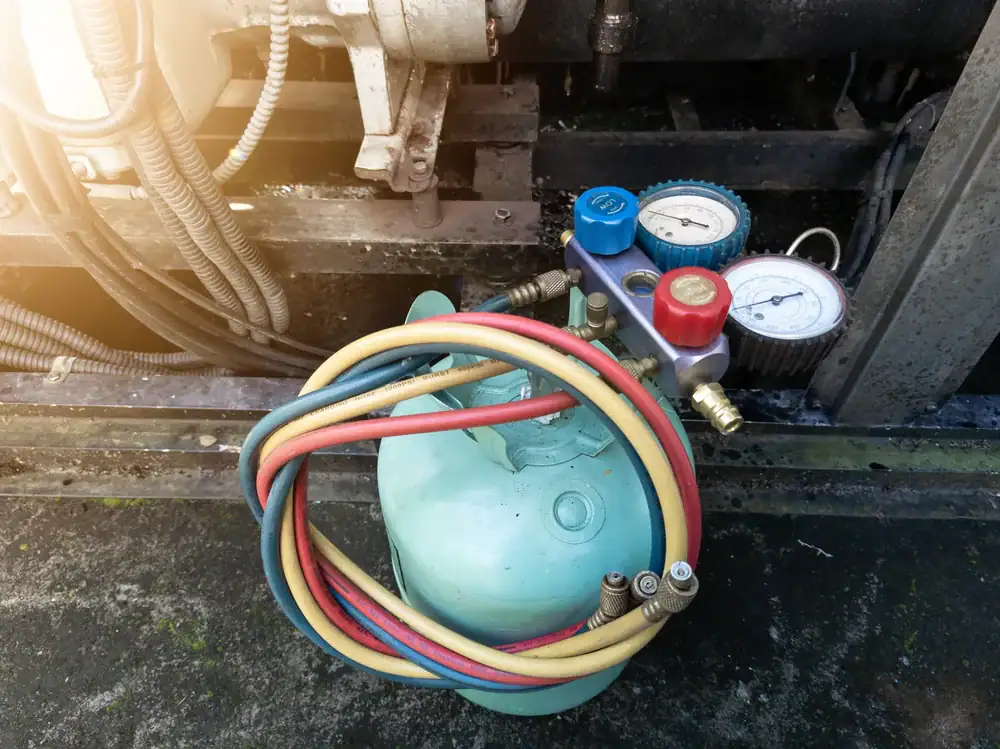
Our maintenance programs include regular inspections where we check refrigerant levels, clean condenser coils, test thermostats and controls, inspect door seals, and catch small issues before they become emergencies. You get priority scheduling and discounted emergency rates because we’d rather prevent the 2 AM call than bill you for it.
We also handle specialized marine HVAC systems for yachts and boats. These systems are more complex than standard commercial refrigeration because of space constraints, power limitations, and constant exposure to saltwater. Most HVAC companies won’t touch them. We’ve been installing and servicing them for decades.
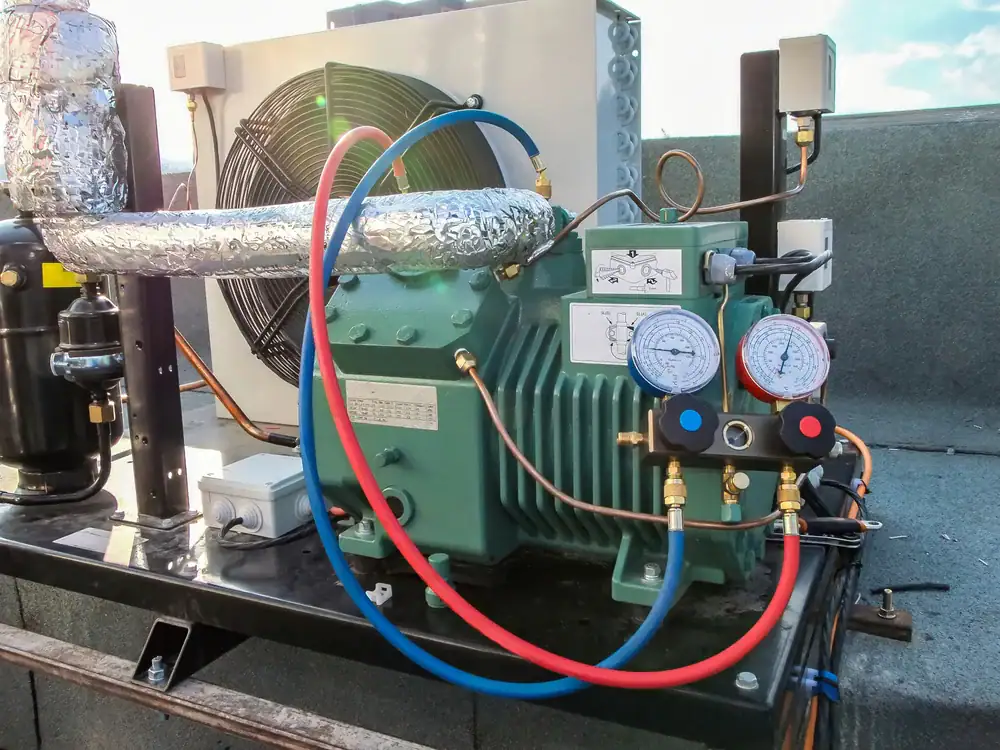
We run 24/7 emergency service, 365 days a year. When you call, you reach someone immediately who can walk you through temporary measures while our technician drives to your location.
Response time depends on where our trucks are and what’s happening, but we prioritize true emergencies where you’re losing inventory or can’t operate. Most emergency calls in Lido Beach get a technician on-site within a couple hours, often faster.
During that initial call, we’ll help you protect what you can. If it’s a walk-in cooler failure, we might tell you to move high-risk items to working units, keep the door closed, or add ice to buy time. Small steps can save thousands in spoiled inventory while we’re en route.
It depends on the age of your equipment, what failed, and how much life is left in the rest of the system. A compressor replacement on a 15-year-old unit might cost $2,500, but if the evaporator coils and controls are also wearing out, you’re looking at another $3,000 in repairs over the next year.
A new walk-in cooler system runs $8,000 to $15,000 depending on size and specs, but it comes with a warranty, better energy efficiency, and you’re not gambling on whether it’ll make it through your busy season.
We’ll tell you honestly which makes sense. If your equipment is under seven years old and the repair is straightforward, fix it. If it’s older and you’re chasing multiple problems, replacement usually saves money long-term. We’ve seen too many businesses dump $5,000 into repairs on a dying unit, then replace it six months later anyway.
Your walk-in cooler should hold between 35°F and 38°F. Freezers need to stay at 0°F or below. If your built-in thermometer shows those ranges, you’re probably fine. But those thermometers can drift or fail, so verify with a separate thermometer placed in the warmest spot, usually near the door.
Watch for warning signs: frost buildup where there shouldn’t be any, the compressor running constantly without cycling off, unusual noises, or food that’s colder near the back and warmer near the front. Any of those mean your system isn’t maintaining consistent temps.
Health inspectors use infrared thermometers to spot-check food directly. They’re looking for anything in the “danger zone” between 41°F and 135°F where bacteria multiply fast. If your equipment can’t hold proper temps, you’re risking both food safety violations and making customers sick. Get it checked before the inspector finds it.
At minimum, condenser coils need cleaning every three months. Dirty coils make your compressor work harder, drive up energy costs, and lead to premature failure. In Lido Beach, salt air makes this even more critical because it accelerates corrosion and buildup.
Door gaskets should be inspected monthly. A worn seal lets warm air in, forces your system to run constantly, and creates temperature inconsistencies. Replace them when they’re cracked or not sealing tight.
Every six months, someone should check refrigerant levels, test all controls and thermostats, inspect electrical connections, and verify the defrost cycle is working correctly. Catching a slow refrigerant leak early costs $300. Ignoring it until the compressor burns out costs $3,000.
Most businesses skip maintenance until something breaks. Then they’re surprised when we tell them the failure could’ve been prevented with a $200 service call three months ago.
You’re not always comparing the same work. One company might quote a basic compressor swap. Another includes replacing the filter drier, flushing the lines, checking for contamination, and verifying the rest of the system is sound. The second quote is higher, but you’re getting a repair that’ll actually last.
Some companies lowball to get in the door, then “discover” additional problems once they’re on-site. Others pad estimates assuming you’ll negotiate down. A few are just inexperienced and don’t know what the job actually requires.
Ask what’s included in the quote. Are they pulling a vacuum and checking for leaks? Replacing worn components while they’re already in there? Testing the system under load before they leave? The cheapest quote often turns into the most expensive repair when you’re calling someone else to fix what they missed.
Commercial refrigeration is different from residential HVAC. The equipment runs 24/7, handles much higher loads, uses different refrigerants, and has to meet FDA and health department standards. A technician who installs home air conditioners doesn’t necessarily know how to diagnose a failing evaporator in a walk-in freezer.
Restaurant equipment also takes more abuse. Doors get left open, staff overload units, and kitchens run hot, making the refrigeration work harder. You need someone who understands food service operations and can recommend equipment that’ll hold up to your actual usage.
Specialized companies also stock the right parts and have relationships with commercial equipment suppliers. When your ice machine dies on Friday night, we’re not waiting until Monday to order a part from a residential supplier. We’ve got it on the truck or can get it same-day from a local commercial vendor.
Other Services we provide in Lido Beach