Hear from Our Customers
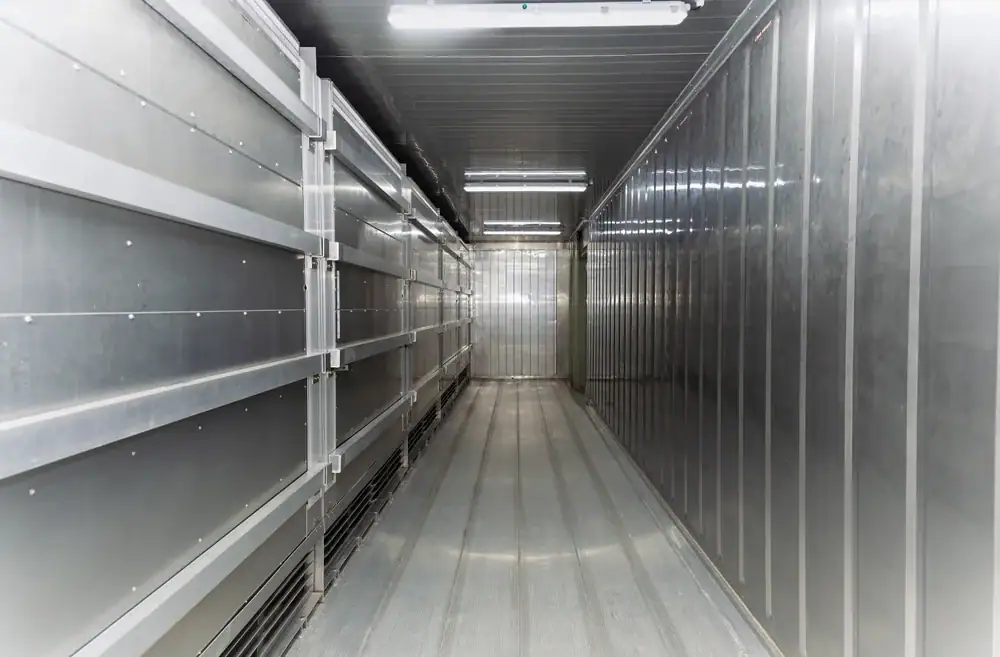
Your walk-in cooler doesn’t care that it’s Saturday night. It doesn’t care that you just stocked up for the weekend. When it fails, you’re scrambling to save thousands in inventory while turning away customers.
Most refrigeration problems don’t announce themselves. Your compressor starts running longer cycles. Your walk-in takes an extra hour to reach temp. Door seals feel slightly warm. By the time you notice something’s actually wrong, you’re already looking at a bigger repair bill.
Long Island’s climate makes everything harder. Summer humidity makes your condensers work overtime. Salt air from the ocean corrodes outdoor components faster than you’d expect. Winter freeze-thaw cycles stress seals and gaskets. Your equipment is constantly fighting the environment, and without proper maintenance, it’s a fight it will eventually lose.
Regular commercial refrigeration maintenance catches the small stuff before it becomes expensive. A $200 repair today prevents a $5,000 emergency next month. More importantly, it prevents the revenue loss that comes with downtime during your busiest hours.
We’ve been handling commercial refrigeration and marine HVAC across Nassau County for over 40 years. That’s not a marketing line—it’s thousands of service calls, hundreds of installations, and decades of watching Long Island businesses grow.
Mill Neck sits in the heart of Nassau County’s North Shore, where restaurants, delis, and catering operations serve some of the region’s most demanding customers. You need refrigeration systems that work without drama, and you need someone who answers the phone when things go wrong.
We’re not the cheapest option, and we don’t pretend to be. You’re paying for technicians who’ve seen every failure mode, every weird symptom, and every shortcut that causes problems down the road. No subcontractors. No surprises. Just certified techs who know commercial refrigeration inside and out.
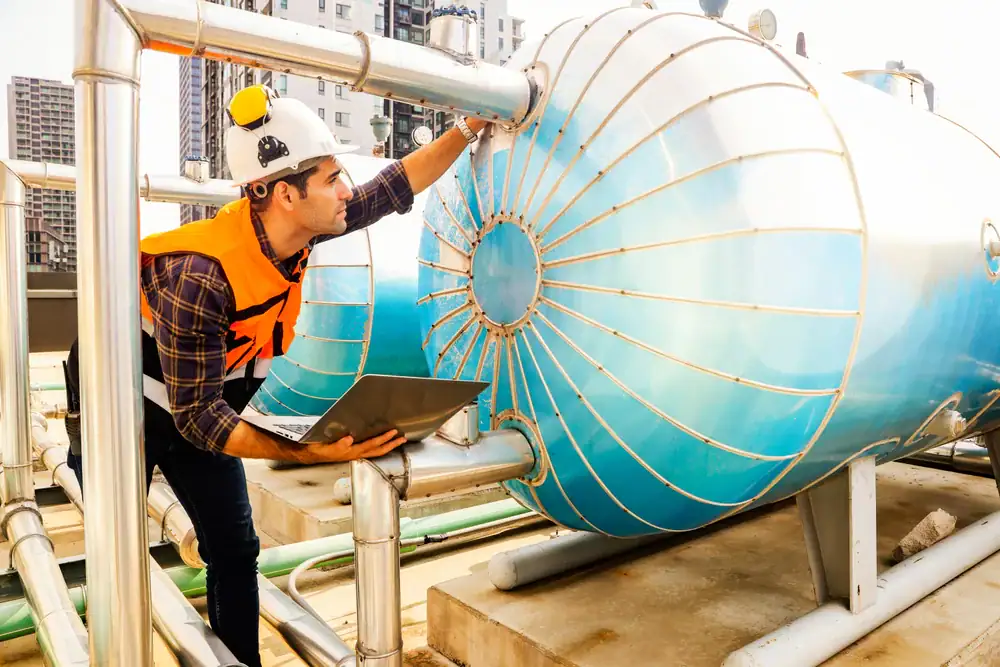
Every job starts with understanding what you actually need. We’re not showing up with a catalog trying to upsell you on features you’ll never use. We’re looking at your space, your volume, your peak hours, and your budget.
Site assessment covers electrical capacity, ventilation requirements, drainage, and how your kitchen or storage area actually operates during service. If your electrical panel can’t handle the load, we tell you before we start tearing walls open. If your proposed location creates workflow problems, we flag it early.
Installation includes everything—electrical connections, permits, health department compliance documentation, and staff training on proper operation. We’re coordinating with inspectors, scheduling around your business hours, and making sure you’re not losing service days because of poor planning.
Once the system is running, we walk your team through proper operation, what to watch for, and when to call us. You get maintenance scheduling recommendations based on your actual usage patterns, not generic intervals from a manual. Most importantly, you get our number for 24/7 emergency response, because refrigeration doesn’t fail on a convenient schedule.
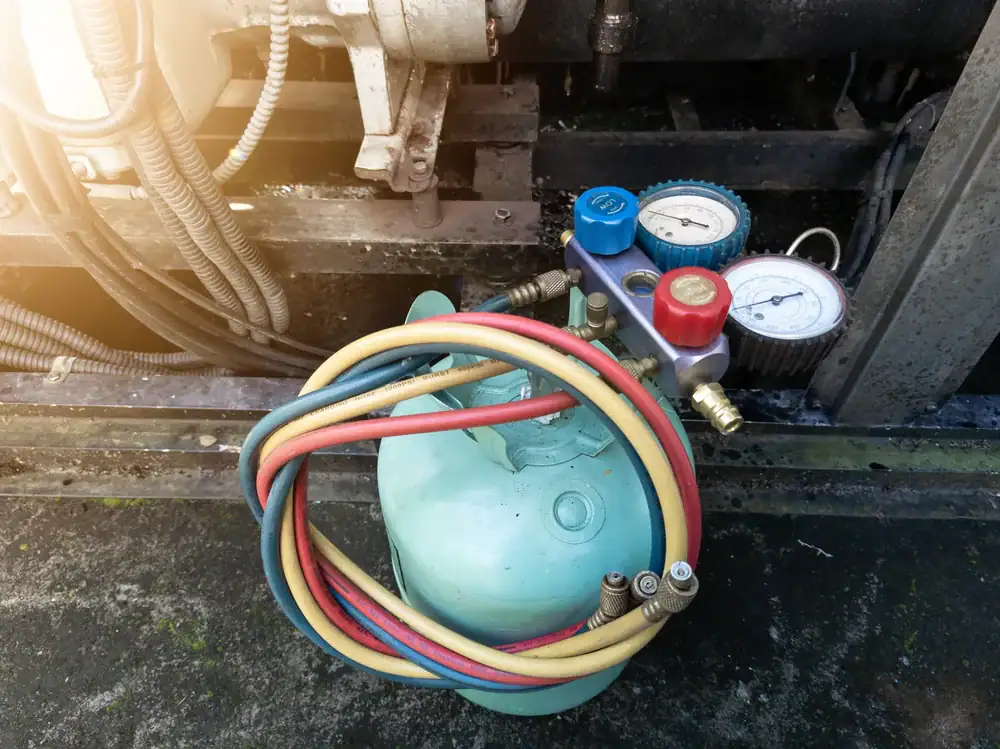
Ready to get started?
Commercial refrigeration service means different things to different companies. Here’s what it means when you call us.
Same-day emergency response isn’t just a promise—it’s how we operate. Our trucks carry parts for every major brand because waiting three days for a compressor while your inventory spoils isn’t acceptable. Most repairs get completed the same day, and when they don’t, we’re setting you up with temporary cooling solutions so you’re not dead in the water.
Preventive maintenance customers get priority scheduling and extended equipment life. We’re talking 15+ years from quality equipment instead of the 7-8 years you get when you run it until it breaks. Regular service catches refrigerant leaks before they damage compressors, identifies failing fan motors before they seize, and replaces worn contactors before they strand you on a holiday weekend.
Long Island businesses face specific challenges. The Hamptons see massive summer volume spikes that stress equipment. Delis in Mineola run steady year-round but can’t afford downtime. Catering operations need systems that handle variable loads without complaint. We’ve handled all of it, and we know what fails first in each scenario.
Energy efficiency improvements can cut your operating costs by 20-30% while meeting new refrigerant regulations. The AIM Act requires low-GWP refrigerants in all new commercial refrigeration equipment by January 2026. If you’re running old systems, you’re not just paying more in energy costs—you’re one major repair away from being forced into a full replacement because parts aren’t available anymore.
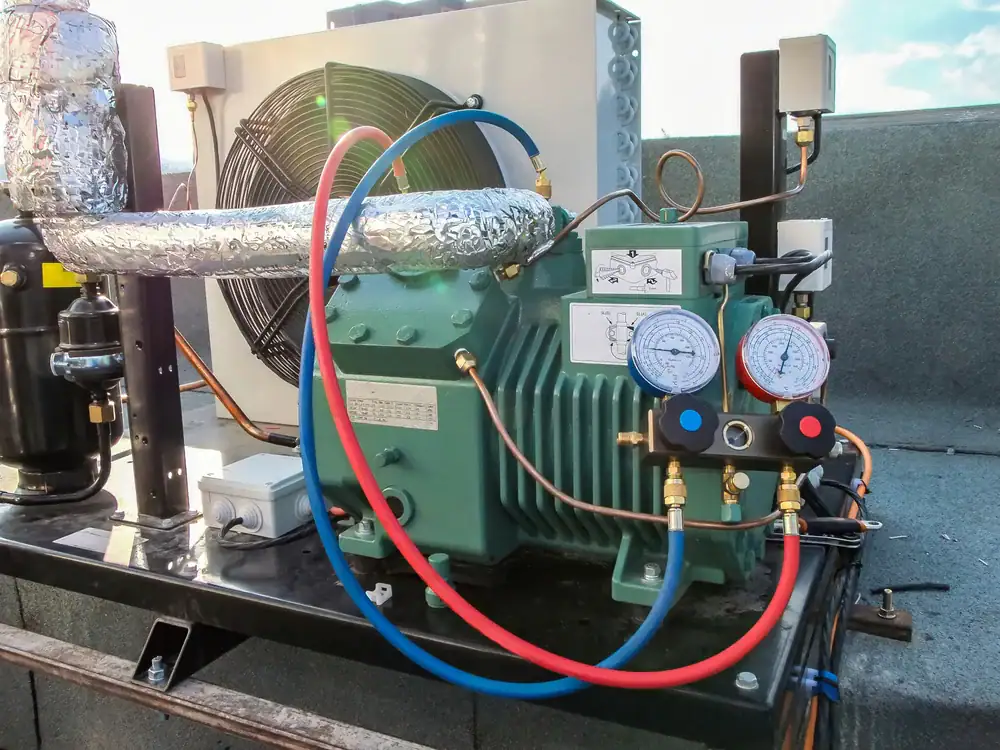
We offer 24/7 emergency response across Nassau County, including Mill Neck. When you call with a down system, we’re dispatching a truck with a certified technician and common parts for your equipment type.
Response time depends on where our trucks are and what time you call, but most Mill Neck service calls get same-day response. If we can’t get there immediately, we’re walking you through temporary measures to minimize product loss—like transferring inventory to working units or sourcing temporary cooling.
Our trucks stock parts for major brands specifically because waiting days for shipping isn’t realistic when you’re losing money every hour. If we need to order something unusual, we’re sourcing it from local suppliers or having it shipped overnight. The goal is getting you operational as fast as possible, not scheduling a convenient time for us to show up.
Real maintenance goes beyond changing filters and checking temperatures. We’re inspecting every component that commonly fails, testing system performance under load, and catching problems before they cause breakdowns.
That means checking refrigerant levels and looking for leaks. Testing compressor amp draw to identify motors working too hard. Inspecting condenser coils for corrosion from salt air. Checking door seals and gaskets for wear. Testing defrost systems. Verifying temperature controls are accurate. Cleaning drain lines before they clog and cause water damage.
For walk-in coolers and freezers, we’re also checking door hardware, interior lighting, and floor drains. We’re documenting everything so you have records for health inspections and warranty claims. Most importantly, we’re telling you what needs attention now versus what to budget for in the next 6-12 months. No surprise failures, no emergency repairs that could’ve been prevented.
Quality equipment with proper maintenance typically runs 15-20 years. Equipment that gets ignored until something breaks usually makes it 7-10 years before major components start failing faster than it’s worth repairing.
The difference is maintenance. Compressors are expensive, and they fail early when they’re running with low refrigerant, dirty coils, or failing contactors. A $300 annual maintenance visit prevents a $4,000 compressor replacement. More importantly, it prevents the downtime and lost revenue that comes with unexpected failures.
Long Island’s environment accelerates wear. Salt air corrodes outdoor components. Humidity makes condensers work harder. Temperature swings stress seals and gaskets. If you’re running equipment without regular service in this climate, you’re shortening its life significantly. We see it constantly—five-year-old systems that need major repairs because they’ve never been maintained, while our maintenance customers are getting 15+ years from similar equipment.
The obvious cost is lost inventory—walk-in cooler failures can spoil $5,000-$15,000 in product instantly. But that’s just the start.
You’re losing revenue during your busiest hours. Restaurants generate 40-60% of daily revenue during lunch and dinner rushes. If your cooler is down during service, you’re turning away customers or running with a limited menu. Those customers might not come back, and they’re definitely telling people about the experience.
Then there’s the emergency repair premium. After-hours service, expedited parts shipping, and emergency contractor rates can double or triple normal repair costs. A repair that would cost $800 during business hours becomes $2,000 at midnight on Saturday.
Studies show unplanned equipment failures cost food service businesses up to 11% of annual revenue when you factor in everything—lost product, lost sales, emergency repairs, and reputation damage. For a restaurant doing $500,000 annually, that’s $55,000. Preventive maintenance costs a fraction of that and eliminates most emergency scenarios entirely.
We work with all major commercial refrigeration brands and can service or repair most equipment currently in operation. Replacement only makes sense when repair costs approach replacement costs or when your equipment is so old that parts aren’t available anymore.
That said, some situations call for replacement even when repair is technically possible. If your system uses R-22 refrigerant and needs a major repair, you’re looking at expensive refrigerant costs and limited parts availability. If your equipment is 12-15 years old and needs a second major repair, you’re likely better off replacing it before the next failure.
We’re not pushing replacements to make sales. We’re giving you honest assessments based on repair costs, remaining equipment life, and operating efficiency. Sometimes the right answer is fixing what you have. Sometimes it’s replacing one unit and maintaining the others. We lay out the options with real numbers so you can make an informed decision.
Yes. We’ve been handling commercial refrigeration for restaurants, delis, catering operations, and food service businesses across Nassau and Suffolk Counties for over 40 years.
That includes walk-in coolers and freezers, reach-in units, prep tables, display cases, ice machines, and specialized equipment like beer systems. We handle new installations, emergency repairs, preventive maintenance, and equipment upgrades.
Food service refrigeration has specific requirements—health department compliance, food safety temperature monitoring, NSF-certified equipment, and systems that handle high-volume operations during peak hours. We know those requirements because we’ve been doing this long enough to have seen regulations change multiple times. We’re coordinating with health inspectors, providing compliance documentation, and making sure your equipment meets current standards. Whether you’re opening a new location or maintaining existing equipment, we’re handling the technical side so you can focus on running your business.