Hear from Our Customers
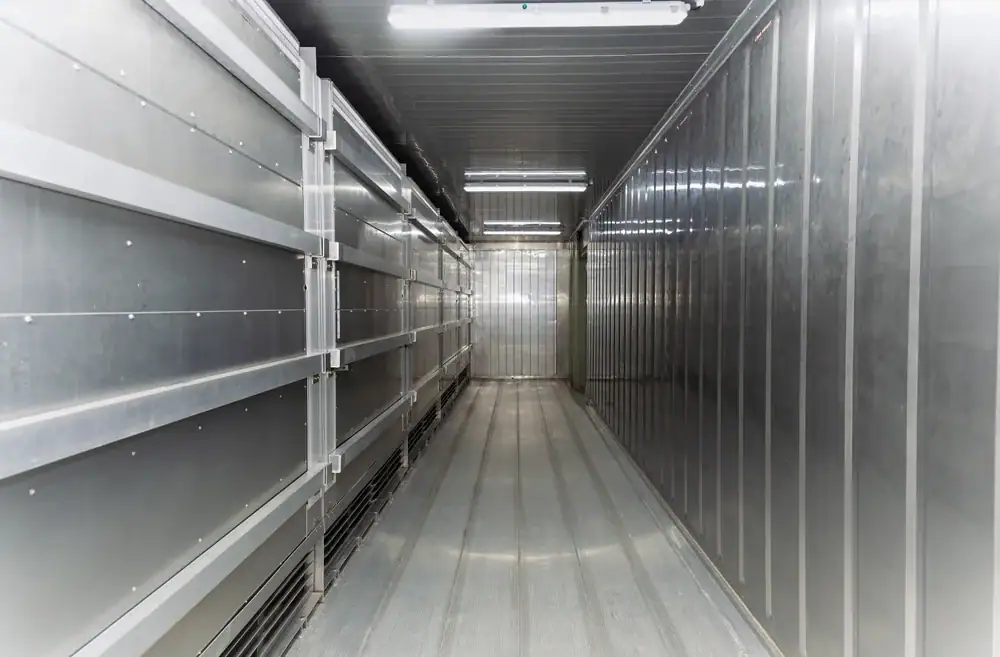
Your walk-in cooler isn’t just equipment. It’s what stands between a profitable day and thousands in spoiled inventory. When it goes down during peak season, you’re scrambling to save product, calling in favors, and watching money disappear.
Refrigeration systems in Napeague face conditions most equipment wasn’t designed for. Salt air corrodes outdoor components faster than you’d expect. Humidity makes compressors work overtime. Summer heat pushes older units past their limits.
You need systems that handle coastal wear without constant breakdowns. You need a team that understands how Long Island’s climate affects refrigeration performance. And when something does fail, you need someone who shows up the same day with the right parts and actually fixes the problem—not just resets the thermostat and calls it done.
We’ve been handling commercial refrigeration and marine HVAC across Long Island for over 40 years. We’ve worked with restaurants from Montauk to Bay Shore, yacht clubs along the North Shore, and food service operations throughout the Hamptons.
Napeague businesses deal with unique challenges. You’re close enough to the ocean that salt becomes a real problem for outdoor condensers. Your summer volume spikes hard, which means your refrigeration systems get pushed when you can least afford downtime.
We’ve seen what works here and what fails. We know which systems hold up to coastal conditions and which ones need constant babysitting. When you call, you’re talking to technicians who’ve actually worked on equipment in your area—not a call center routing you to whoever’s available.
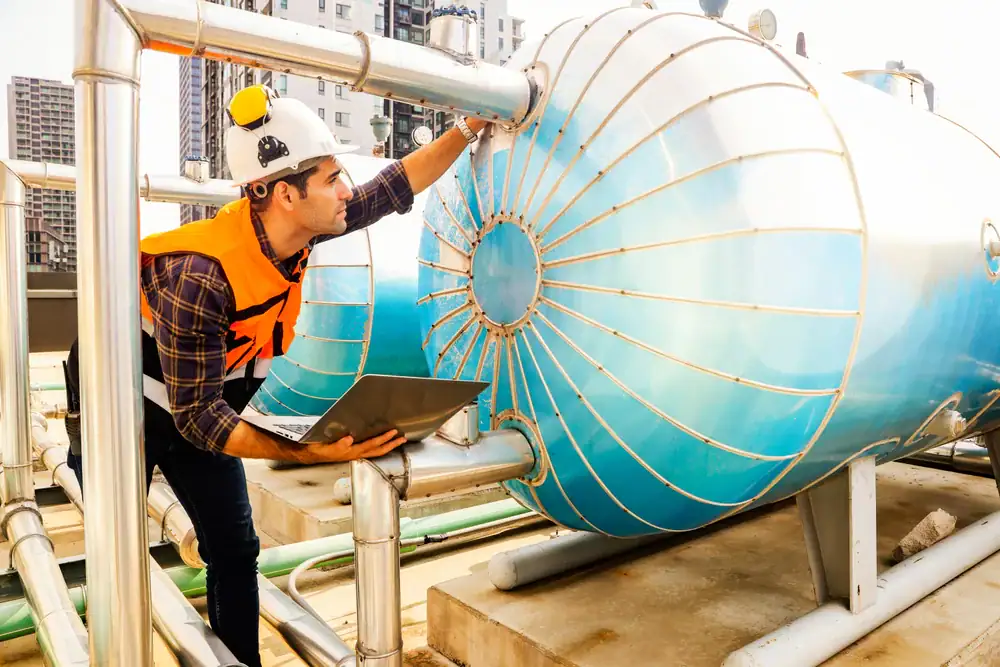
Most service calls start with a phone conversation. You tell us what’s happening—cooler not holding temp, compressor making noise, ice building up where it shouldn’t. We ask a few questions to narrow down the likely cause before we even leave the shop.
Our trucks carry parts for major brands because waiting three days for a compressor isn’t realistic when you’ve got product at risk. When we arrive, we diagnose the actual problem, not just the symptom. Dirty coils and worn door seals cause most issues, but we check refrigerant levels, electrical connections, and drainage to make sure we’re catching everything.
For new installations, we start by understanding your space and volume. A busy seafood market needs different capacity than a pizza shop. We calculate load requirements, coordinate with electricians if you need upgraded power, and make sure your setup meets health department standards. Then we install equipment that’s sized correctly for your operation—not oversized because it’s easier, and not undersized because it’s cheaper.
After installation or repair, we walk you through what we did and what to watch for. Maintenance customers get regular check-ins to catch problems before they become expensive failures. Most of our clients get 15+ years from their equipment because we’re fixing small issues during routine visits instead of responding to complete breakdowns.
Ready to get started?
You’re not just getting a repair visit. You’re getting technicians who understand food service refrigeration in coastal areas and what it takes to keep systems running when conditions aren’t ideal.
Emergency refrigeration repairs mean we’re responding within hours, not days. Our 24/7 availability isn’t marketing language—it’s how we operate because refrigeration emergencies don’t wait for Monday morning. We handle everything from walk-in coolers and reach-in freezers to prep table refrigeration and specialized beer systems.
Refrigeration maintenance catches the problems that lead to breakdowns. We’re cleaning coils that get clogged with salt and debris, checking door seals that wear out faster in humid conditions, and testing refrigerant levels before they drop low enough to cause compressor damage. Preventive work costs less than emergency calls, and it means you’re not dealing with failures during your busiest weeks.
New refrigeration installation covers the full process—from helping you choose equipment that matches your actual needs to coordinating electrical work and ensuring everything meets local codes. We’re not pushing the most expensive option. We’re recommending systems that fit your space, handle your volume, and won’t nickel-and-dime you with constant repairs.
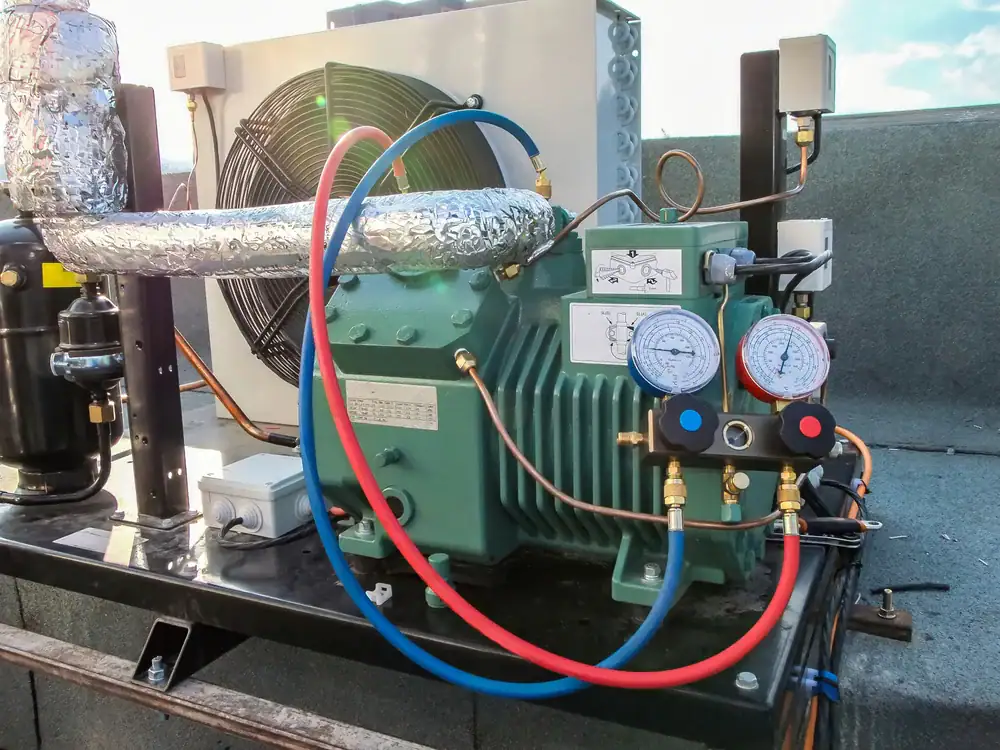
We typically respond within one to two hours for emergency calls in Napeague and surrounding areas. Our trucks are stocked with common parts for major brands, which means we’re often completing repairs the same day instead of scheduling a return visit after ordering components.
When you call with an emergency, we ask specific questions to identify the likely problem before we leave. That helps us bring the right parts and tools on the first trip. If your cooler is completely down and we can’t restore it immediately, we’ll talk through temporary solutions to minimize product loss while we source any specialized parts.
Our 24/7 emergency line isn’t an answering service that pages someone eventually. You’re reaching our team directly, and we’re already heading your way while we’re on the phone gathering details about your system.
Salt air is the biggest factor. It corrodes outdoor condenser components, electrical connections, and any exposed metal much faster than you’d see inland. Humidity also makes compressors work harder to maintain temperature, which increases wear on motors and shortens their lifespan.
Condensers located outside collect salt residue that blocks airflow and reduces cooling efficiency. That forces your system to run longer cycles to maintain the same temperature, which drives up energy costs and accelerates component wear. Door seals deteriorate faster in humid conditions too, which lets warm air infiltrate your cooler and makes the compressor cycle more frequently.
Regular maintenance matters more in Napeague than it does for businesses located further inland. We’re cleaning condenser coils more frequently, checking for corrosion on electrical components, and replacing seals before they fail completely. Those preventive steps significantly extend equipment life in coastal environments.
If your system is over 15 years old and needs a major repair like a compressor replacement, replacement usually makes more financial sense. Older systems use more energy, and that cost difference adds up quickly. Modern commercial refrigeration equipment uses 20-40% less electricity than units from the early 2000s.
Calculate what you’re spending on repairs over the past two years. If that number is approaching half the cost of new equipment, you’re throwing money at a system that’s going to keep failing. Older refrigerant types are also being phased out, which makes repairs increasingly expensive as those refrigerants become harder to source.
We’ll give you honest numbers on both options. Sometimes a repair buys you another few years at reasonable cost. Other times you’re better off investing in new equipment that won’t need constant attention and will cut your utility bills significantly. We’re not pushing new installations when a repair makes sense, but we’re also not going to patch a system that’s going to fail again in six months.
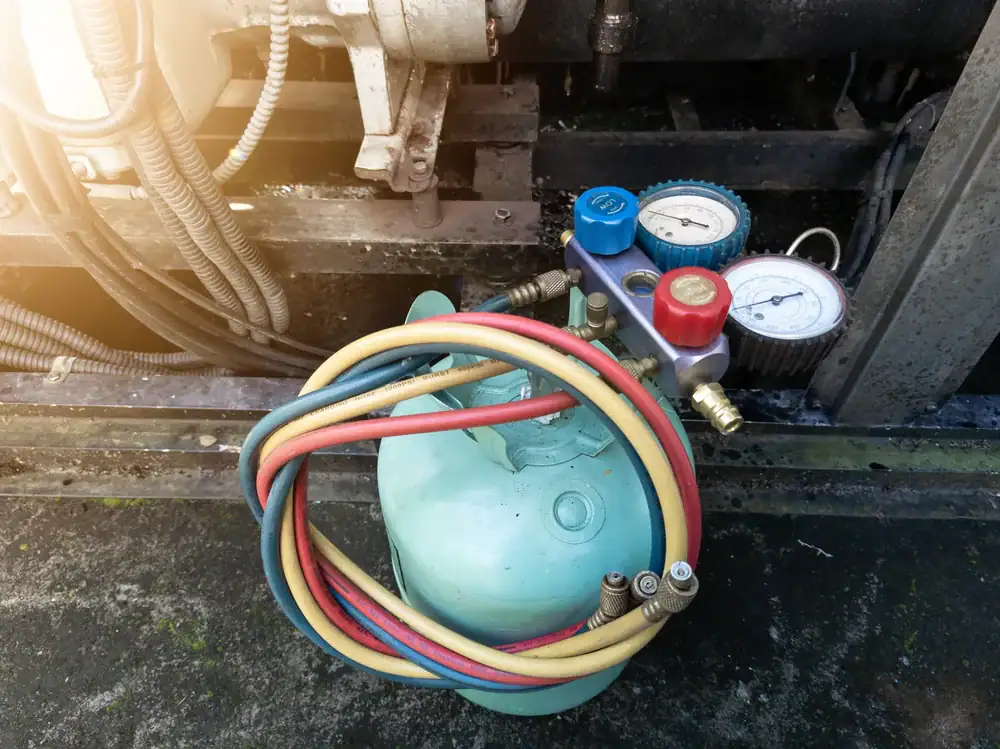
Our maintenance visits cover the work that prevents most breakdowns. We’re cleaning condenser and evaporator coils, which is critical in Napeague because salt and debris accumulate faster here than inland locations. We check refrigerant levels and look for small leaks before they become big problems.
Door seals get inspected and replaced when they show wear. We test temperature controls to make sure they’re accurate, check electrical connections for corrosion, and verify that drainage systems are flowing properly. We’re also looking at the overall condition of your equipment and flagging anything that’s likely to fail soon.
Maintenance customers get priority scheduling for service calls and better rates on repairs because we already know their systems. More importantly, they’re not dealing with surprise breakdowns during busy periods because we caught the worn fan motor or failing relay during a routine visit. Most of our maintenance clients get 15+ years from their equipment instead of replacing it after eight or ten years of reactive repairs.
Yes. We service all major commercial refrigeration brands including True, Turbo Air, Beverage-Air, Hoshizaki, Manitowoc, and others. Our technicians have four decades of combined experience across different manufacturers, which means we’re not learning your system on your dime.
We stock common parts for the brands most prevalent in Long Island food service operations. That’s why we can complete most repairs the same day instead of ordering parts and scheduling a return visit. For specialized components or less common brands, we have supplier relationships that get us parts quickly.
Some companies only work on equipment they sold. We’ll service any commercial refrigeration system regardless of where you bought it or who installed it. If it keeps food cold and it’s broken, we can fix it.
New York is phasing out high Global Warming Potential refrigerants faster than federal timelines require. If you’re installing new equipment or doing a major repair that requires significant refrigerant replacement, you need to use approved alternatives. R-22 is essentially unavailable now, and R-404A is being restricted for new installations.
This affects you if you’re running older equipment. When those systems need refrigerant, you’re paying premium prices for diminishing supply. At some point, the refrigerant cost alone makes repair impractical compared to upgrading to a system using current refrigerants like R-448A or R-449A.
We stay current on refrigerant regulations because they change frequently and vary by application. When we’re quoting repair versus replacement, we factor in refrigerant availability and cost. Sometimes a system that looks repairable on paper isn’t practical once you account for refrigerant expenses and future regulatory changes that might make that refrigerant completely unavailable in a year or two.