
Hear from Our Customers
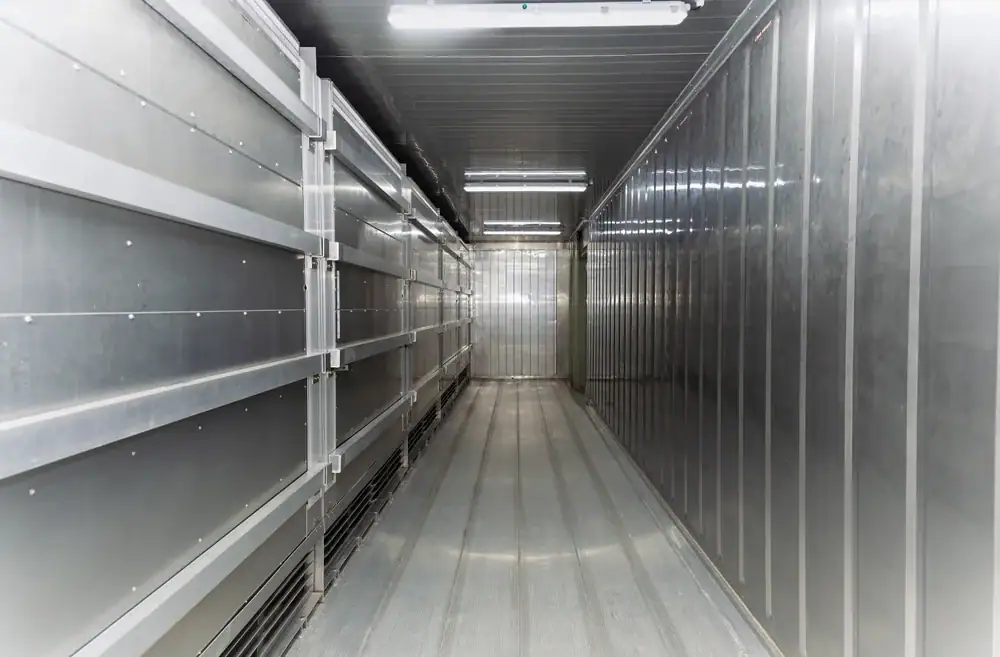
You stop worrying about weekend failures. Your walk-in holds temp through the summer rush, your health inspector signs off without drama, and you’re not dumping thousands in spoiled inventory because something quit on a Friday night.
That’s what reliable refrigeration systems look like. Not equipment that limps along until it doesn’t. Not service calls that fix symptoms and leave you with the same problem three weeks later.
You get systems designed for your actual usage—how many times that door opens, what your peak volume looks like, how Long Island summers hit your building. You get installation that accounts for permits, health codes, and the stuff that makes or breaks an inspection. And when something does go wrong, you get someone who shows up, carries the parts, and fixes it right the first time.
Most businesses don’t think about refrigeration until it stops working. By then, you’re losing money by the hour. The better approach is working with people who’ve spent four decades making sure it doesn’t get to that point.
We’ve been handling commercial refrigeration and marine HVAC across Long Island for over 40 years. We’re the people restaurants call when their walk-in goes down during dinner service. We’re who marinas trust with saltwater-environment cooling systems that most contractors won’t touch.
Orient and the surrounding Suffolk County area come with specific challenges—coastal humidity, seasonal volume swings, older buildings that weren’t designed for modern equipment loads. We’ve seen it all, fixed it all, and installed systems that are still running 15 years later.
We’re not the cheapest option, and we’re fine with that. You’re paying for installations that pass inspection the first time, repairs that actually solve the problem, and four decades of knowing exactly what works in this market.
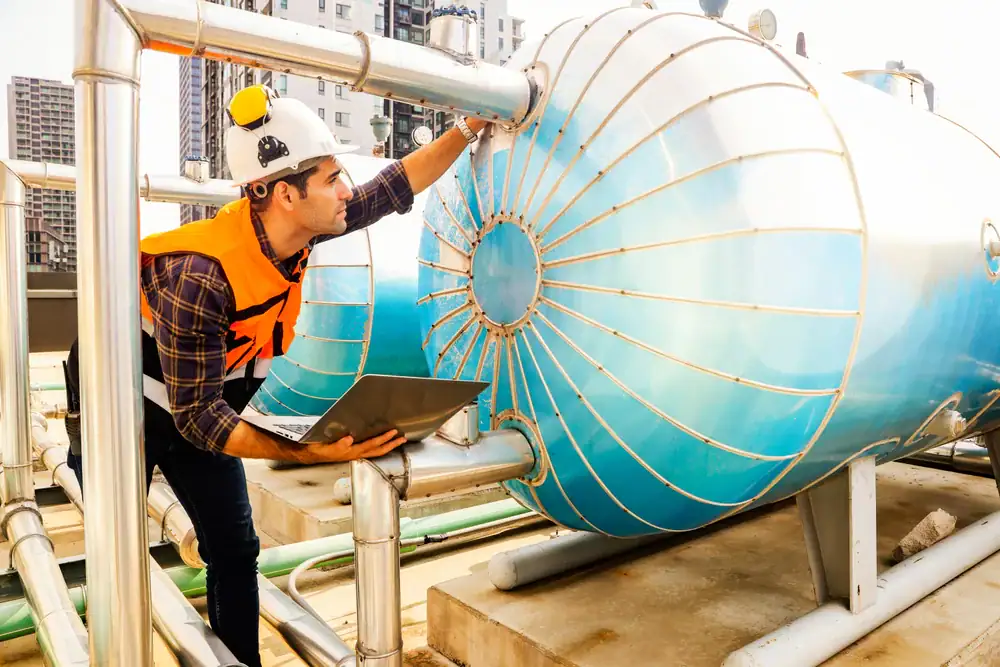
You reach out, we come look at your space. Not a sales pitch—an actual assessment of what you need based on your volume, your layout, and how you actually use the equipment. We’re measuring door traffic, checking electrical capacity, talking through your peak seasons.
From there, we design a system that fits. That means properly sized compressors, coils that can handle your ambient temps, and components that won’t quit when you need them most. We handle permits, coordinate with health departments, and make sure everything meets NSF standards before we even start the install.
Installation happens on your schedule. We work around your hours because shutting down for three days isn’t an option for most businesses. Once it’s in, we test it under load, walk you through maintenance basics, and make sure you have our number for the inevitable 2 a.m. call that hopefully never comes.
After that, you’re either on a maintenance plan—which is how you get 15+ years out of equipment—or you call us when something breaks. Either way, we’re picking up the phone and we’re showing up with parts.
Ready to get started?
You get refrigeration systems engineered for Long Island’s climate and your specific business demands. That includes proper load calculations, energy-efficient components that cut your operating costs, and equipment that’s actually rated for the work you’re asking it to do.
Orient’s location on the North Fork means you’re dealing with salt air, temperature swings, and summer crowds that can overwhelm undersized systems. We account for that. Your walk-in cooler gets marine-grade components if you’re near the water. Your condensers get positioned where they’re not fighting direct sun all afternoon. Your refrigerant lines are sized to handle peak load, not just average use.
For restaurants, delis, and catering operations, that means compliance with FDA Food Code requirements—the stuff that keeps health inspectors happy and your doors open. We’re talking proper temp holds, documentation-ready systems, and installations that meet Suffolk County’s specific codes.
You also get access to 24/7 emergency service, because equipment doesn’t care that it’s Sunday morning. Most repairs happen same-day because our trucks carry parts for every major brand. And if you’re on a maintenance plan, you’re catching problems before they become failures—which is why our maintenance customers routinely get 15-plus years from their equipment instead of five.
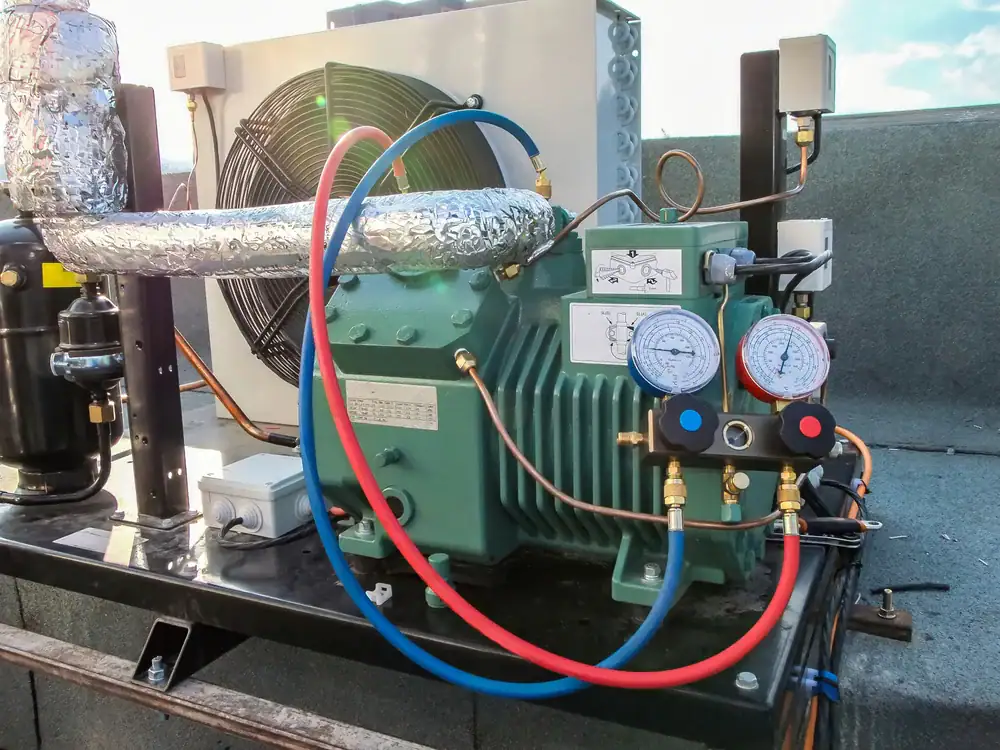
Most walk-in cooler or freezer installations take two to four days, depending on the size and complexity of your setup. That includes electrical work, setting the box, installing refrigeration lines, and testing everything under actual load conditions.
We schedule around your business hours whenever possible. If you can’t shut down for multiple days, we’ll stage the work—prepping electrical and positioning equipment during off-hours, then completing the final connections and startup when it works for you.
The timeline also depends on permits and inspections. Suffolk County requires permits for most commercial refrigeration installations, and we handle that process. If your project needs health department sign-off before you can operate, we coordinate that too. The goal is getting you up and running without surprises or delays that cost you revenue.
If your compressor fails and your system is less than seven years old, repair usually makes sense—you’re looking at $1,500 to $3,500 depending on size and refrigerant type. If that same compressor fails on a 12-year-old system that’s already had multiple repairs, you’re throwing money at equipment that’s going to keep breaking.
Here’s the math that matters: a new walk-in system runs $8,000 to $25,000 installed, depending on size. That system should give you 15 years of reliable service with proper maintenance. An old system on life support might save you money this month, but you’re paying for emergency repairs, losing inventory to temp fluctuations, and risking a total failure during your busiest season.
We’ll tell you honestly which makes sense for your situation. Sometimes a repair buys you another three years. Sometimes you’re better off replacing now and avoiding the weekend emergency that costs you five figures in spoiled product. It depends on the age of your equipment, your repair history, and whether you’re dealing with a simple fix or a symptom of bigger problems.
Every three to four months if you want to avoid expensive failures. That’s not a sales pitch—that’s what actually keeps equipment running in commercial environments where doors open constantly and systems run 24/7.
Maintenance means cleaning coils, checking refrigerant levels, inspecting door seals, testing controls, and catching small problems before they become big ones. Dirty coils alone can cut efficiency by 30% and force your compressor to work twice as hard. Worn door gaskets let warm air in constantly, making your system run longer cycles and driving up energy costs.
Most equipment failures we see are preventable. A $200 quarterly maintenance visit catches the worn contactor before it fails and costs you $2,000 in emergency service plus lost inventory. Our maintenance customers routinely get 15-plus years from their systems because we’re addressing issues at the “this will be a problem in two months” stage, not the “your compressor just seized” stage.
You need marine-grade components and proper placement, or you’re replacing corroded parts every few years. Salt air destroys standard condensers, electrical connections, and any exposed metal that isn’t specifically rated for coastal environments.
For Orient and other North Fork locations, that means condensers with coated coils, stainless hardware, and positioning that keeps them out of direct salt spray when possible. Your evaporator coils need to be sized for higher ambient temps and humidity levels that come with being near the water. And your electrical connections need to be sealed and protected, because corrosion causes failures that look like electrical problems but are really environmental damage.
We also see a lot of restaurants in this area that are seasonal or see massive summer volume increases. Your refrigeration system needs to be sized for peak load, not average use. A system that barely keeps up in July is going to fail when you need it most. Proper sizing means accounting for those weekend rushes when your walk-in is getting opened every three minutes and you’re storing twice your normal inventory.
Yes, for most installations and any work involving refrigerant or electrical modifications. Suffolk County requires permits for new refrigeration system installations, compressor replacements, and refrigerant line work. You also need licensed contractors to pull those permits—this isn’t DIY territory.
The permit process exists for good reasons. Inspectors verify that your electrical service can handle the load, that refrigerant lines are properly sized and installed, and that everything meets current code. If you skip permits and something goes wrong—or if a health inspector notices unpermitted work—you’re looking at fines, forced shutdowns, and having to rip out and redo work to bring it up to code.
We handle the entire permit process as part of installation. That includes submitting plans, coordinating inspections, and making sure everything passes the first time. For restaurant and food service businesses, this also ties into health department requirements. Your refrigeration system needs to meet FDA Food Code standards for temp control and documentation, and permitted installations make that process much simpler when inspection time comes.
Dirty coils, worn door seals, and deferred maintenance. Those three issues account for about 80% of the emergency calls we run. None of them happen overnight—they’re all problems that build over months until something finally gives out at the worst possible time.
Dirty condenser coils force your compressor to work harder and run hotter. Eventually, it overheats and fails, usually during your busiest period when the system is under maximum load. Worn door gaskets let warm, humid air into your walk-in constantly. Your system runs longer cycles trying to compensate, components wear out faster, and you’re burning energy the entire time.
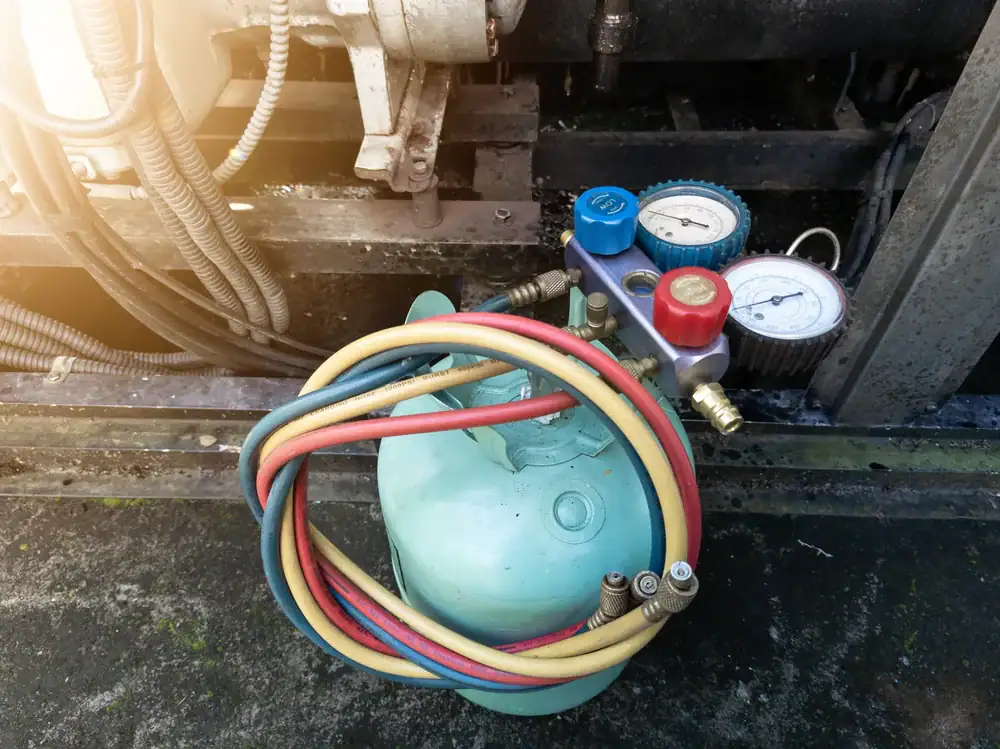
The other common culprit is refrigerant leaks. Small leaks reduce capacity gradually—you might not notice until summer hits and your cooler can’t keep up anymore. By then, you’re losing temp during service, risking food safety issues, and facing a much bigger repair than if you’d caught it during routine maintenance.
This is why maintenance matters. A technician spots the worn gasket, the dirty coils, or the slow refrigerant leak during a routine visit when it’s a minor fix. Skip maintenance, and that minor fix becomes an emergency repair that costs five times as much and happens when you can least afford the downtime.