Hear from Our Customers
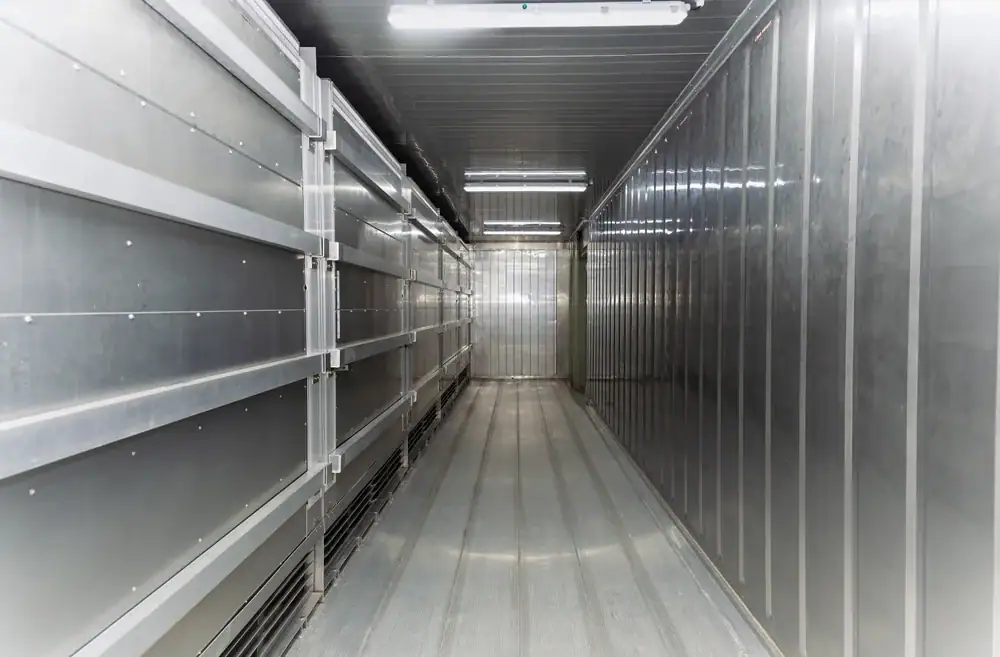
You’re not calling someone at 2 AM because your walk-in stopped cooling. You’re not throwing away $8,000 worth of seafood or produce because a compressor died during your busiest weekend. You’re not scrambling to find ice or temporary storage while your customers wait.
Your refrigeration system just works. The temperatures stay consistent. Your health inspections go smoothly. Your energy bills don’t spike every summer when the humidity rolls in off the Sound.
That’s what proper commercial refrigeration looks like in Plandome—and it starts with understanding what your business actually needs. Not the biggest system. Not the cheapest one. The right one, installed correctly, maintained regularly, and backed by people who answer the phone when something goes wrong.
We’ve spent over 40 years working on commercial refrigeration across Nassau County. We’ve handled everything from small deli coolers to complex marine HVAC systems on yachts docked in Manhasset Bay.
Plandome’s location creates specific challenges for refrigeration equipment. The salt air accelerates corrosion. The humidity makes systems work harder. The high-end restaurants and catering operations here can’t afford downtime during wedding season or summer events.
We know this market because we’ve been in it since before most of your competitors opened. We’ve seen what fails, what lasts, and what actually makes sense for businesses operating in this specific environment.
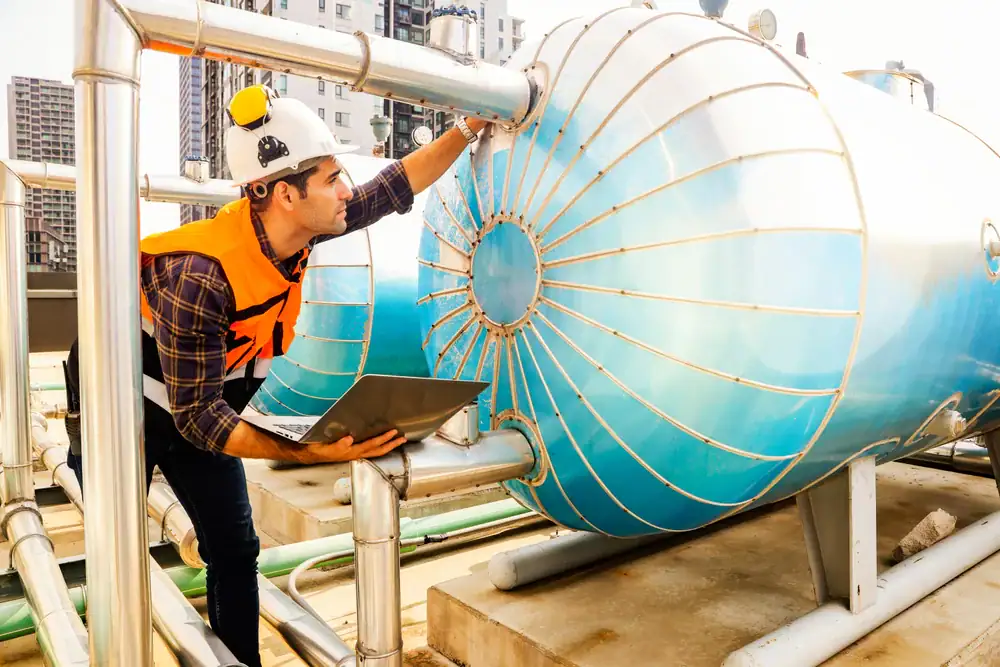
First, we calculate what you actually need. That means accounting for your peak inventory, how often doors open, your kitchen’s ambient temperature, and the specific demands of your operation. A seafood market needs different capacity than a pizza shop.
Then we design the system around your space and usage patterns. We handle permits, coordinate with health departments, and make sure everything meets Nassau County codes before installation starts.
Installation happens on your timeline—not ours. We know you can’t shut down for three days during your busy season. We work around your hours and get systems operational fast.
After installation, we set up preventive maintenance. Most emergency calls we get could have been avoided with regular service. Dirty coils, worn door gaskets, and refrigerant leaks don’t happen overnight—they build up. Catching them early means you’re not dealing with catastrophic failures when you’re fully stocked for a holiday weekend.
Ready to get started?
You get 24/7 emergency response when something fails. Not “we’ll call you back Monday” service—actual round-the-clock availability. Our trucks carry parts for major brands, which means we complete about 70% of emergency repairs on-site during the first visit.
You get maintenance programs designed around Long Island’s climate. The salt air here isn’t just hard on boats—it’s brutal on refrigeration coils and condensers. Regular cleaning and inspection prevent the corrosion that kills systems prematurely.
You get energy-efficient solutions that actually lower your operating costs. Newer refrigeration systems use less power and meet updated refrigerant standards. PSEG Long Island offers rebates for qualifying equipment, which we help you navigate.
For businesses in Plandome specifically, you’re dealing with higher property costs and operating expenses than most of Long Island. Your refrigeration system needs to last 10-15 years minimum, not fail after five because someone cut corners on installation or skipped maintenance.
We offer 24/7 emergency service throughout Nassau County, including Plandome. Response time depends on our current call volume and your location, but we typically arrive within a few hours of your call.
When you contact us for an emergency, we do two things immediately: dispatch a technician and walk you through temporary measures to minimize losses. Sometimes that means transferring inventory, adjusting thermostats, or identifying which circuit breaker controls your backup systems.
Our service trucks stock common parts for major refrigeration brands. That inventory means we can complete most repairs during the first visit instead of ordering parts and coming back days later while your system stays down.
Regular maintenance covers the components that typically cause failures: coils, condensers, door gaskets, refrigerant levels, and electrical connections. We clean coils that get clogged with dust and salt residue, check door seals that wear out from constant use, and test refrigerant pressure before small leaks become big problems.
For restaurants specifically, we also inspect your ice machines, walk-in coolers, reach-in refrigerators, and any specialized equipment like beer systems. Each piece of equipment gets checked on a schedule based on its age, usage, and manufacturer recommendations.
Maintenance visits also include temperature verification to ensure you’re meeting health code requirements. We document everything, which helps during inspections and gives you records if equipment needs warranty work.
Age is the first factor. If your system is over 10-12 years old and needs a major repair—like a compressor replacement—you’re often better off replacing it. Compressors are expensive, and older systems use outdated refrigerants that are being phased out.
Frequency of repairs matters too. If you’re calling for service every few months, you’re spending more on repairs than a new system would cost in payments. Plus you’re dealing with constant downtime and the risk of complete failure.
Energy costs are the third consideration. Older refrigeration systems can use 30-40% more electricity than modern equipment. If your energy bills have been climbing, a new energy-efficient system might pay for itself in savings over five years. We can run the numbers with you based on your current usage and compare it to what newer systems would cost to operate.
The salt air from Manhasset Bay accelerates corrosion on outdoor condensers and any exposed components. That means more frequent coil cleaning and earlier replacement of parts that would last longer inland.
Plandome’s high humidity during summer makes refrigeration systems work harder to maintain temperature. Your compressors run longer cycles, which increases wear and energy consumption. Systems need to be sized correctly for these conditions—undersized equipment will fail prematurely.
The affluent market here also means higher expectations. Your customers notice if seafood isn’t cold enough or if produce looks wilted. Your reputation depends on consistent refrigeration performance, which means you can’t afford the downtime that some businesses might tolerate. That’s why having a reliable service provider who understands local conditions matters more here than in other markets.
Yes, marine HVAC and refrigeration is actually one of our specializations. We work with yacht clubs throughout the area, including facilities in Manhasset Bay, and we service vessels from Montauk to Manhattan.
Marine refrigeration is more complex than land-based systems. You’re dealing with space constraints, power limitations, saltwater corrosion, and constant motion that affects how systems operate. The refrigerants and components need to handle marine environments, and installation requires understanding boat electrical systems.
We hold EPA Section 608 certification for refrigerant handling and have decades of experience with marine applications. Whether you need a new system installed on your yacht or emergency repairs while you’re docked in Plandome, we handle both the technical work and the unique logistics of marine service.
Installation costs vary based on system size, complexity, and your facility’s specific requirements. A basic reach-in cooler for a small operation might run a few thousand dollars. A walk-in cooler or freezer for a full-service restaurant could be $15,000-$30,000 or more depending on size and features.
Custom installations cost more because they require engineering work, specialized equipment, and longer installation time. If you’re retrofitting refrigeration into an older building or need systems that meet specific health code requirements, expect additional costs for permits, electrical upgrades, and structural modifications.
We provide free estimates that break down exactly what you’re paying for: equipment, labor, permits, and any additional work your installation requires. We’re not the cheapest option in Nassau County, and that’s intentional. You’re paying for proper sizing, quality installation, and the confidence that your system will last 10-15 years instead of failing after five because someone cut corners. The upfront difference in cost is smaller than one major emergency repair or inventory loss.