Not sure if your walk-in cooler or commercial refrigerator is worth repairing? Learn the real lifespan of commercial refrigeration systems and when replacement makes more sense than another repair bill.
Share:
Summary:
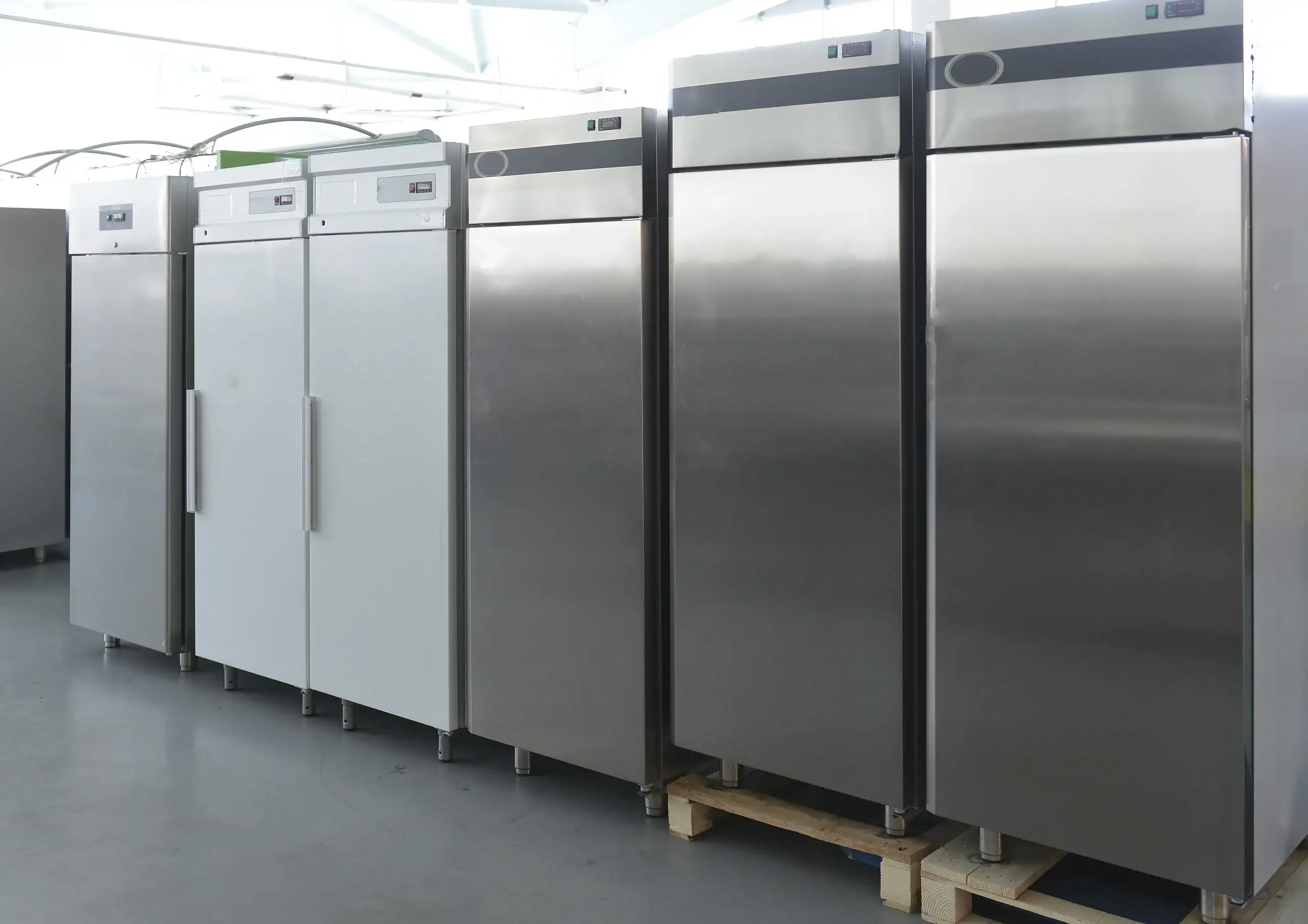
Walk into any commercial kitchen and you’ll see different types of refrigeration equipment, each with its own expected lifespan. Reach-in refrigerators generally last 10 to 15 years. These are your workhorse units that get opened constantly throughout service, which puts stress on door seals, hinges, and the cooling system itself.
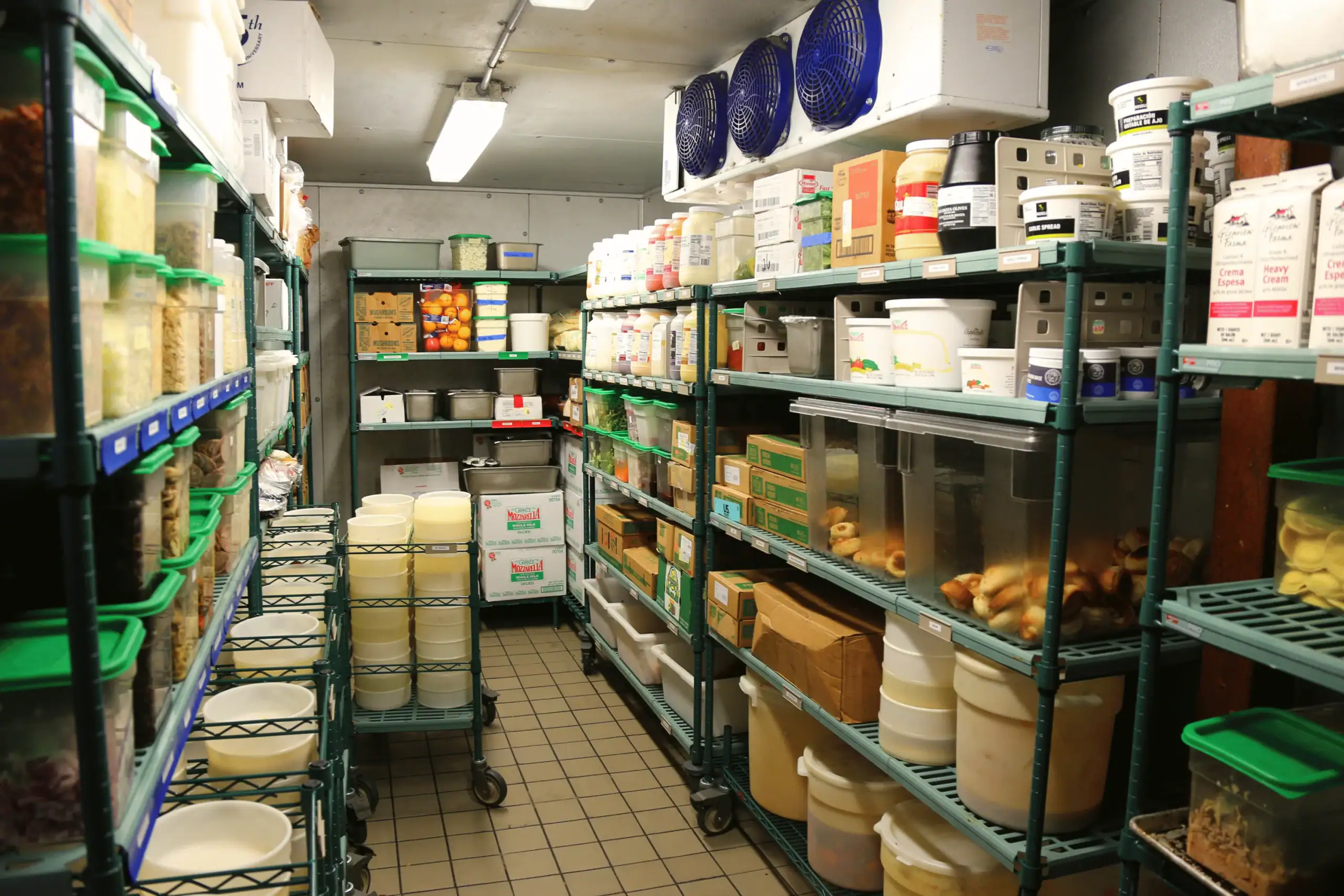
Walk-in coolers and freezers typically outlast reach-ins, often hitting 15 to 20 years when properly maintained. The larger thermal mass and less frequent door openings give these units an advantage. But that doesn’t mean you can ignore them. A walk-in cooler in a high-volume restaurant still faces more wear than one in a hotel storing bulk items that rarely change.
Undercounter units and prep tables usually fall on the shorter end, around 10 to 12 years. Their compact size and constant accessibility mean components work harder to maintain temperature. Bar refrigerators face similar challenges, especially when staff are pulling bottles every few minutes during a busy shift.
The manufacturer’s estimated lifespan is just a starting point. What happens in your kitchen determines whether you get 8 years or 20 years out of a commercial refrigerator.
Usage intensity matters more than most people realize. A deli that’s open 10 hours a day, five days a week puts completely different demands on equipment than a 24-hour diner or a catering operation that runs heavy volume on weekends. Every time someone opens a door, warm air rushes in and the compressor has to work to bring the temperature back down. Multiply that by hundreds of openings per day and you’re looking at significantly more wear on motors, compressors, and cooling components.
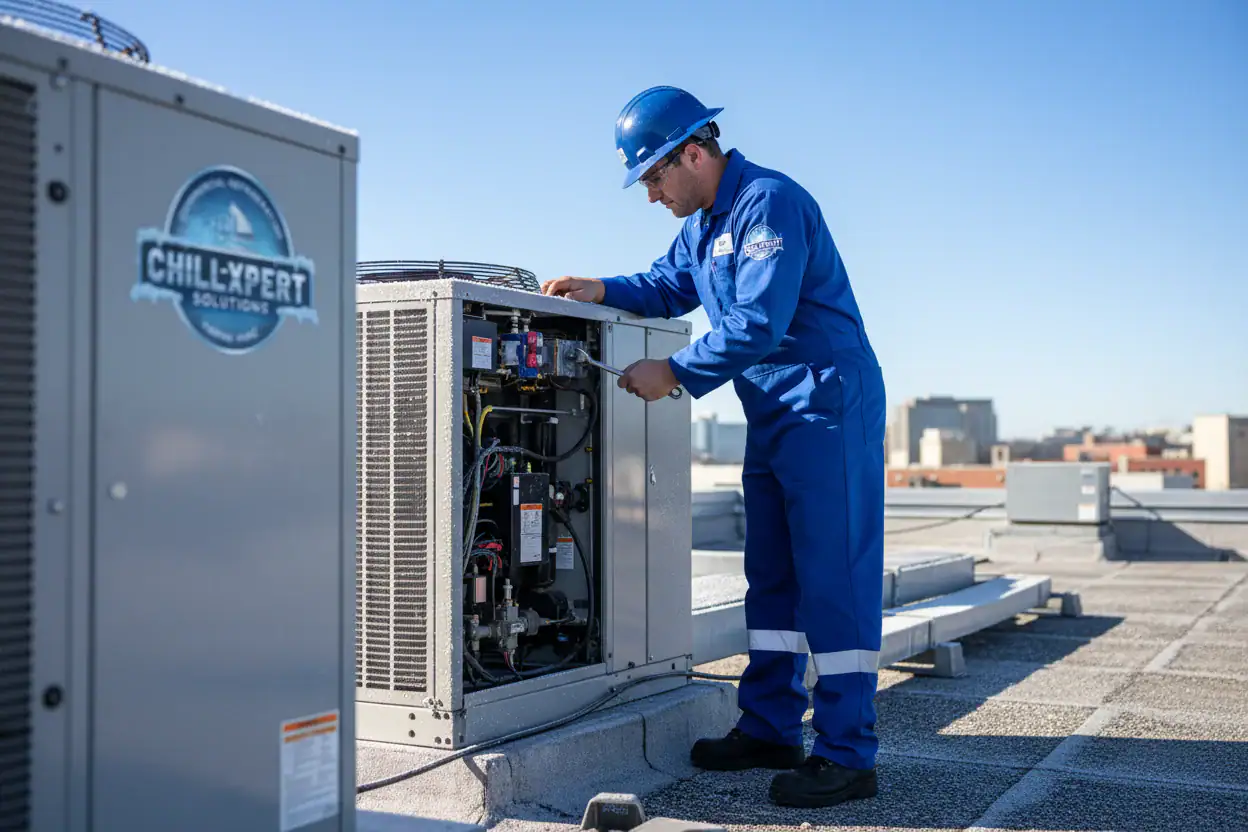
The environment where your equipment operates plays a huge role too. Here on Long Island, summer humidity makes compressors work overtime. Coastal locations deal with salt air that corrodes outdoor components faster. A hot kitchen with poor ventilation forces refrigeration systems to fight against ambient heat all day long. These aren’t small factors. They’re the difference between equipment lasting its full expected lifespan or failing years early.
Installation quality sets the stage for everything that follows. A unit that wasn’t leveled properly, doesn’t have adequate clearance for ventilation, or was connected to insufficient power supply starts its life at a disadvantage. You might not see problems immediately, but that poor installation creates stress that accumulates over years.
Maintenance is where most businesses either extend their equipment’s life or cut it short. Regular cleaning of condenser coils, checking door seals, monitoring refrigerant levels, and addressing small issues before they cascade into major failures can add 30% or more to your equipment’s lifespan. On the flip side, neglect can cut that lifespan in half. A commercial refrigerator that should last 15 years might need replacement at 7 or 8 years if it never received proper maintenance.
The quality of the equipment itself obviously matters. A well-built unit from a reputable manufacturer, installed correctly and maintained properly, can outlast cheaper alternatives by years. But even the best equipment won’t overcome neglect or abuse.
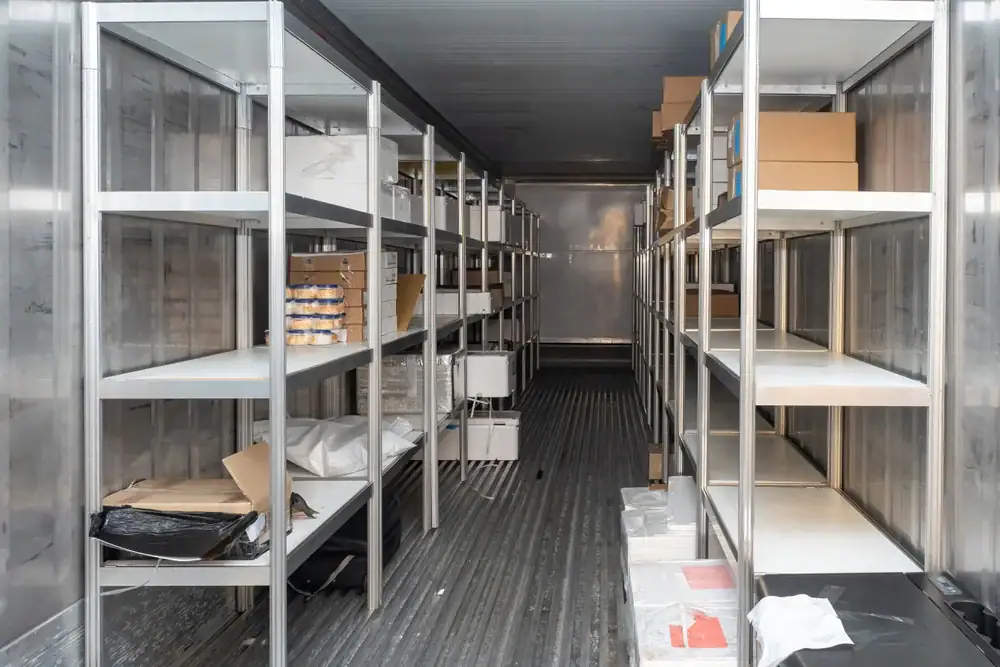
Walk-in coolers represent a significant investment, so understanding their realistic lifespan helps you plan for eventual replacement. Most manufacturers estimate 15 years as average, but the range is wide. Some units serve businesses well for 20 to 25 years. Others need replacement before hitting the 10-year mark.
The difference comes down to how hard they work. A walk-in cooler at a busy restaurant that’s accessed dozens of times per shift experiences dramatically more wear than one at a hotel storing bulk beverages that only gets opened a few times daily. Each door opening lets in warm, humid air. The refrigeration system has to remove that heat and moisture, putting stress on the compressor, evaporator, and other components.
Location matters significantly for walk-ins. A unit installed outdoors or in a hot kitchen works harder than one in a climate-controlled space. Here on Long Island, the combination of humid summers and proximity to salt air creates challenging conditions. Restaurants along the coast often need more frequent maintenance just to keep pace with corrosion and humidity-related issues.
The panels and insulation that make up the walk-in structure can last 25 years or more if installed correctly and kept dry. But the refrigeration components typically have a shorter lifespan. Compressors, evaporator coils, and condensers usually need replacement every 10 to 15 years even when the box itself remains solid. This creates a decision point: do you invest in new refrigeration components for an aging walk-in, or replace the entire system?
Door seals and gaskets wear out faster than any other component. These might need replacement every few years in high-traffic environments. Ignoring worn gaskets forces the refrigeration system to run constantly, which accelerates wear on more expensive components. A $200 gasket replacement can prevent a $3,000 compressor failure down the line.
Flooring in walk-ins takes significant abuse. Heavy carts, dropped kegs, and constant foot traffic create dents and damage. Most walk-in floors are designed for specific weight loads. Exceeding those loads shortens the floor’s lifespan and can damage the structure underneath. Replacing walk-in flooring isn’t cheap, but it’s still less expensive than replacing the entire unit.
Refrigeration systems themselves vary in longevity based on type. Top-mounted systems are easier to service but more exposed to kitchen heat. Remote systems last longer because they’re not fighting ambient temperature, but they cost more upfront and require more complex installation.
Want live answers?
Connect with a Chill Xpert Solutions expert for fast, friendly support.
Every restaurant owner and facility manager eventually faces this question: is this repair worth it, or should I replace the whole unit? The answer affects your budget, your operations, and your stress level for years to come.
Age is the first factor to consider. If your commercial refrigerator is under 5 years old and needs repair, fixing it almost always makes sense unless you’re looking at catastrophic failure. Between 5 and 10 years, you’re in the gray zone where each situation needs evaluation. Once equipment crosses the 10-year mark, every repair decision deserves closer scrutiny.
The 50% rule provides a practical guideline: if the repair cost exceeds 50% of what a new unit would cost, replacement usually makes more financial sense. A $2,000 compressor replacement might seem expensive, but if a comparable new unit costs $6,000, the repair is reasonable. That same $2,000 repair on a unit where replacement costs $3,500 doesn’t make sense, especially if the equipment is already 10+ years old.
Some problems announce themselves loudly. Others creep up gradually until you’re facing an emergency. Knowing what to watch for helps you plan replacement before you’re dealing with spoiled inventory and an angry health inspector.
Temperature inconsistency is often the first sign of serious trouble. If you’re constantly adjusting the thermostat or noticing some areas are colder than others, the refrigeration system is struggling. This might be a repairable issue when equipment is relatively new. On an older unit, it often signals that multiple components are wearing out simultaneously.
Your energy bills tell a story if you’re paying attention. A sudden spike in electricity costs often means refrigeration equipment is working much harder to maintain temperature. Dirty condenser coils can cause this. So can a failing compressor, worn door seals, or refrigerant leaks. When you’re seeing 15-20% higher energy costs without any change in usage, your equipment is telling you something’s wrong.
Constant running without cycling off is a red flag. Refrigeration systems should cycle on and off as they maintain temperature. A compressor that runs continuously is either fighting a losing battle against warm air infiltration or struggling with failing components. Either way, you’re burning through electricity and accelerating wear on the system.
Unusual noises deserve immediate attention. A gentle hum is normal. Grinding, rattling, clicking, or banging sounds indicate mechanical problems. These might be as simple as a loose fan blade or as serious as a failing compressor. The key is addressing them quickly. What starts as a minor issue can cascade into major failure if ignored.
Water where it shouldn’t be signals trouble. Puddles around the base of your refrigerator usually mean drain line problems or failing door seals. Excessive condensation inside the unit indicates temperature control issues. Frost buildup in a refrigerator (not freezer) compartment suggests problems with the defrost system or door seals. None of these are normal, and all of them stress the refrigeration system.
Food spoiling faster than it should is the most obvious sign, but by the time you notice it, you’ve already lost money. If milk is going bad before the date on the carton or produce is wilting faster than normal, your refrigeration isn’t maintaining proper temperature. This isn’t just a financial issue. It’s a food safety concern that could result in health code violations or, worse, sick customers.
The frequency of repairs matters as much as the cost. If you’re calling for service every few months, your equipment is telling you it’s done. Even if individual repairs seem reasonable, the cumulative cost and operational disruption of constant breakdowns usually exceed the cost of replacement. Plus, you’re dealing with the stress and uncertainty of never knowing when the next failure will hit.
Maintenance isn’t exciting. It costs money upfront with no immediate visible benefit. But it’s the single biggest factor in whether your commercial refrigeration lasts 8 years or 18 years.
Condenser coil cleaning might be the most important maintenance task most businesses neglect. These coils dissipate heat from the refrigeration system. When they’re covered in dust, grease, and debris, the system can’t shed heat efficiently. The compressor works harder, runs hotter, and wears out faster. Cleaning coils every few months in a busy kitchen environment can improve efficiency by 15% and prevent premature compressor failure.
Door seals and gaskets need regular inspection and cleaning. Torn, cracked, or dirty gaskets let warm air infiltrate constantly, forcing the refrigeration system to run more often. A simple test: close a dollar bill in the door and try to pull it out. If it slides out easily, your seal isn’t tight enough. Replacing worn gaskets is inexpensive compared to the energy waste and equipment stress they cause.
Temperature monitoring should be part of your daily routine. Don’t wait for food to spoil or ice to build up. Check temperatures every day and keep a log. Gradual temperature drift often indicates problems developing before they become obvious. Catching issues early means smaller repairs instead of catastrophic failures.
Drain line maintenance prevents water backup and ice formation. These lines can clog with debris, especially in busy kitchens. Flushing them annually with a mild cleaning solution prevents blockages that can cause water damage and force the refrigeration system to work harder.
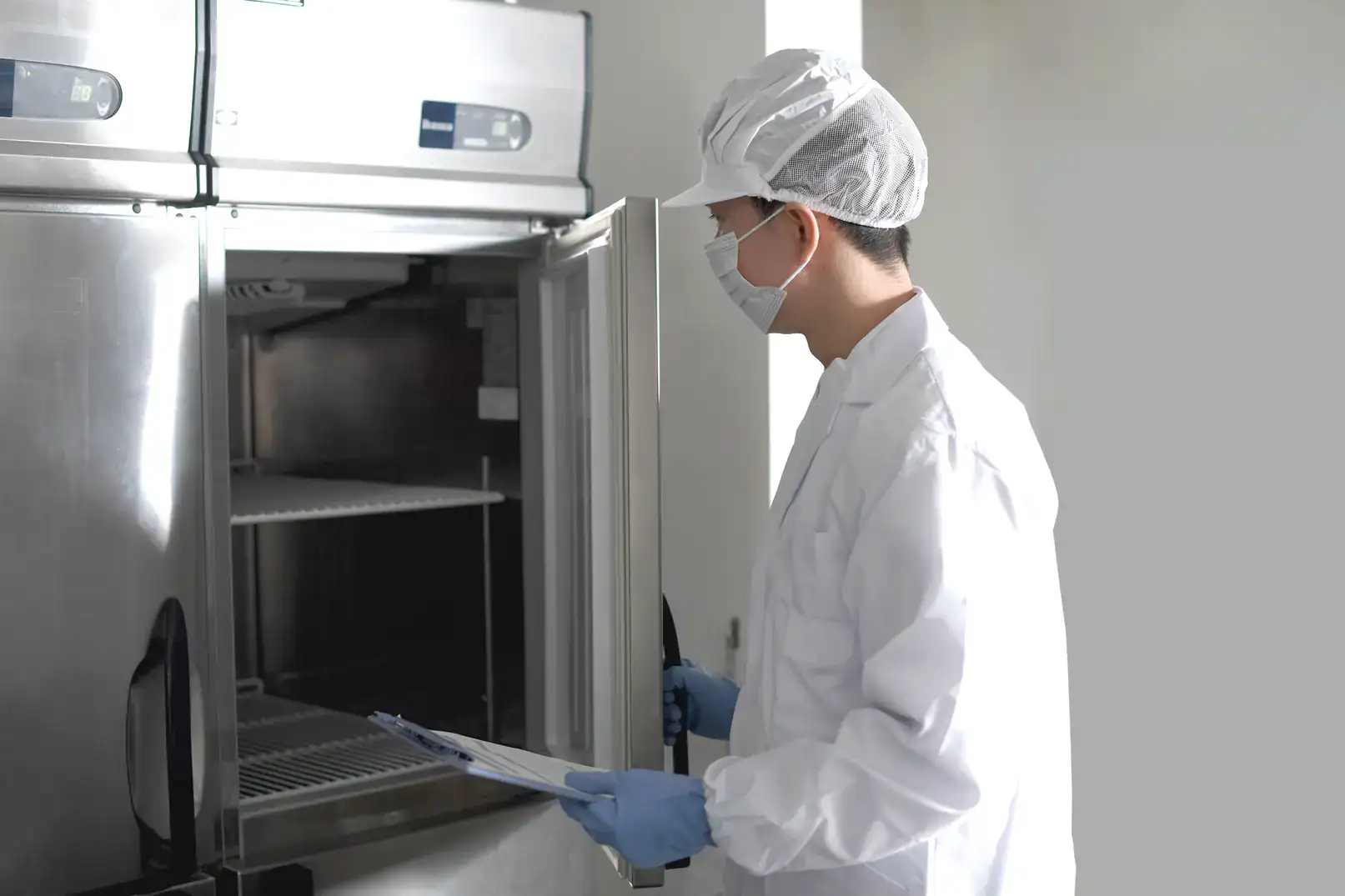
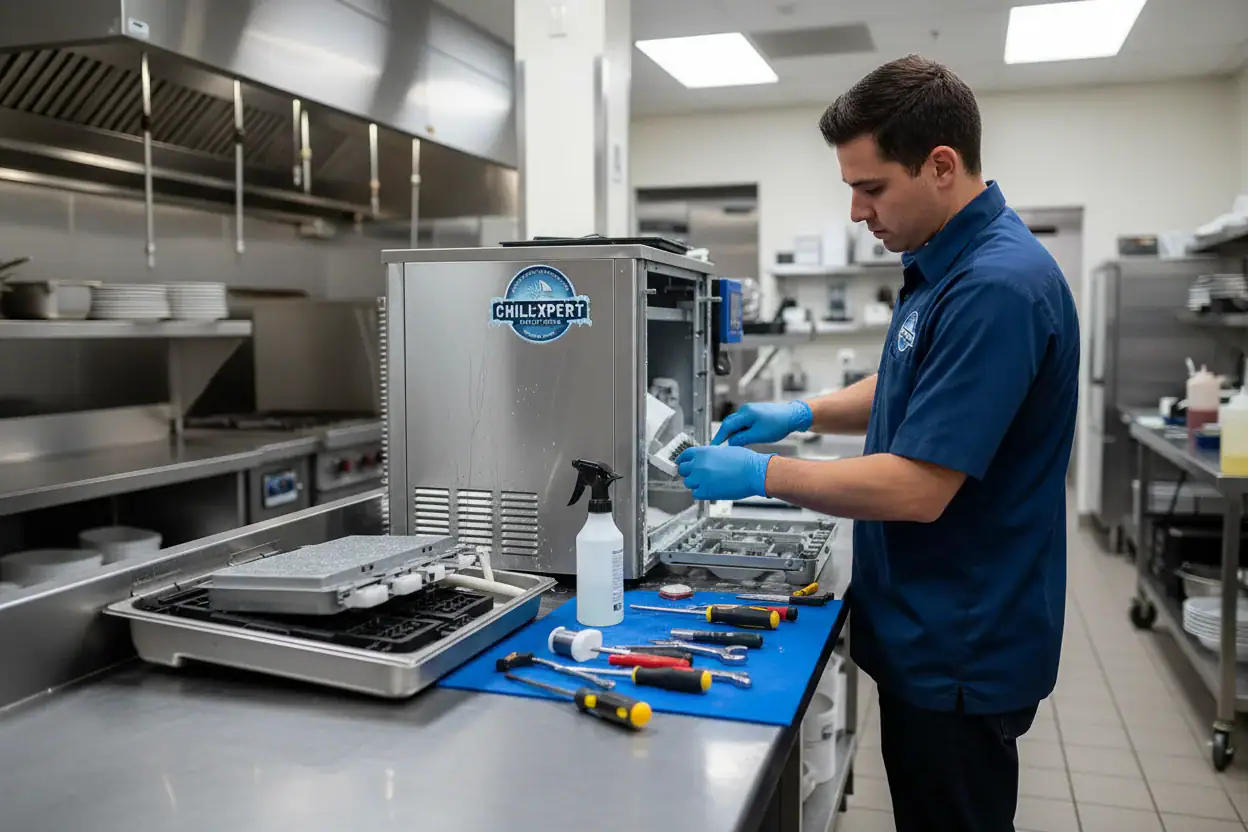
Professional maintenance twice a year catches problems you wouldn’t notice. A qualified technician checks refrigerant levels, inspects electrical connections, tests safety controls, and identifies components showing wear before they fail. For high-volume operations, quarterly maintenance makes more sense. The cost of these visits is minimal compared to emergency service calls and equipment replacement.
Proper loading and organization inside your refrigeration units affects performance more than most people realize. Overstocking blocks airflow, creating hot spots and forcing the system to work harder. Leaving space for air circulation helps maintain consistent temperatures with less stress on components. It’s a free way to extend equipment life that most businesses overlook.
The environment around your equipment matters too. Keeping the area clean, ensuring adequate ventilation, and not blocking air intake or exhaust helps refrigeration systems operate efficiently. A walk-in cooler jammed against a wall without proper clearance runs hotter and fails sooner than one with adequate space.
Understanding how long commercial refrigeration systems last helps you plan instead of panic. Most reach-in units give you 10 to 15 years. Walk-in coolers can hit 15 to 20 years or more with proper care. But those numbers depend entirely on how you maintain equipment and how hard it works.
The decision to repair or replace comes down to age, repair costs relative to replacement value, and how reliable you need your equipment to be. A 12-year-old unit requiring a $2,500 repair deserves serious consideration for replacement, especially if you’re already dealing with other issues or rising energy costs.
Maintenance is the difference between getting full value from your equipment and replacing it years early. Regular coil cleaning, door seal inspection, temperature monitoring, and professional service twice a year can add 30% or more to your equipment’s lifespan. That’s the difference between a walk-in cooler lasting 12 years versus 18 years.
If you’re dealing with aging refrigeration equipment, frequent repairs, or just want to make sure you’re getting the most from your investment, we can help. With over 40 years of experience serving Nassau County, Suffolk County, and Long Island, we provide honest assessments, reliable maintenance, and expert installations that actually last.
Article details:
Share:
Continue learning: