Hear from Our Customers
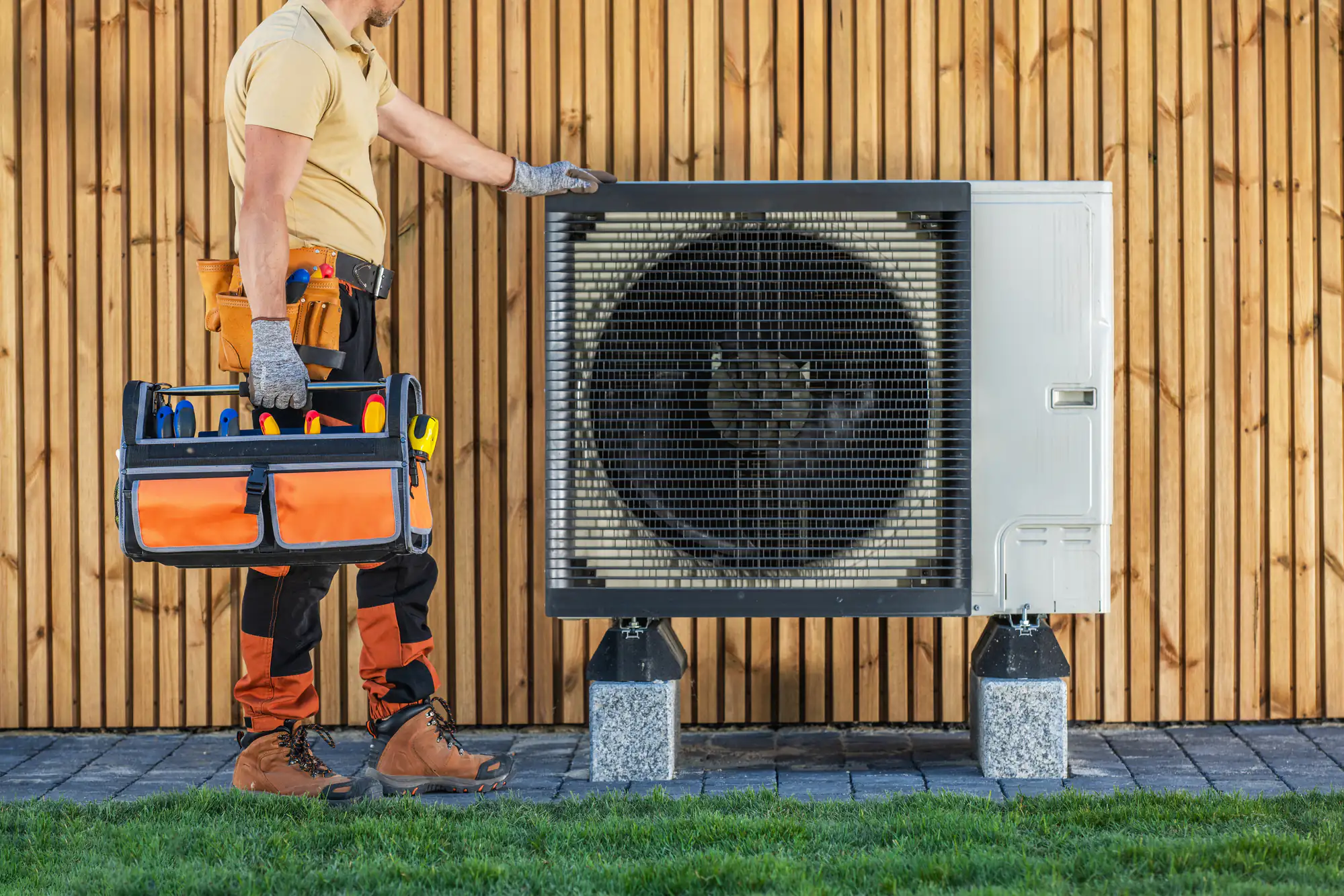
Your energy bills drop. Not by some vague percentage we made up, but noticeably—because we’re installing systems that cut cooling demand by up to 45% and reduce heating costs by as much as 75%. That’s the difference between guessing and actually knowing what we’re doing.
You stop worrying about breakdowns at the worst possible time. When it’s 95 degrees in July or 20 degrees in January, your system keeps running because it was installed right the first time and maintained by people who understand how these things fail.
Your home feels comfortable in every room. No more cold spots in winter or that one bedroom that’s always ten degrees hotter in summer. Proper sizing, correct installation, and smart zoning make that happen.
We started in marine HVAC and commercial refrigeration—the kind of work where you don’t get second chances. Airports, restaurants, catering halls. Systems that have to work, every single day, or someone loses serious money.
That background matters for your home in Centre Island. These aren’t cookie-cutter tract houses. They’re waterfront properties, custom builds, homes with unique layouts and specific needs. The same approach that works in Levittown doesn’t work here, and we’ve spent four decades learning the difference.
We’re local to Nassau County. We know what Long Island humidity does to systems. We understand the salt air challenges near the water. And we’ve been handling emergency calls at 2 AM long enough to know what actually constitutes an emergency and what can wait until morning.
First, we show up when we say we will. Sounds basic, but you’ve probably dealt with contractors who don’t, so it’s worth mentioning.
We assess what’s actually wrong—not what we can upsell you on. If your system is ten years old and needs a $300 repair, we’re not automatically pushing replacement. If it’s fifteen years old and facing a $2,000 repair, we’ll walk through the math with you on why replacement makes more sense. The 50% rule is real: if repair costs exceed half the price of replacement and your system is past 12-15 years, you’re throwing money away on a dying system.
For installations, we do load calculations. That means actually measuring your space, accounting for insulation, windows, sun exposure, and how you use your home. Contractors who skip this step either oversize your system (which cycles on and off constantly, wearing itself out) or undersize it (which runs nonstop and never quite gets the job done).
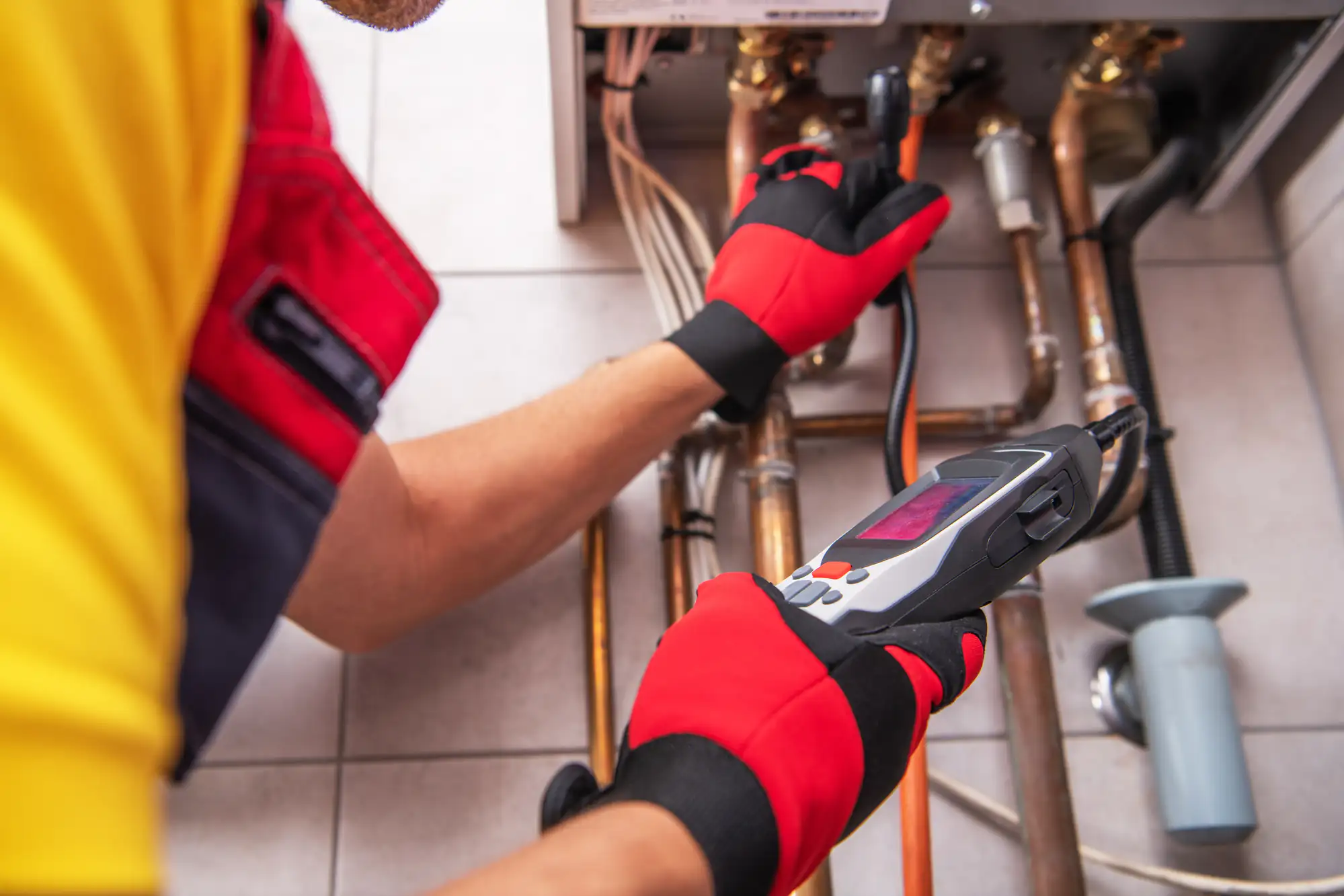
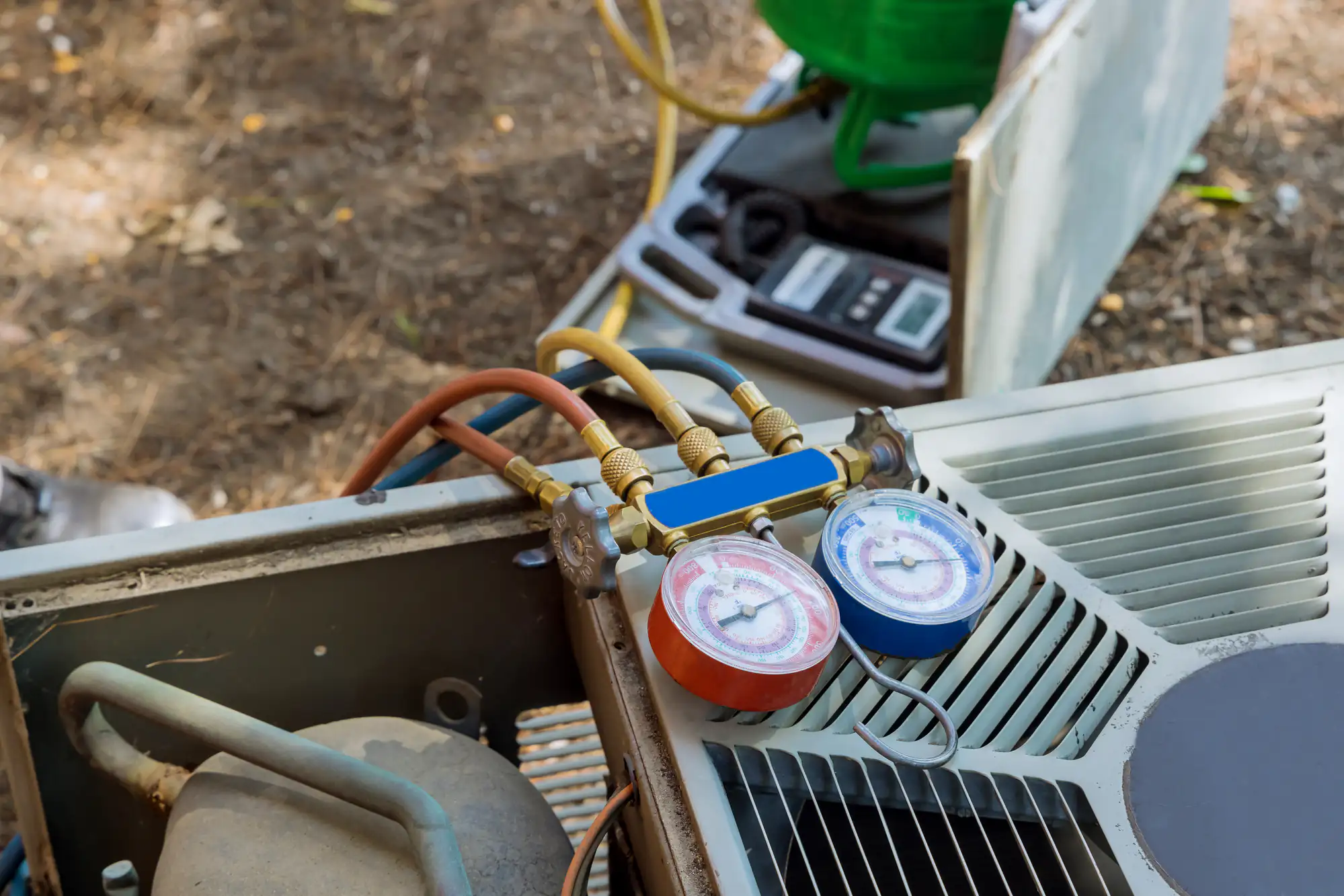
We install to manufacturer specs, not shortcuts. We pressure-test refrigerant lines. We verify airflow. We program thermostats correctly and show you how to use them. Then we clean up and haul away the old equipment.
Ready to get started?
You’re getting people who’ve handled complex marine systems and commercial installations for forty years. That experience shows up in how we route ductwork, how we handle condensate drainage in waterfront properties, and how we account for the specific challenges of heating and cooling larger homes.
Indoor air quality is part of the conversation now, not an afterthought. The market hit $10.5 billion in 2024 because people finally realized that filtration and humidity control matter. We’ll talk through options for whole-home air purification, dehumidification for Long Island’s humid summers, and proper ventilation that doesn’t waste conditioned air.
Smart thermostats and zoning systems make sense in homes like yours. You’re not heating or cooling the whole house to the same temperature when you’re only using three rooms. We install systems that let you control different areas independently, which is how you actually save money instead of just reading about it in a brochure.
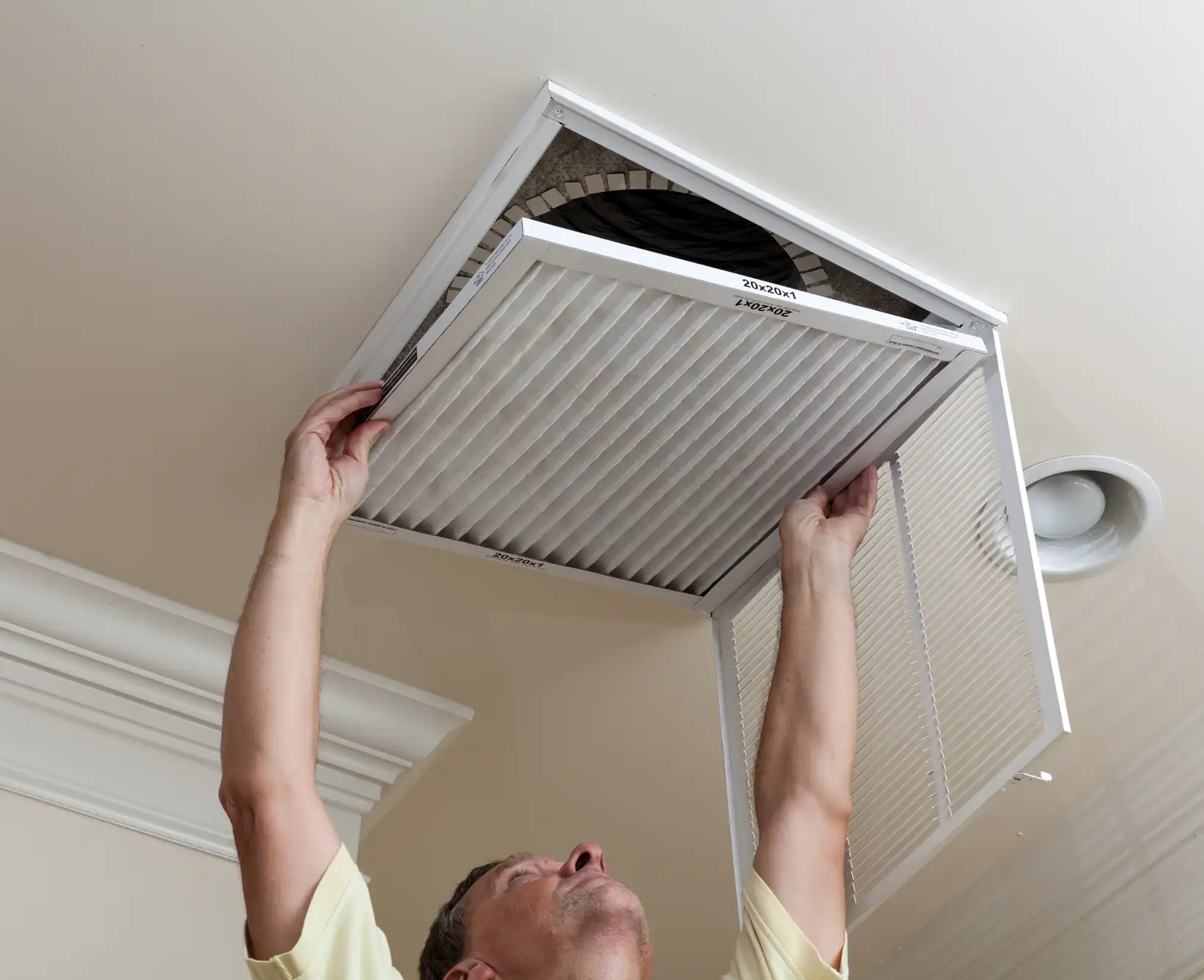
Maintenance programs keep you off the emergency call list. AC systems should be serviced every spring, furnaces every fall. We check refrigerant levels, clean coils, test safety controls, and catch small problems before they become expensive ones. Regular maintenance adds years to your system’s life and keeps it running efficiently.
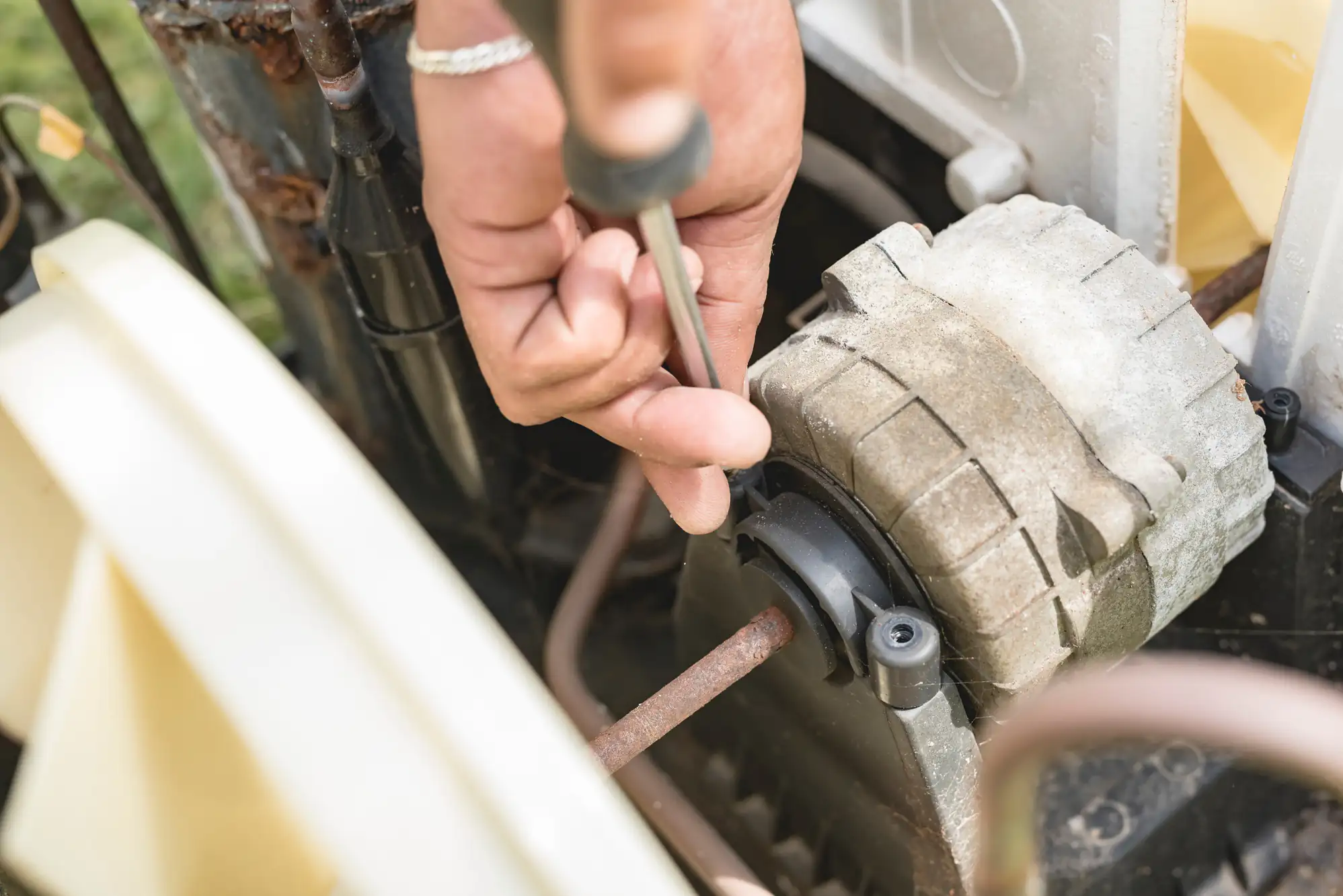
Age and repair cost are your two main factors. If your system is under ten years old and the repair is relatively minor—a capacitor, a sensor, a blower motor—repair almost always makes sense. These are normal wear items.
Once you hit 12-15 years, you’re in the decision zone. The 50% rule applies here: if the repair costs more than half of what a new system would cost, replacement is usually smarter. A $2,000 repair on a 15-year-old system means you’re putting serious money into equipment that’s near the end of its lifespan anyway. You’ll likely face another expensive repair within a year or two.
Also consider efficiency. A system from 2010 is significantly less efficient than what’s available now. If your energy bills have been creeping up and your system is older, replacement can pay for itself over time through lower operating costs. We’ll run the actual numbers with you so you can make an informed decision, not a pressured one.
Size isn’t about square footage alone, and any contractor who quotes you a system based only on your home’s size is guessing. Proper sizing requires a load calculation that accounts for insulation levels, window size and placement, ceiling height, sun exposure, and how well your home is sealed.
Centre Island homes are often larger, custom-built properties with unique layouts. A 4,000 square foot home with poor insulation and lots of south-facing windows needs more capacity than the same square footage with spray foam insulation and energy-efficient windows. Waterfront properties face different challenges than inland homes.
Oversized systems are just as problematic as undersized ones. An oversized AC cools the air quickly but shuts off before it can properly dehumidify, leaving your home feeling clammy. An oversized furnace cycles on and off constantly, wearing out components faster and creating uneven temperatures. We do the math to get it right the first time.
Your air conditioning system needs service once a year, ideally in spring before you need it. Your heating system needs service once a year, ideally in fall before cold weather hits. That’s the baseline for keeping your system reliable and maintaining your manufacturer’s warranty.
Long Island’s climate makes this even more important. The humidity here works your AC harder than it would in a drier climate. Salt air near the water can corrode components faster. These aren’t theoretical problems—we see the results when people skip maintenance.
During a maintenance visit, we’re checking refrigerant levels, cleaning coils, testing electrical connections, verifying proper airflow, and inspecting safety controls. We catch failing capacitors before they strand you without AC in July. We spot cracked heat exchangers before they become safety hazards. Regular maintenance typically extends system life by 3-5 years and prevents about 95% of emergency breakdowns.
Honest answer: it depends on your home and what you’re installing. A basic system replacement in a straightforward installation might run $8,000-$12,000. A high-efficiency system with zoning, air quality upgrades, and complex ductwork modifications in a larger waterfront property could run $25,000-$40,000 or more.
The average repair revenue per job jumped from $818 in 2021 to $1,205 in 2025—a 47% increase. Equipment costs are up. Labor costs are up. But that doesn’t mean you’re getting ripped off; it means the industry reflects the same inflation you’re seeing everywhere else.
What matters more than the total price is what you’re getting for it. Are they doing load calculations or guessing? Are they replacing ductwork that’s undersized or damaged? Are they installing a builder-grade system or something that’ll actually last? We provide detailed estimates that break down equipment, labor, and materials so you know exactly what you’re paying for. Free estimates mean you can get the information without pressure.
Yes, and they’re outselling gas furnaces now. Electric heat pumps outsold gas furnaces by 25% in the first half of 2025. That’s not a fluke—the technology has improved dramatically in the last five years.
Modern cold-climate heat pumps work efficiently down to -15°F or lower. Centre Island doesn’t see those temperatures often. Even in a cold winter, heat pumps handle the load just fine, and they’re significantly more efficient than resistance electric heat or oil furnaces.
The efficiency advantage is real. Heat pumps can reduce heating electricity use by up to 75% compared to electric resistance heat. They also cool your home in summer, so you’re getting year-round use from one system. The upfront cost is higher than a basic furnace, but the operating cost savings add up quickly. We’ll walk through the actual payback period based on your current energy costs so you can decide if it makes sense for your situation.
You call us. We offer 24/7 emergency service because HVAC emergencies don’t wait for business hours. No heat in January or no AC in July isn’t just uncomfortable—it can be dangerous, especially for older residents or young children.
When you call, you’re talking to someone who can actually help, not an answering service reading from a script. We assess whether it’s truly an emergency that needs immediate attention or something that can wait until morning without risk. If your furnace is out and it’s 15 degrees outside, we’re coming now. If your AC is struggling on a mild evening in September, we can probably schedule for first thing tomorrow and save you the emergency rate.
Real emergency service means we stock parts for common failures and our trucks are equipped to handle most repairs on the first visit. We’re not showing up, diagnosing the problem, and then telling you we’ll have to come back in three days when the part arrives. Forty years in commercial and marine work taught us that downtime costs money and comfort, so we’re prepared to fix it right the first time.