Hear from Our Customers
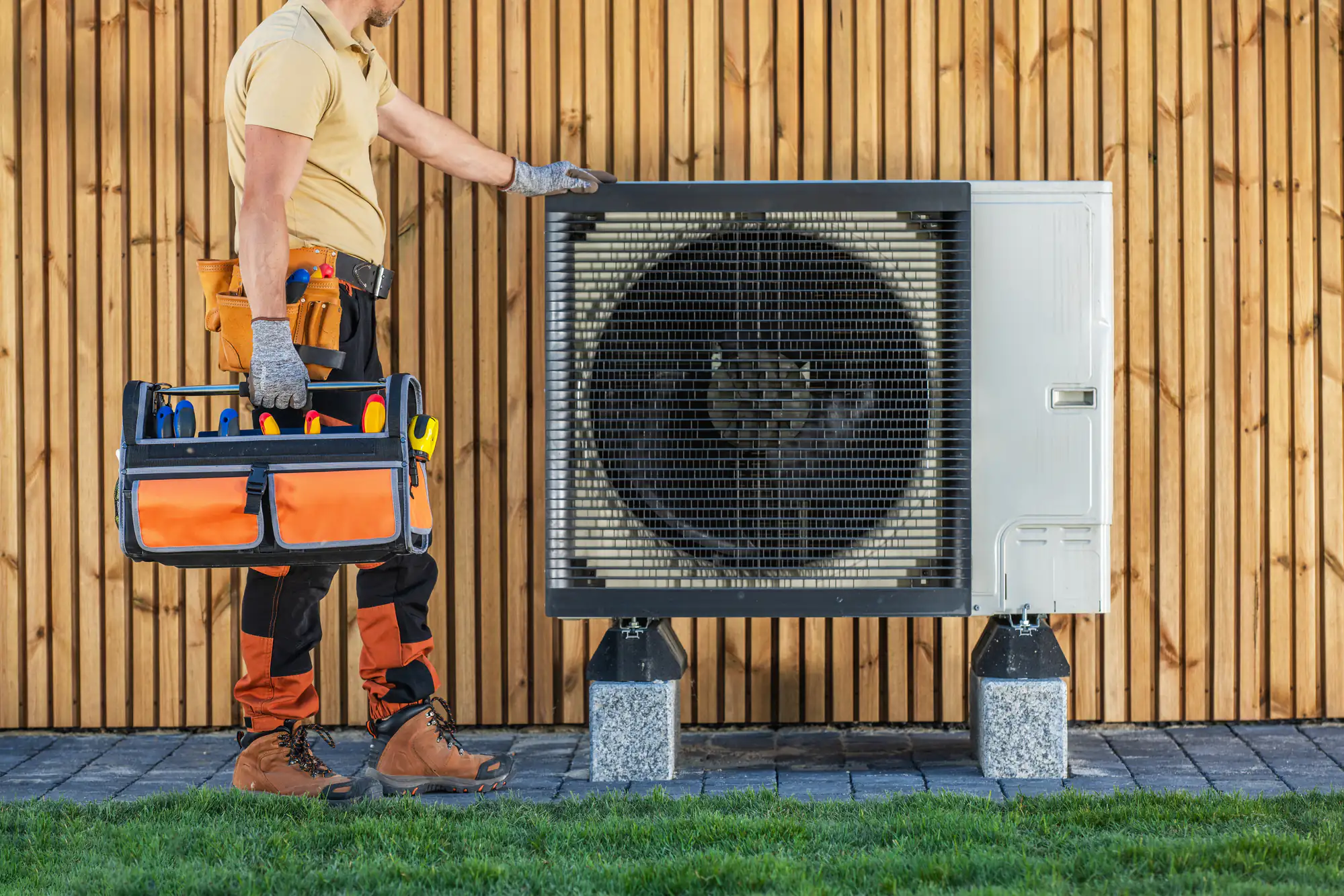
Your energy bills stop climbing every summer. That’s what happens when your air conditioning system isn’t fighting Long Island humidity with outdated equipment or poor maintenance.
You stop worrying about breakdowns during heat waves. A properly installed and maintained HVAC system doesn’t quit on the hottest day of July—it runs efficiently because it was sized correctly and installed by people who’ve done this for four decades.
Your home feels consistent. No more hot upstairs, cold downstairs. No more rooms that never quite get comfortable. When heating and cooling systems are designed for your specific layout and Long Island’s coastal climate, every room works the way it should.
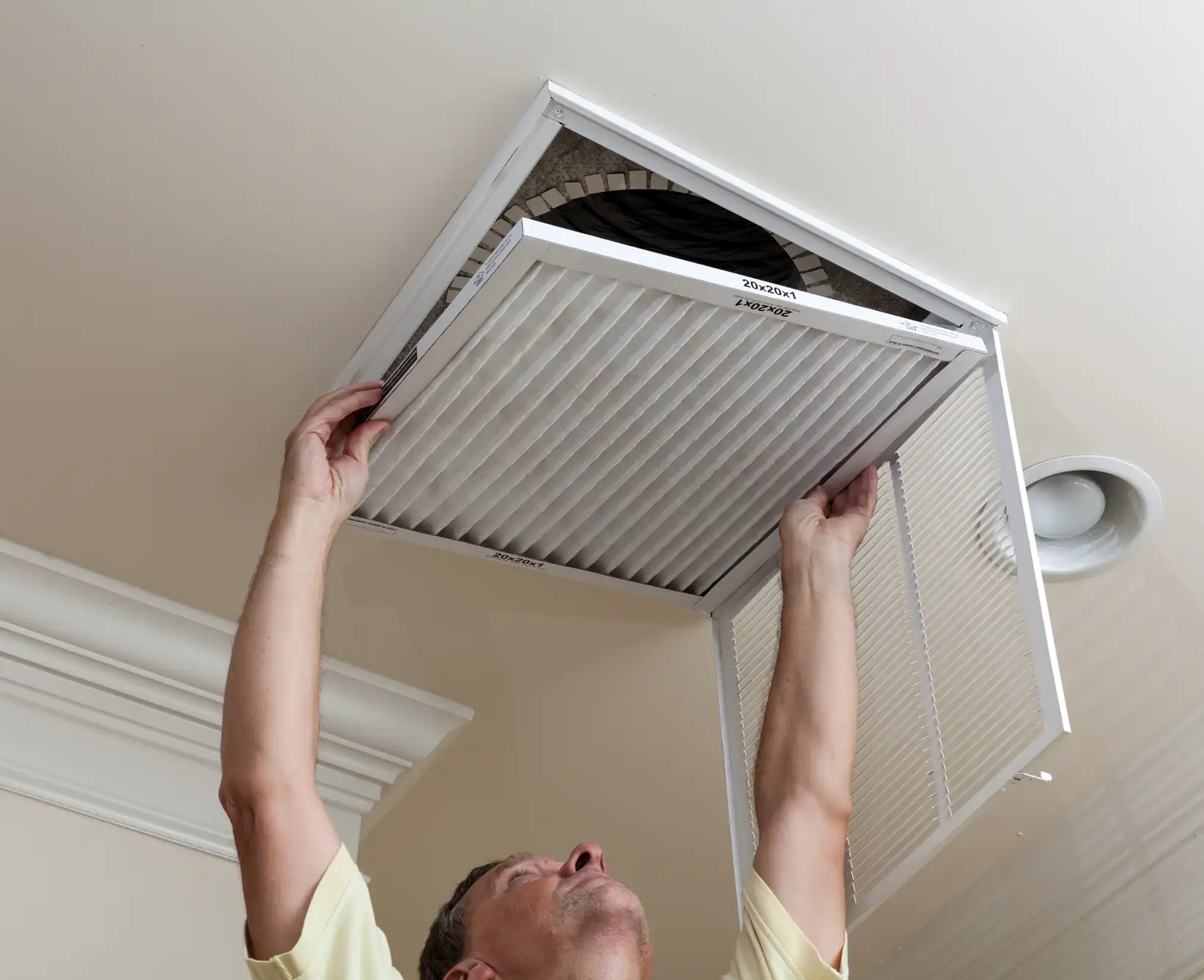
Indoor air quality improves without you thinking about it. You’re breathing cleaner air, dealing with less dust, and your family isn’t fighting allergies triggered by poor filtration or excess moisture that your system should be handling.
We started with marine HVAC and commercial refrigeration—the kind of work that doesn’t forgive mistakes. Airports, restaurants, walk-in freezers, boat systems in salt air. That background means your residential furnace installation or AC repair gets the same precision that keeps a commercial kitchen running or a yacht comfortable in the middle of the Atlantic.
We’ve been serving the Greater New York area for over 40 years. East Farmingdale homeowners deal with specific challenges: humidity that strains systems, salt air near the coast that accelerates wear, attics that turn into ovens. We’ve seen it all, fixed it all, and we know exactly what works in Nassau County homes.
You’ll find dozens of five-star reviews because we show up, communicate clearly, and don’t disappear after the install. We offer 24/7 consulting and free estimates because we’d rather answer your questions at midnight than have you deal with an emergency alone.
You reach out—phone, email, whatever works for you. We respond within 30 minutes because that’s the window where you’re still deciding who to hire. We’ll ask questions about what’s happening with your system, and if it’s an emergency, we’re already on our way.
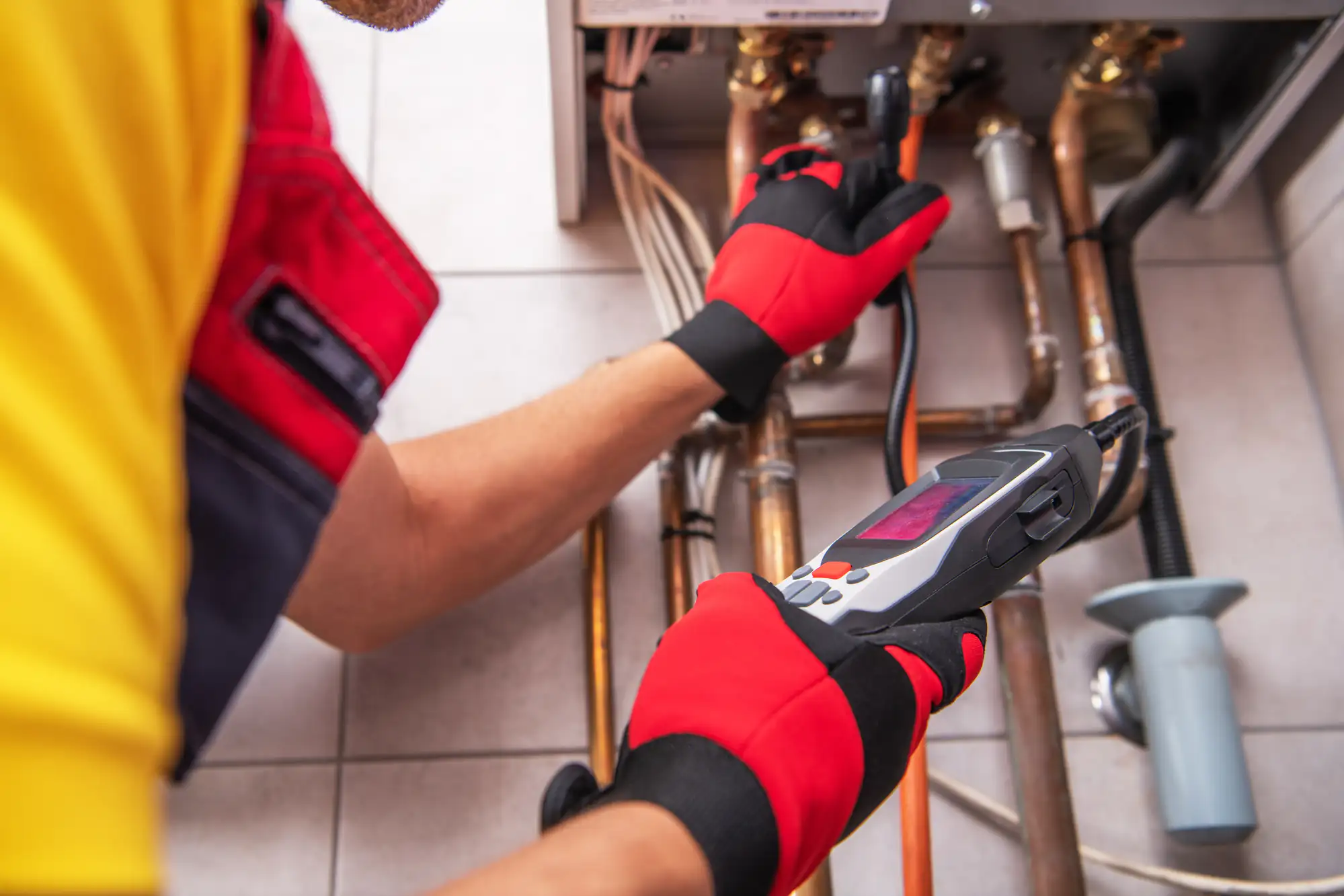
We come to your home and actually look at your situation. Not just your HVAC unit, but your home’s layout, insulation, ductwork, and the specific challenges your property faces. If you’re near the water, we’re checking for salt-air corrosion. If your attic is an oven, we’re talking about heat load. This is where 40 years of experience shows up—we catch things newer companies miss.
You get a free estimate that breaks down exactly what you need, what you don’t, and why. We’re not upselling you on equipment that doesn’t match your home. If your furnace can be repaired instead of replaced, we’ll tell you. If your ductwork is the real problem, not your AC unit, you’ll know before you spend a dollar.
The work happens on your timeline. Installation, repair, maintenance—whatever we agreed on gets done by technicians who’ve handled everything from custom marine systems to commercial refrigeration. Your residential HVAC replacement or heating system maintenance isn’t our first rodeo.
You get follow-up and support that doesn’t end when we leave. Questions about your thermostat? Call us. Something doesn’t feel right? We’re available 24/7. Your system needs seasonal maintenance? We’ll remind you and get it scheduled.
Ready to get started?
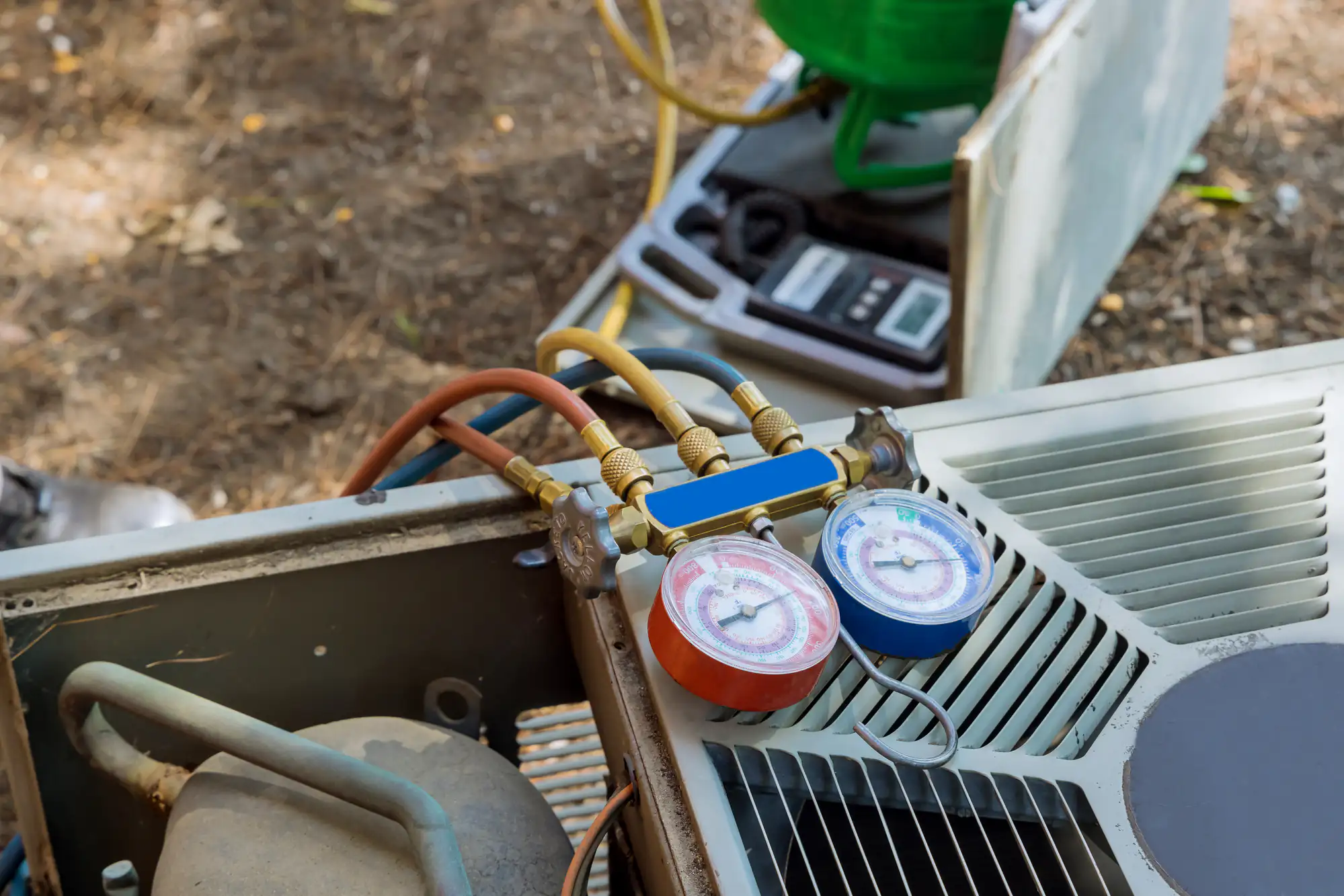
Air conditioning repair and installation covers everything from emergency breakdowns to full system replacements. Long Island summers push AC units hard—high humidity makes them work overtime, and coastal properties deal with salt air that corrodes components faster. We size systems correctly for your square footage and install them to handle the moisture load that comes with living near the water.
Furnace installation and heating system maintenance keeps you warm when temperatures drop. We work with all fuel types and modern high-efficiency systems that cut your heating bills without sacrificing comfort. Older homes in East Farmingdale often have ductwork issues or insulation gaps that make furnaces work harder than they should—we identify those problems during service calls and give you options that actually solve them.
HVAC replacement isn’t just swapping old equipment for new. It’s recalculating your home’s needs, checking if your ductwork can handle modern airflow requirements, and making sure your new system is designed for Long Island’s climate. Equipment prices have jumped roughly 40% since 2020, so we make sure you’re investing in the right solution the first time.
Indoor air quality improvements include filtration upgrades, dehumidification systems, and ventilation solutions that address the specific air quality challenges Nassau County homeowners face. Humidity control matters here—your HVAC system should be managing moisture levels, not just temperature. Poor indoor air quality triggers allergies, promotes mold growth, and makes your home uncomfortable even when the temperature is right.
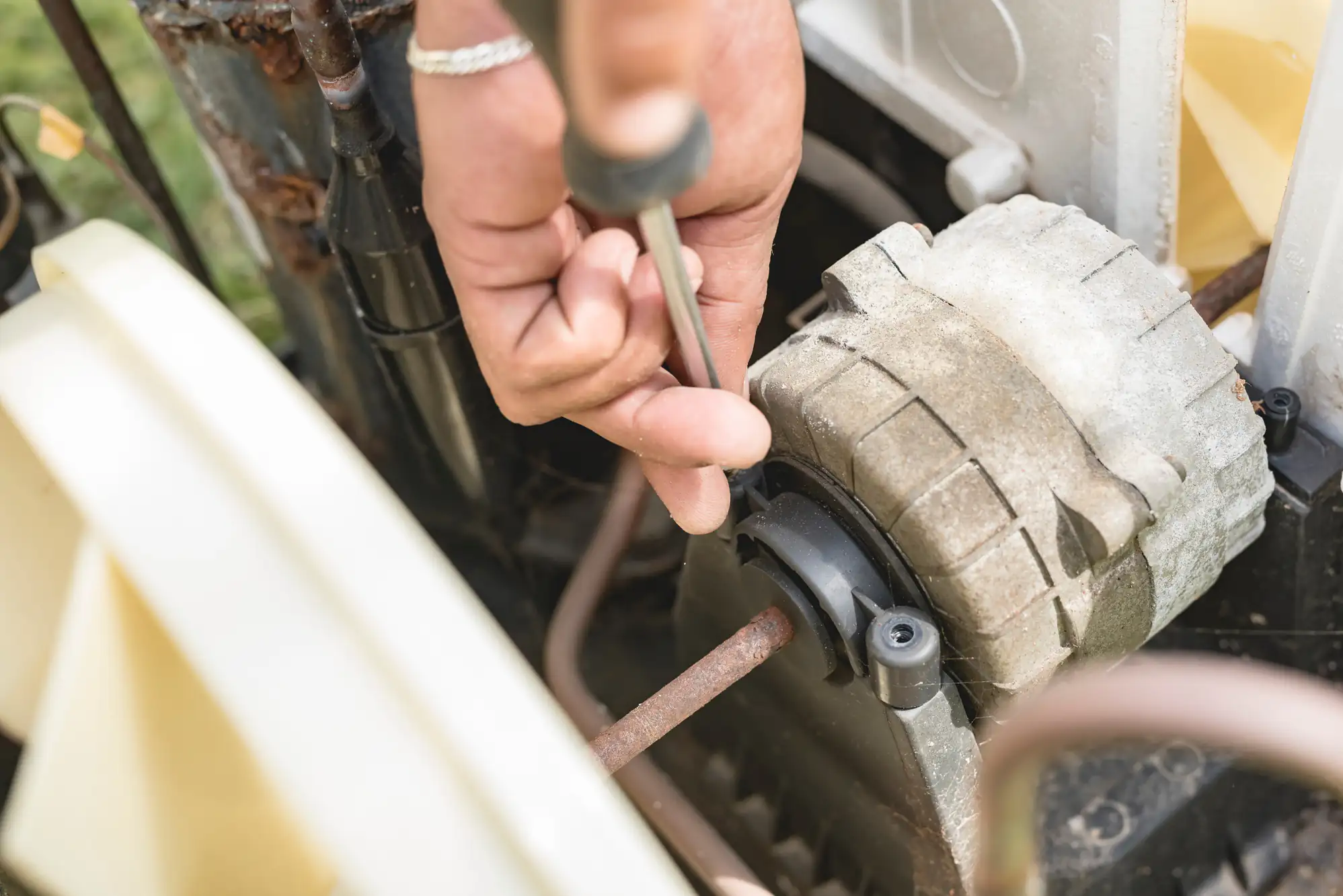
Full HVAC replacement in East Farmingdale typically runs between $8,000 and $18,000 depending on your home’s size, the equipment efficiency you choose, and whether your ductwork needs updates. A 1,500 square foot home with standard ductwork and a mid-efficiency system lands around $10,000 to $12,000. Larger homes, high-efficiency equipment, or homes that need ductwork modifications push costs higher.
Equipment prices have increased about 40% since 2020, and Long Island installation costs reflect our higher cost of living compared to other parts of the country. You’re also paying for expertise that matters—systems sized incorrectly or installed poorly cost you more in energy bills and repairs over their lifespan than you save on a cheap install.
We give free estimates that break down equipment costs, labor, and any additional work your home needs. You’ll know exactly what you’re paying for before any work starts. If your existing system can be repaired instead of replaced, we’ll tell you that too—we’d rather keep a customer long-term than oversell you once.
Air conditioners remove humidity as part of their cooling process, but Long Island’s coastal climate produces moisture levels that challenge systems not designed for it. Your AC has to work significantly harder to dehumidify air when outdoor humidity regularly hits 70% to 90% during summer months. If your system is undersized, older, or wasn’t installed with humidity load in mind, it’ll cool the air but leave you feeling clammy and uncomfortable.
Oversized AC units actually make humidity worse. They cool your home too quickly and shut off before completing proper dehumidification cycles. That’s why proper sizing matters—we calculate your home’s specific cooling and moisture removal needs rather than just matching square footage to a chart.
Ductwork leaks and poor insulation also sabotage humidity control. If your ducts are pulling in humid attic air or your home isn’t properly sealed, your AC is fighting a losing battle. We check for these issues during service calls because throwing a new AC unit at a humidity problem without addressing the root cause wastes your money and doesn’t fix your comfort issue.
Annual heating system maintenance before winter starts is the standard recommendation, but Long Island homeowners benefit from checking systems in early fall—September or October—before the first cold snap hits. That timing gives you space to handle repairs without rushing or paying emergency rates when your furnace quits on the coldest night of the year.
Maintenance includes cleaning burners, checking heat exchangers for cracks, testing safety controls, inspecting ductwork, and verifying your system is running at proper efficiency. Furnaces that don’t get annual maintenance lose efficiency over time, work harder to heat your home, and fail earlier than they should. A $150 to $250 annual maintenance visit prevents $500+ emergency repairs and extends your system’s lifespan by years.
If your system is older than 15 years, if you’re noticing uneven heating, or if your energy bills are climbing without explanation, you might need maintenance more than once a year. We’ll tell you during the service call if your system is on its last legs or if it’s got years left—you shouldn’t be surprised by a breakdown you could have planned for.
HVAC systems fail at the worst possible times—the hottest day of summer or the coldest night of winter. That’s not coincidence; that’s when systems are under maximum stress. If your AC quits during a July heat wave or your furnace dies when temperatures drop into the teens, waiting until Monday morning isn’t just uncomfortable—it’s potentially dangerous for young children, elderly family members, or anyone with health conditions.
Emergency HVAC service means you get a callback within 30 minutes and a technician dispatched as soon as possible, including nights, weekends, and holidays. We carry common parts and have access to suppliers that let us complete most repairs the same day rather than leaving you without heating or cooling for days.
The cost difference between emergency and regular service is usually $100 to $200 more for the after-hours call, but you’re paying for immediate response and the expertise to diagnose problems quickly under pressure. After 40 years in business, we’ve handled every emergency scenario Long Island weather throws at HVAC systems—we know what’s likely failing and how to fix it fast.
Indoor air quality improvements make a measurable difference for people dealing with allergies, asthma, or general respiratory irritation. Your HVAC system circulates air throughout your home constantly—if that air is carrying dust, pollen, mold spores, or other particles, you’re breathing it all day and night. Better filtration, proper humidity control, and ventilation upgrades reduce those irritants significantly.
Standard HVAC filters catch large particles but miss the small stuff that triggers allergies. Upgrading to HEPA filtration or high-MERV rated filters captures particles down to 0.3 microns—that includes most pollen, mold spores, and dust mite debris. You’ll notice less dust on surfaces and easier breathing, especially if someone in your home has asthma or seasonal allergies.
Humidity control matters just as much as filtration. Long Island’s humidity promotes mold growth and dust mites, both major allergy triggers. Dehumidification systems integrated with your HVAC keep indoor humidity between 30% and 50%, the range where mold and dust mites struggle to survive. Combined with proper filtration, you’re addressing the root causes of poor indoor air quality rather than just masking symptoms.
We started with marine HVAC and commercial refrigeration—work that doesn’t forgive mistakes and requires technical expertise beyond standard residential service. That background means we approach your home’s heating and cooling system with the same precision we use for commercial kitchens, airport systems, and marine applications in harsh salt-air environments. You’re getting commercial-grade expertise applied to residential comfort.
Forty years in business means we’ve seen every HVAC problem Long Island throws at systems. We know how coastal humidity affects equipment longevity, how salt air accelerates corrosion, how poorly insulated attics create heat loads that overwhelm undersized AC units. That experience translates into accurate diagnostics, proper system sizing, and installations that account for your home’s specific challenges—not just generic solutions that work “most of the time.”
We offer 24/7 consulting, free estimates, and dozens of five-star reviews because we communicate clearly and stay available when you need us. You’re not getting voicemail at 9 PM when your furnace quits—you’re getting a real person who can help. We handle custom solutions other contractors can’t match because our technical capabilities go beyond basic residential work. If your home has unusual requirements or you’ve been told something “can’t be done,” we’re worth a conversation.