Hear from Our Customers
You stop worrying about whether your heat will kick on during a January freeze. Your summer cooling bills don’t make you wince every month. The air in your home feels cleaner, and you’re not constantly adjusting the thermostat trying to find a comfortable temperature.
When your residential HVAC system is properly installed and maintained, you’re looking at 30-40% lower energy costs compared to an aging, inefficient setup. That’s real money back in your pocket every year. More importantly, you’re not dealing with 2 a.m. furnace failures or sweltering through July because your AC gave out on the hottest weekend of the summer.
Living on Long Island means your HVAC equipment faces challenges most systems don’t—salt air that corrodes coils faster, humidity that taxes air conditioning harder, and temperature swings that demand reliable heating and cooling year-round. When your system is designed for these conditions and maintained by people who understand them, everything just works the way it should.
We’ve been handling HVAC work in Islip and across Long Island for over 40 years. We started in marine HVAC and commercial refrigeration—the kind of work where salt air, constant moisture, and demanding conditions mean you either know what you’re doing or you don’t last.
That background matters when you’re maintaining residential heating and cooling systems in coastal communities. We’ve seen what happens to equipment exposed to Long Island’s environment, and we know how to install, repair, and maintain systems that hold up under these conditions.
We’re available 24/7 because HVAC emergencies don’t wait for business hours. We offer free estimates because you deserve to know what you’re paying before any work starts. And we’ve earned dozens of five-star reviews from homeowners who needed their systems fixed right the first time.
You reach out—by phone or online—and we schedule a time that works for you. No runaround, no pressure. If it’s an emergency, we get someone to you as quickly as possible.
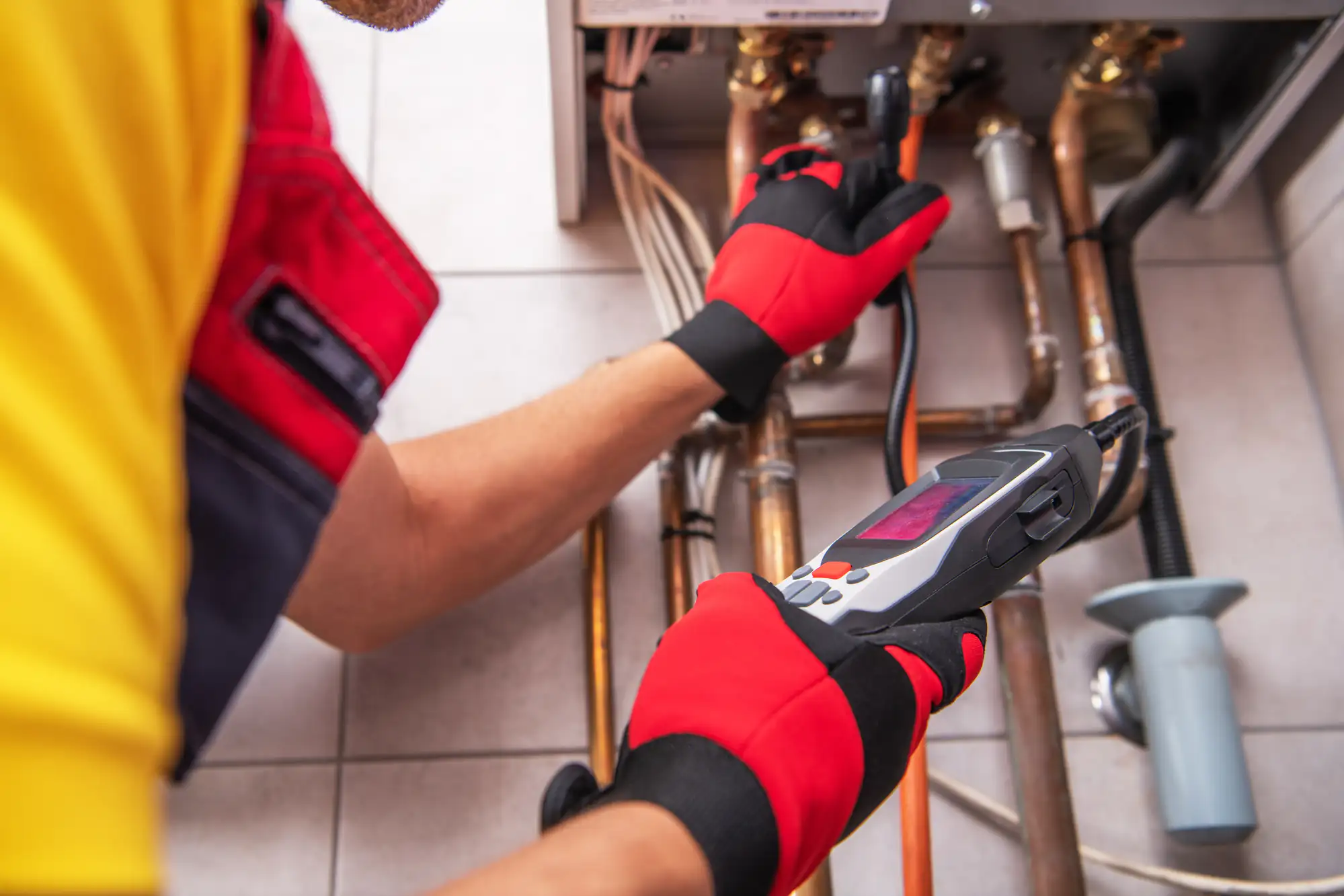
When we arrive, we assess what’s actually going on with your system. We explain what we find in plain language—what’s broken, what’s wearing out, and what your options are. If it’s a repair, we tell you the cost upfront. If you need a replacement, we walk through what makes sense for your home, your budget, and Long Island’s climate.
Once you approve the work, we handle everything. Installation, repairs, maintenance—whatever your system needs. We test everything before we leave, make sure you understand how to operate your new equipment if it’s an install, and clean up completely.
After the job’s done, you’ve got our number. Questions come up, something doesn’t seem right, you need seasonal maintenance—we’re here. That’s how this works when you’re planning to stay in business for another 40 years.
Ready to get started?
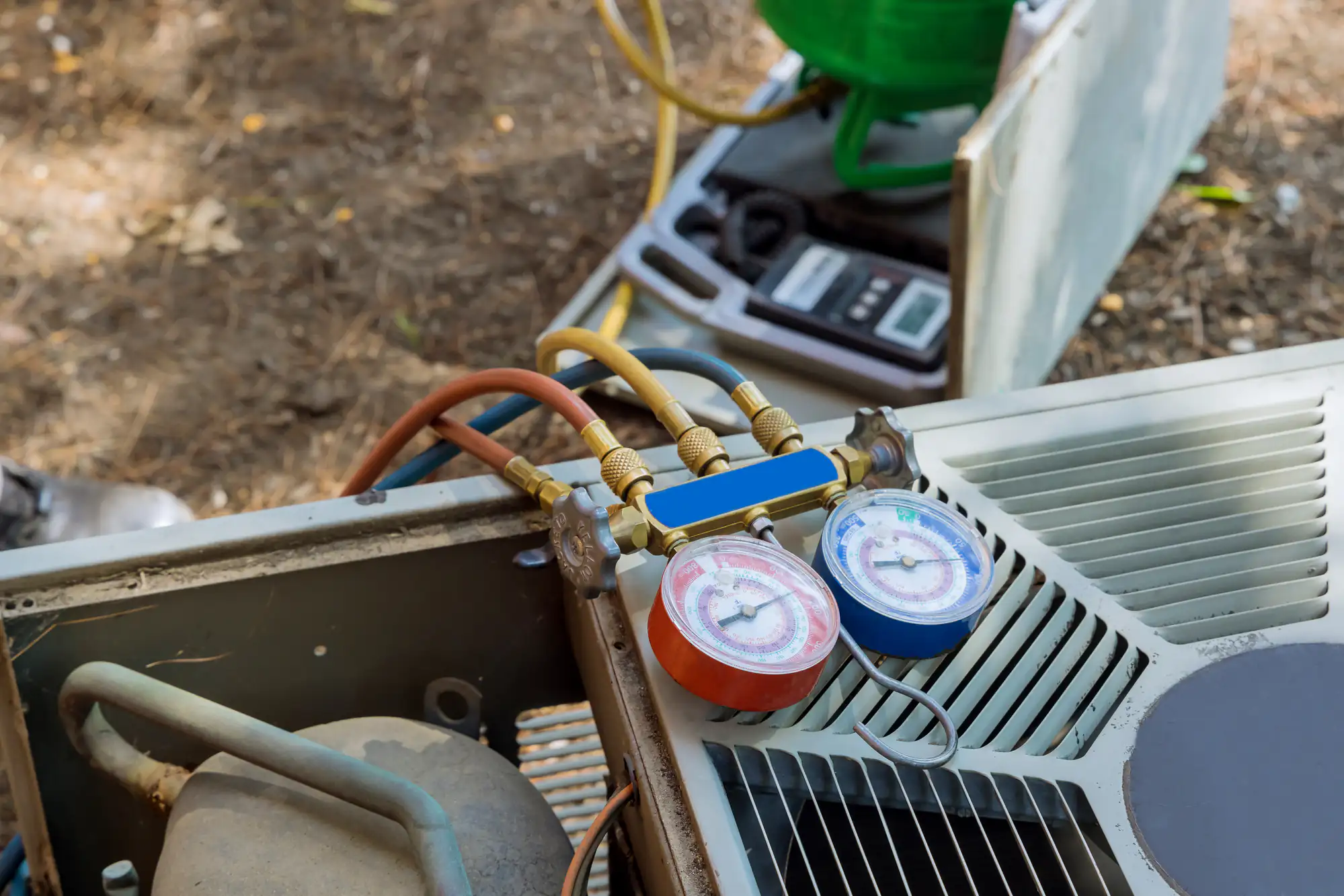
Our residential HVAC services cover the full range of what your home needs. Air conditioning repair when your system stops cooling or starts making concerning noises. Furnace installation when your heating system finally gives out or you’re ready to upgrade to something more efficient. Heating system maintenance that catches small problems before they become expensive emergencies.
We handle HVAC replacement for systems that have reached the end of their useful life—typically 15-20 years for most equipment. And we address indoor air quality issues, which have become a major concern for homeowners who want cleaner, healthier air throughout their homes.
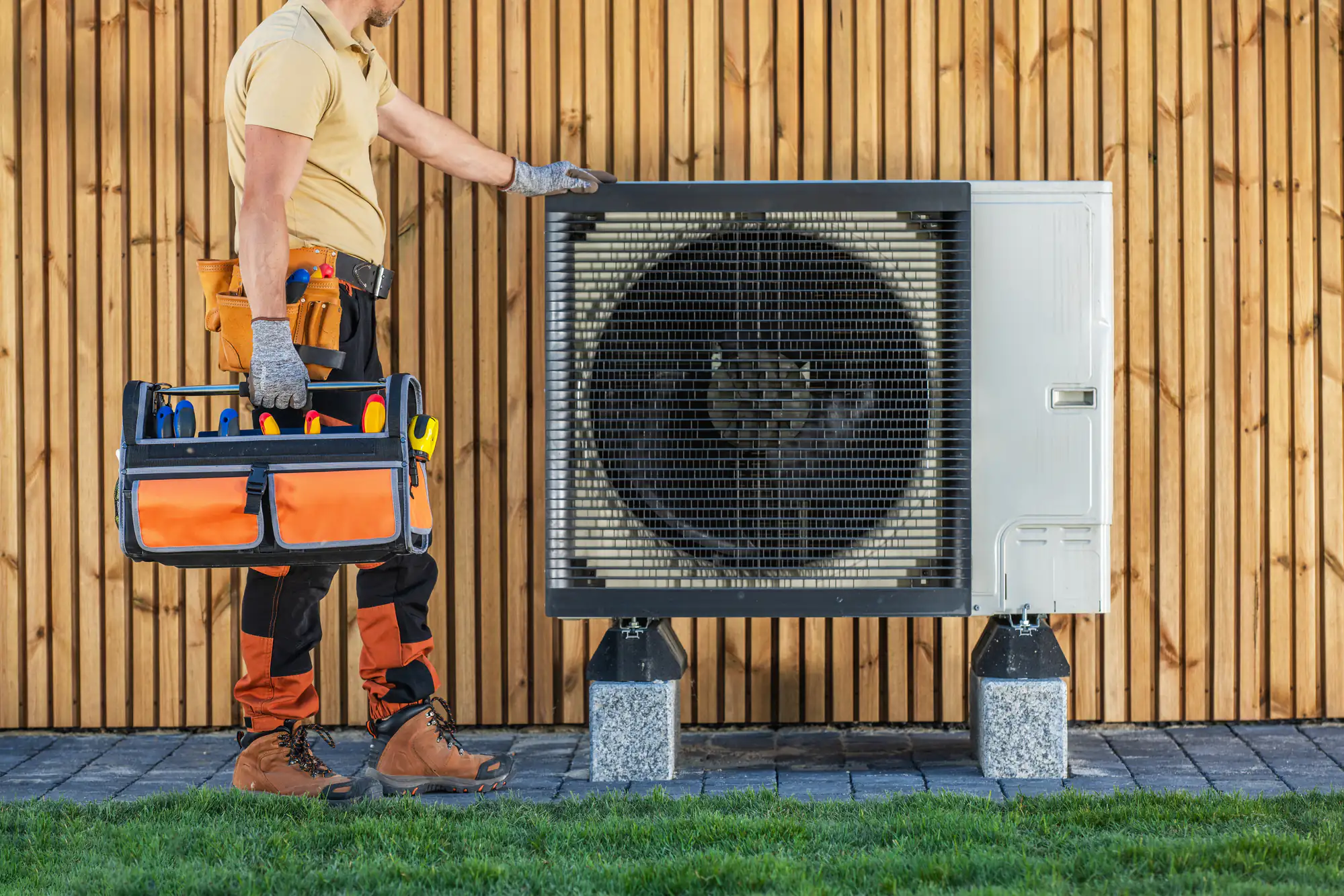
For Islip homeowners specifically, we focus on equipment that stands up to coastal conditions. That means understanding how salt air accelerates corrosion on outdoor units, how humidity levels affect cooling efficiency, and which systems offer the best energy performance for Long Island’s climate. We also help you navigate available rebates and incentives—New York State is offering significant credits for high-efficiency heat pumps, and federal tax credits can put up to $2,000 back in your pocket.
The goal isn’t just to fix what’s broken. It’s to set up your home with reliable heating and cooling that lasts, costs less to run, and doesn’t leave you stranded when you need it most.
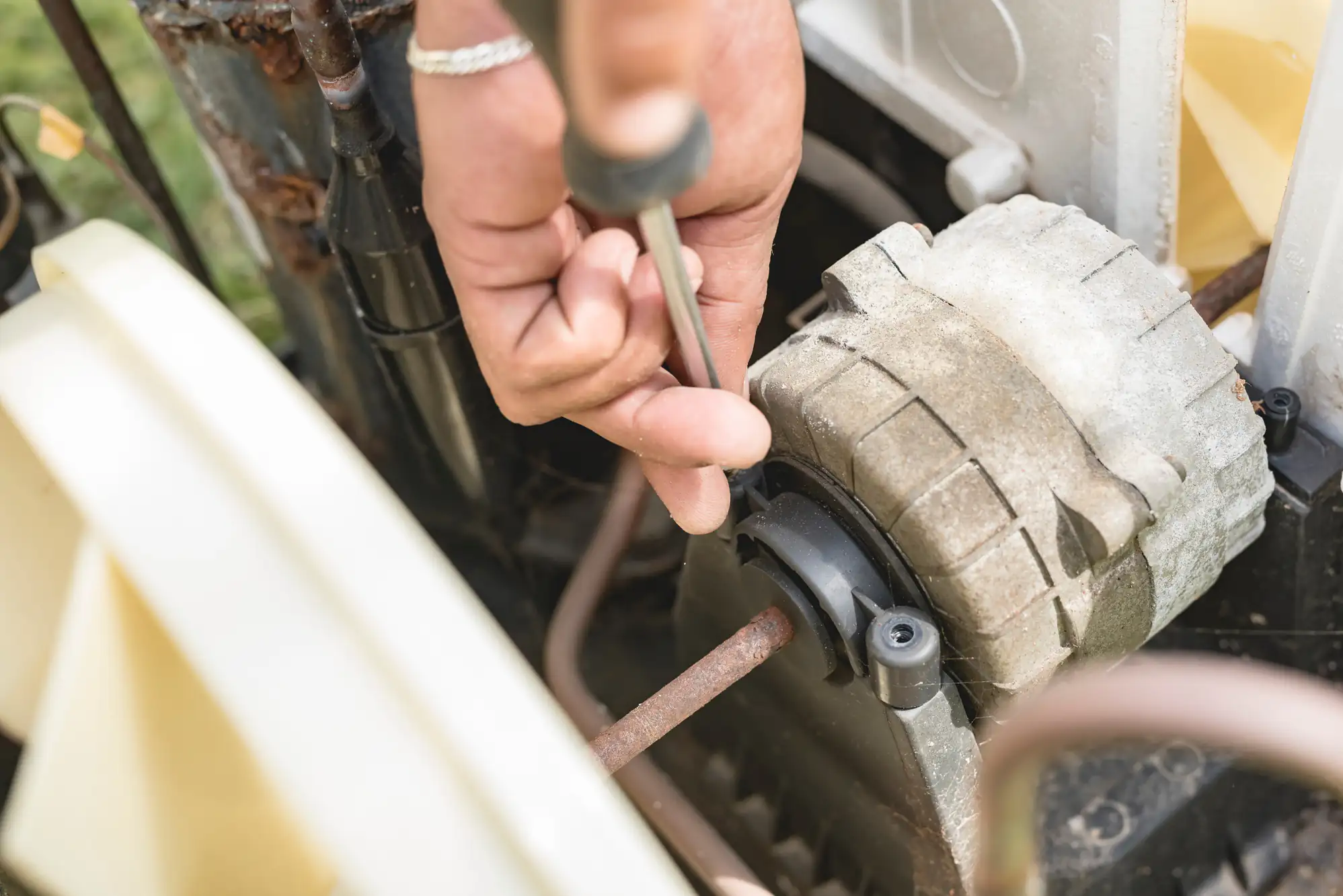
Age is the first indicator. If your system is over 15 years old and needs a major repair—like a compressor or heat exchanger—replacement usually makes more financial sense. You’re looking at a unit that’s already lived most of its expected lifespan, and repair costs on aging equipment add up fast.
Energy bills tell you a lot too. If your costs have been climbing even though your usage hasn’t changed, your system is likely losing efficiency. Modern high-efficiency systems can cut your energy consumption by 30-40% compared to older units, which means the replacement pays for itself over time.
Frequency of repairs matters. If you’re calling for service multiple times a year, you’re throwing money at a system that’s failing. At that point, you’re better off investing in new equipment that comes with a warranty and won’t need constant attention. We’ll always give you an honest assessment of whether a repair makes sense or if you’re just delaying the inevitable.
Size isn’t about square footage alone—it’s about heat loss, insulation, window quality, ceiling height, and how your home is laid out. An oversized system cycles on and off too frequently, which wastes energy and wears out components faster. An undersized system runs constantly and never quite keeps up.
We do a proper load calculation that accounts for your home’s specific characteristics. That includes how well your home is insulated, how much sun exposure you get, how many windows you have and what condition they’re in, and even how many people typically live in the house. For Islip homes, we also factor in coastal humidity and salt air exposure.
The right-sized system runs efficiently, maintains consistent temperatures, and lasts longer because it’s not overworking. It’s one of those things that seems simple but makes a huge difference in how well your HVAC performs and how much it costs to operate. We’ve been doing these calculations for 40 years, and we’ve seen what happens when they’re done wrong—it’s not worth the headache.
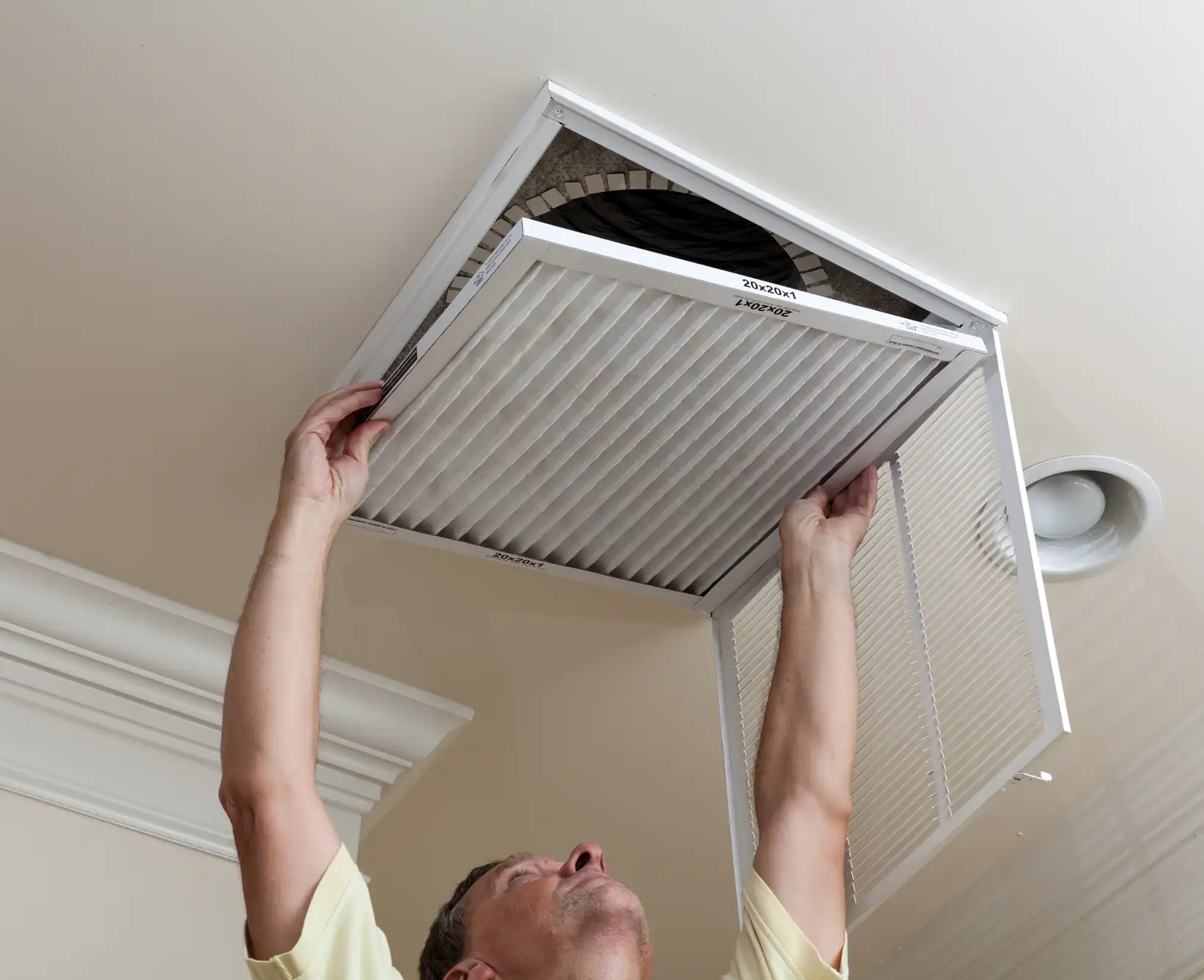
Twice a year is the standard recommendation—once before cooling season and once before heating season. Spring maintenance for your air conditioning catches refrigerant leaks, dirty coils, and worn components before you’re running the system hard all summer. Fall maintenance for your furnace or heat pump makes sure you’re not facing a no-heat situation in January.
For Long Island homes, this schedule matters even more because of coastal conditions. Salt air accelerates corrosion on outdoor units, so regular inspections catch deterioration early. Humidity affects indoor air quality and cooling efficiency, which means filters and coils need more frequent attention than they might in drier climates.
Regular maintenance extends equipment life significantly—often by 5-10 years. It also keeps your energy costs down, because a well-maintained system doesn’t have to work as hard to heat or cool your home. Most importantly, it dramatically reduces the chance of an emergency breakdown when you need your system most. We’ve seen too many homeowners skip maintenance and then face expensive emergency repairs at the worst possible time.
Federal tax credits currently offer up to $2,000 per year for Energy Star certified heat pumps, and that applies to both equipment and installation labor. It’s a straight credit on your taxes, not just a deduction, which makes it more valuable.
New York State has authorized residential clean heat rebates starting in 2026 for homes with one to four units. The exact amounts vary based on income level and the type of system you’re installing, but we’re seeing homeowners access anywhere from $4,000 to $14,000+ in combined federal and state incentives for high-efficiency heat pump installations.
The catch is that these programs have specific requirements—certain efficiency ratings, approved equipment lists, and sometimes income qualifications. We help you navigate what’s available for your situation and make sure any equipment we install qualifies for the incentives you’re eligible for. The paperwork can be confusing, but the savings are real and worth pursuing. We’ve helped dozens of Islip homeowners access these programs, and we know which systems qualify and how to document everything properly.
Coastal humidity is the main culprit. Your AC has to work harder to remove moisture from the air, not just cool it. That’s a bigger load than systems face in drier climates, which means equipment that was adequate elsewhere might struggle here.
Salt air also affects performance over time. It corrodes outdoor coils and components faster than normal wear and tear, which reduces efficiency and can lead to refrigerant leaks. If your system wasn’t designed or maintained with coastal conditions in mind, you’ll see performance drop off faster than expected.
The good news is that proper equipment selection and regular maintenance solve most of these issues. Systems designed for high-humidity environments handle the moisture load better. Coated coils resist salt air corrosion. And regular cleaning and inspection catch problems before they tank your system’s performance. We’ve been installing and maintaining HVAC systems in coastal Long Island homes for four decades—we know exactly what holds up and what doesn’t.
First, check your thermostat batteries and make sure it’s set to heat mode at a temperature above your current room temperature. Check your circuit breaker to make sure power is getting to the furnace. Look at your furnace filter—if it’s completely clogged, the system may have shut down as a safety measure.
If those basics don’t solve it, don’t try to troubleshoot further yourself. Modern furnaces have safety controls that shut the system down when something’s wrong, and overriding those or attempting DIY repairs can be dangerous. Gas furnaces especially require professional diagnosis and repair.
Call us immediately—we offer 24/7 emergency service for exactly these situations. We’ll get someone to your home as quickly as possible, diagnose what’s wrong, and get your heat back on. In 40 years of doing this work, we’ve handled every kind of heating emergency Long Island winters can create. We know how to fix it, we know how to fix it safely, and we know how to fix it fast.